The Science of Character Relatability in RPGs
5 December 2025
Role-playing games (RPGs) are arguably one of the most immersive genres in gaming. But let’s be real—what really hooks us isn’t just the sprawling worlds or epic soundtracks. It’s the characters. You can have the most beautifully designed game world, but if the characters feel flat, your experience is going to fall apart faster than a party wipe during a raid.
So why is character relatability such a big deal? What makes us care about a digital elf with a tragic backstory? Is it their personality? Their struggles? Or maybe it’s how much they remind us of… well, us. Let’s dive into the science of character relatability in RPGs and figure out what makes these fictional people so incredibly real to us.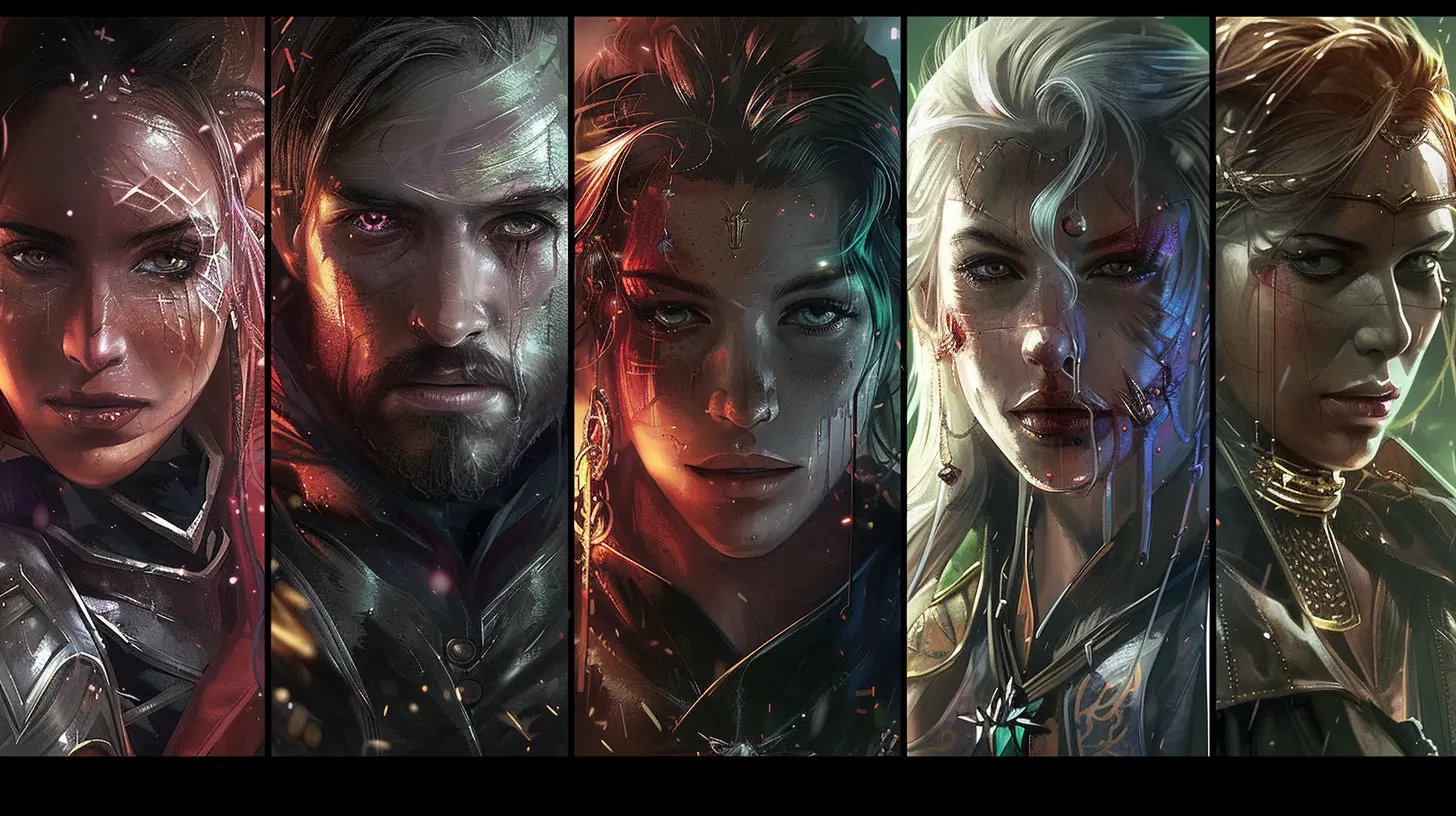
What Is Character Relatability?
Before we get too far ahead, let’s define what we’re dealing with. Character relatability, in simple terms, is how much you see yourself in a character—or how much you feel connected to them. It’s that moment when you think, “Wow, I 100% know where this guy’s coming from,” or, “Ugh, same.”Relatability isn’t about making every character perfect or universally liked. Actually, it’s often the opposite. Relatable characters are flawed, complex, and human (even if they’re technically an alien or a walking skeleton).
In RPGs, where players spend dozens (or hundreds) of hours with their party or protagonist, relatability becomes a cornerstone for emotional engagement. Ever cried over a party member’s tragic death? Or actually cared about a side quest because the character’s story tugged at your heartstrings? That’s the magic of relatability at work.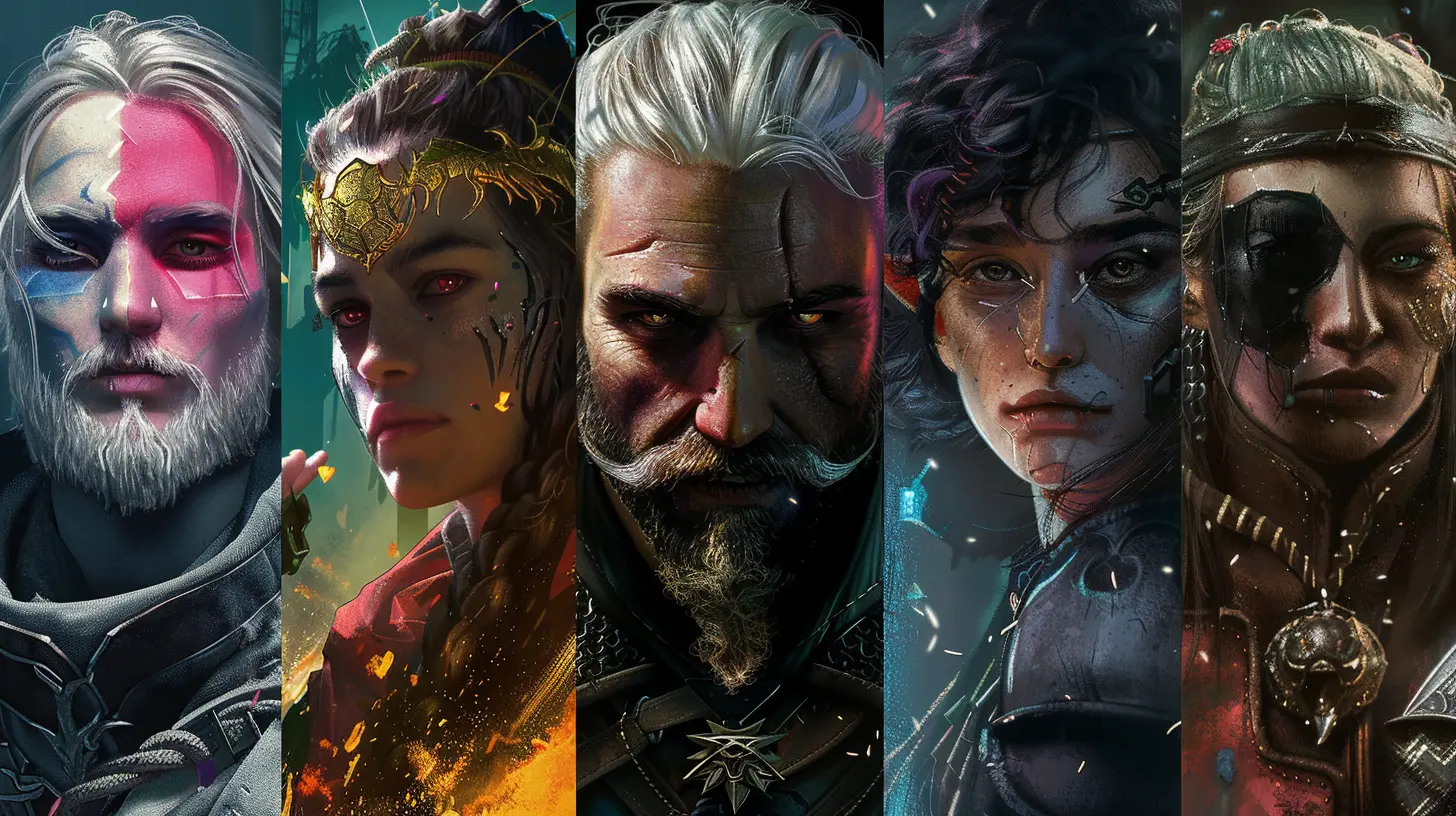
Why Does Relatability Matter in RPGs?
1. Emotional Investment
If you don’t care about your character or their story, what’s the point? No one wants to spend 50+ hours in a campaign feeling like they’re babysitting a bunch of cardboard cutouts. Relatable characters make us feel invested—like we’re part of their journey.Think about it: Would The Witcher 3 be the same without Geralt's constant struggle to balance his emotions and duty? Or could you imagine Mass Effect’s Commander Shepard sticking in your brain if they didn’t wrestle with moral choices that felt all too human?
2. Deeper Immersion
Relatable characters make the world feel alive. When you connect with someone in the game, it’s easier to lose yourself in the story. Suddenly, it’s not just a game—it’s your story. And that’s what RPGs do best. They take us beyond just “playing” and into “living” the experience.When a character feels like someone you might actually know (or sometimes be), the entire game gets that much more absorbing.
3. Replayability
Here’s a plot twist for you: relatable characters can actually make you want to play a game all over again. Why? Because seeing their growth feels like witnessing a close friend’s journey. You might want to revisit their story just to relive those moments—or even make different choices to explore new sides of their personality.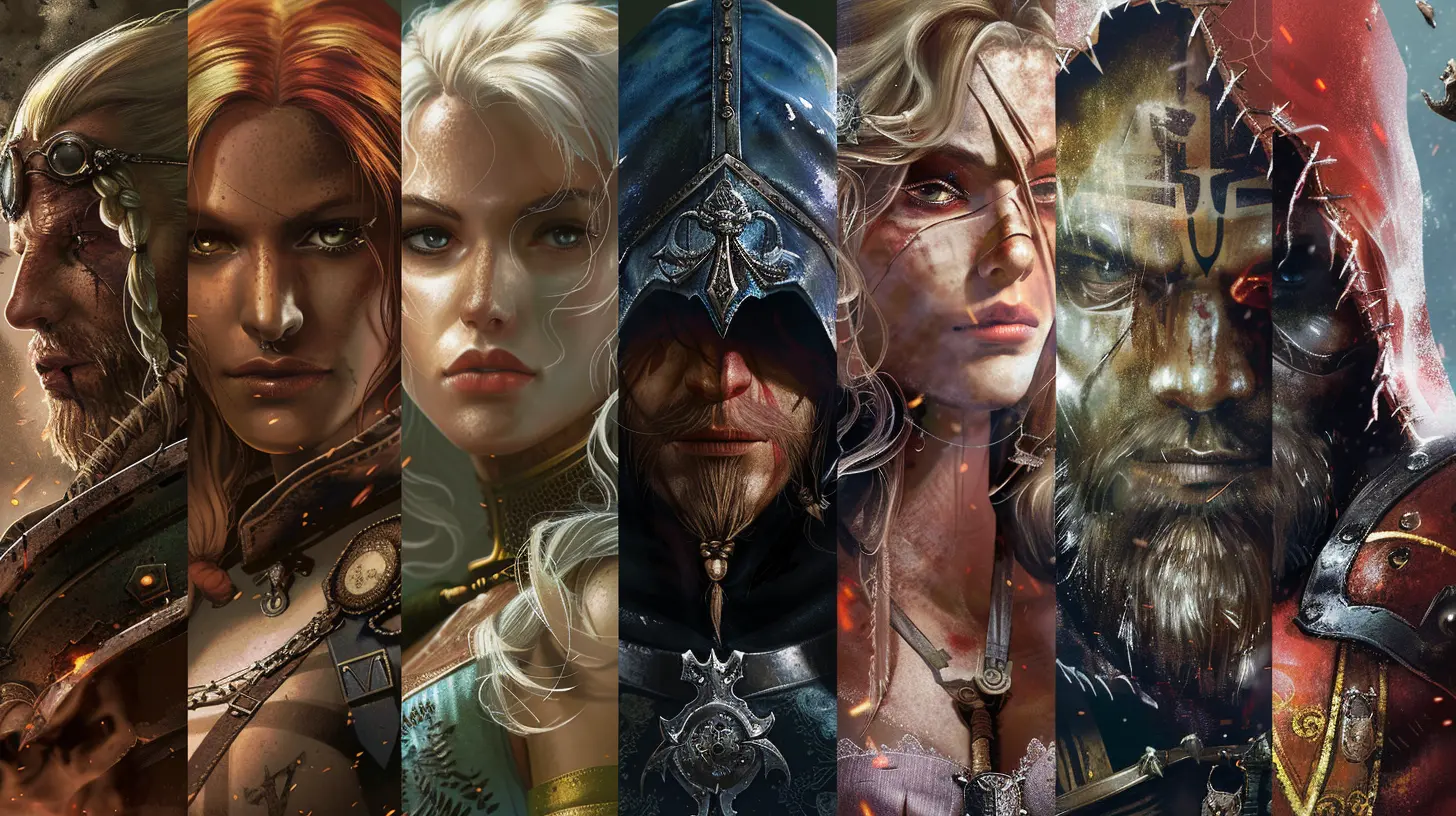
How Do Game Developers Create Relatable Characters?
Creating relatable characters isn’t as simple as slapping a sob story on a random NPC and calling it a day. Developers have to mix art, psychology, and storytelling to craft characters that resonate. Here’s how they pull it off:1. Give Them Flaws
Let’s face it: Nobody likes a perfect character. They’re boring, unrealistic, and hard to connect with. Instead, relatable characters have quirks, insecurities, and struggles. Maybe they doubt themselves. Maybe they’re impulsive. Maybe they’re socially awkward to the point of cringe (looking at you, Gale from Baldur’s Gate 3).Flaws make characters feel human. And when we see our own imperfections reflected in them, we can’t help but feel a little more connected.
2. Backstory is King
Want a quick way to add depth? Give a character a strong backstory. It doesn’t have to be tragic (though tragic backstories do work wonders), but it does need to explain why a character is the way they are.Take Tifa Lockhart from Final Fantasy VII, for example. Her quiet strength and loyalty to Cloud make sense when you consider her backstory of loss, survival, and unspoken love.
3. Dynamic Growth
Static characters are the equivalent of stale bread. Relatable ones, on the other hand, evolve throughout the game. Maybe they start as a coward but grow into a leader. Maybe they learn to overcome their guilt. Whatever the case, change makes them feel alive.One great example of this is Arthur Morgan in Red Dead Redemption 2. His transformation throughout the game isn’t just compelling—it’s heartbreakingly real.
4. Relatable Goals and Motivations
At their core, the best characters want the same things we do: love, acceptance, survival, or even revenge. Their goals, even if wrapped in fantasy or sci-fi elements, should mirror what we deal with in our own lives. You may not have to slay a dragon, but you probably understand what it’s like to fight for something that matters to you.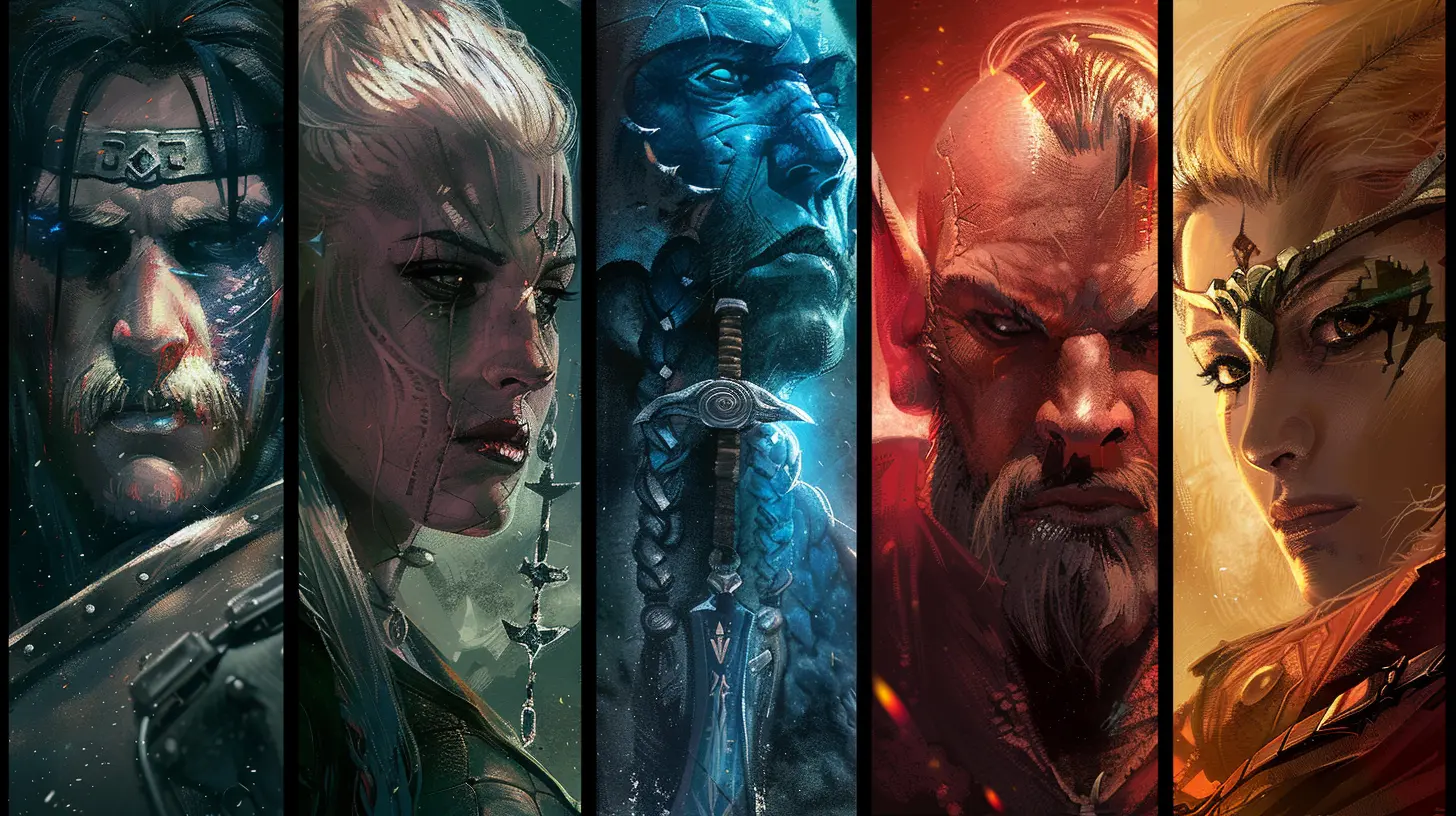
The Role of Dialogue in Character Relatability
Let’s be real—dialogue can make or break a character. It’s not just about what they say but how they say it. Do they use humor to mask their pain? Are they overly formal because they’re insecure? These subtle touches bring characters to life.Take the iconic Dragon Age series, for instance. Characters like Alistair or Varric feel authentic because their dialogue is rich with personality. Whether it’s a sarcastic quip during battle or a heartfelt confession, the way characters speak makes their emotions hit harder.
Relatability Beyond the Protagonist
You might think all this talk about relatability applies only to the protagonist, but nope—it’s just as important for secondary characters and party members. In fact, side characters often steal the show because they feel so well-rounded.Remember Mordin Solus from Mass Effect 2? He wasn’t the main hero, but his complex mix of humor, guilt, and intellect made him one of the most memorable parts of the game.
When Relatability Misses the Mark
Of course, not every game nails character relatability. Sometimes developers try too hard and end up with someone who feels like a walking cliché. Other times, the lack of care in writing leaves characters feeling generic.Then there’s the dreaded “player avatar” problem. While customizable protagonists can work wonders, an overly blank slate can leave players feeling detached. Striking the right balance between flexibility and personality is crucial.
Why We Crave Relatable Characters
Here’s the thing: games are an escape, but they’re also a mirror. We play RPGs to immerse ourselves in fantasy worlds, but we also want to see bits of ourselves reflected back.Relatable characters help us process our own emotions, challenges, and dreams. They remind us we’re not alone in our struggles, even if those struggles involve fighting dragons or saving the galaxy.
Final Thoughts
At the heart of every great RPG is a cast of characters that feel alive—characters who make you laugh, cry, and occasionally want to throw your controller across the room. The science of character relatability isn’t rocket science (thank goodness); it’s about weaving human truths into fictional lives.So next time you find yourself tearing up over a character’s storyline or staying up late trying to save a digital best friend, remember—it's not just the game. It’s the emotional connection. And that’s the power of relatability in RPGs.
all images in this post were generated using AI tools
Category:
Video Game CharactersAuthor:

Lana Johnson
Discussion
rate this article
2 comments
Ellie Chapman
In the shadows of character design lies a secret: what if their struggles mirror our own? Dive deeper into the unknown.
December 21, 2025 at 3:59 AM
Lana Johnson
Absolutely! Exploring character struggles can create profound connections, making players reflect on their own experiences and emotions. It's the key to immersive storytelling in RPGs.
Knox Soto
What a fascinating read! The insights on character relatability in RPGs really highlight the emotional connections we forge while gaming. It's this depth that transforms gameplay into unforgettable experiences. Thank you for sharing such valuable perspectives!
December 17, 2025 at 5:46 PM
Lana Johnson
Thank you for your kind words! I'm glad you found the insights on character relatability engaging and impactful. Happy gaming!