The Role of Indie Developers on Major Consoles
11 December 2025
You know that buzzing feeling when you stumble across an unexpected gem on your console’s store? A game you’ve never heard of, made by a tiny team (or maybe just one person), but it ends up blowing your mind? That’s the magic touch of indie developers. They aren’t just influencing gaming—they’re reshaping it. Especially when it comes to major consoles like the PlayStation, Xbox, and Nintendo Switch.
So let's dive headfirst into how these underdog creators are not just carving out a space—they’re redefining what gaming can be on the biggest stages.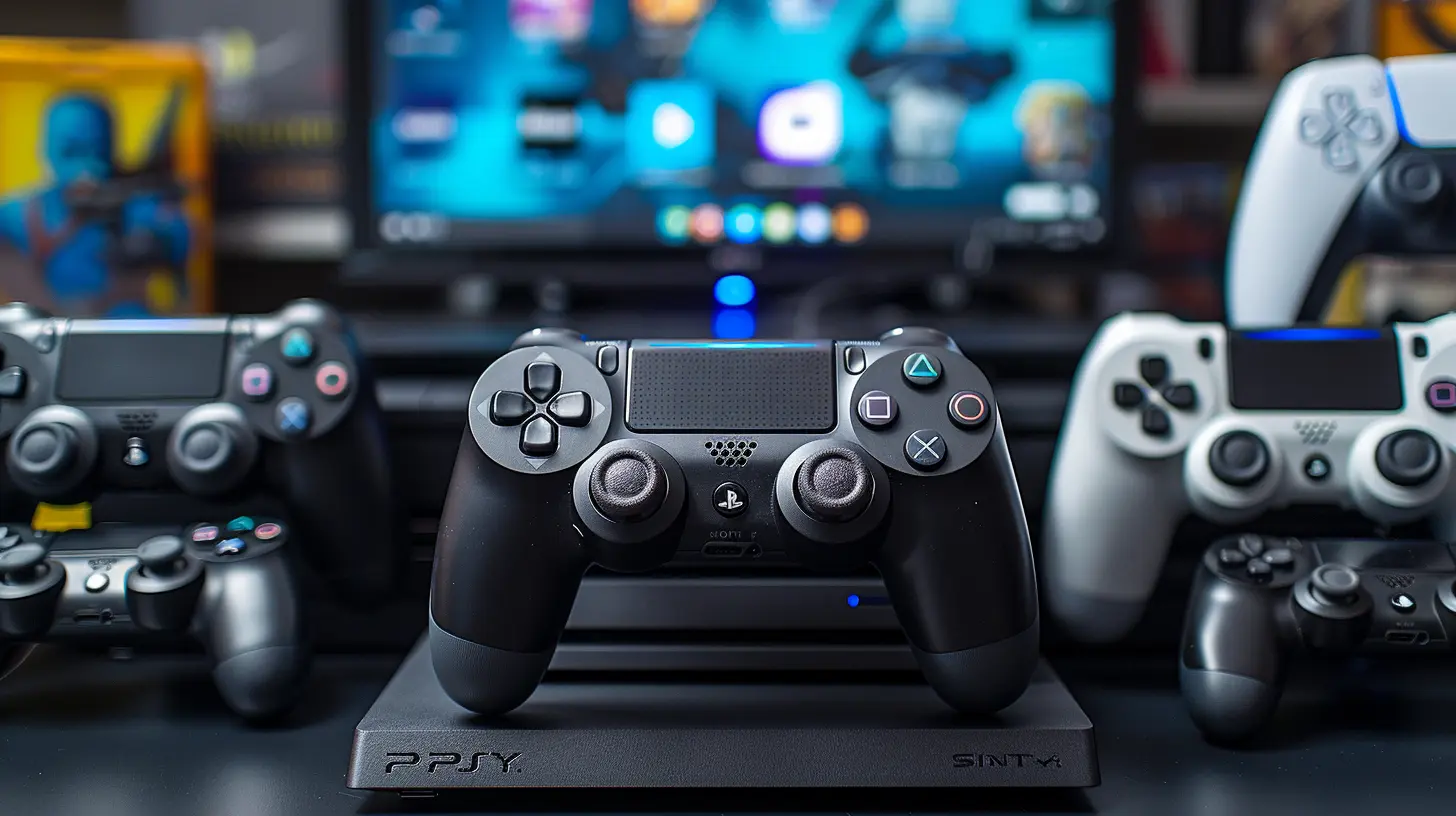
Indie Games: Not Just PC Darlings Anymore
Historically, indie games found their footing on PC platforms like Steam. Why? Simply put, fewer barriers. Developers didn’t need massive budgets or approval from gatekeepers. But as consoles evolved (and players demanded more variety), the doors opened wide for indie creators to walk right in.Suddenly, Microsoft, Sony, and Nintendo weren’t just allowing indie games—they were actively courting them.

Why Console Giants Love Indie Developers
You might think that big game companies would focus only on blockbuster titles. You know, those multimillion-dollar productions with over-the-top graphics and cinematic cutscenes. But here’s the twist: indie developers offer something those AAA titles often can't—risk-taking creativity.Let’s break it down.
1. Fresh, Risky Ideas
Most large publishers tend to play it safe. There's too much cash on the line to gamble. But indies? They thrive on risk. Think of games like Celeste, Hades, or Stardew Valley. These weren’t born from corporate boardrooms—they were love letters to gameplay, storytelling, and innovation.For console makers wanting to keep their offerings diverse and fresh, indie games are the perfect spice.
2. Faster Development Cycles
Big games can take 4–6 years (sometimes more!) to make. Indies usually have tighter cycles, often releasing within just a couple of years—or less. This means consoles can keep their libraries continuously updated with new content.3. Passion Over Profit
Okay, not to say indie devs don’t want to make money (they totally do), but their core drive? It’s usually about passion, creativity, and putting something truly unique into the world. That raw energy resonates with players—and console makers have noticed.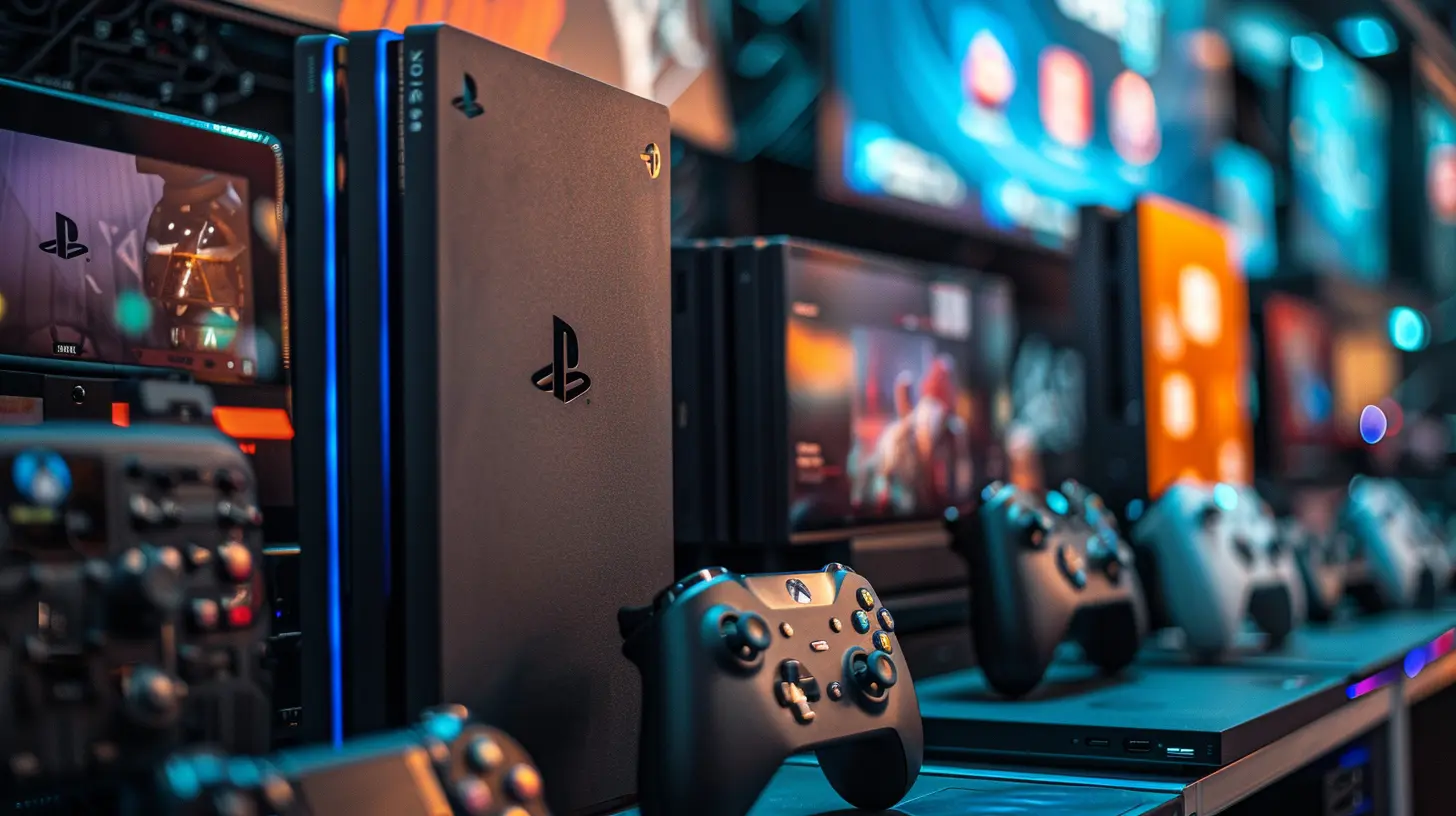
Nintendo: A Playground for Indie Greatness
Let’s talk Nintendo. The Switch, since day one, has been a haven for indie games. Nintendo even coined the term “Nindies” to showcase how serious they were about this partnership.Why does the Switch work so well for indies?
- Portability – Smaller games, often with retro-inspired graphics, feel right at home on the go.
- Controls – Many indie titles don’t need complicated control schemes. The Joy-Cons are a perfect fit.
- Audience – Switch players love quirky, creative, and heartfelt games. It’s like indie titles have a built-in fanbase.
Games like Hollow Knight, Undertale, and Slay the Spire absolutely thrived on the platform. Heck, many players discovered these titles exclusively through the Switch!
PlayStation: From Resistance to Embrace
Sony’s relationship with indie developers has had its ups and downs. Early in the PS4’s life, they were incredibly supportive—shouting out indie games in showreels, spotlighting them on the PlayStation Store, and even giving away indie hits with PlayStation Plus.But things cooled off a bit as the PS5 era began. Developers voiced concerns about visibility and the difficulties of marketing on Sony’s platform. Thankfully, that feedback lit a fire under Sony, and they’ve since made strides to re-engage the indie scene.
Sony’s PlayStation Indies program has been working hard to recapture the magic, offering better support and visibility. And honestly, games like Kena: Bridge of Spirits and Sifu prove that indie games can look and feel as polished as any AAA title.
Xbox: The Comeback Kid for Indies
Let’s not ignore Xbox. They’ve been making major moves to support indie developers in powerful ways.Game Pass: A Game-Changer
If there’s one thing Xbox nailed, it's Game Pass. This subscription model opens doors for small studios. Instead of fighting for attention in a crowded store, indie games get featured, promoted, and plopped right into your download queue.For example:
- Tunic made a huge splash thanks to Game Pass.
- Death’s Door found a massive audience almost overnight.
- The Artful Escape got the stage presence it deserved.
Game Pass levels the playing field, letting indies share shelf space (digitally speaking) with blockbuster giants.
[email optimized]ID@Xbox
Microsoft’s ID@Xbox initiative is a direct support system for indie developers. It helps with:- Free dev kits
- Easy access to publishing tools
- Revenue sharing that’s fair
In short: Xbox is all-in on indies, and it shows.
Indie Developers: The Secret Sauce of Console Libraries
Ever notice how consoles don’t just tout exclusives like Halo or Spider-Man anymore? They also spotlight clever little experiences that stick with you long after the credits roll.Indie games often:
- Take creative risks that inspire future AAA development
- Fill in the genre gaps (like pixel RPGs, rogue-likes, and narrative-driven nuggets)
- Become sleeper hits that drive word-of-mouth buzz
In fact, some console players pick a platform specifically based on indie support.
From the Basement to the Big Leagues
Indie success on consoles isn't just luck—it's a grind. But resources are improving.Tools Are More Accessible
Engines like Unity and Unreal have leveled the playing field. A solo dev today can build games that look and feel top-tier. Platforms like itch.io or even Kickstarter help validate and fund passion projects before they land on consoles.Digital Storefronts Rule
Gone are the days of needing shelf space at GameStop. Now, visibility is digital—and that’s great news for indie devs. A well-timed feature on the console’s main store page can change a studio’s future.Challenges Indie Devs Still Face
Let’s not sugarcoat it—being an indie dev isn’t all rainbows and rave reviews.- Marketing is hard. Without a big studio’s backing, how do you stand out?
- Discoverability is a major hurdle. Thousands of games release every year.
- Funding is always tight. While some devs hit it big, most scrape by.
But despite all of it, indie developers keep pushing boundaries. They’re the heart and soul of gaming’s evolution.
The Future of Indie Games on Consoles
So, what’s next? It's only getting better.- More day-one indie releases on big platforms
- Cross-console releases to reach max audiences
- Cloud gaming will make accessibility even smoother
Console makers know players crave unique experiences. And that’s exactly what indie developers bring to the table—originality, heart, and pure gaming soul.
Final Thoughts: Why We Should All Appreciate the Indie Invasion
Big-budget games may dominate the headlines, but it’s the indie titles that surprise us, innovate for us, and often move us in ways we never expected. Whether you’re exploring a hand-drawn fantasy world, solving puzzles in a pastel-hued town, or getting lost in a heartfelt narrative—you’ve likely got indie devs to thank.So next time you boot up your favorite console and scroll through the latest releases, give that little unknown game a shot. You might just find your next all-time favorite.
After all, in the vast universe of gaming, sometimes the brightest stars come from the smallest studios.
all images in this post were generated using AI tools
Category:
Gaming ConsolesAuthor:

Lana Johnson
Discussion
rate this article
2 comments
Callisto Luna
Indie developers are the heartbeat of innovation in the gaming world. Their creativity and passion breathe new life into major consoles, offering unique experiences that challenge the status quo. Supporting indie games not only enriches gaming culture but also empowers artists to share their visions with us all.
December 20, 2025 at 5:42 PM
Lana Johnson
Thank you for your insightful comment! I completely agree that indie developers bring vital innovation and diversity to the gaming landscape, enriching our experiences and pushing the boundaries of creativity. Their contributions truly shape the future of gaming.
April Lopez
Indie developers on major consoles are like the surprise topping on a pizza—unexpected, but oh-so-delicious! They bring fresh flavors to the gaming pie, proving that while AAA games are the pepperoni, indies are the quirky pineapple we never knew we needed!
December 19, 2025 at 3:41 AM
Lana Johnson
Thank you! That’s a fantastic analogy! Indie developers truly do add unique and delightful flavors to the gaming landscape.