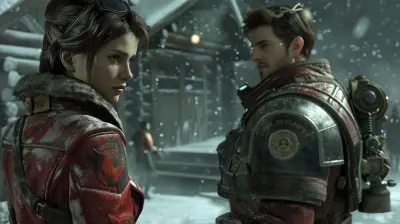
The Power of Subtle Animations: Making In-Game Characters Feel Real
4 March 2026
When you think of a powerful game moment, what comes to mind? Maybe it’s a boss battle, a jaw-dropping cinematic, or an epic plot twist. But what if I told you that one of the most magical, immersive tricks in gaming isn’t that obvious at all? Yup, I’m talking about subtle animations—tiny, often overlooked details that breathe life into virtual characters more than flashy effects ever could.
Let’s dive deep into how those gentle twitches, soft blinks, and idle motions make in-game characters feel like real, living, breathing beings. Trust me, once you see it, you can’t unsee it.
What Are Subtle Animations, Anyway?
Before we get too ahead of ourselves, let’s define the basics. Subtle animations are the small, nuanced movements that characters make outside of the core gameplay. They’re not the dramatic sword swings or death-defying jumps. Nope—these are the blinks, slight head tilts, shifting of body weight, lip bites, and even characters looking around curiously when left idle.These animations might not scream “Look at me!”, but they whisper authenticity—and that’s even more powerful.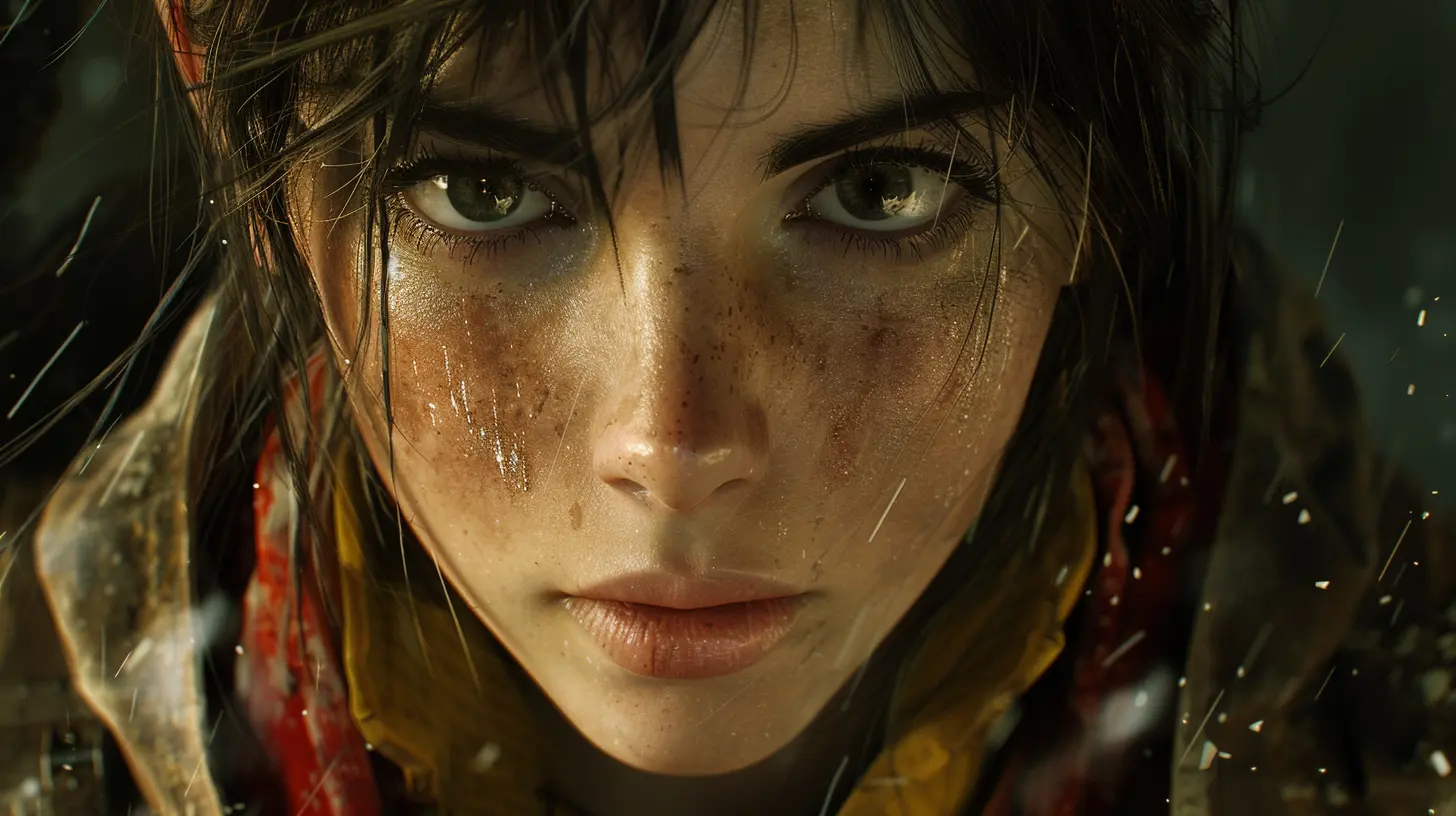
Why Do Subtle Animations Matter?
You might be wondering, "Why put so much effort into such tiny things?" It’s a fair question, but here's the deal: humans are extremely perceptive. We pick up on the smallest details, especially when it comes to body language. Subtle animations tap into that.Think of it this way. Imagine talking to someone who stands stiff like a statue, never blinking or moving. Creepy, right? Now, think of your favorite game character. Chances are they do a lot more than just run, shoot, or speak. They fidget, sigh, stretch, recoil in surprise—even when no one’s really watching.
Those animations add soul.
The Magic Behind Idle Animations
One of the most common—and effective—forms of subtle animation is the idle animation. You leave your character standing still for a few seconds, and suddenly, they shift their weight, crack their knuckles, or look around like they’re bored. It’s like they’re saying, “Hey, I’m still here.”This mechanic doesn’t just fill dead air. It makes the character feel self-aware, like they’re existing independently of the player’s input. That right there? Pure immersion.
Classic Examples of Idle Brilliance
- Sonic the Hedgehog: Leave him standing too long, and he taps his foot impatiently.- Nathan Drake (Uncharted): He adjusts his holster, stretches, or wipes sweat from his brow.
- Geralt of Rivia (The Witcher 3): Pauses to look around, brushes his armor, sighs—all making you feel like he's really there.
These aren’t just cute details. They reinforce personality and hint at deeper character traits without a single word.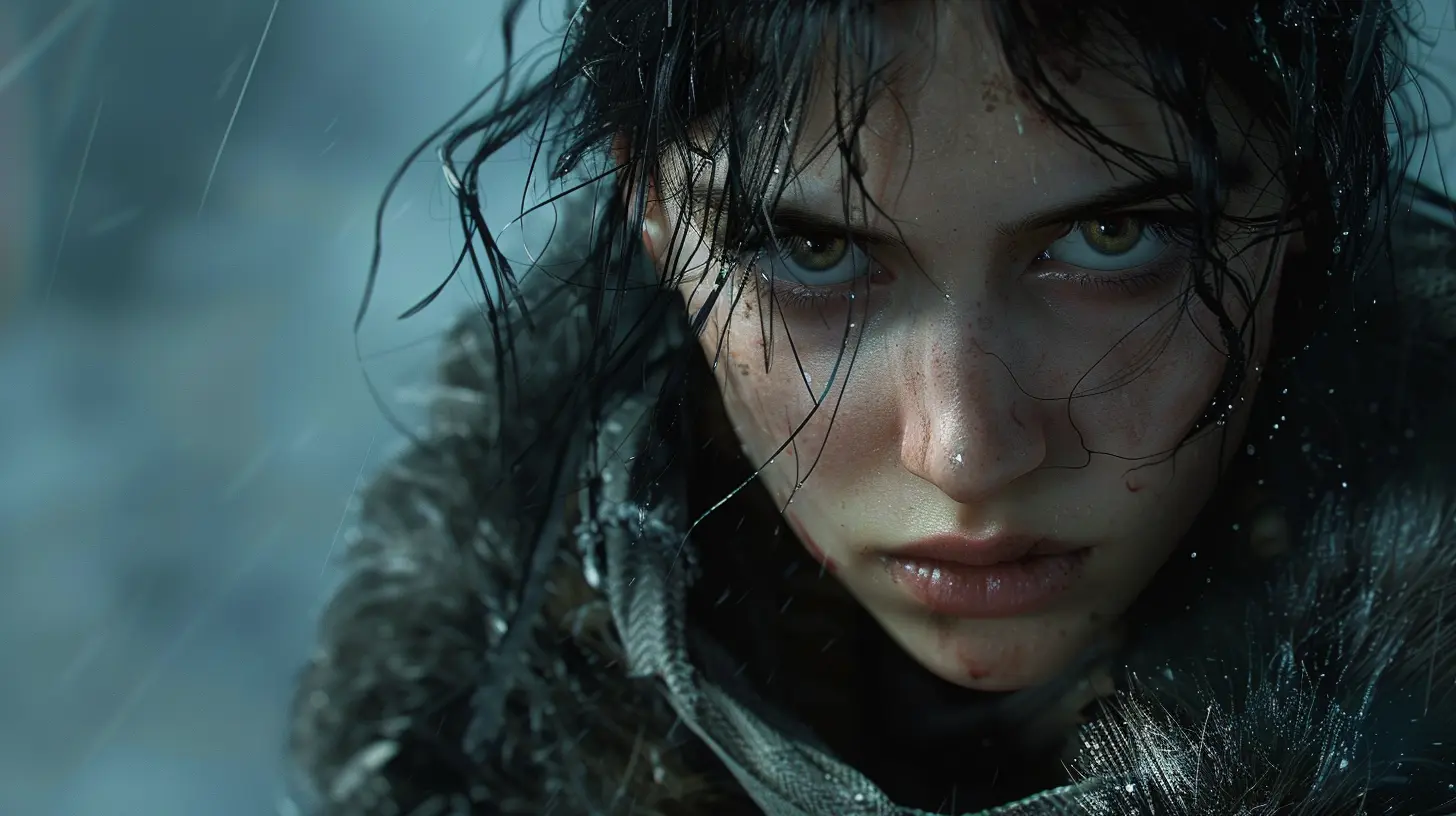
The Psychology of Movement: Tapping Into Human Emotion
Our brains are hardwired to recognize patterns in motion. That’s why we can instantly tell if someone’s nervous, confident, or tired just by how they move. Game developers are tapping into this psychology to make characters more relatable.A character who fidgets, glances around nervously, or shuffles their feet tells you a lot without opening their mouth. It’s body language 101, and it works just as well in the digital world as it does in real life.
This emotional mirroring—where we subconsciously react to what we see—is part of what makes well-animated characters so engaging. You don’t just see them. You feel them.
Facial Animations: The True Game Changer
Facial animations have come a long way. We’ve moved from robotic expressions to near-photorealistic emotion. When combined with subtle movements, a character’s face becomes a window into their soul—no exaggeration.Micro-Expressions Speak Volumes
The lift of an eyebrow, the twitch of a lip, the narrowing of eyes—all these micro-expressions bring realism to a character. When done right, they’re more powerful than voice acting alone.Take Ellie from The Last of Us Part II, for example. Her expressions convey pain, joy, fear, and disgust with such finesse that you sometimes don’t even need the dialogue.
Subtle Animations in Combat: The Unspoken Edge
It’s not just about looking real when standing still or chatting in cutscenes. Subtle animations shine in the heat of combat too.Take dodging as an example. When a character narrowly avoids a hit, and they follow up with a shaky breath or a momentary stagger, it sells the danger. You feel like they actually survived something.
Even something as small as a pre-swing weight shift before an attack can make combat feel weightier and more grounded. It’s like the difference between watching a ballet and a bar fight—timing and tension make all the difference.
The Role of Contextual Animations
Contextual animations are where subtlety meets intelligence. These are animations that react to the environment or the current situation.Picture this: Your character walks past a fire and raises their arm to shield their face. Or brushes snow off their clothes during a blizzard. Or ducks slightly when running under a low-hanging branch. That’s context-aware animation, and it makes the world feel interactive, responsive, alive.
These animations are gold for immersion. They show the character understands and interacts with the world around them—which tricks our brain into thinking they're not just pixels on a screen.
Behind the Curtain: Technology Makes It Possible
Of course, creating these moments isn’t magic—it’s tech. Animators use motion capture, procedural animation, and AI-driven techniques to bring characters to life. But what really does the trick is intentional design.Developers now prioritize subtle animations in the animation pipeline. They don’t just animate actions—they animate reactions. That’s a game-changer.
When Subtle Animations Go Wrong
Let’s be real—it’s not always sunshine and butterflies. Bad subtle animations can be worse than none at all. Think awkward blinking, stiff lip-syncing, or repetitive idle gestures. It pulls you out of the game faster than a game-breaking glitch.Inconsistencies can also be a problem. If a character wipes their brow in the middle of a snowstorm, your immersion is gone. Subtlety needs to be smart, intentional, and consistent.
How Subtle Animations Boost Storytelling
Great animations don’t just support narrative—they become part of it. Subtle body language can foreshadow character development or reveal hidden motives.A character who constantly looks over their shoulder might have a secret. Someone who slouches more as the story progresses might be dealing with emotional baggage. These cues deepen storytelling without adding a single line of dialogue.
It's the show-don't-tell philosophy executed through animation, and it's brilliant.
Why It Matters for Indie Devs Too
You might think only AAA studios have the resources to dive into this level of detail. But even small indie titles can benefit from thoughtful, subtle animations.Games like Hollow Knight, Celeste, or Undertale use expressive animations—sometimes with nothing more than pixel art—to create characters that feel alive. It's not always about photorealism; it's about intent and execution.
How Players React to Realistic Characters
When players connect to a character, it’s not always because they’re a badass. It’s because they believe in them. Subtle animations create that belief.They make your brain go, “Yeah, this feels right.” That connection keeps players coming back for more, investing emotionally, even shedding a tear or two when a beloved character suffers (or worse...).
That’s the power of subtlety.
The Future: Where Do We Go From Here?
The future of character animation looks incredible. With machine learning, real-time motion capture, and adaptive AI, characters are only going to get more nuanced.Imagine NPCs that look at you differently based on your reputation. Or companions who visibly relax around you over time. We’re inching closer to characters that not only feel real—but evolve like real people too.
Imagine the possibilities.
Final Thoughts
Subtle animations might not get the spotlight, but they are the unsung heroes of game design. They bridge the gap between code and character, transforming digital figures into creatures we laugh with, cry for, and fight beside.So next time you boot up your favorite game, take a moment to notice those tiny gestures, those lifelike sighs and smirks. Because in those fleeting frames, you’ll find the soul of the character. And that’s not just good animation—that’s storytelling at its finest.
all images in this post were generated using AI tools
Category:
Realism In GamesAuthor:

Lana Johnson
Discussion
rate this article
2 comments
Raleigh McCaffrey
Great article! Subtle animations truly transform characters, adding depth and realism to gameplay. They create emotional connections that elevate the player experience. It's fascinating how such small details can have such a big impact, making every interaction feel more genuine and immersive. Keep up the great work!
March 14, 2026 at 5:20 AM
Lana Johnson
Thank you for your thoughtful comment! I'm glad you enjoyed the article and recognize the importance of subtle animations in enhancing player experience.
Simone McLaurin
Subtle animations are like the seasoning in a great dish—too much and you ruin it, too little and it’s bland. Who knew that watching an NPC scratch their nose could spark more joy than finding a legendary sword? Here’s to the little things that make us laugh and feel! 🎮😂
March 13, 2026 at 4:36 AM
Lana Johnson
Absolutely! Subtle animations add depth and personality, enriching the gaming experience. They truly bring characters to life in delightful ways! 🎮✨