Why Achievements and Trophies Matter More Than Ever
2 January 2026
Gaming has transformed. From pixelated battlegrounds in dusty arcades to immersive open-world realms that feel more real than your Monday morning blues. And with this evolution, one thing has quietly but powerfully taken center stage — achievements and trophies. Whether you're chasing that platinum on PlayStation or unlocking hard-fought Xbox milestones, these little badges carry that magical blend of pride, purpose, and proof.
But why do they matter so much now?
Let’s press start and dive deep into this digital dopamine-fueled rabbit hole.
🎮 The Psychology Behind Achievements
Ever wonder why hearing that familiar "ding!" fills you with joy? That’s not just a sound. It’s your brain doing a happy dance.Achievements and trophies tap into our reward systems. They’re like gold stars for grown-up gamers. Each one releases a sprinkle of dopamine, making us feel accomplished. And let's be honest, don't we all crave that feeling of earning something—even if it’s digital?
They’re more than just shiny icons. They're affirmations. They whisper:
> “Hey, you did something awesome.”
🌍 A Personal Journey Through Digital Worlds
Every trophy tells a story, right?Take a moment. Remember that time you spent hours sneaking through enemy bases, risking it all for that elusive stealth-related trophy? Or the time you played on Nightmare Mode just to unlock an achievement… and questioned every life choice?
These aren’t mere stats. They're your gaming memoirs. Your digital war scars. They add layers to your journey. You didn’t just beat the game—you conquered it.
🏆 Motivation Fuel: Turning Players Into Completionists
Let’s face it. Without achievements, many of us would’ve dropped that 100-hour RPG around hour 20.Achievements are like breadcrumbs in a forest. They keep us going. They push us to:
- Try different styles of play.
- Explore hidden parts of a map.
- Master mechanics we might’ve ignored.
Ever chased a trophy and ended up falling in love with a side quest you’d never noticed before? Yeah, that’s the point. They guide, not just reward.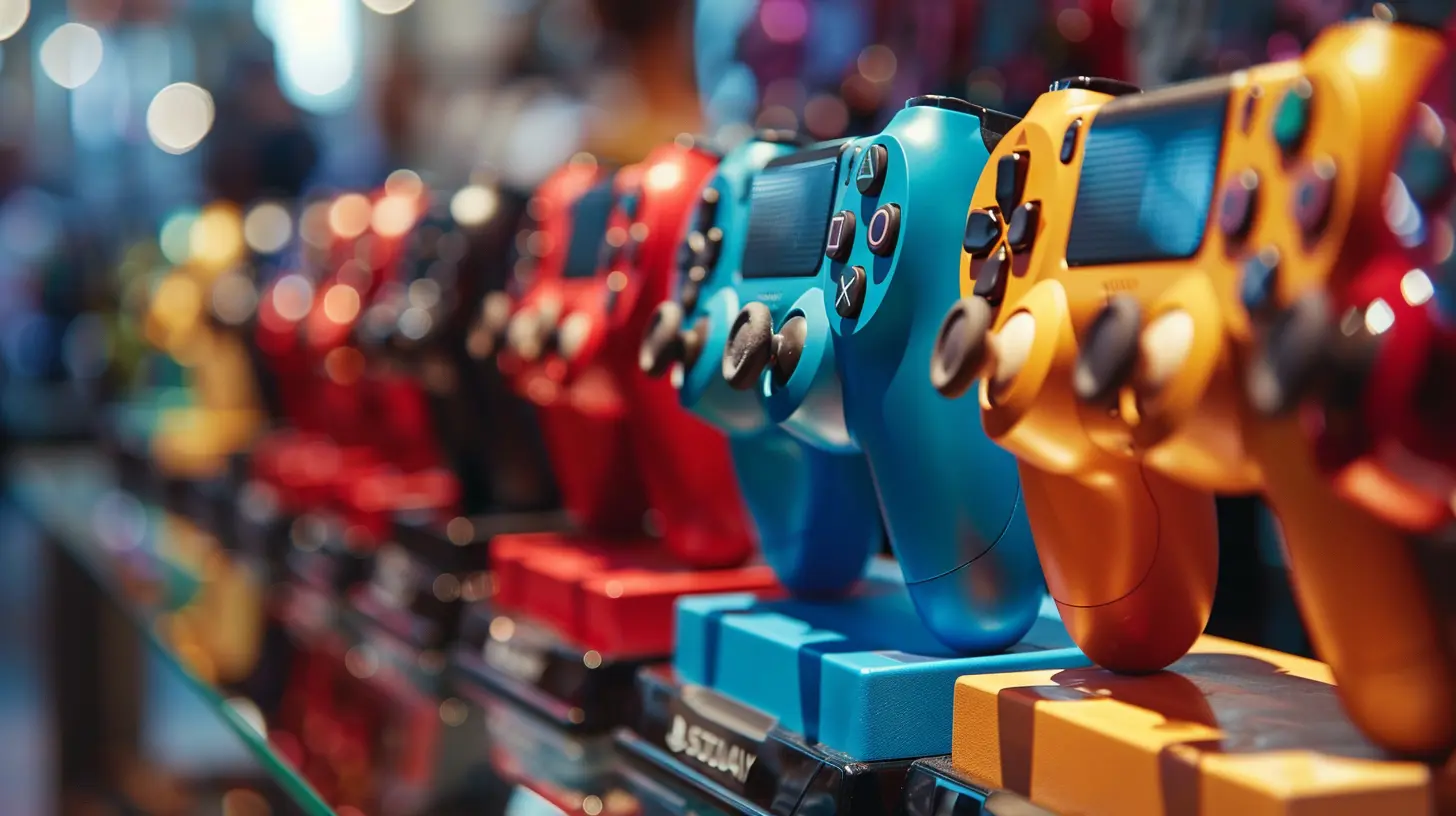
🚀 Community, Bragging Rights, and Friendly Flexing
There’s something about comparing trophy lists that just hits different.Whether it's showing off your platinum God of War trophy or laughing at that one ridiculous achievement from a meme game, achievements build community and conversation.
You flex your shiny badges. Friends notice. Discussions happen.
> “Wait, you actually got that?!”
> “Yeah, it took me three all-nighters, but totally worth it!”
It’s digital street cred. Simple as that.
📊 The Stats Speak Too
In an age of data and dashboards, achievements offer measurable proof of your dedication.It’s not enough to say “I beat Elden Ring.” You show the trophies. You bring receipts.
Games like Steam literally tell you how rare your achievements are. That 0.5% unlocked? That's not just rare. That’s legendary. And you, my friend, are part of an elite club.
🎯 Devs Love Trophies, Too
It’s not just about players. Game developers are all in on the achievement train.Why? Because achievements are powerful design tools.
They can:
- Guide players through tutorials.
- Encourage exploration.
- Add replay value.
Crafting trophies is an art. Good achievements feel satisfying and fair. Great ones tell a story. The best ones—well, they change how you see the game.
🔄 Infinite Replayability: The Trophy Effect
Games without achievements? Still fun. Games with achievements? Infinitely more engaging.You beat it once? Cool. Now do it without dying. Or with only melee. Or while wearing a chicken costume.
Trophies give games legs. You come back not just for more story, but for the rush of ticking off that next box.
It’s like gaming’s version of “just one more episode.” Except instead of Netflix, you’re deep in Skyrim trying to marry a random NPC for a gold trophy.
🧠 The Power of Purpose in Play
Let’s be real: life’s chaotic. Sometimes, gaming is our escape. And when real-life goals feel blurry, virtual goals give us clarity.Achievements offer micro-wins. Tiny doses of progress in a world that can feel overwhelming.
Even when the world around us is on fire, it's comforting to know we can:
- Collect 100 feathers.
- Defeat 1,000 zombies.
- Solve a puzzle under 30 seconds.
It all matters. Because it makes us feel productive, even when we're just chilling on the couch.
📱 Achievements in the Mobile Gaming Boom
Yup, mobile games have entered the achievement arena too.From Candy Crush to Genshin Impact, mobile titles have discovered the magic in micro-goals. And guess what? It works just as well. Maybe even better with bite-sized gaming sessions.
You’re waiting for your coffee? Boom! Unlock an achievement. That’s five minutes of your day now sprinkled with accomplishment.
🎖️ Gamification Beyond Gaming
Here’s where it gets really interesting.Achievements have exploded beyond games. Apps, workouts, study platforms, even toothbrushes reward you with virtual badges now. Why?
Because they work.
Achievements make the mundane magical. They turn routines into challenges. They nudge us to keep going. Just like in games.
So next time Duolingo gives you a badge for a 30-day streak, thank your favorite game dev from the early 2000s.
🤔 Are They Always Worth It?
Okay, let’s address the other side.Not all achievements are created equal. Some are grindy. Some feel like chores. And yes, some are downright broken or bugged. #GamerProblems
But here’s the beauty.
You don’t have to chase them all.
That’s the secret sauce. You choose your battles. Whether you’re a casual dabber or a hardcore completer, achievements bend to your will. Not the other way around.
🧩 Trophies as Identity Markers
Think about your PSN or Xbox profile for a sec. What does your trophy list say about you?Are you a stealth master? A horror lover? A speed demon?
Your achievements are like a gamer’s resume—a living, breathing portfolio of passion, persistence, and play.
It’s more than numbers. It’s a mirror reflecting how you play and what you love.
👥 Bringing Generations Together
There’s something wonderfully universal about trophies.Your younger sibling, your best friend, your dad who only plays one game a year—they all get that little rush from unlocking an achievement.
It’s a shared language. Across generations, genres, and platforms.
In a fractured online world, trophies build bridges. Because no matter who you are, that platinum trophy still feels like a crown.
🧠 Mental Health and the Joy of Completing
Let’s not underestimate the mental health side of this.Achievements can be a light during dark times. When life feels out of control, platinuming a game gives a sense of accomplishment. It becomes therapeutic.
It’s not just pixel-chasing. It’s healing. It's structure. It’s joy in small victories.
And right now? That matters more than ever.
🧬 The Future of Achievements
Where do we go from here?Expect smarter systems. AI-driven challenges. Personalized trophies based on how you play. Maybe even achievements tied to real-world events or causes. (Imagine planting a tree IRL for getting a nature-themed trophy!)
The future’s bright. And rewarding.
🎇 Final Thoughts: More Than Just a Sound Effect
Achievements and trophies have become stitched into the very soul of gaming. They’re not just optional extras anymore. They’re personal milestones, emotional triggers, and community builders.They represent:
- Effort.
- Exploration.
- Emotion.
They matter now more than ever because we, as gamers, crave meaning. And in a world spinning fast, a little pop-up trophy reminding you of your progress is sometimes the validation we didn’t know we needed.
So next time your controller buzzes and a trophy appears on screen?
Smile.
You've earned it.
all images in this post were generated using AI tools
Category:
Game CultureAuthor:

Lana Johnson
Discussion
rate this article
2 comments
Rachel Vance
Great insights! Achievements and trophies enhance player engagement and foster a sense of community. They not only provide motivation but also celebrate individual progress, making the gaming experience more rewarding. Looking forward to seeing how they evolve in future titles!
January 11, 2026 at 3:57 AM
Lana Johnson
Thank you! I completely agree—achievements and trophies play a crucial role in enriching the gaming experience and building community. Excited to see their future evolution as well!
Christa Hughes
Achievements and trophies add meaningful layers to gaming, pushing players to explore beyond the main story. They enhance replayability and foster community, proving that every accomplishment counts in our gaming journeys.
January 6, 2026 at 4:41 PM
Lana Johnson
I completely agree! Achievements and trophies truly enrich the gaming experience, encouraging exploration and community engagement while adding depth to our journeys as players.