How Gaming Podcasts Are Changing Fan Communities
22 June 2026
Let’s be real for a second—gaming isn’t just about leveling up, headshots, or loot boxes anymore. It’s a full-blown culture. And like any culture worth its salt, it grows, shifts, and evolves. One of the coolest and most underappreciated evolutions we’ve seen lately? Gaming podcasts.
Yeah, podcasts. Those audio gems you listen to while doing dishes, walking your dog, or pretending to work. They’re taking the gaming world by storm—and they're not just filling the silence, they’re completely transforming how fan communities come together.
So grab your headset and your favorite drink because we’re diving into how gaming podcasts are reshaping the landscape of game fandoms across the globe.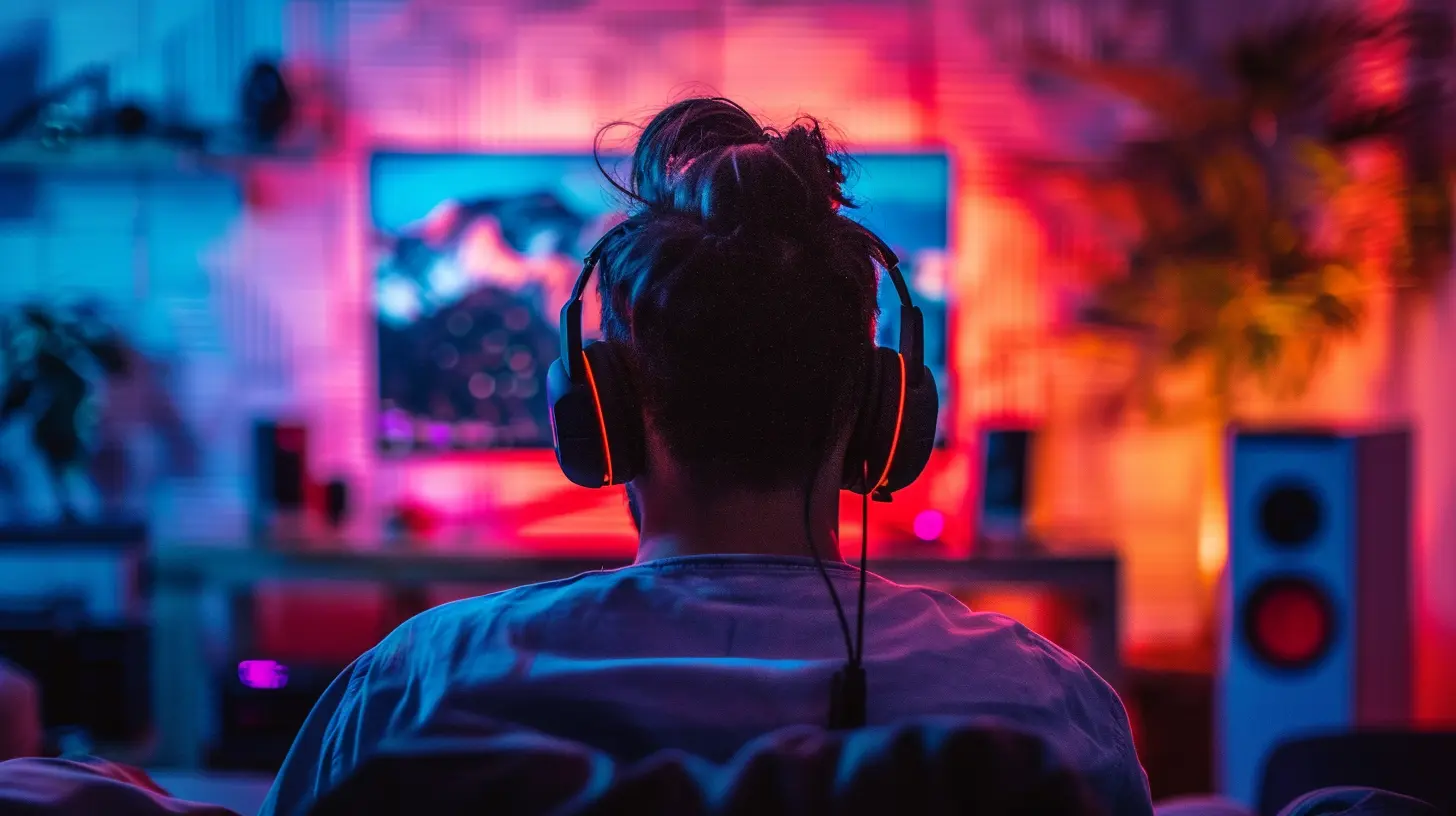
What Even Is a Gaming Podcast, Anyway?
Let’s break it down. A gaming podcast is exactly what it sounds like: a show—audio-based (sometimes with a video counterpart)—where people talk about, well, games. They can cover news, review games, interview developers, discuss game theory, joke around, or even dive into eSports drama.You’ve probably heard of some big hitters like "Kinda Funny Games Daily,” “Spawn On Me,” or “The Giant Bombcast.” But even indie podcasters are bringing serious noise to the table.
The beauty? They’re everywhere. Spotify, YouTube, Apple Podcasts—wherever you listen, they’re there.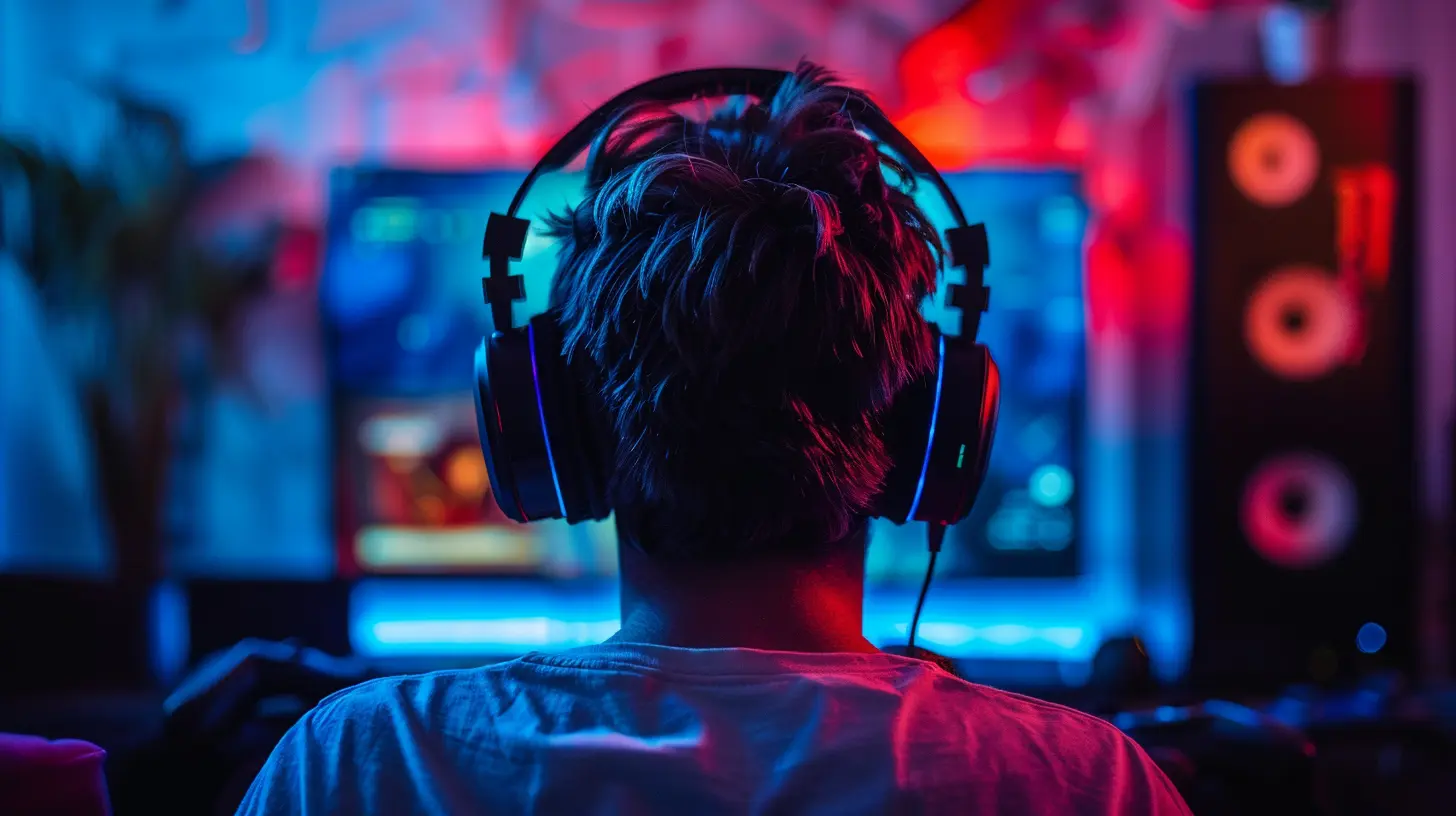
Gaming Podcasts: The New Digital Campfires ?
Back in the day, fan communities gathered around forums, Reddit threads, LAN parties (remember those?), and YouTube comment sections. And while that’s still happening, podcasts have given fans something a little more... personal.Ever had a favorite podcaster whose voice starts to feel like an old friend? That’s the magic.
Gaming podcasts are creating these digital campfires—spaces where fans gather to absorb stories, opinions, and laughs. They’re building tribes based on passion, nostalgia, and shared gaming experiences.
It’s Not Just Talk, It’s Connection
Think about it. Listening to a podcast is way more intimate than reading a blog or watching a flashy video. You can hear the excitement in someone’s voice when they talk about their favorite RPG, or the frustration when a game launch goes horribly wrong (looking at you, Cyberpunk 2077 ?).This emotional connection makes listeners feel like they're part of a tight-knit squad. And when fans feel like they belong? That’s community gold.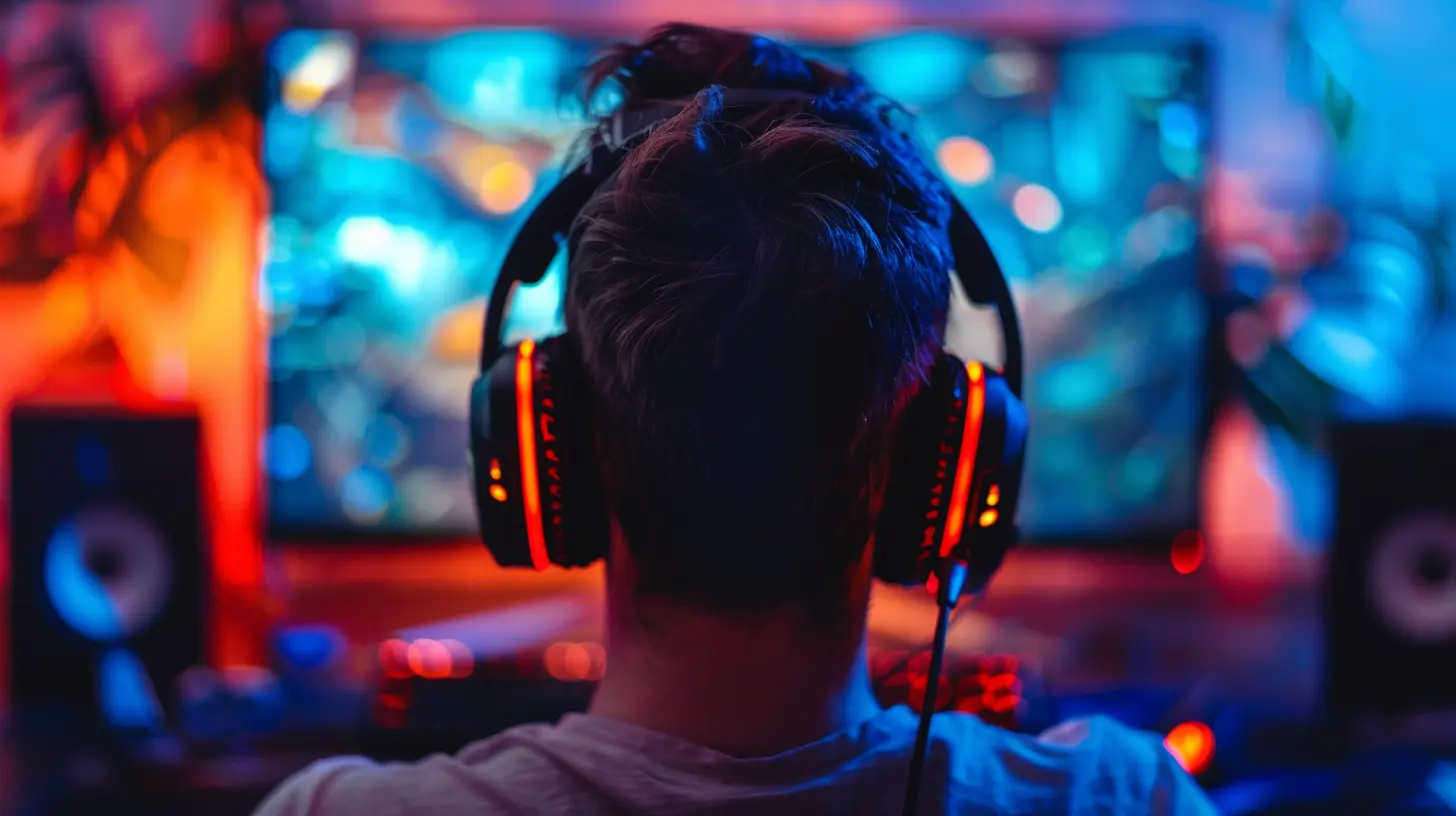
How Podcasts Build and Strengthen Gaming Communities
You might be wondering—sure, podcasts are fun, but how are they actually changing fan communities?Let’s break it down.
1. Creating Space for Every Type of Gamer
Podcasts have a knack for finding niches. Whether you're a hardcore Soulsborne maniac or a cozy gamer who just wants to talk about "Animal Crossing" turnip prices, there’s a podcast for you.This variety makes it easy for fans to find their people. Communities are no longer one-size-fits-all. They’re hyper-specific, inclusive, and welcoming.
It’s like having your own little gaming club—but you don’t even have to leave your room.
2. Real-Time, Evolving Conversations
One of the best parts of podcasts is that they’re ongoing. Weekly drops, bonus episodes, live shows—they keep the conversation alive.When a big game comes out or an announcement hits Twitter X like a bombshell, podcasters are on it. Fans get real-time reactions, hot takes, debates, and sometimes hilarious rants.
This keeps communities buzzing. It gives them new things to talk about, new opinions to consider, and new memes to create. (Seriously, gaming podcasts are meme factories.)
3. Giving a Voice to The Underdogs
Gaming podcasts are also breaking down walls by giving a voice to creators and fans who might not get the spotlight otherwise.Take “Spawn On Me,” for instance—it’s all about highlighting Black voices in the gaming space. Other podcasts center on women gamers, LGBTQ+ gamers, disabled gamers—you name it.
That visibility? Game-changing.
When fans hear people who sound like them, who play like them, and who understand their experiences, it makes the community more welcoming and diverse.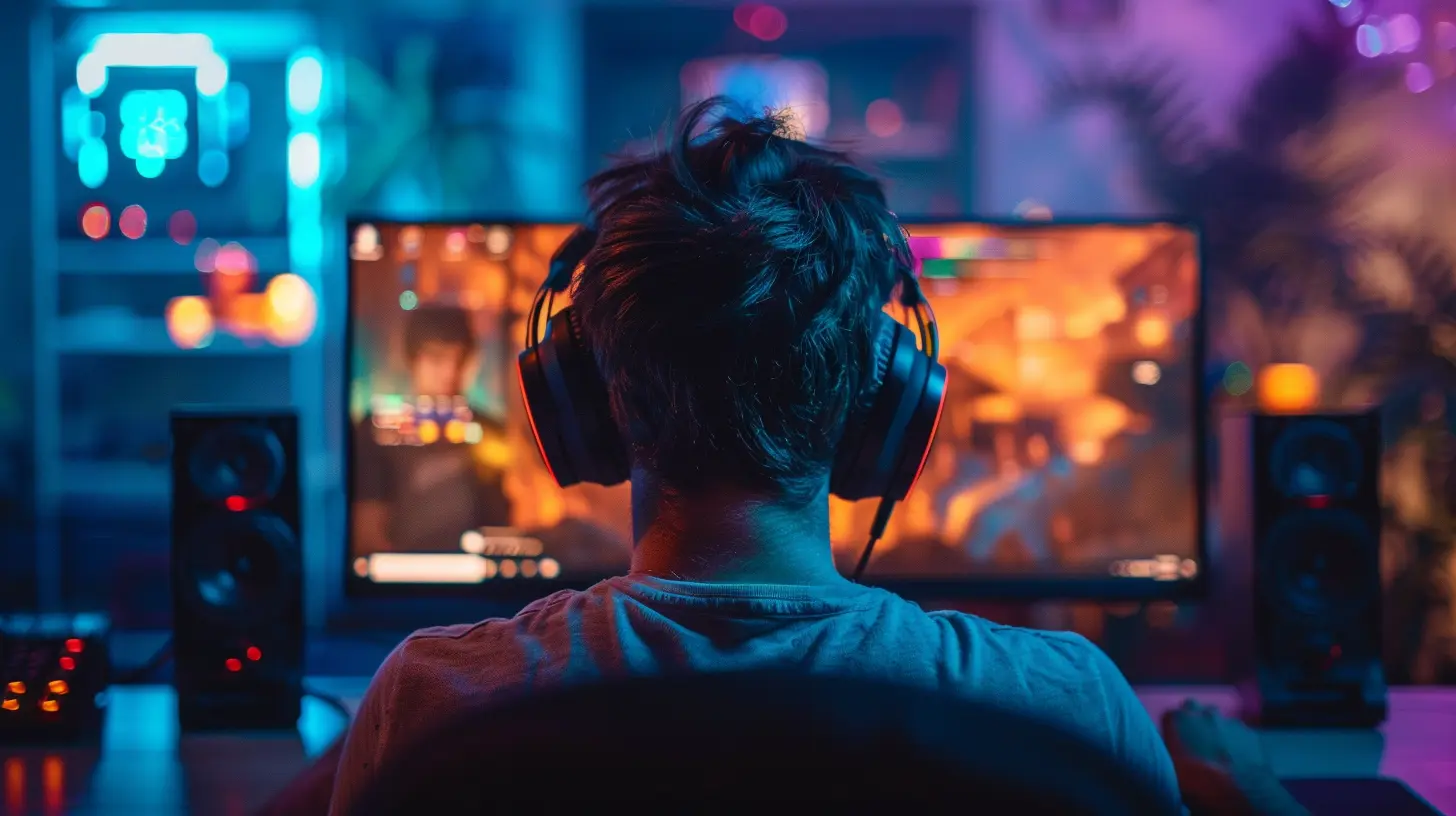
From Fans to Creators: The Podcast Ripple Effect
Here’s where it gets extra cool—podcasts don’t just generate listeners. They inspire creators.Many fans go from being passive listeners to active community members. They hop into Discord servers, join live chats, send in questions, and eventually start their own podcasts or creative side projects.
It’s like one small soundwave creates a tsunami of creativity.
And guess what? That only strengthens the community even more. Ideas bounce around, new friendships form, and the cycle never stops.
Building Worlds Beyond the Screen
Gaming podcasts aren’t just about what’s happening in the game—they’re about the world around it.They explore things like:
- Game development stories
- Industry news and ethics
- Fan theories and lore deep-dives
- Mental health and gaming
- Gamers’ personal stories
These topics give more depth to gaming culture. Fans go beyond the joystick and dive into what makes games matter. Suddenly, they’re not just playing—they’re reflecting, discussing, and evolving.
It’s like going from playing a single-player campaign to living in an open-world RPG full of stories, ideas, and connections.
Social Media + Podcasts = A Match Made in Digital Heaven
Let’s not forget the social side of this whole thing. Podcasts and social media go together like Mario and Luigi.Most gaming podcasts have a strong presence on platforms like Twitter, Instagram, TikTok, and Discord. Followers share clips, comment on hot takes, and meme the heck out of embarrassing podcast moments.
This cross-platform interaction keeps the podcast alive 24/7. It lets fans be part of the conversation even when there’s no episode playing.
And let’s be honest—nothing bonds people faster than arguing over which Final Fantasy is the best one. (Hint: it’s VII. Or is it X? Okay, we’ll save that for another post.)
The Rise of Live Podcasting and Fan Feedback
Live podcasts are blowing up. More podcasters are doing Twitch streams, YouTube Lives, or live episode recordings at gaming conventions.This format lets fans interact in real-time—ask questions, drop jokes, or just emoji-spam the chat.
It turns the passive experience of listening into an active one. And when fans see their comment get read or their question discussed? Instant connection. Instant loyalty.
Communities built this way are more engaged, more vocal, and more likely to stick around.
Why All of This Actually Matters
So sure, podcasts are fun, but why should we care that they’re changing fan communities?Because they’re making fan spaces better.
They’re more inclusive, more thoughtful, more personal, and more creative than ever before. They’re not just echo chambers of hype—they’re places for genuine connection, diverse opinions, and shared joy.
In a world where online toxicity can hit hard, gaming podcasts are like safe zones. They remind us why we fell in love with games in the first place. And hey, they often do it with a few laughs and a killer intro theme.
What’s Next for Gaming Podcasts and Fan Communities?
This is just the beginning, honestly.We’re seeing more game devs start their own podcast series to give fans inside looks at development. More fan-led podcasts are launching thanks to affordable tech and platforms like Patreon or Ko-fi.
Expect to see:
- More collabs between podcasters and streamers
- Podcasts built around specific games or franchises (Zelda fans, rise up!)
- Interactive podcasting tools that let listeners shape the show
- Even VR podcast events (yes, that’s really a thing)
The line between creators and fans is getting blurrier every day—and that’s a good thing.
Final Thoughts: Pressing Play on the Future
Gaming podcasts aren’t just background noise anymore. They’ve become part of the fabric of gaming culture—intimate, accessible, and deeply connected.They’re helping us find our people, share our stories, and grow our communities beyond the loading screen.
So, next time you pop in your earbuds and tune into your favorite gaming podcast, remember—you’re not just listening to a show. You’re part of a movement, a community, and a whole new way of being a fan.
Game on, podfam
all images in this post were generated using AI tools
Category:
Gaming PodcastsAuthor:

Lana Johnson
Discussion
rate this article
1 comments
Georgia Robinson
This article highlights an interesting shift in gaming culture. The way podcasts foster deeper connections among fans is impressive. It's great to see how these platforms create a sense of community and shared experiences. Well done!
June 27, 2026 at 3:26 AM
Lana Johnson
Thanks for your thoughts! I'm glad you found the connection between podcasts and gaming communities interesting. It's exciting to see how these platforms are bringing fans together.