How Fan Art and Fan Fiction Keep Games Alive
6 May 2026
Let’s be real—video games don’t just fade into nothingness the moment the credits roll. Some of them linger in our hearts and minds for years. Why? Well, apart from killer gameplay and epic storytelling, there’s one massively underrated ingredient that fuels their lasting legacy: the passionate, sometimes chaotic, always creative world of fan art and fan fiction.
Fans don’t just play games; they breathe life back into them over and over again.
In this article, we’re diving deep into how fan art and fan fiction act like a pulse, keeping even decade-old games alive and kicking. Whether you've been part of a fan community for ages or just stumbled into the rabbit hole of reimagined quests and ship wars, hang tight—this one’s for you.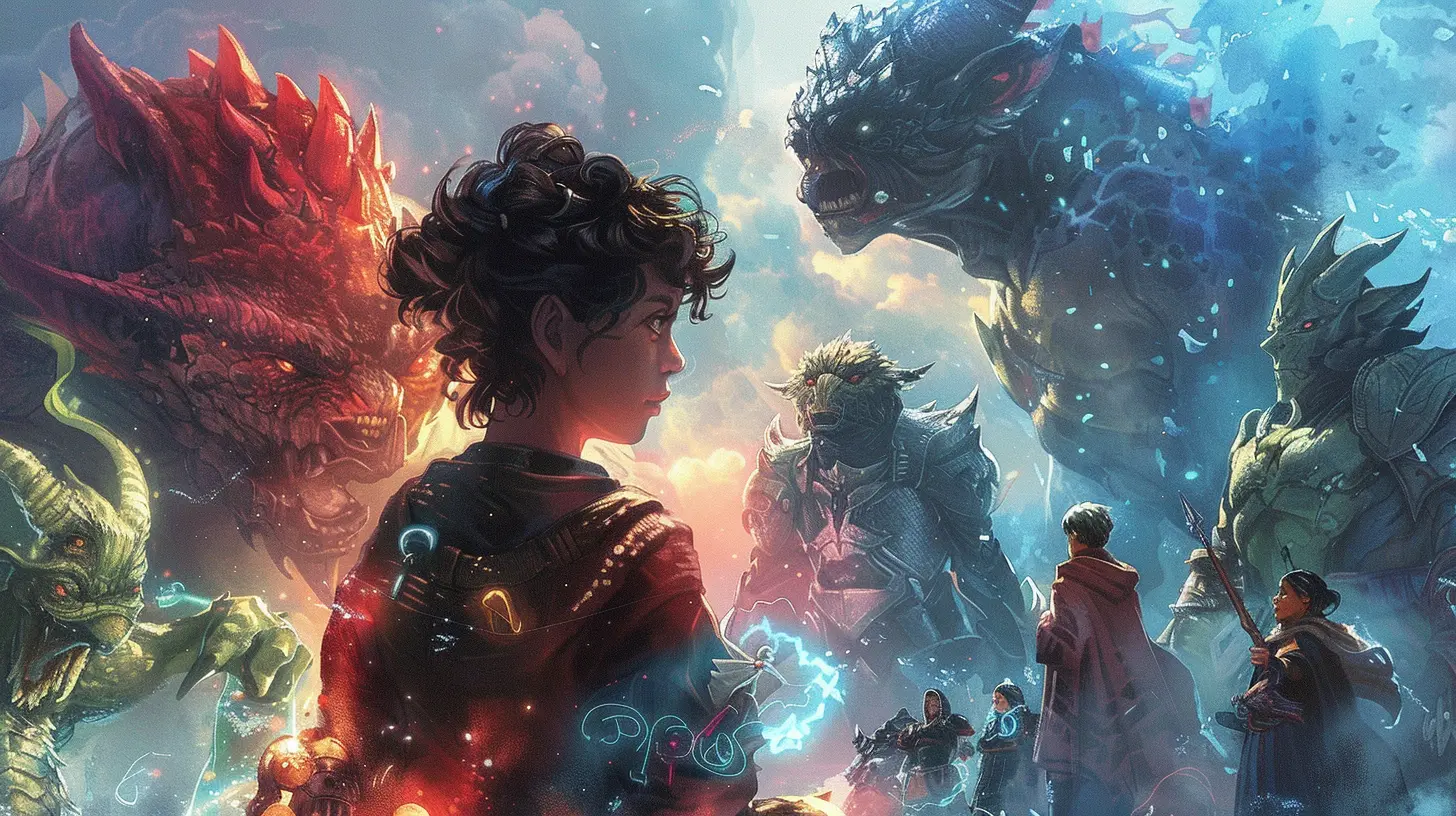
What Is Fan Art and Fan Fiction Anyway?
Before we dive into the why and how, let’s clear up the what.Fan art is visual art created by fans of a game. It could be anything—digital paintings, sketches, comic strips, even 3D models—depicting characters, environments, or scenes from a game, often with a unique twist.
Fan fiction (or fanfic) is storytelling based on an existing game universe. Fans write their own narratives featuring game characters, sometimes following canon events, but often rearranging the entire universe (yeah, shipping Bowser and Peach in a Star Wars crossover, no judgment).
These aren’t just little side hobbies. We're talking communities with thousands—sometimes millions—of fans pumping out content on forums, social media, and platforms like DeviantArt, Archive of Our Own (AO3), and Tumblr. And this stuff? It sticks around.
The Creative Loop Between Devs and Players
Games spark creativity, and fans respond in kind. And when they do, game developers notice.Fan creations don’t just stay confined to obscure corners of the web anymore. Studios often highlight fan art on their official channels. Some devs even hire talented fan artists or consult fanfic writers for lore continuity (yep, it’s happened).
Games like The Elder Scrolls, Mass Effect, and even indie darlings like Hollow Knight have thriving fan communities producing mind-blowing art and heartfelt fiction. That feedback loop—fans staying invested, devs staying grateful—can breathe new life into a game’s relevance long after launch.
Example: The Witcher’s Undying Fandom
CD Projekt Red’s Witcher series (especially Witcher 3) is a perfect example. Years after release, fans still draw Geralt and Yennefer like it’s 2015. Fanfic stories exploring alternate endings, romances, and lore are alive and well on AO3 and Reddit threads.That ongoing engagement didn't just keep Witcher 3 in the spotlight—it helped boost anticipation for the Netflix series. The passion of the fanbase helped propel the franchise into mainstream culture.
Fan Art and Fiction Extend a Game’s Lifecycle
Games, like all forms of media, have a shelf life—at least in terms of active development and official content. Once the updates slow down, the fanbase often steps in to keep the flame burning.How It Works
Think of a game as a spark. The fans? They’re tossing logs onto the fire to keep it roaring.Fan fiction spins new tales. Fan art explores what-ifs and alternate worlds. Suddenly, a game that technically “ended” is now living a second, even third life—all fan-driven.
Take Undertale, for instance. That quirky indie game exploded on Tumblr with theories, art, and full-length fan-made comics. Years later, people are still creating. It never really died—it just evolved.
Nostalgia Is a Heck of a Drug
Let’s be honest: gamers are nostalgic creatures. We don’t just remember the games—we feel them.So when someone drops a beautifully drawn portrait of a character from a 10-year-old game, it’s like emotional time travel. We’re pulled back into that world, reminded of all the quests, battles, and feels.
Fan creations feed this nostalgia. They're like home-cooked meals from your grandma’s kitchen—familiar, comforting, but with a personal touch.
The Community Glue That Holds Gamers Together
Fan art and fiction aren't just content—they’re community builders.It’s how strangers become friends. A single fic can spark hours of online conversation. A quirky drawing can turn into a full-blown meme that takes over Twitter. These creations connect fans on a personal level, giving them shared experiences to rally around.
Online Platforms That Keep the Magic Going
- DeviantArt and Pixiv: For visual masterpieces- Archive of Our Own (AO3): The fanfic capital
- Tumblr: Where fandoms thrive and spiral
- Reddit: Subreddits like r/FanArt and game-specific threads
- Twitter/X: Quick bursts of art and mini fics, often going viral
When fans consistently share and interact with each other’s content, the game stays relevant—not because it's being marketed, but because it’s loved.
Developers Who Embrace Fans Keep the Game Alive Longer
Some developers get it. They’re not afraid of fan-driven content—they celebrate it.Bethesda reposts fan art. Bioware has spotlighted fan-made Mass Effect creations. Epic Games runs contests for Fortnite-themed art. These acts of appreciation do more than just flatter creators; they signal that the game world is yours, too.
And when fans feel ownership? They stick around. They build. They obsess. They keep the world turning.
Indie Games Thrive on Fan Energy
AAA titles aren’t the only ones benefitting from loyal fanbases. Indie games need fan engagement like plants need sunlight.Games like Stardew Valley, Celeste, and Hades have seen entire waves of fan content that not only keep the games alive, but sometimes attract entirely new players. Someone finds a fan comic on Instagram and thinks, “Wait, what game is this from?” Boom—one Google search later, they’re hooked.
It’s organic marketing with soul. You can’t pay for that kind of authenticity.
Keeping Fandoms Healthy: The Dark and Light Side
Of course, where there are fandoms, there’s drama. Shipping wars, headcanon battles, and "my ending is better than yours" debates exist. But that doesn’t negate the overall value.When done right, fan art and fiction create safe spaces for expression, creativity, and emotional processing. They let gamers personalize worlds that matter to them and share those interpretations with others.
Like any ecosystem, it needs moderation, mutual respect, and a sense of humor. But when the balance is right, it’s glorious.
Fan Creations as Time Capsules
Ever stumbled across a 2012 fanfic for a game you played in high school? It’s like flipping through a scrapbook.Fan content captures the spirit of the time when the game was at its peak. It tells you what fans felt, not just what they played. Years later, you can dive back in and feel everything all over again. It’s nostalgia, emotion, and pop culture—all preserved in digital ink and pixels.
The Future: Fan Content in a Post-AI World
Now that AI-generated art and writing are on the rise, it’s worth asking—how does this affect the world of genuine fan content?Well, here’s the thing: true fan creations come from love, not algorithms. You can’t fake that. Readers and viewers can tell when something’s got heart. AI might generate content, but it can’t replace the soul that fans pour into their work.
In fact, real fan art and fiction might become even more valuable as authentic, human expressions of creativity.
Final Thoughts: Keep That Controller-Wielding Flame Alive
At the end of the day, fan art and fan fiction aren’t just side projects—they’re the heartbeat of gaming culture.They keep stories alive, characters relevant, and communities thriving. They give gamers a way to revisit beloved worlds and dream up new ones. They’re proof that games don’t end when you log off—they evolve, grow, and live on in the hearts (and desktops) of fans around the world.
So if you’ve ever created something based on a game you love—whether it’s a three-panel comic, a 100K-word epic, or a silly meme—you’re part of what keeps that game alive. And honestly? That’s pretty powerful.
all images in this post were generated using AI tools
Category:
Game CultureAuthor:

Lana Johnson
Discussion
rate this article
2 comments
Lysander McGowan
Creativity fuels passion; keep creating!
May 21, 2026 at 3:01 PM
Lana Johnson
Absolutely! Passionate creativity truly breathes life into games. Thanks for the support!
Hugo Mendoza
Fan art and fan fiction truly breathe new life into games! It's amazing how creativity can keep our favorite worlds vibrant and exciting. Long live the imagination of the fans!
May 17, 2026 at 3:12 AM
Lana Johnson
I completely agree! Fan art and fan fiction add so much depth and energy to gaming worlds. It's incredible to see how fans can expand on the stories we love.