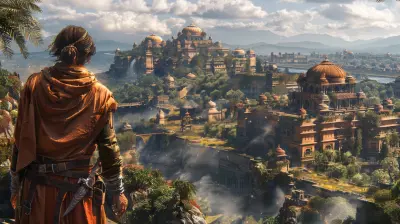
The Evolution of Xbox Game Graphics Over the Years
16 March 2026
If you've been gaming since the early 2000s, you'll remember just how far Xbox game graphics have come. I mean, think back to the original Xbox days—remember Halo: Combat Evolved? At the time, it looked pretty incredible. But compare it to Halo Infinite now, and it feels like looking at a cave painting next to a 4K OLED masterpiece.
Graphics have always been one of the biggest factors we look at when judging a game’s quality. And with Xbox consoles evolving across generations, the visual leap from one era to the next has been nothing short of jaw-dropping. So, let’s hop aboard this time machine and trace the journey of Xbox game graphics—from chunky polygons and low-res textures to photo-realistic characters and beautifully lit open worlds.
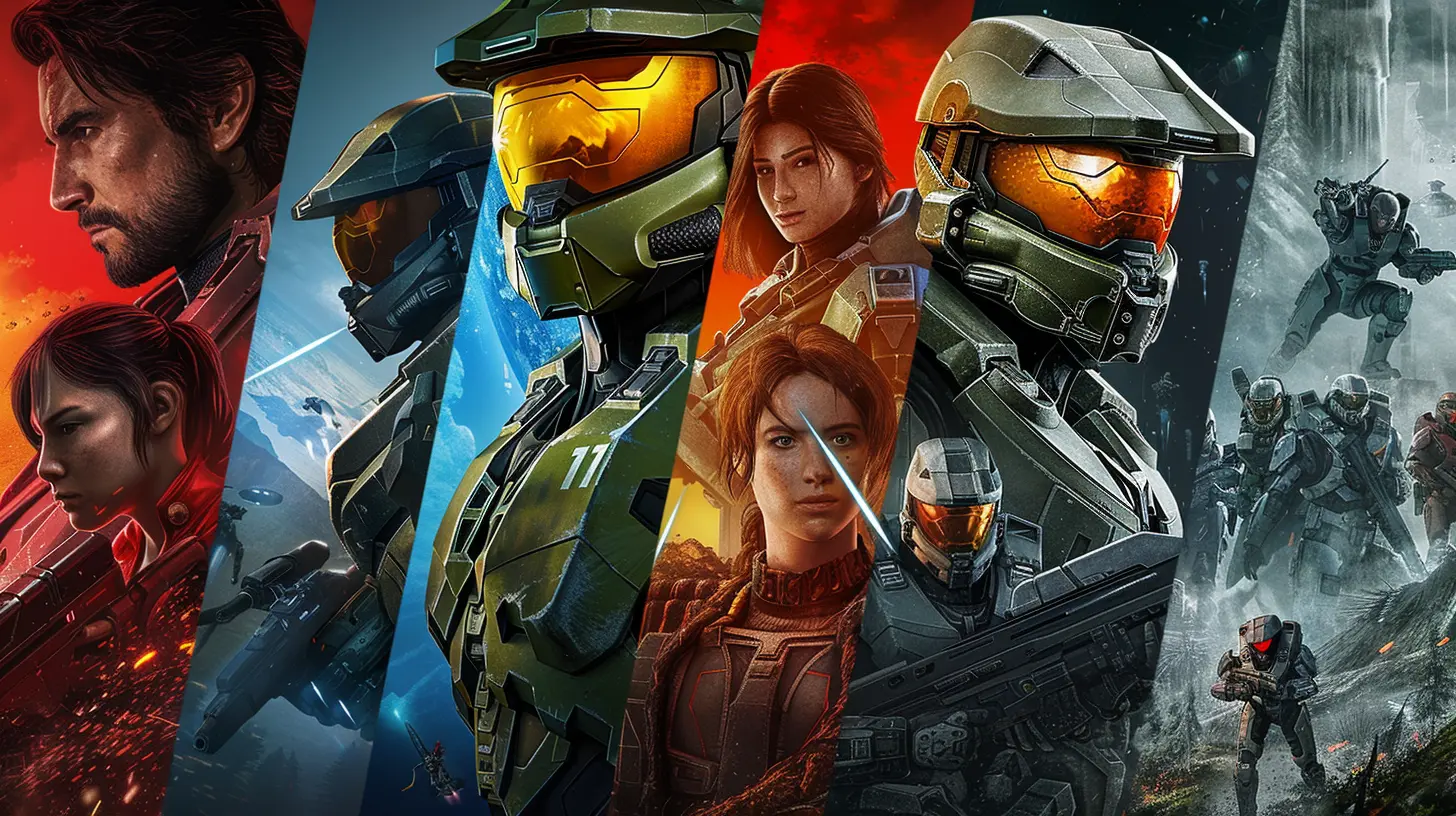
The Birth of Xbox: When It All Began (2001)
In 2001, Microsoft entered the console war, stepping into the ring with Sony and Nintendo by releasing the original Xbox. This beast of a machine was powerful for its time, powered by a custom 733 MHz Intel CPU. Games like Halo: Combat Evolved, Fable, and Ninja Gaiden showcased what developers could do with more memory and processing power than the competition.But let’s be honest, by today’s standards? The graphics were blocky, textures were blurry, and lighting was basic. Characters sometimes looked like they were made out of Lego bricks. Still, for its time, Xbox was pushing boundaries. It was the first console to fully embrace features like bump mapping and dynamic lighting—stuff that made games look just a little more lifelike.
Key Visual Traits
- Bump Mapping: Helped give flat textures more depth- Dynamic Lighting: Moving lights, shadows—basic but impactful
- Improved Textures: Higher resolution than PS2
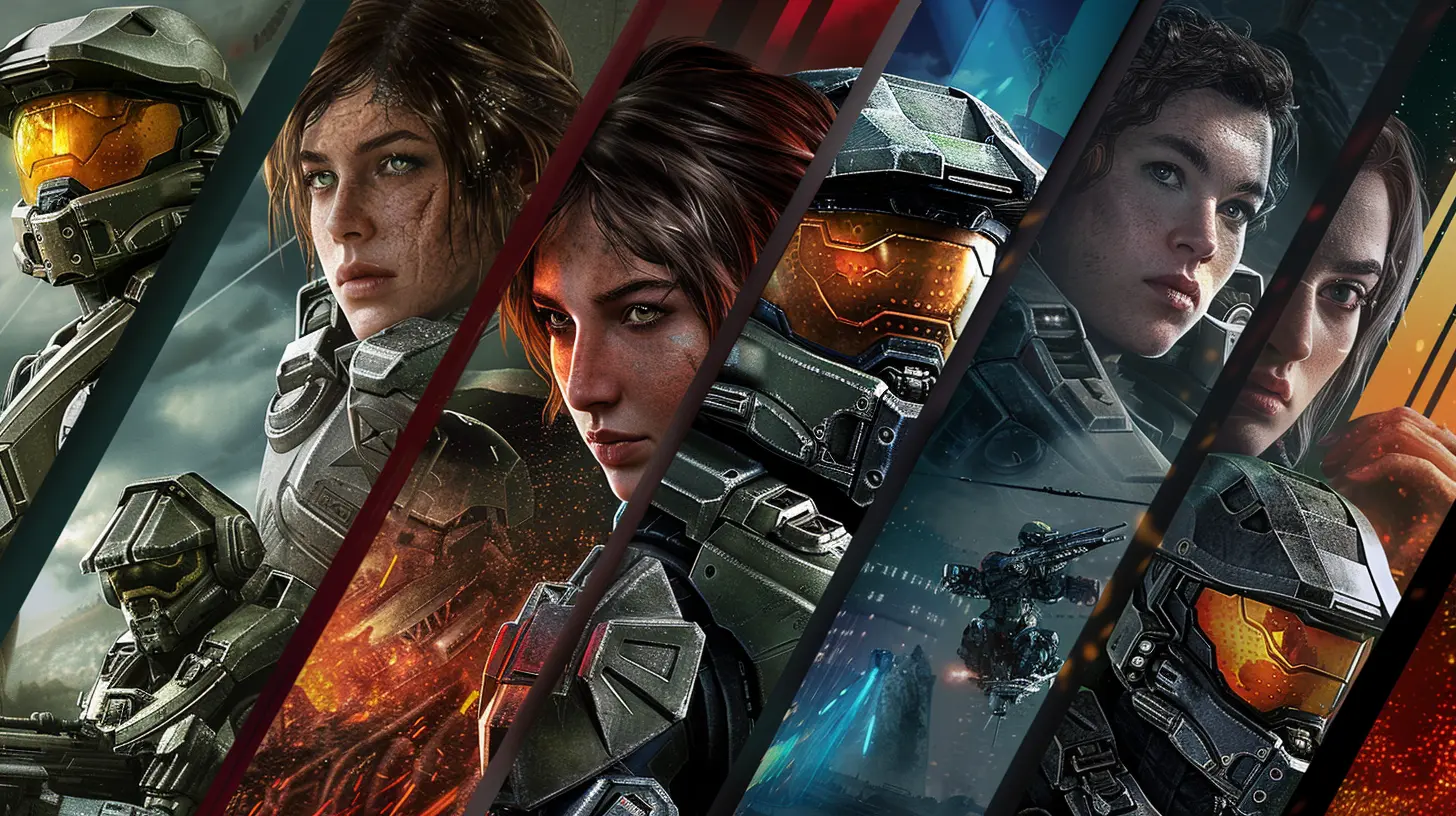
Xbox 360 Era: The HD Revolution (2005–2013)
Now this is where things really started heating up.The Xbox 360 was a massive step forward, not just for Microsoft but for gaming as a whole. For one, it brought high-definition gaming to the forefront. Suddenly, you weren’t just playing games—you were watching moments that felt like interactive CGI movies.
Games like Gears of War, Mass Effect, and Red Dead Redemption took full advantage of the improved hardware. Facial animations improved drastically, environments became more immersive, and lighting effects? Oh man, those sunsets in Red Dead could make you tear up.
Visual Game-Changers
- HD Resolution (720p – 1080p): Huge difference in clarity- Motion Capture: More realistic character movements and facial expressions
- Advanced Physics Engines: Gave objects weight and realism
- Better Lighting Models: Like ambient occlusion and HDR
It was a golden era for video game graphics and storytelling. Sure, some games still had jaggies (aliasing) or muddy textures up close, but for the most part, we were living the high-def dream.
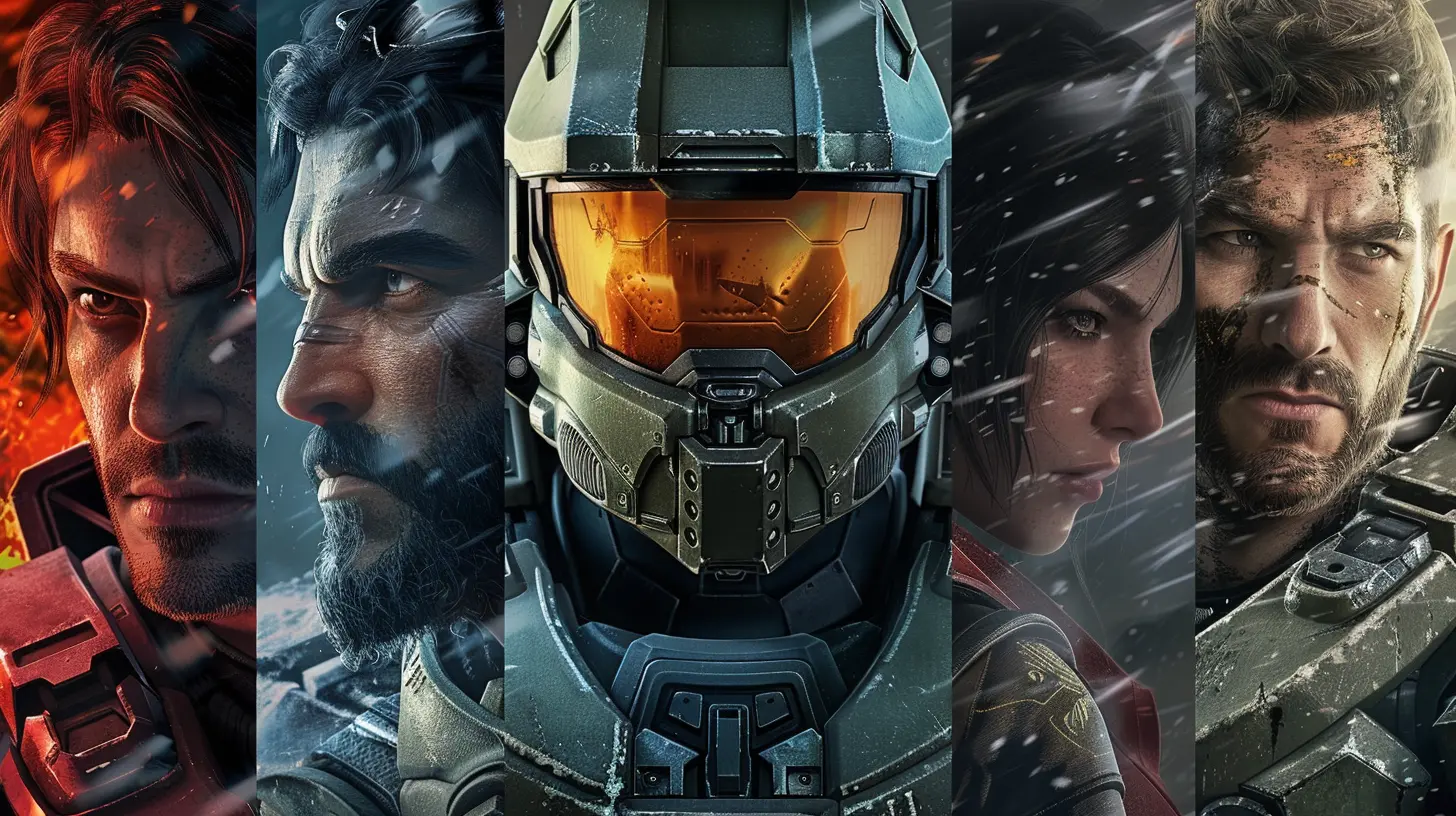
Xbox One: Polishing the Details (2013–2020)
The Xbox One focused less on revolution and more on refinement. By this point, gamers expected games to look good. The new goal? Make them look fantastic.The Xbox One and later the Xbox One X brought major improvements in rendering, lighting, texture resolution, and overall realism. It was during this time that we first started hearing about 4K resolution and HDR gaming. And when you fired up Forza Horizon 4 or Gears 5, you could literally see the difference in every blade of grass, every sun-drenched hill, and every drop of water splashing off a car’s hood.
Games started to look more cinematic, and the lines between pre-rendered cutscenes and in-game footage began to disappear. Developers used physically based rendering (PBR), which mimicked how light interacts with surfaces in real life. It made materials like metal, glass, and skin feel more authentic than ever.
Highlights of This Era
- 4K Support: Crystal-clear visuals with razor-sharp detail- HDR Lighting: Much more vibrant colors and realistic shadows
- Physically Based Rendering (PBR): Surfaces looked and reacted like real-life materials
- Detailed Animations and Facial Expressions: Thanks to improved mocap tech
Let’s not forget the late-gen upgrade—the Xbox One X. This console brought native 4K gaming and pushed developers to squeeze even more graphical juice out of their engines.

Xbox Series X|S: Next-Gen Brilliance (2020–Present)
With the arrival of Xbox Series X and Series S, we stepped into a whole new level of visual fidelity. We're talking about real-time ray tracing, 120 FPS gameplay, lightning-fast load times, and some of the most immersive visuals ever seen on a console.From the sun peeking through treetops in Forza Horizon 5 to the creepy detail of the ruined city in Scorn, the level of immersion feels otherworldly. With SSDs powering near-instant asset loading and ray tracing simulating how light bounces around a scene, games today don’t just look better—they feel alive.
And let’s not ignore the impact of Unreal Engine 5 and other cutting-edge engines that enable photorealism, advanced particle effects, and dynamic weather systems. The difference is night and day when compared to gaming just a decade ago.
How Xbox Series X|S Changed the Game
- Real-Time Ray Tracing: Like movie-level lighting in real-time- 120FPS Support: Ultra-smooth gameplay that’s easy on the eyes
- Fast SSDs: Instant loading and seamless world transitions
- AI Upscaling: Sharper images with less processing power
The Xbox Series X isn’t just powerful—it’s smart, too. Game developers now use machine learning and AI to improve graphics dynamically. That means better upscaling, smoother animations, and smarter lighting… all while keeping performance high.
The Rise of Stylized Visuals
Now look, not all games chase photorealism—and that’s okay. In fact, some of the most beautiful Xbox games ever made don’t even try to look “real.” Games like Ori and the Will of the Wisps and Tunic embrace artistic styles that are every bit as impressive as hyper-realistic shooters.Stylized graphics age better and give games their own unique identity. It’s like comparing a Pixar movie to a Hollywood action flick—both look amazing, but in totally different ways.
Why Stylized Graphics Matter
- Timeless Design: They don’t age as quickly as realistic visuals- Creative Freedom: Developers can experiment with art and mood
- Improved Performance: Takes less horsepower to look great
Xbox has supported both ends of the spectrum—whether you’re diving into gritty realism or exploring whimsical fantasy worlds.
The Importance of Art Direction
We can’t talk about graphics without touching on art direction. Technology might give you the tools—but it’s the artists who decide what to do with them. A game like Hellblade: Senua’s Sacrifice doesn’t just look good because of high-res textures. It uses darkness, color, and facial animations to convey emotion. That’s powerful.Art direction isn't just about budget or tech—it's about vision. And over the years, we've seen Xbox exclusives grow bolder and more imaginative in how they present their worlds.
Backward Compatibility: A Modern Makeover
One of the unsung heroes of the Xbox ecosystem? Backward compatibility.Xbox has done an amazing job breathing new life into older games. Titles from the original Xbox and Xbox 360 eras now support higher resolutions, better textures, HDR, and smoother frame rates—without requiring remasters. It’s like watching your favorite old movie in 4K for the first time.
What’s Next for Xbox Graphics?
So, where do we go from here?With cloud gaming, AI-powered rendering, and neural graphics on the horizon, we’re probably only scratching the surface of what’s possible. Imagine worlds that adapt to your choices—not just in story, but visually. Trees that grow in real time, skies that respond to your mood, characters whose eyes track your movements. Sounds sci-fi? Maybe. But that’s the direction we’re headed in.
As Xbox continues to evolve, so will the visuals. And if history has taught us anything, it’s that the next big leap is always closer than we think.
Final Thoughts
The evolution of Xbox game graphics over the years is more than just a story of better polygons and higher resolutions—it's about immersion, emotion, and pushing the limits of what's possible. From the jaggy edges of Halo: CE to the jaw-dropping realism of Forza Horizon 5, Xbox has consistently raised the bar in visual storytelling.And you know what? We’re probably just getting started.
So next time you boot up your console and get lost in those incredible visuals, give a little nod to how far we’ve come—and get hyped for where we’re going next.
all images in this post were generated using AI tools
Category:
Xbox GamesAuthor:

Lana Johnson
Discussion
rate this article
2 comments
Rhea McKay
Ah, the evolution of Xbox graphics—where pixels once resembled sad potatoes and now dazzle us with lifelike realism! It’s like watching a toddler grow into a suave adult who finally knows how to dress. Here’s to gaming's glow-up! Can we get a selfie with Master Chief?
March 20, 2026 at 5:55 AM
Lana Johnson
Absolutely! The transformation is remarkable, and Master Chief would definitely approve of the upgrade! Cheers to gaming’s stunning evolution!
Hugo Allen
From pixelated dreams to photorealistic realms, Xbox graphics have evolved in ways that mirror our own reality. What secrets lie within the code that breathes life into these digital worlds? The journey has just begun.
March 18, 2026 at 4:17 AM
Lana Johnson
Thanks for the insight! The evolution of Xbox graphics truly reflects our technological journey, and it's exciting to think about the possibilities ahead.