Video games built for prevention can reduce teen depression
August 17, 2026 - 20:21
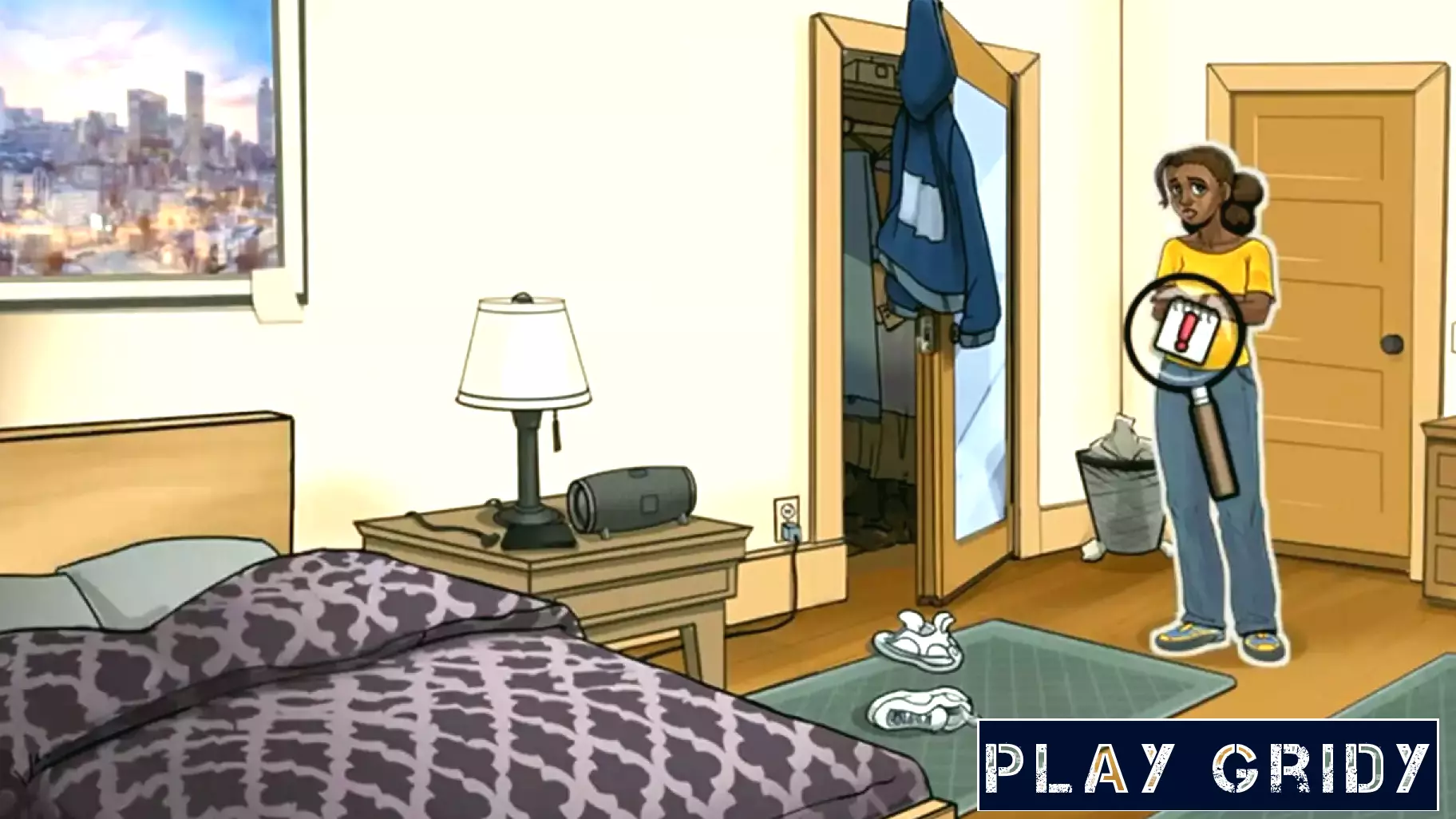
For years, the default advice for parents has been to limit screen time, especially when it comes to video games. But a fresh wave of research is flipping that assumption on its head. A recent study indicates that certain games, designed specifically for mental health prevention, can meaningfully reduce symptoms of depression in teenagers. The findings challenge the long-held belief that all gaming is passive or harmful, suggesting that interactive digital experiences might actually serve as a first line of defense for adolescent mental health.
The study focused on what researchers call "prevention-built" games, which are crafted not just to entertain but to teach coping skills, emotional regulation, and problem-solving in real time. Unlike traditional therapy, which requires a scheduled appointment and a willingness to talk, these games meet teens where they already spend their free time. The interactive nature seems to be key. Players practice recognizing negative thought patterns and testing healthier responses within the game's scenarios, which then translate to real-world situations. The results showed a notable drop in self-reported depression scores among participants who played regularly over several weeks, compared to a control group that did not.
What makes this promising is the accessibility factor. Many teens who need support never seek it due to stigma, cost, or simply not knowing where to start. A game on a phone or console removes those barriers. It is not a replacement for professional care, but it could be a powerful supplement. For schools and families, this opens the door to a different conversation: instead of banning games outright, perhaps the question should be which games are worth encouraging. The study's authors are careful to note that not all games have this effect, and the ones that do are specifically designed with clinical input. Still, the evidence is strong enough that pediatricians and mental health advocates are starting to take notice. The next step is larger trials and figuring out how to integrate these tools into existing mental health programs. For now, the takeaway is simple: a well-designed game might just be one of the most underused tools we have for keeping teens mentally well.
MORE NEWS

August 17, 2026 - 08:59
5 Arcade Games From 1989 That Still Hold Up TodayThe late 1980s were the golden years for arcades. Home consoles were getting better, but the local arcade still had that magic pull, with its glowing screens, loud soundtracks, and the promise of a...

August 16, 2026 - 18:12
The 10 Greatest Digital Exclusive Video Games Right NowDigital storefronts have completely changed how we buy and play video games. Physical discs are becoming a rarity, and some of the most exciting titles on the market exist only as downloads. If you...
August 16, 2026 - 04:24
Hasbro Exec Rolled a "1" on Video Games -- and Lost His JobA top executive at Hasbro has been let go following a major misstep in the company`s video game strategy, a move that insiders say cost the toy giant dearly. The departure comes as the company...

August 15, 2026 - 07:19
This Is Hopefully The Last Time I'm Writing About 1666: AmsterdamIt feels like a broken record at this point, and I will be the first to admit it. We are talking about the game that was once called 1666: Amsterdam, the project that has haunted the career of...