Why Roleplaying Games Foster Deep Emotional Connections
20 July 2026
If you've ever spent a few late nights rolling dice with friends or diving headfirst into a fantastical world on your PC or console, you already know that roleplaying games (RPGs) hit different. They aren’t just about slaying dragons, collecting loot, or leveling up. There’s something deeper going on—something emotional, even therapeutic.
But why? Why do RPGs, whether table-top or digital, create such strong emotional connections? Why can a fictional world or an imaginary character actually tug at your heartstrings?
Let's take a journey (no dice needed) into what makes RPGs such emotionally charged and unforgettable experiences.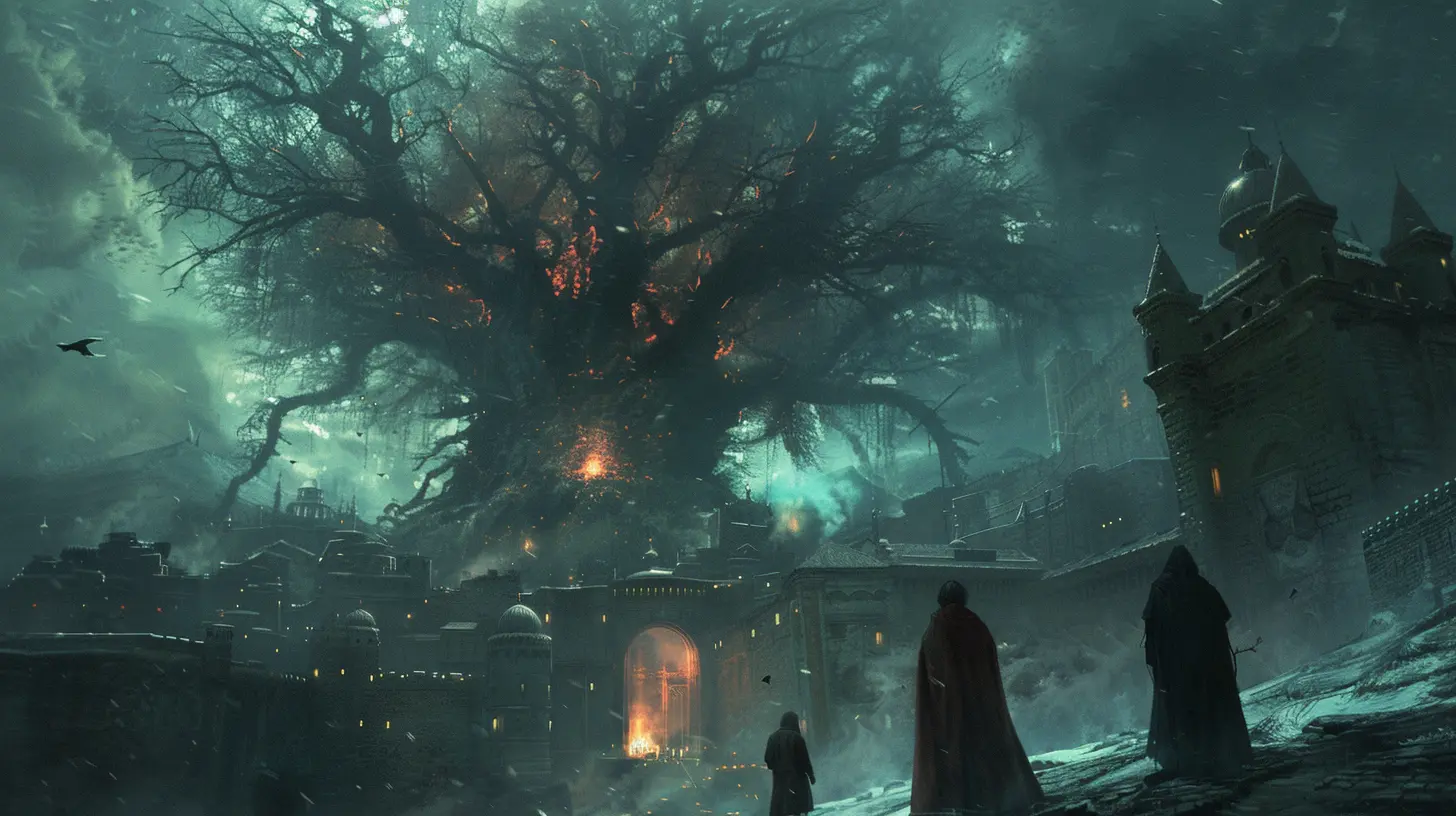
What Makes an RPG... Well, an RPG?
Before we get into the deep stuff, let’s break it down. An RPG (Roleplaying Game) is any game where you take on the role of a character and influence the world through decisions, actions, or dialogue.There are several types:
- Tabletop RPGs (like Dungeons & Dragons)
- Single-player video game RPGs (like The Witcher, Skyrim, or Final Fantasy)
- Multiplayer RPGs (like World of Warcraft or Baldur’s Gate 3)
They all have different mechanics and styles, but one thing stays constant: You’re not just watching the story unfold. You’re living it.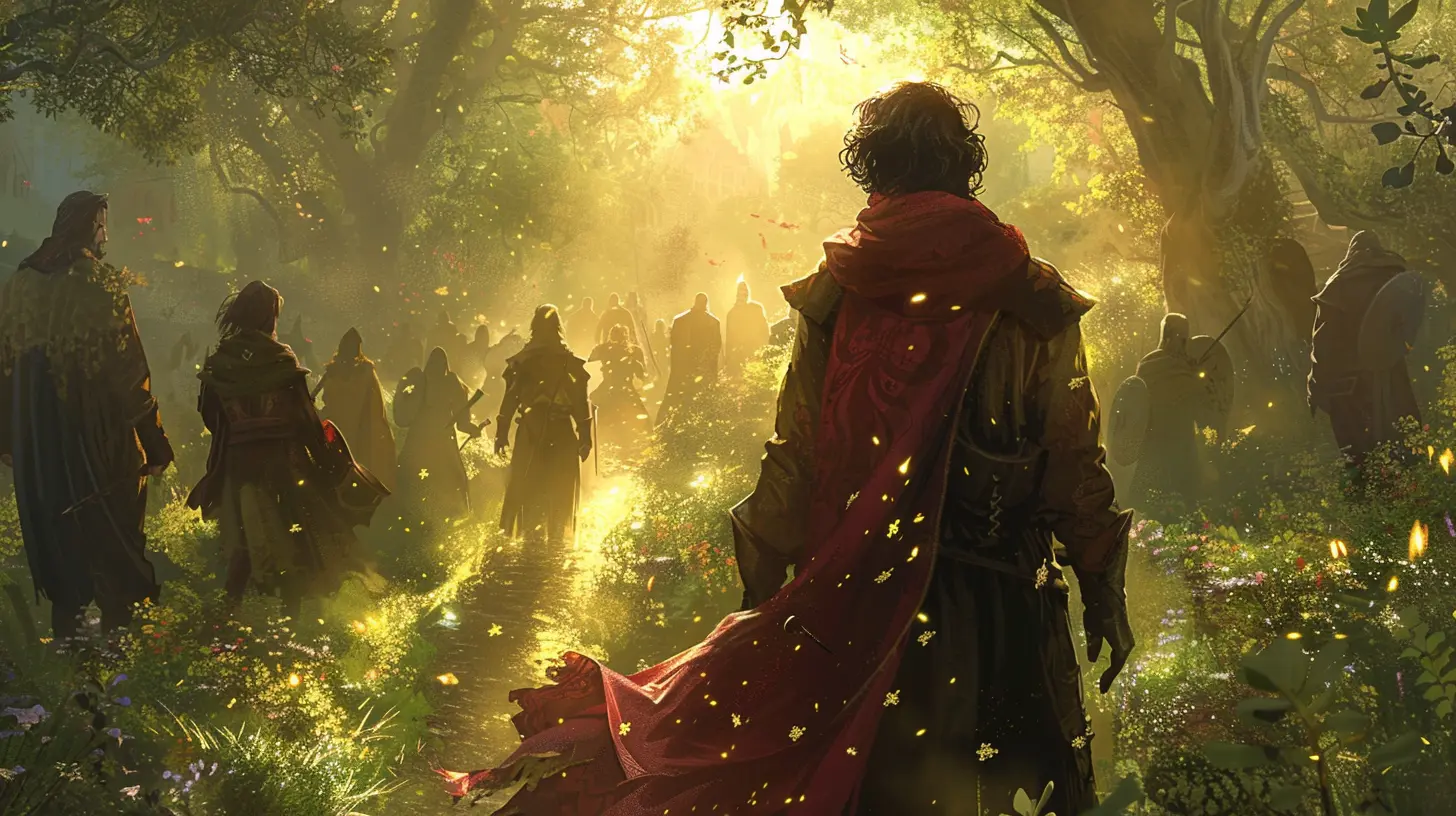
You’re the Hero (or the Villain)
One huge reason RPGs foster deep emotional connections? You’re in control. You’re not a passive observer like in a movie or even a reader of a novel.You’re the protagonist. You make the choices. Your character’s experiences feel like your own.
Let’s say you’ve been playing a game for 50 hours. You’ve made tough calls, sacrificed allies, saved villages, fought epic bosses—and then, a beloved party member dies. It hits hard. Why? Because you knew them. You talked to them. They evolved alongside you.
It’s not just “a video game character died.” It’s “my friend died.”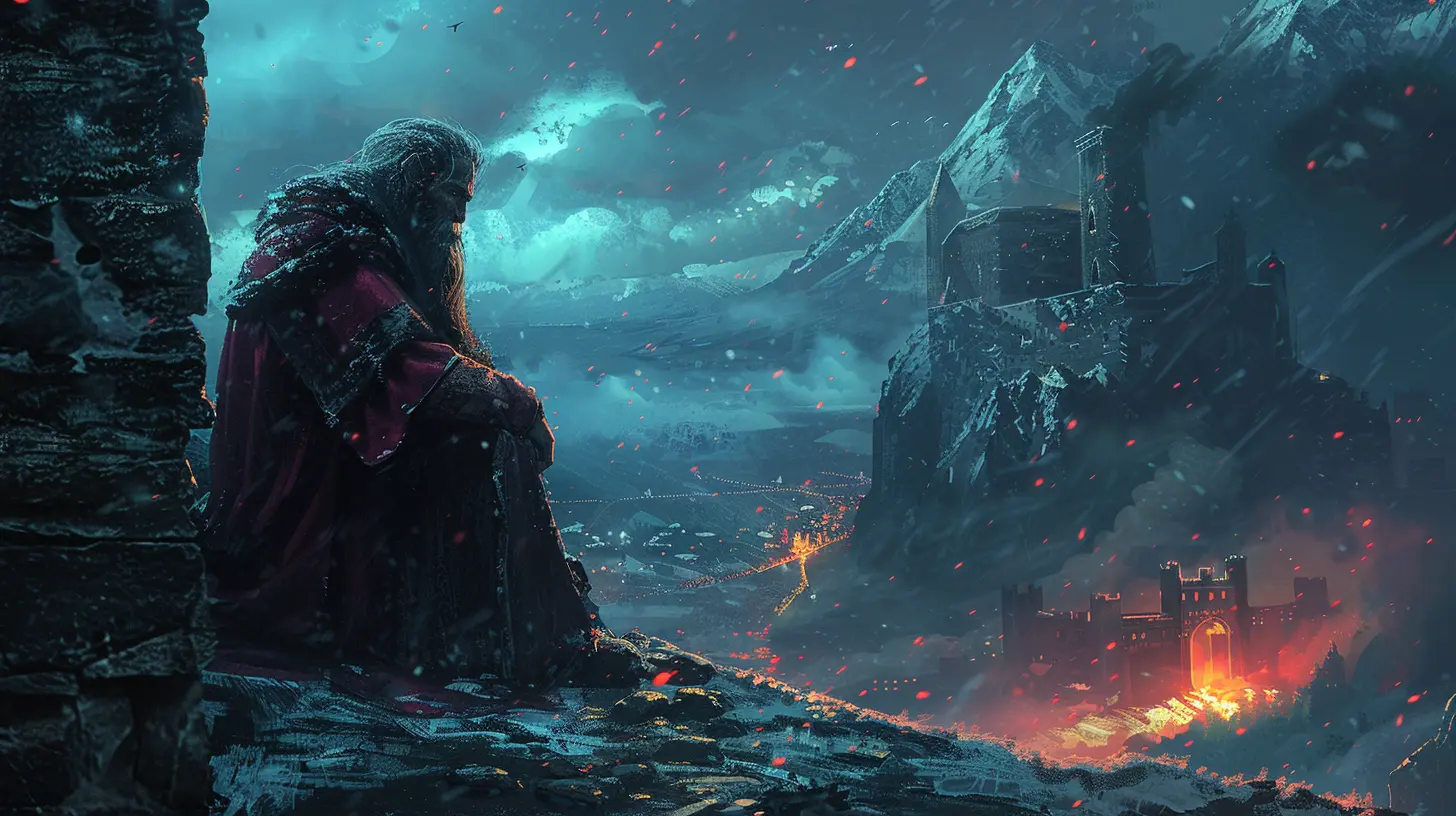
Immersion: Stepping Into Another World
RPGs are masters at pulling players into their worlds. Whether it’s hand-drawn maps on a table or a hyper-realistic fantasy kingdom, RPGs make you forget the real world for a little while.But this immersion isn’t just visual. It’s emotional, too.
- You're not just fighting monsters—you’re saving your character's hometown.
- You're not just talking to NPCs—you’re building relationships that matter.
- You're not just checking quest boxes—you’re shaping a story based on personal values.
That level of engagement means you build emotional bridges between yourself and the story. Real emotions tied to imaginary decisions? That’s the magic of roleplaying.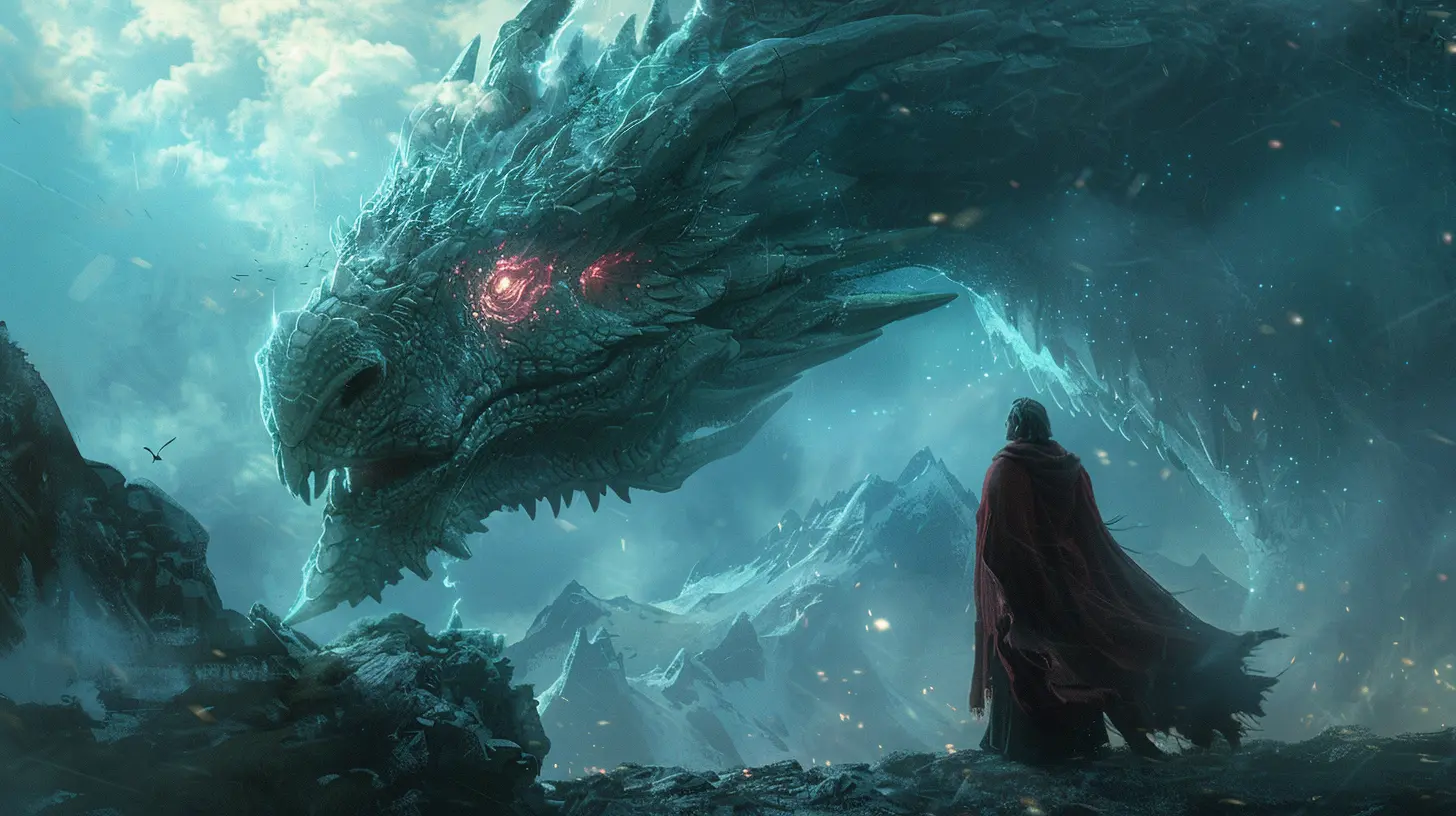
Characters With Depth: The Beating Heart of Every RPG
Every great RPG has a cast of unforgettable characters. They're more than just walking exposition—they're complex, often flawed, and frequently relatable.- Think of Garrus from Mass Effect: loyal, witty, and always up for a fight.
- Or Astarion from Baldur’s Gate 3: manipulative, charming, and deeply broken.
- Or even your own custom D&D character: full of quirks, trauma, and dreams.
You don’t just “meet” these characters—you get to know them. Chat with them. Make decisions that affect their lives. You might even fall in love with one.
Over time, they start to feel like real people. And just like with real relationships, emotional bonds form.
Storytelling That Feels Personal
RPGs tell stories differently than books or movies. Why? Because your choices influence the narrative.Every branching path, every dialogue option, every decision you make—it all shapes the outcome. This level of influence makes the story feel like it’s yours.
Imagine reading a book and halfway through, the author says, “Okay, now you decide what happens next.” That’s the power of RPG storytelling.
Because you helped create the story, you feel more invested in the outcome. When things go wrong (and they do), you feel it personally. And when you finally achieve victory? It’s so much sweeter.
The Cathartic Experience of Roleplaying
Here’s the truth: Roleplaying can be incredibly therapeutic.Think about it:
- Want to be a fearless warrior when you’re shy in real life? Go for it.
- Want to play a cunning rogue who always knows what to say? Why not?
- Want to confront fears or relive personal challenges in a safe space? Absolutely.
RPGs give us a sandbox to explore identity, process emotions, and face inner demons (sometimes literally). They offer a kind of emotional rehearsal—trying on different hats to see what fits.
For people dealing with anxiety, depression, grief, or trauma, RPGs can be an emotional outlet. That’s not just play—it’s healing through storytelling.
Shared Journeys: Bonding With Others Through RPGs
Multiplayer RPGs, especially tabletop ones, forge deep connections between players, not just characters.There’s something powerful about a group of people gathering around a table—digital or wood—telling a story together. It’s cooperative storytelling at its finest.
Over time, your characters may clash or fall in love. But more importantly, you, the players, build real-life friendships through shared imaginary experiences.
It’s no surprise that many longtime D&D groups feel like family. They’ve laughed, cried, and fought side-by-side (sometimes literally) for years.
Nostalgia and Long-Term Attachment
RPGs have staying power. Even years later, we remember the tough decisions, favorite characters, and emotional moments.You might still tear up when someone brings up a certain plot twist in Final Fantasy VII (you know the one). Or laugh remembering that one chaotic D&D session where everything went hilariously wrong.
These memories stick with us because they mattered. They were emotional investments. And like any good story, RPGs live on long after the campaign ends or the credits roll.
Roleplaying in Real Life: Lessons That Stick
Believe it or not, the emotional lessons learned through RPGs can carry over into real life.- Patience when dealing with others
- Empathy from understanding different perspectives
- Problem-solving under pressure
- Leadership and teamwork
When you’ve played a game where every choice has weight, you start looking at your own decisions with a little more care. That’s the emotional intelligence RPGs can help build.
Final Thoughts: RPGs Are More Than Just Games
It’s easy to write off RPGs as “just games.” But that’s like saying a novel is “just words.” The truth is, RPGs are interactive emotional journeys. They let us connect—with characters, with friends, and with ourselves.Whether you're a seasoned dungeon master or someone who just finished their first story-driven game, you’ve likely felt it—that strange and beautiful ache of saying goodbye to a character or world that touched your heart.
In a world that often feels disconnected, roleplaying games offer something rare: emotional intimacy through storytelling, fantasy, and shared experiences.
So the next time someone asks why you’re crying over a game or spending all weekend in a fantasy setting, just smile and say, *“Because this story matters—to me.
all images in this post were generated using AI tools
Category:
Game CultureAuthor:

Lana Johnson