Why Nostalgia Plays a Powerful Role in Gaming
16 May 2026
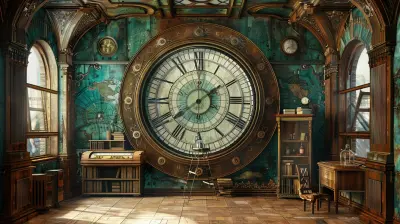
Let’s face it: there’s something magical about firing up a game that takes you back to your childhood. The second that loading screen appears and the familiar 8-bit or 16-bit music kicks in, it’s like stepping into a time machine. But why does this happen? Why do we get all the feels when we replay a game we already beat two decades ago?
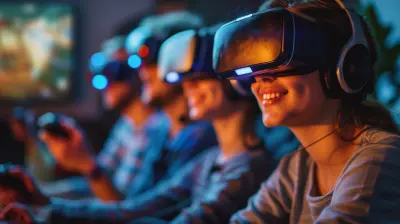
Nostalgia in gaming isn’t just a trend—it’s a powerful emotional force. It connects generations, drives the industry forward, and lets us relive the best parts of our past. In this article, we’re diving deep into why nostalgia is such a big deal in the gaming world and how it keeps players coming back for more.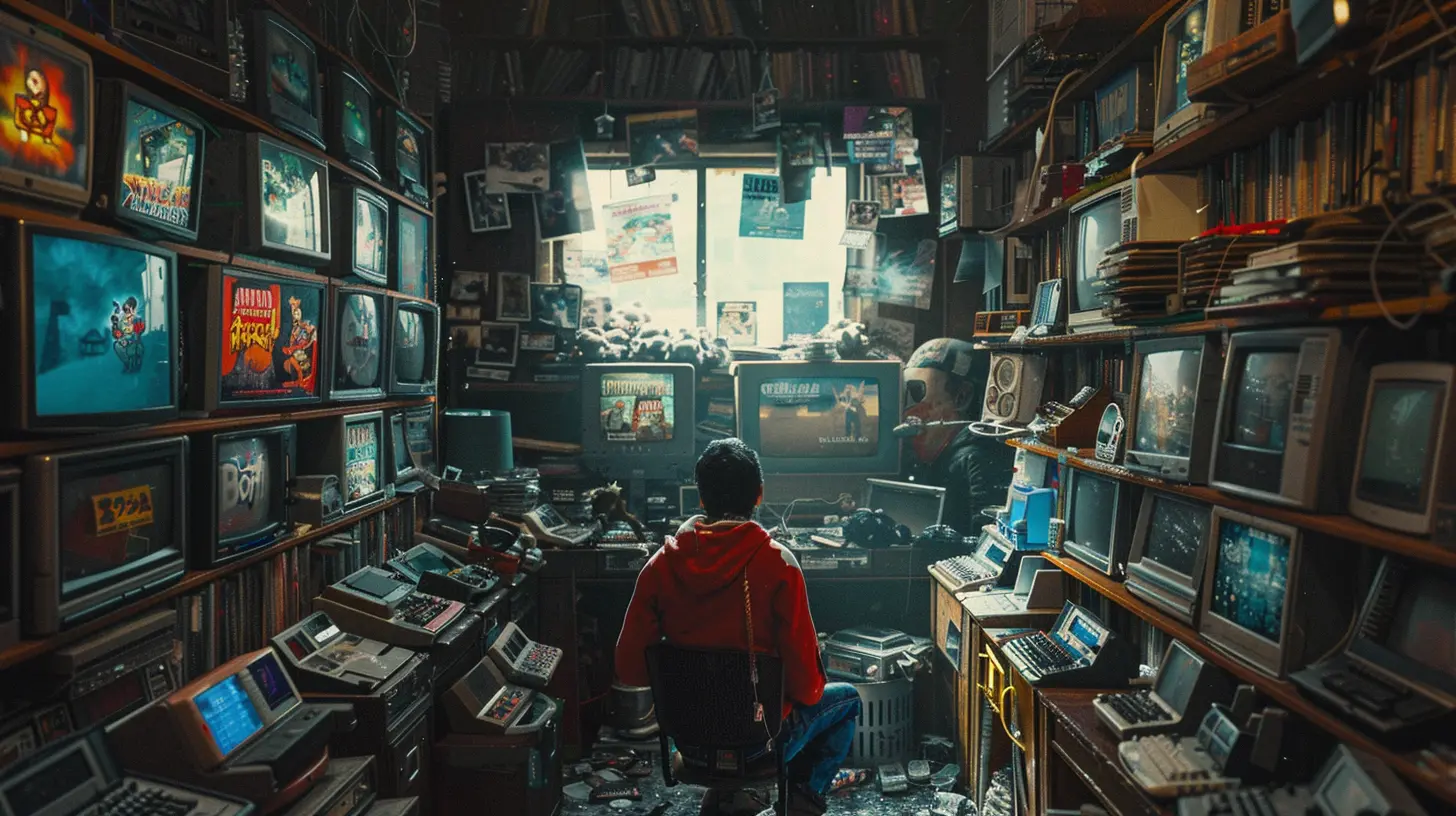
What Is Nostalgia, Anyway?
Nostalgia is that warm, fuzzy feeling you get when you think about the good old days. It's an emotional cocktail of happiness, comfort, and a touch of melancholy. In gaming, it’s what hits you when you hear the Mario jump sound, see the Master Sword, or remember blowing into a cartridge to get it to work.Games don’t just entertain us—they become part of our personal history. Whether it was playing Pokémon Red on your Game Boy during summer vacation or teaming up in Halo LAN parties, those moments got burned into your brain.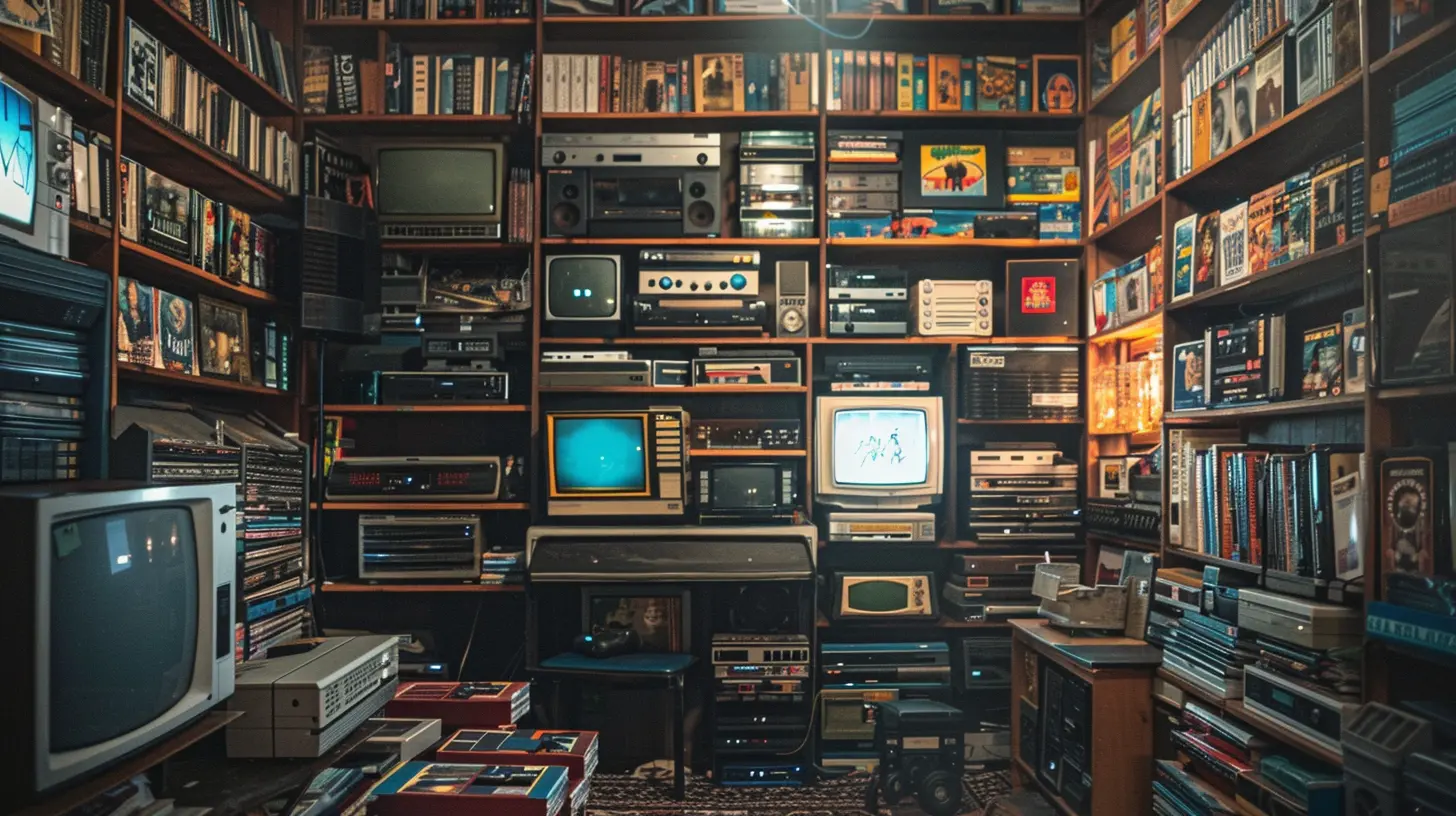
How Gaming Became A Nostalgia Goldmine
Let’s rewind a bit. The gaming industry is just old enough now (we’re talking over 40 years!) that entire generations have grown up with it. From pixelated beginnings on NES and Atari to the cinematic experiences of the PS5 and Series X, every era has its icons and memories.Now that those kids from the ’80s and ’90s are adults, guess what? They’ve got disposable income and a soft spot for reliving the games of their youth. That’s why remasters, reboots, and retro-inspired games are thriving.
The Golden Era Effect
The 'golden era' of gaming is a real thing—and no, it's not the same for everyone. For some, it’s the 8-bit days of Mega Man and Duck Hunt. For others, it's the 2000s, grinding in RuneScape or juggling your Sims’ lives.That era you grew up gaming in? That’s your golden age. And because we experienced it in our formative years, it left a deeper emotional impact than we probably realized at the time.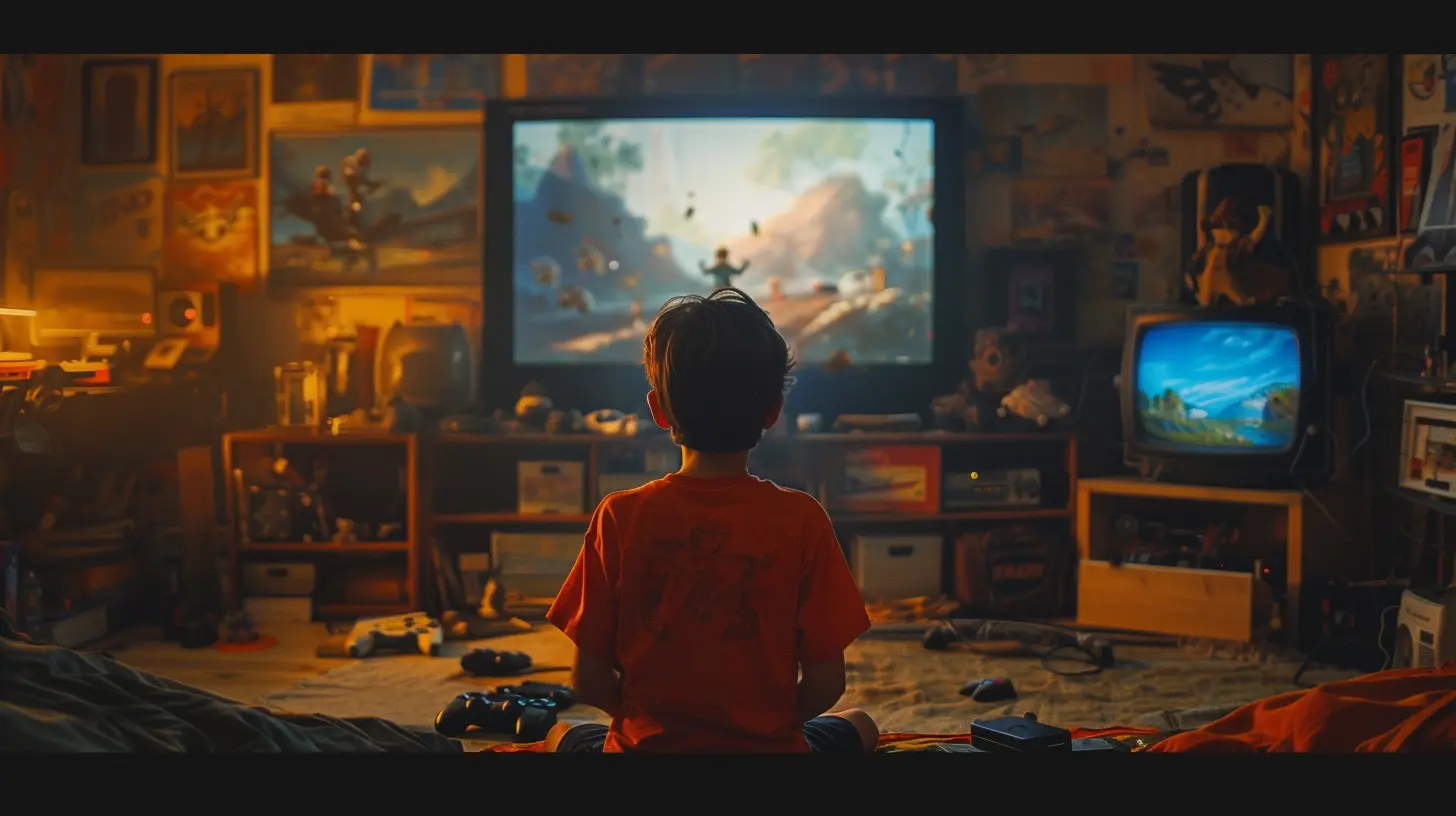
The Psychology Behind Gaming Nostalgia
Okay, let’s get a little nerdy for a second. Psychologists say that nostalgia helps boost mood, reduce stress, and even make people feel more connected. When you plug in your old console or download a retro game, you’re not just playing—you’re reconnecting with a version of yourself.The Comfort in Familiarity
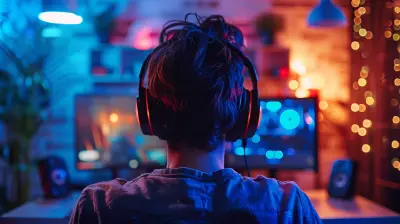
In a world that’s constantly changing, games from the past offer something familiar. You already know the controls, you know the story, and maybe—just maybe—you remember that cheat code to skip a level. It’s like revisiting an old friend. There’s no pressure, just fun.Memory and Association
Gaming moments are often tied to other strong memories—like playing with siblings, staying up late on sleepovers, or those lazy Saturday mornings. So when you replay a game, all of those feelings come flooding back. It’s not just nostalgia for the game itself, but for everything around it.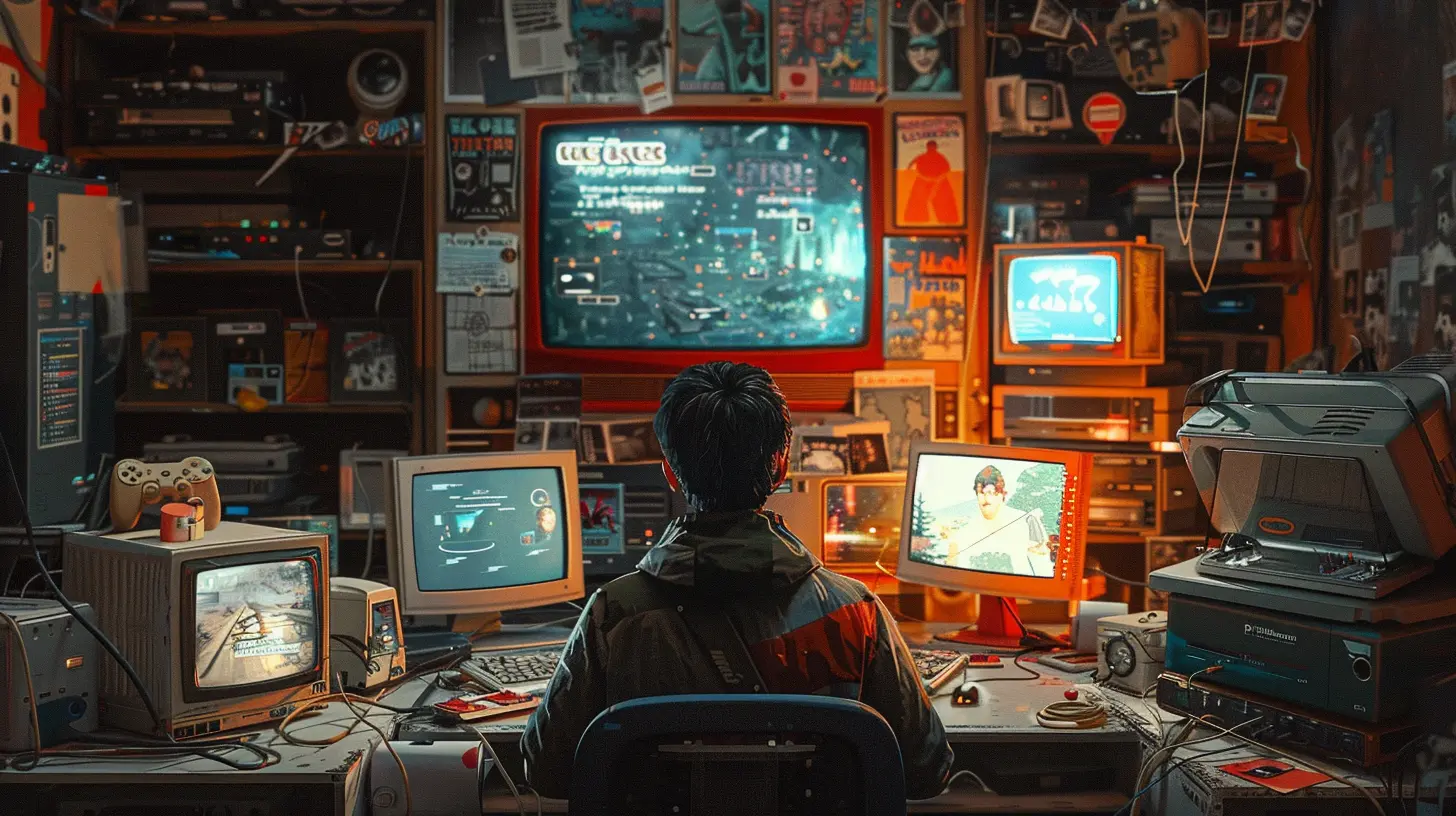
Why Game Developers Love Nostalgia (And Use It Well)
Let’s be honest—game companies aren't just being sentimental. They know nostalgia sells. And they’re really good at tapping into it.Remasters and Remakes
Think about how many classic games have been remade or remastered in recent years. Final Fantasy VII Remake, Resident Evil 2, The Legend of Zelda: Link’s Awakening… the list goes on. These games don’t just update the graphics—they carefully preserve what made the originals so iconic while giving fans a fresh experience.Retro-Inspired Indies
Even indie game developers are capitalizing on retro vibes. Take a look at games like Shovel Knight or Celeste. They mimic the art style and gameplay mechanics of older titles but with modern polish. They feel both new and familiar—and that’s the sweet spot.The Power of Sound and Visual Style
Want to know one of the strongest nostalgia triggers? Music and visuals. Those simple chiptunes and pixel art graphics can unlock memories like opening a childhood photo album.Iconic Soundtracks
Let’s be real: even if you haven’t played a Zelda game in years, hearing that overworld theme probably still gives you goosebumps. Game music sticks with us. It’s catchy, emotional, and often tied to important moments—like finally beating a tough boss or finishing a long quest.Pixel Art Never Died
You’d think with all the graphical power of today’s consoles, pixel art would be dead. Nope. It’s alive and well, and not just because it looks cool. Pixel art games take players straight back to the early days of gaming, and that’s a deliberate design choice.Nostalgia As a Bridge Across Generations
One of the coolest things about nostalgic gaming? It lets parents introduce their kids to the games they grew up on. Suddenly, a 10-year-old is playing Sonic the Hedgehog with their dad—or a teen is bonding with their mom over Tetris.Shared Experiences
Old games are simple, but that’s what makes them so accessible. Anyone can pick them up and play. Whether it’s co-op in Streets of Rage or some good ol’ Super Mario Run, the simplicity brings people together.Storytelling Through Time
Some franchises have been around so long, they become generational sagas. Think about The Legend of Zelda or Final Fantasy. Players pass down their love for these games, and the stories evolve with each generation.When Nostalgia Gets in the Way
Okay, so nostalgia is great—but it can also cloud our judgment. Sometimes, we overhype an old game only to realize, “Wow, the controls are clunky, the camera’s a mess, and how did I ever play this?”The Rose-Colored Controller
Memory is selective. Our brains tend to forget the frustrating parts and focus on the highlights. So when you go back and replay a game, it might not live up to the version you’ve built in your head over the years.Blocking Innovation
Some gamers get so wrapped up in the past that they resist change. Not every new idea is bad—and not every change ruins the original. Gaming evolves for a reason, and sometimes, letting go of nostalgia just a bit opens the door to incredible new experiences.Why We Keep Coming Back
At the end of the day, we don’t play old games just because they’re old—we play them because they meant something. They remind us of who we were, where we were, and how we felt. And sometimes, that’s exactly the escape we need.A Personal Escape
With the stress of daily life, a few minutes with a nostalgic game can feel like a mini-vacation. It’s like comfort food for the soul—familiar, satisfying, and deeply personal.Eternal Replay Value
Some games just never get old. No matter how many times you beat them, you find yourself returning. Maybe it’s the gameplay loop, the music, or just that feeling of “home.”Final Thoughts
Nostalgia in gaming is more than just a marketing tool—it’s an emotional connection between the player and their past. It’s the reason we smile when we hear old sound effects, the reason we still have our N64 in the closet, and the reason we introduce our kids to the games we grew up with.The gaming industry will continue to evolve, but nostalgia ensures that the past will always have a place. Whether it’s through remakes, indie throwbacks, or simply revisiting your childhood favorites, one thing is clear: nostalgia is one of the most powerful forces in gaming—and it’s here to stay.
all images in this post were generated using AI tools
Category:
Game CultureAuthor:

Lana Johnson
Discussion
rate this article
2 comments
Adam Gates
Nostalgia shapes our gaming experiences, making old favorites feel timeless and special.
July 18, 2026 at 3:07 AM
Lana Johnson
I completely agree. Nostalgia adds depth to our gaming experiences, making those classics resonate in unique ways.
Sabrina Gilbert
Nostalgia fuels our gaming dreams... timeless.
May 21, 2026 at 3:14 AM
Lana Johnson
Absolutely, nostalgia creates a deep connection, making gaming experiences feel timeless and unforgettable.