When Virtual Worlds Reflect Real-World Issues
26 April 2026
Gaming has come a looong way from the days of pixelated plumbers and blocky platforms. Today, games are sprawling universes, intricate storylines, and social playgrounds where millions of people interact—and not just for fun. Increasingly, virtual worlds are becoming mirrors of our real-life struggles, triumphs, and everything in between.
So, what happens when fantasy gets a dose of reality? What does it mean when your RPG side quest hits a little too close to home? Welcome to the conversation about how, more than ever, virtual worlds are boldly reflecting real-world issues.
Gaming: More Than Just Entertainment
Let’s get this out of the way—gaming isn’t just about escaping reality anymore. Sure, it still offers that, but it’s also become a platform for storytelling, commentary, and connection. And just like movies, music, and books often tackle serious themes, video games have evolved into powerful spaces for confronting the world’s biggest dilemmas.From mental health to political unrest, climate change to economic disparity—developers are no longer shying away from using virtual landscapes to echo real-world concerns.
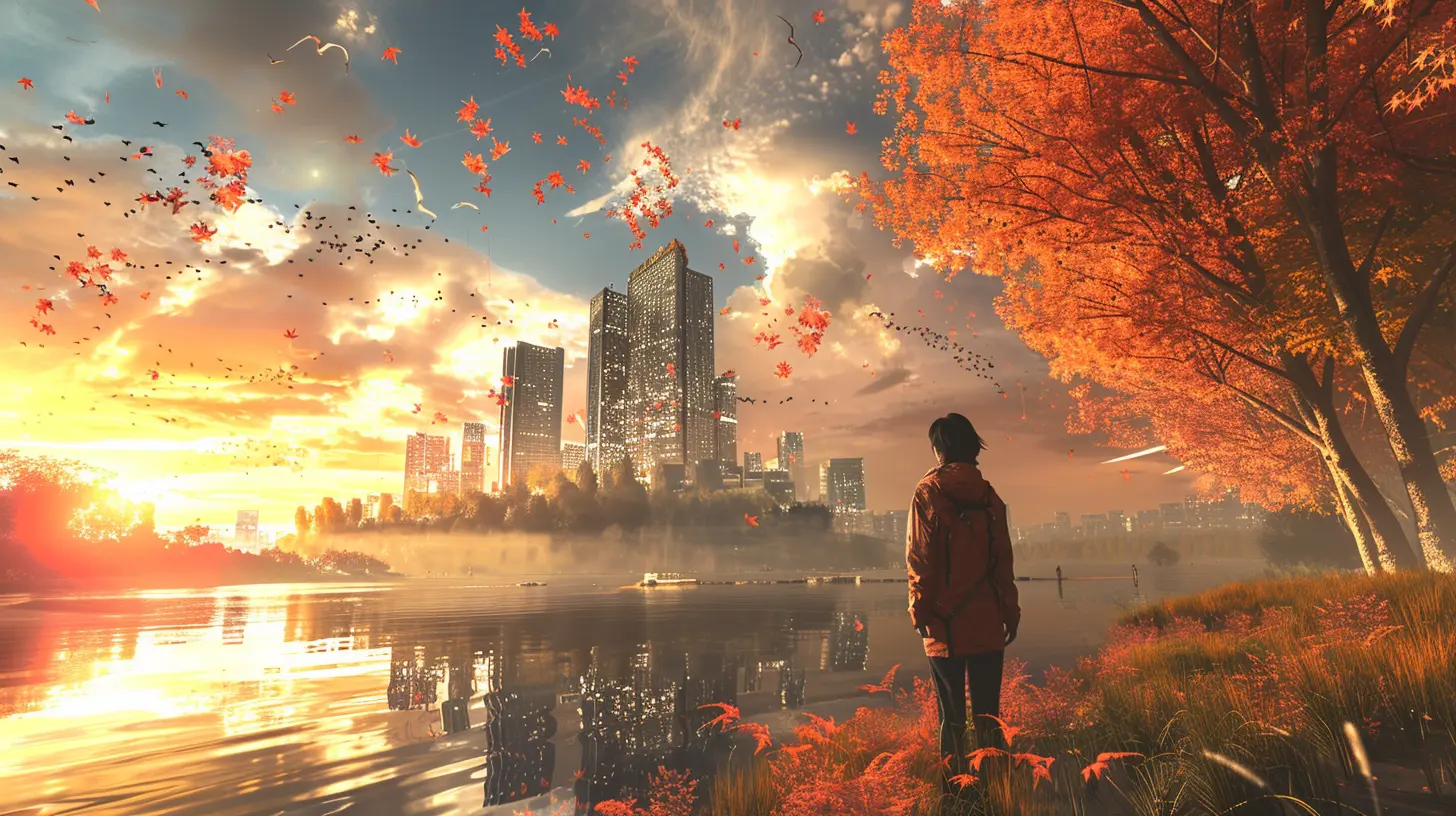
Why Do Virtual Worlds Mirror Reality?
Simple answer? Because we created them.Games are created by humans, and humans live in a world filled with challenges. So, it makes sense that creators would infuse their work with reflections of their experiences, thoughts, and societal issues. It’s like virtual graffiti—art that speaks truth, even if it’s in a pixelated realm.
Also, players themselves crave meaningful content. Games that tackle real-life issues resonate more deeply and generate emotional investment. And let’s be honest—when a game manages to make you think about the real world while you're wielding a sword or solving a puzzle, that’s some next-level immersion.
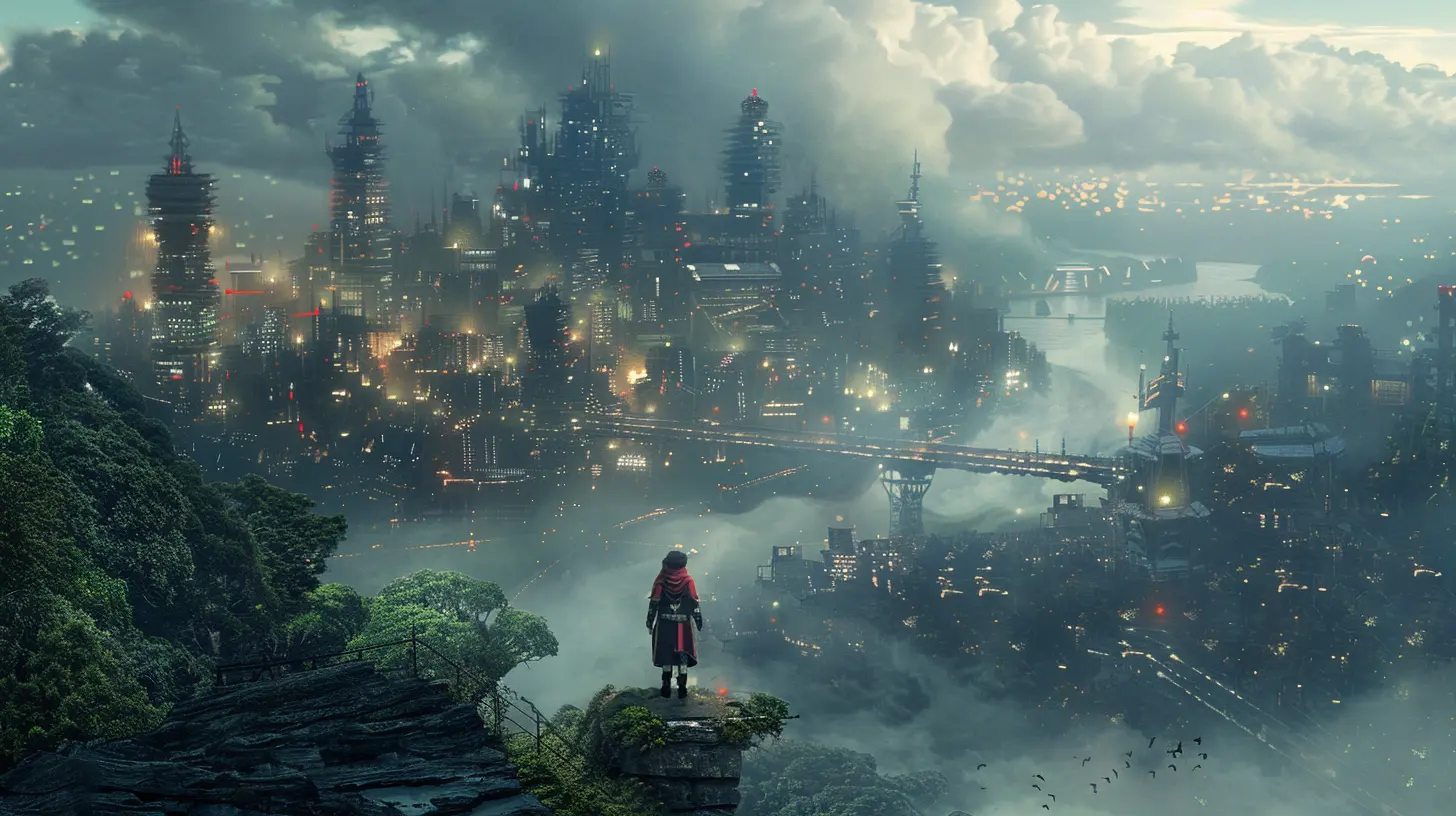
Games That Tackle Real-World Problems
Let’s dig into some standout examples of games that didn’t shy away from reflecting reality.1. _This War of Mine_ – The Human Side of Conflict
Forget about gung-ho action and headshots. _This War of Mine_ flips the script by putting you in the shoes of civilians trying to survive in a war-torn city.There’s no glory here—just desperation, difficult decisions, and moral gray zones. You’re not fighting the war; you’re trying to survive it. You ration food, decide whether to help others or save yourself, and wrestle with guilt. It’s raw, emotional, and a sobering reminder that wars don’t just affect soldiers—they shatter lives.
2. _Detroit: Become Human_ – A Mirror of Modern Inequality
This game isn’t just about androids rebelling—it’s a nuanced take on inequality, civil rights, and the meaning of consciousness.With layered narratives and player-driven outcomes, _Detroit: Become Human_ draws some clear parallels to racial and class struggles. It makes you look at how society treats “the other,” and challenges you to question what it means to be human. Heavy stuff, right?
3. _Life is Strange_ Series – Mental Health and Social Issues
This episodic series dives deep into issues like bullying, depression, sexual identity, and grief—all through the lens of supernatural teen drama. It’s heartfelt without being preachy, and it does a great job of showing how even the smallest actions can have far-reaching consequences.The writing is personal. The characters feel real. And the moments? Often gut-wrenching. Games like _Life is Strange_ remind us that emotional storytelling isn’t just reserved for books and movies.
4. _Eco_ – A Climate Change Simulator
If you ever wondered what would happen if Minecraft got a conscience, _Eco_ might be your answer. The game simulates an ecosystem where every action has consequences.Chop too many trees? Boom—deforestation. Release too much CO₂ from your factories? Say hello to rising sea levels. Players have to collaborate to develop technology while preserving the environment, making it one of the most poignantly educational games about ecological sustainability out there.
5. _Papers, Please_ – Bureaucracy and Moral Dilemmas
You play a border agent in a fictional dystopian Eastern bloc country. Sounds boring? Think again.Every decision you make—who to let in, who to deny—affects lives. Do you follow orders or listen to your conscience? Can you afford to bend the rules if it means feeding your family?
_Papers, Please_ is simple in design but rich in meaning. It’s an unsettling look at how power, survival, and morality collide under authoritarian rule.
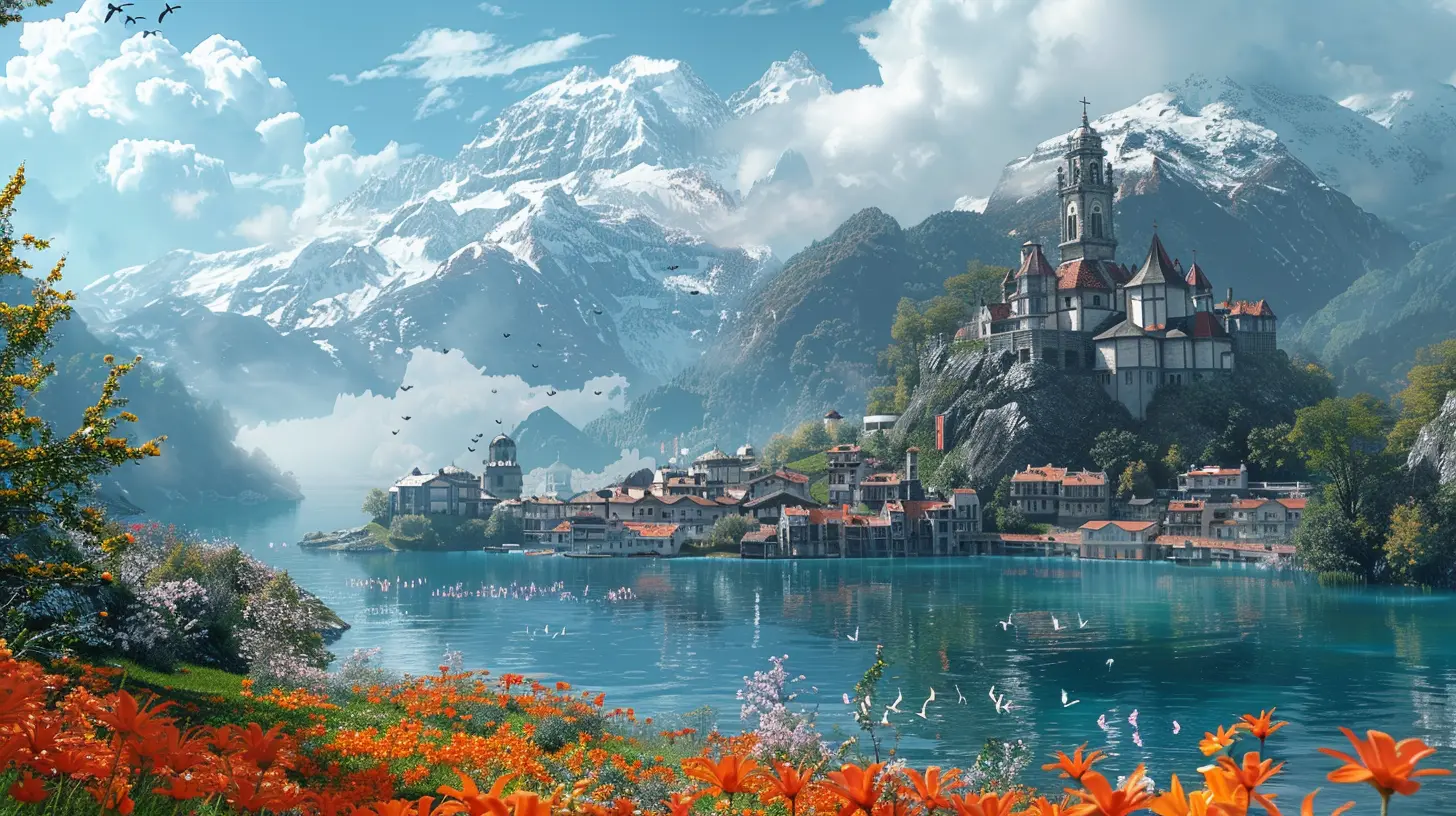
Why These Games Matter
Let’s face it—most of us don’t open a textbook to study human rights violations or climate science in our spare time. But drop us into a game that makes these issues real, interactive, and personal? Suddenly, we’re engaged.These games foster empathy. They help players see the world from different perspectives. And they make complex issues digestible through gameplay mechanics and storytelling.
Plus, they spark conversations. You don’t just finish the game and move on. You think about it. You talk about it. You read about it. That’s when you know a game did something right.
The Risk of Getting Too Real
Now, it’s not all pixel-perfect. Tackling real-world issues in virtual spaces can backfire if not handled thoughtfully. Poor research, tokenism, or oversimplification can dilute the message—or worse, offend the very people the game tries to represent.Representation matters, but authenticity matters more.
When games try to highlight social issues without doing the legwork, it shows. Not every attempt to "get real" ends up meaningful. That’s why collaboration with experts and affected communities is crucial when developing these kinds of narratives.
The Role of the Gaming Community
Let’s not forget the players. You.Gamers are no longer just passive consumers. They’re vocal, informed, and involved. They mod games, start campaigns, fund indie developers, and speak out on social issues. Online discussions around games that tackle real-world problems are vibrant and, more often than not, passionate.
So, if you’re playing a game that reflects reality, don’t just nod and move on. Talk about it. Share your thoughts. Create content. Be part of the conversation.
Can Games Actually Influence the Real World?
Short answer—heck yes.There are countless stories of games raising awareness, inspiring change, and supporting causes. Take _Foldit_, for example—a puzzle game that actually helped scientists solve medical problems. Or _Minecraft_, which has been used to teach sustainability, history, and even architecture.
Games can be tools for education, empathy, and activism. They can inspire players to get involved, vote, donate, or just be more aware.
So yeah, games can absolutely influence the real world. And the more they reflect real-world issues, the more powerful they become.
The Future: Games As Digital Social Commentary
We're already seeing a future where games are used like digital documentaries—interactive stories that let you walk in someone else’s shoes. As tech continues to evolve with AI, VR, and immersive storytelling, expect these virtual commentaries to become even more compelling and realistic.Imagine slipping on a VR headset and experiencing life in a refugee camp. Or using AR to uncover hidden histories in your own city. The possibilities are both exciting and slightly overwhelming.
But more than that, they’re important. Because at their best, games aren’t just play—they’re powerful, persuasive, and personal.
Wrapping It Up
When virtual worlds reflect real-world issues, they do more than just entertain—they educate, provoke, and inspire. They’re like modern myths, offering us a way to understand our world through the lens of choice, consequence, and creativity.And while not every game hits the mark, the ones that do? They stay with you. They challenge you. They make you see the world—both virtual and real—a little differently.
So next time you log in, ask yourself: what’s this game really trying to say?
Because sometimes, the most powerful truths aren’t in the real world—they’re waiting for you on the other side of a loading screen.
all images in this post were generated using AI tools
Category:
Game CultureAuthor:

Lana Johnson
Discussion
rate this article
2 comments
Zarev Kirkpatrick
If only my virtual avatar could pay my real bills... Guess I'll keep saving the world one game at a time!
May 4, 2026 at 2:36 AM
Harrison Clark
Who knew that pixelated avatars could tackle real-world dilemmas? 🎮✨ From saving the environment to social justice quests, virtual worlds are leveling up our awareness. Let's embrace these game-changing adventures and see how high scores can spark real change—one digital hero at a time!
April 27, 2026 at 2:52 AM
Lana Johnson
Absolutely! It's fascinating how these digital experiences can inspire real change. Gamers are becoming advocates, and every quest counts.