Why Quests Remain the Heart of Role-Playing Games
7 March 2026
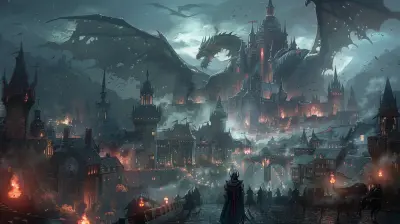
Ah, quests. Those shiny golden exclamation marks in digital universes, fluttery bits of scrolls from suspiciously enthusiastic townsfolk, cryptic messages left in dusty tombs, or maybe just that one random guy shouting, “Hey you! Come over here!” It doesn’t matter where they come from—quests are the lifeblood of role-playing games (RPGs), old and new.
Seriously though, imagine an RPG without quests. What would you even do? Stand around and admire your shiny armor? Sharpen your sword pointlessly on a rock? Quests give you purpose, drive, story—and let’s be honest, loot. So, let’s dive into why quests are (and always will be) the beating heart at the center of every great RPG.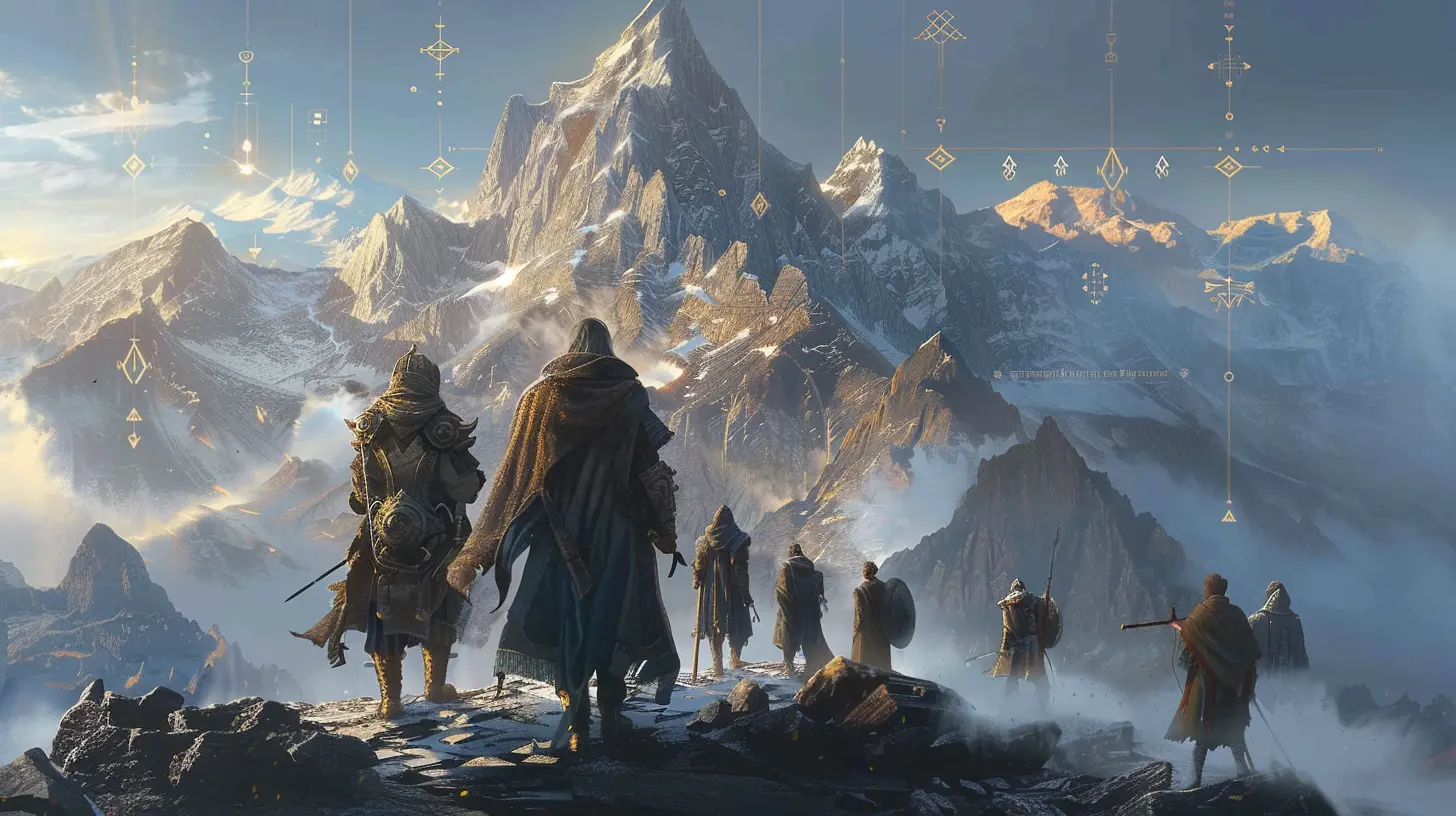
The Hero’s Journey Starts with a Quest
Let’s start with the juicy bit: storytelling.Quests are the narrative glue that holds everything together. They’re your entry ticket into a world of adventure—your very first “Go save the village from those goblins!” mission is more than a tutorial. It’s a narrative nudge saying, “Hey, you’re special… now go prove it.”
Whether you’re a humble farmhand turned dragon-slayer or a chosen one with glowing runes on your arm, quests set you on a path. Sometimes it’s a straight path. Most times? It’s a winding, spiraling, emotionally-uplifting roller coaster of epic proportions.
Quests give games structure. Without them, it’s just chaos. You can’t have a game where everyone just chills in taverns all day. (Okay, maybe you can—looking at you, casual life sims—but that’s a different genre.)
They Give You a Reason to Care
Let’s be real—how many times have you continued playing a game because you just had to find out what happened to that missing prince, or what the heck that ancient prophecy meant?Quests give context. They tell you why the world is the way it is, what’s at stake, and why you, out of everyone in the world, are the one who has to do something about it. They give your actions weight and meaning.
Sure, it’s fun to swing a sword or cast a spell, but when that action is tied to a story—when you’re avenging a fallen comrade, saving an innocent village, or breaking a 300-year-old curse—it hits different.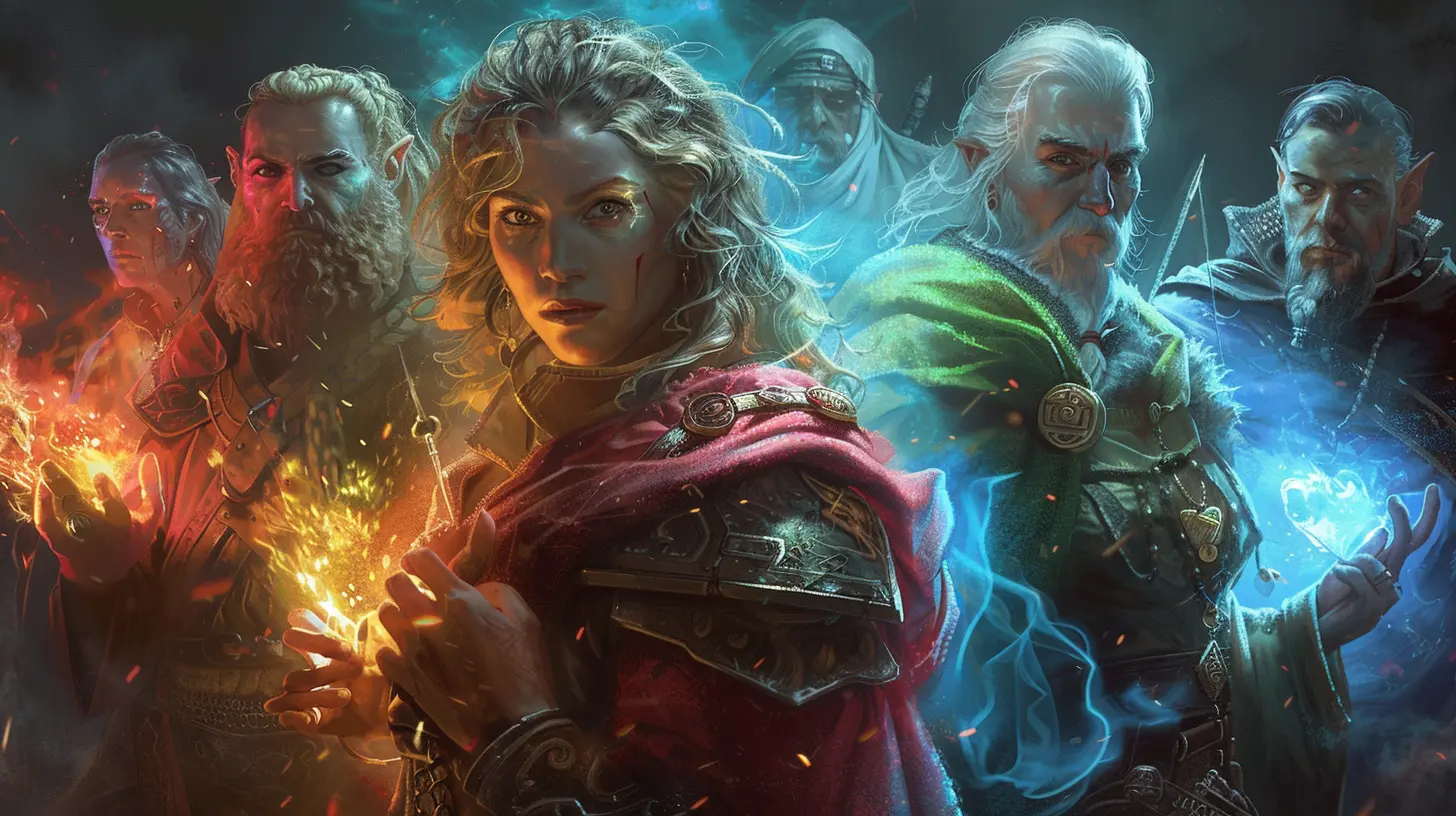
A Playground for Choices (And Consequences)
Ever told an NPC you’d help them and then… didn’t? Yeah, we’ve all been there.Quests in RPGs often come with choices. And those choices can lead to juicy consequences. Will you take the morally righteous path, sparing the villain and hoping for redemption? Or do you draw your blade because vengeance is way cooler?
It’s this element of decision-making that turns a linear mission into a personal journey. And let’s not forget those branching narratives. One little quest gone wrong can change your whole ending. Talk about pressure.
These quest-based choices let you express your character—not just what they wear or what weapon they use, but who they are fundamentally. Are you a merciful hero? A ruthless rogue? Or just someone who skips cutscenes and clicks "Accept" on everything? (No judgment.)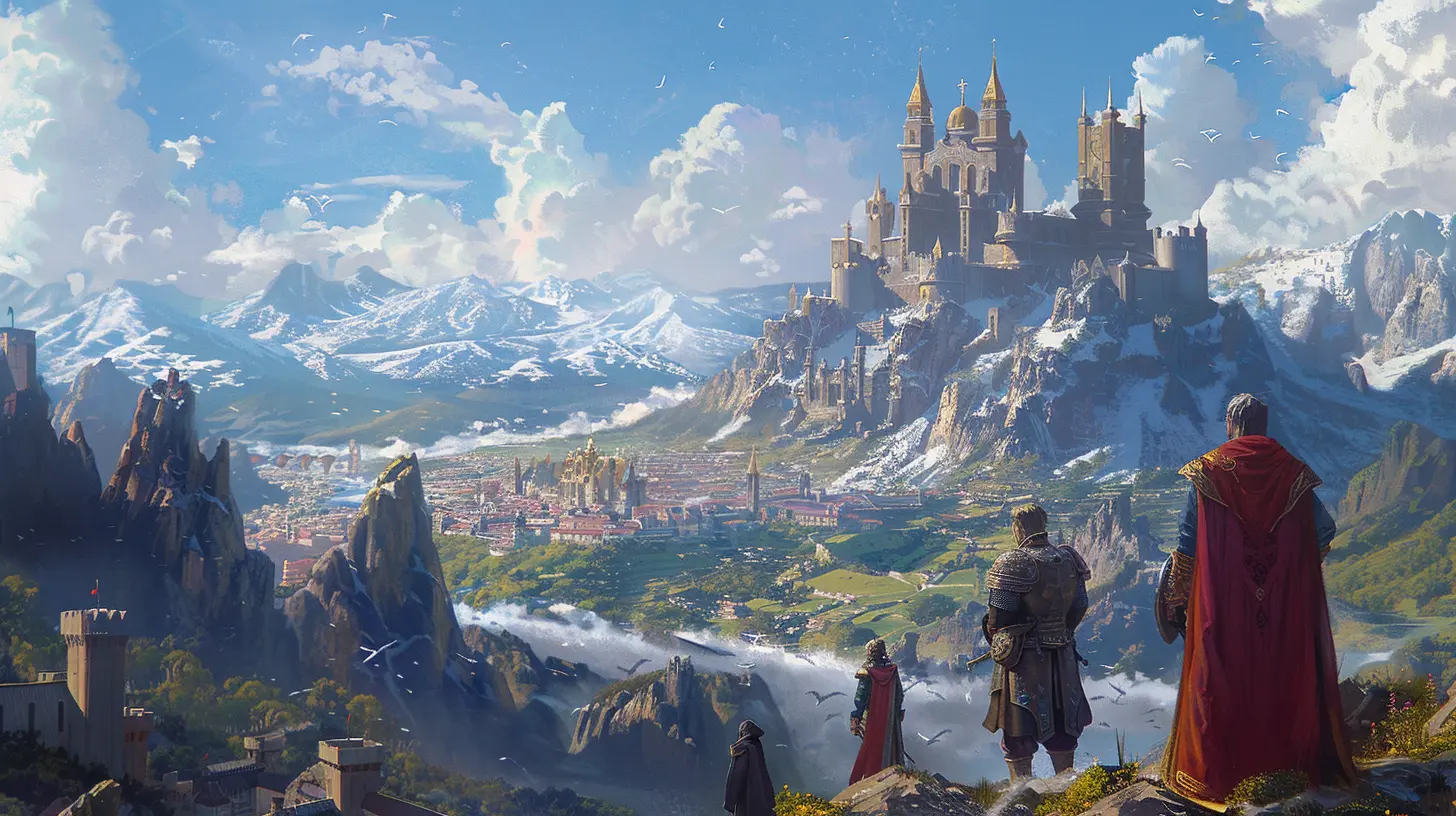
Quests Are Reward Machines (Yes, We Love the Loot)
Let’s not kid ourselves—some of us are in it for the gear, baby.Quests often hand out tasty rewards like legendary swords, rare armor sets, unique spells, or even that sweet, sweet gold. Sometimes, even better—companions, mounts, or new areas to explore.
The dopamine hit of checking off a quest and seeing your inventory glow with new goodies is real. It’s like scratching off a lottery ticket and actually winning something.
But it’s not just about the tangible stuff. Some of the best rewards are intangible—learning about a character’s backstory, unlocking a secret plot twist, or earning the respect of a faction. Delicious.
They Guide You Without Holding Your Hand
Think of quests as your GPS in an open-world jungle—but with dragons instead of traffic.A good RPG balances freedom with direction, and quests are the perfect tool for this. They gently push you toward new locations, introduce you to key characters, and reveal mechanics at just the right pace. All without making you feel like you’re on rails.
Sure, you can go off the beaten path. That’s part of the charm. But when you’re ready for more story, the game’s always got another quest ready for you. It’s like that friend who says, “Hey, wanna go do something cool?” And we always say, “Yes.”
They Make the World Feel Alive
Ever notice how questlines affect the game world? Maybe a town flourishes because you saved it, or an NPC you helped earlier turns up later with a crucial clue. That’s magic.Quests allow for worldbuilding in the best way—interactive and personal. You’re not just reading about history or lore in a dusty book (though you can do that too). You’re part of it. You’re making it happen.
Games like The Witcher 3 or Skyrim do this brilliantly. One choice in a seemingly minor quest can ripple across the game like a pebble in a pond. Suddenly, your story isn’t just a story—it’s your story.
Side Quests: The Unexpected MVPs
Main quests get all the glory, but let’s take a second to appreciate side quests.You know the ones—helping a ghost find peace, collecting rare herbs for an old alchemist, or getting a cat out of a tree (again). They might seem small, even silly, but they add flavor and depth.
These quests reveal the soul of a game. They let you slow down. They show humor, heart, and humanity. And sometimes, side quests offer some of the best writing and most emotional moments in the whole game.
Plus, they’re perfect for when you just want to avoid the endgame and pretend the world isn’t ending. (We see you, procrastinators.)
Companion Quests – Because Friendship Matters
What’s an RPG without a motley crew of companions with tragic backstories and quirky one-liners?Companion quests strengthen your bond with party members, reveal their pasts, unlock unique abilities, and sometimes even spark romance. These quests make them feel more than just talking swords or walking health potions.
Think about Mass Effect, Dragon Age, or Baldur’s Gate—you’re not just fighting for a cause. You’re fighting for (and with) friends. Companion quests make that connection real.
Procedural vs. Handcrafted Quests
Let’s quickly touch on quest design—because not all quests are created equal.Some games use procedural generation to create hundreds of quests. That’s great for content, but it can get repetitive. “Go here. Kill thing. Bring back thing.” Yawn.
Now, handcrafted quests? Chef’s kiss. These are the ones dripping with lore, character development, twists, and sometimes a moral dilemma that has you staring at your screen for 10 minutes flipping a coin.
The best games blend both. Random quests for grinding and exploring, and handcrafted ones for memorable story beats. It’s like mixing plain popcorn with caramel-coated clusters. Perfect combo.
Quests Keep Evolving (And That’s a Good Thing)
Quests aren’t stuck in 1997. They’ve grown with us.Remember when they were just fetch quests with zero context? Now we’ve got dynamic events, player-driven narratives, multi-phase missions, and time-sensitive consequences. Quests now can adapt based on your choices, your class, even your relationships.
Games like Cyberpunk 2077 and Divinity: Original Sin 2 are pushing those boundaries, making quests reactive and personal.
And with AI, player feedback, and modding communities growing stronger than ever, who knows? Maybe the next generation of quests will read your mind and start before you even hit "New Game."
It’s the Journey, Not Just the Destination
Look, we all want to complete the main quest, slay the big bad, and ride into the sunset. But looking back, it’s not just the climax that sticks with us.It’s that funny moment in a tavern. That awkward escort mission that turned wholesome. That accidental betrayal because you weren’t paying attention. These little (and big) quests collectively make your game experience unforgettable.
Quests are more than just tasks. They’re memories in the making.
Final Thoughts: Long Live the Quest!
Without quests, RPGs would be like pizzas without toppings. Still technically food, but a whole lot less satisfying.They’re the compass that guides you, the fuel that drives you, and the spice that makes it all worth it. Whether it’s saving the world or delivering soup to a sick villager, quests stitch the soul of role-playing games together.
So next time you see that glowing exclamation mark above someone’s head, you know what to do—click it. Accept it. Live it.
Your next great adventure is only a quest away.
all images in this post were generated using AI tools
Category:
Quests And MissionsAuthor:

Lana Johnson
Discussion
rate this article
2 comments
Honor Benson
Quests: where epic battles, quirky characters, and snack breaks collide! Who knew saving the world could be so fun?
March 8, 2026 at 5:13 PM
Lana Johnson
Absolutely! Quests blend adventure and humor, making the journey as enjoyable as the destination. They truly capture the essence of RPGs!
Nicole Ross
Quests are crucial in RPGs as they drive narrative, foster character development, and immerse players in vibrant worlds. They create meaningful experiences that engage and motivate players to explore further.
March 7, 2026 at 6:04 PM
Lana Johnson
Absolutely! Quests truly are the lifeblood of RPGs, enhancing storytelling, character growth, and player engagement in immersive worlds.