The Rising Trend of Games as Art Installations
25 July 2026
Video games have come a long way from pixelated screens and 8-bit music. What used to be considered a pastime for teenagers in dimly lit bedrooms has morphed into something far more powerful—something that can now belong inside a museum. No joke! We've hit a point in time where games are being treated not just as entertainment, but as legitimate works of art. And they’re not just being played—they’re being experienced, as immersive, thought-provoking installations in art galleries and museums around the world.
So let’s talk about this whole new wave. Why are games suddenly showing up in galleries? What’s driving this trend? And more importantly, what does this merging of video games and fine art actually mean?
Wait, Games in Art Galleries? Seriously?
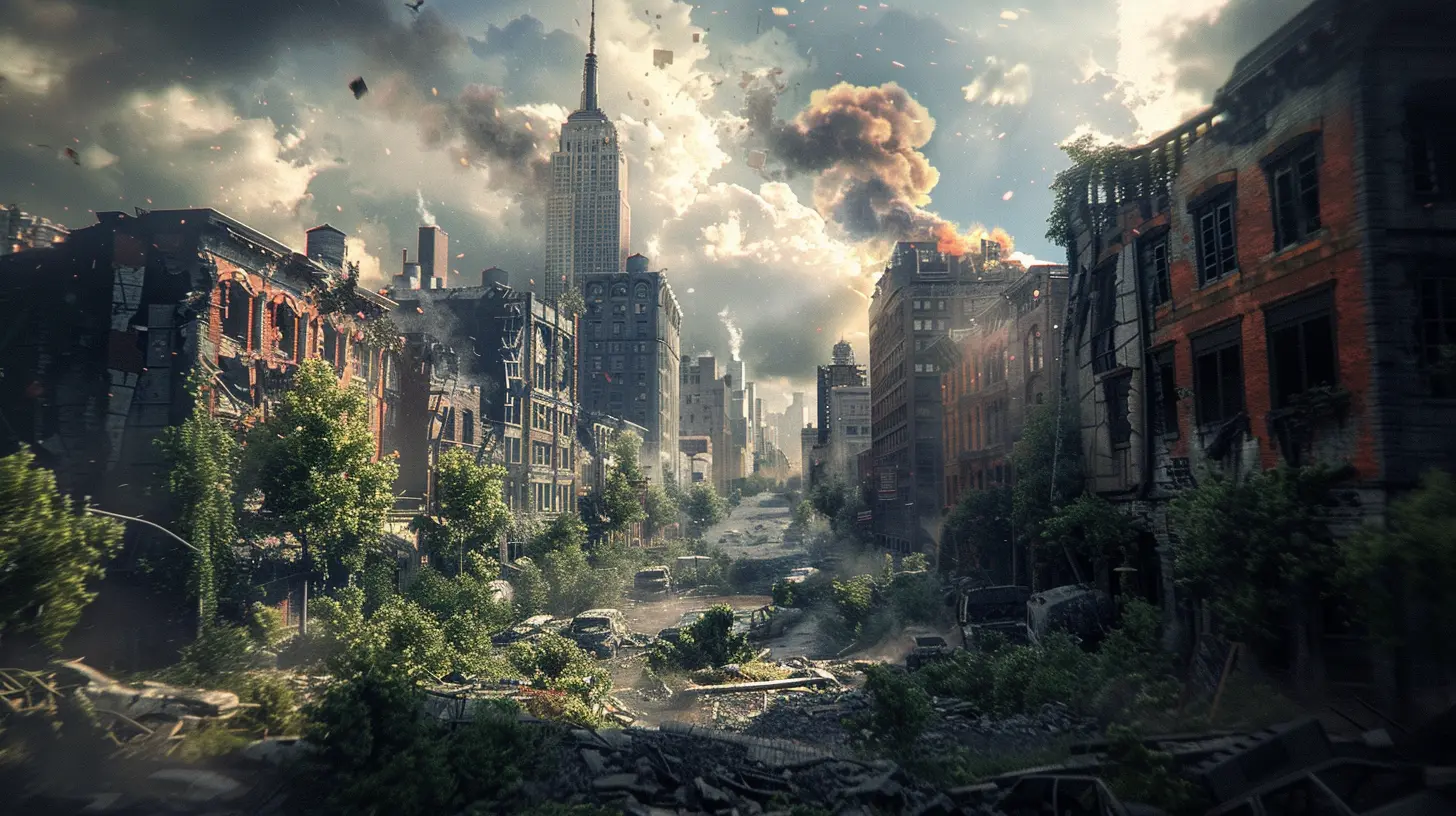
Yep. You heard that right.Art installations have always pushed boundaries—whether it's performance art, sculpture, or digital projections. And as technology grows, so do the possibilities. Interactive digital experiences are no longer rare in the art world. So when you think about it, video games are just a natural next step. They’re interactive, visual, and loaded with narrative potential. Plus, they’re built to engage the user—something traditional art sometimes struggles with.
But here’s the kicker: these games aren’t just being displayed behind glass. They're being built into physical installations—with custom-designed spaces, soundscapes, large projection screens, sometimes even VR headsets and motion sensors. Visitors walk in, and boom—they’re not just looking at art, they’re part of it.
Example? Take That Dragon, Cancer—an emotionally devastating game that became the centerpiece of multiple exhibitions worldwide. It blurred the line between storytelling and personal journal, bringing players into the heartbreak of a family dealing with terminal illness. It wasn’t just a game. It was an experience.
The Artistic Backbone of Gaming
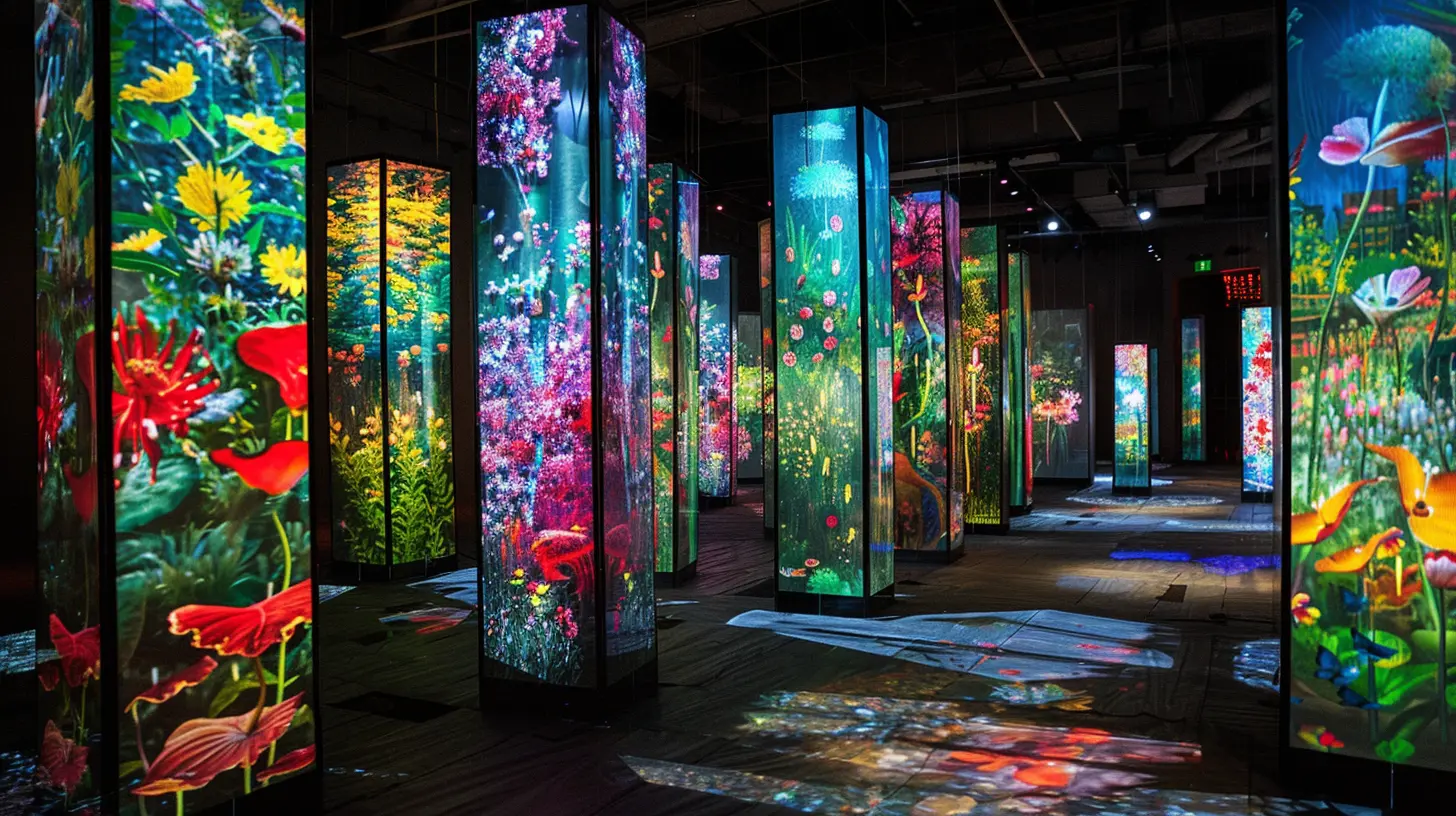
Let’s hit the pause button and zoom out a bit.Think about what actually goes into creating a video game. It's not just coding. It involves concept art, music composition, narrative writing, architectural design, voice acting, and choreography. It’s a full-blown creative orchestra. So why wouldn’t that count as art?
In fact, games have been showcasing breathtaking visuals and deep storytelling for years. Titles like Journey, Inside, Gris, and Firewatch have become modern art in their own right—each offering their own flavor of emotional depth, visual beauty, and introspection.
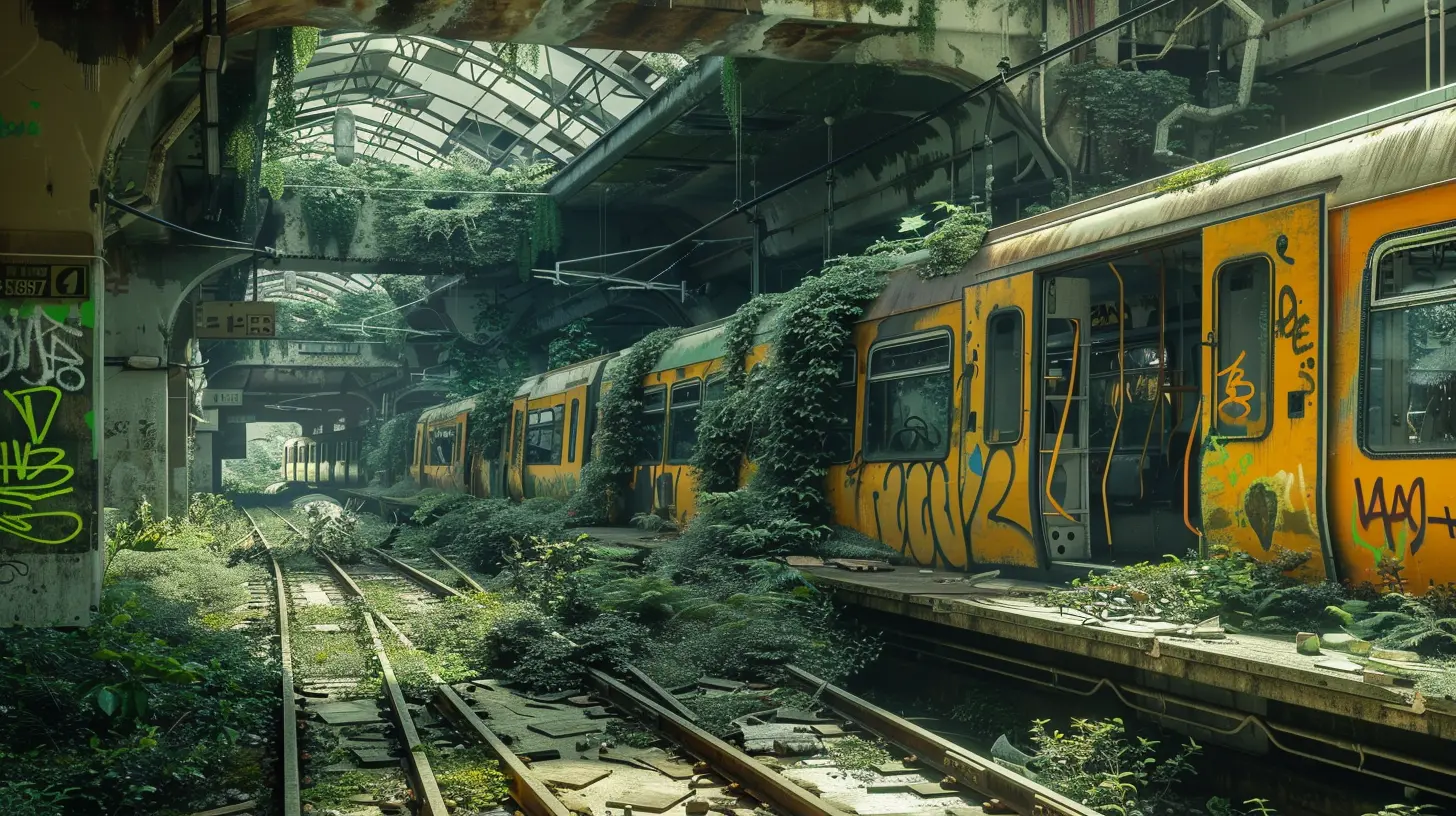
When installed as art, these games are often displayed in ways that highlight their aesthetic elements. Journey, for instance, has been shown in galleries with giant screen projections and ambient sound installations to amplify its meditative feel. It’s not just about letting someone “play” the game—it’s about letting them feel it.
A New Breed of Artists: Game Designers
We need to talk about the creatives behind these experiences. Game designers are, in many ways, the new-age artists. They’re no longer just making fun mechanics—they’re building worlds, telling stories, provoking thought.Artists like Tale of Tales (the creative team behind The Graveyard and The Path) specifically create games that challenge traditional gameplay. These are not games you “win”; they’re meant to be interpreted much like a painting or poem. The developers themselves often describe their work as "notgames"—interactive experiences that don’t follow the usual rules.
It’s this kind of mindset that’s turning heads in the art world. When video games stop being about scoring points and start being about evoking emotions, they become something much more profound.
Museums Are Opening Their Doors
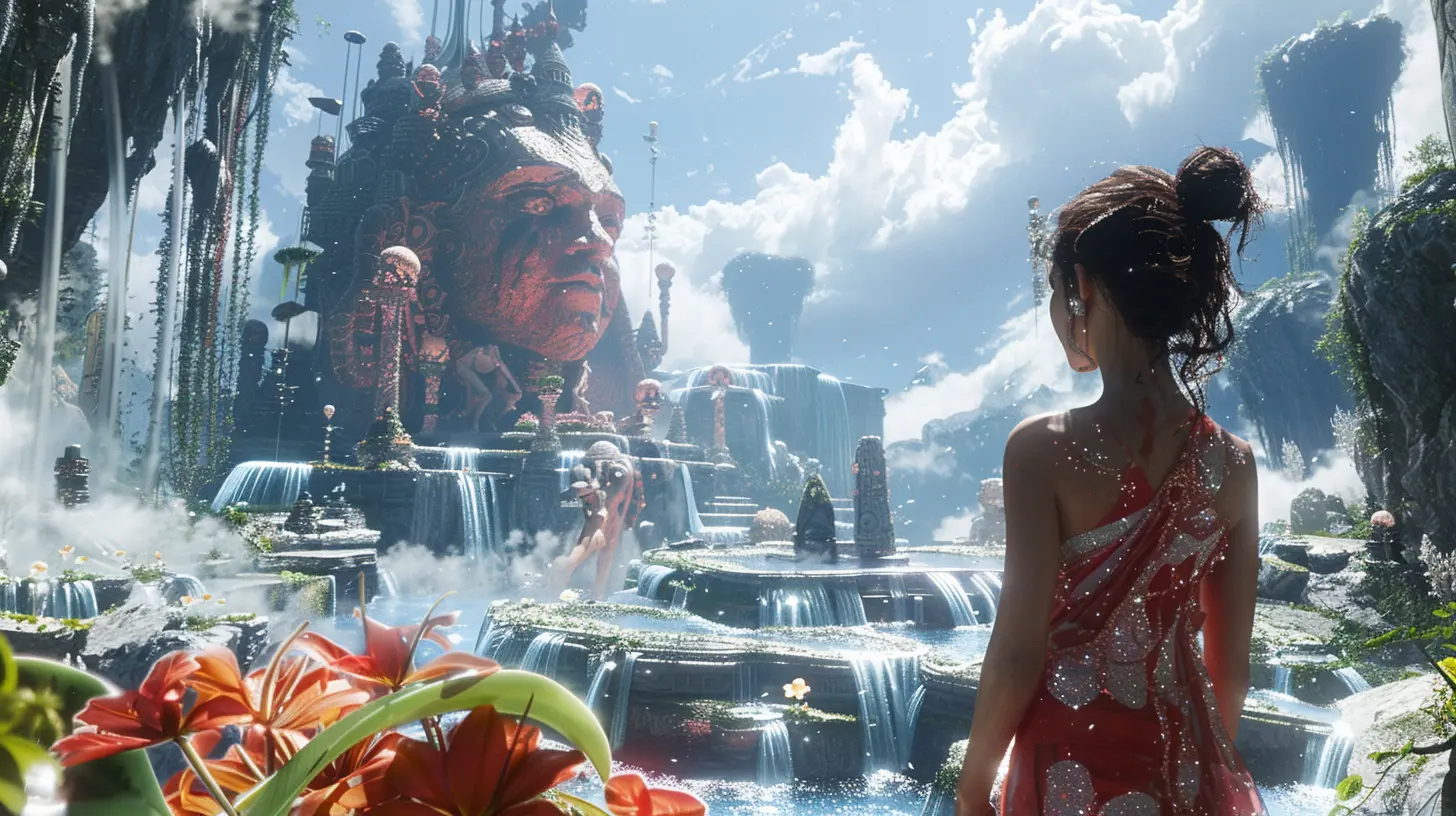
You might be surprised, but major art institutions are already on board. The Museum of Modern Art (MoMA) in New York added video games to their collection back in 2012. Titles like Pac-Man, Tetris, and Portal now sit alongside Picassos and Van Goghs.Other museums quickly followed suit. The Smithsonian American Art Museum hosted “The Art of Video Games” exhibition, which drew massive crowds. Across the pond, London’s Victoria & Albert Museum, and even more niche institutions like the ZKM in Germany, have embraced gaming as a legitimate art form.
Why? Because they get it. They understand that culture is evolving, and that video games are just as influential as literature, film, and painting.
Interactivity: The Secret Sauce
Here’s what makes game-based art installations so powerful—they’re interactive. Unlike a painting that you merely look at, or a sculpture you admire from a few feet away, games invite you in. They demand your participation.That interaction creates a personal experience. Each visitor might have a different takeaway based on how they played, explored, or even failed. In that sense, it's not just the artist guiding the message—the audience becomes co-creators of the meaning.
It’s art that listens, responds, and adapts. That’s revolutionary.
Breaking Down the Walls Between Gaming and Art
There’s always been this mental block—some artificial wall that separates “high art” from “entertainment.” But as we become more digitally immersed, those walls are crumbling fast.Just like film went from novelty to art form in the 20th century, gaming is undergoing its own renaissance. And art installations are one of the key avenues for this evolution. They open up games to new audiences. Some of these people may have never picked up a controller in their life, but set them in front of a game installation and they’re suddenly pulled into a new way of seeing and feeling.
Think of it as the art world’s ultimate crossover event.
Are All Games Art, Then?
Whoa, let’s pump the brakes for a second.Not every game needs to be art—and that’s totally okay. Some games exist purely to entertain, to challenge, or to let you blow off steam. Not everything has to be profound. Just like not every movie is meant to be Oscar-worthy, not every game needs to be a gallery piece.
But here’s the thing: the potential is there. The tools, the talent, the technology—all of it enables games to be more than just games. Whether they choose to go that route is up to the creators. But the door is wide open.
The Role of Indie Developers
Big studios usually play it safe. They’ve got deadlines, investors, and big budgets to worry about. But indie developers? They're the punk rockers of the gaming world. They’re raw, experimental, and not afraid to take risks.Many of the games being used in art installations come from indie creators. These are the people willing to turn a game into a poem, a protest, a confession, or a dream. They’re often working with tiny teams and micro-budgets, but what they lack in resources, they make up for in vision.
Games like Papers, Please, Braid, The Beginner’s Guide, and Her Story challenge traditional game mechanics and narrative structures, making them prime candidates for gallery display.
The Future: Where Are We Headed?
This trend isn’t slowing down anytime soon. As VR and AR continue to evolve, so will the possibilities for immersive game installations. Imagine walking into a museum where you become a character in a story that unfolds around you in real-time. The lines between game, performance, and reality will continue to blur.We’re heading toward a future where gaming isn’t just a form of play—it’s a form of expression, a language, a medium as rich and versatile as any traditional art form.
Why It Matters
Let’s get real for a second—this trend isn’t just about putting screens in a gallery. It’s about acknowledging that creativity wears many hats. It’s about breaking down decades of stigma and finally giving creators the respect they deserve.More importantly, it opens up conversations. Games-as-art ask big questions. They challenge perspectives. They make you feel something. And isn't that what good art is supposed to do?
So yeah, games are art. Not all of them. Not always. But when they hit the right notes? They’re powerful, beautiful, and unforgettable.
Final Thoughts
We’re witnessing a cultural shift—one where games step into the spotlight not just as entertainment, but as meaningful, artistic experiences. Whether you’re a hardcore gamer or someone who’s never picked up a controller, there’s something magical about seeing a medium evolve in real time.Art installations are giving us all a front-row seat to that evolution. And honestly? It’s about time.
all images in this post were generated using AI tools
Category:
Game CultureAuthor:

Lana Johnson