The Evolution of Video Game Storytelling
2 May 2026
Remember when video games were just about beating the high score or saving a pixelated princess from a pixelated dragon? Fast-forward a few decades, and now we’re crying over fictional characters, questioning morality, and getting emotionally wrecked by narrative twists. The journey from Pong to Red Dead Redemption 2 isn’t just about better graphics or soundtracks—it’s about how storytelling in video games has evolved to become one of the most powerful mediums for narrative expression.
Let’s dive into how far we’ve come and why storytelling in games today can rival even the best of Hollywood.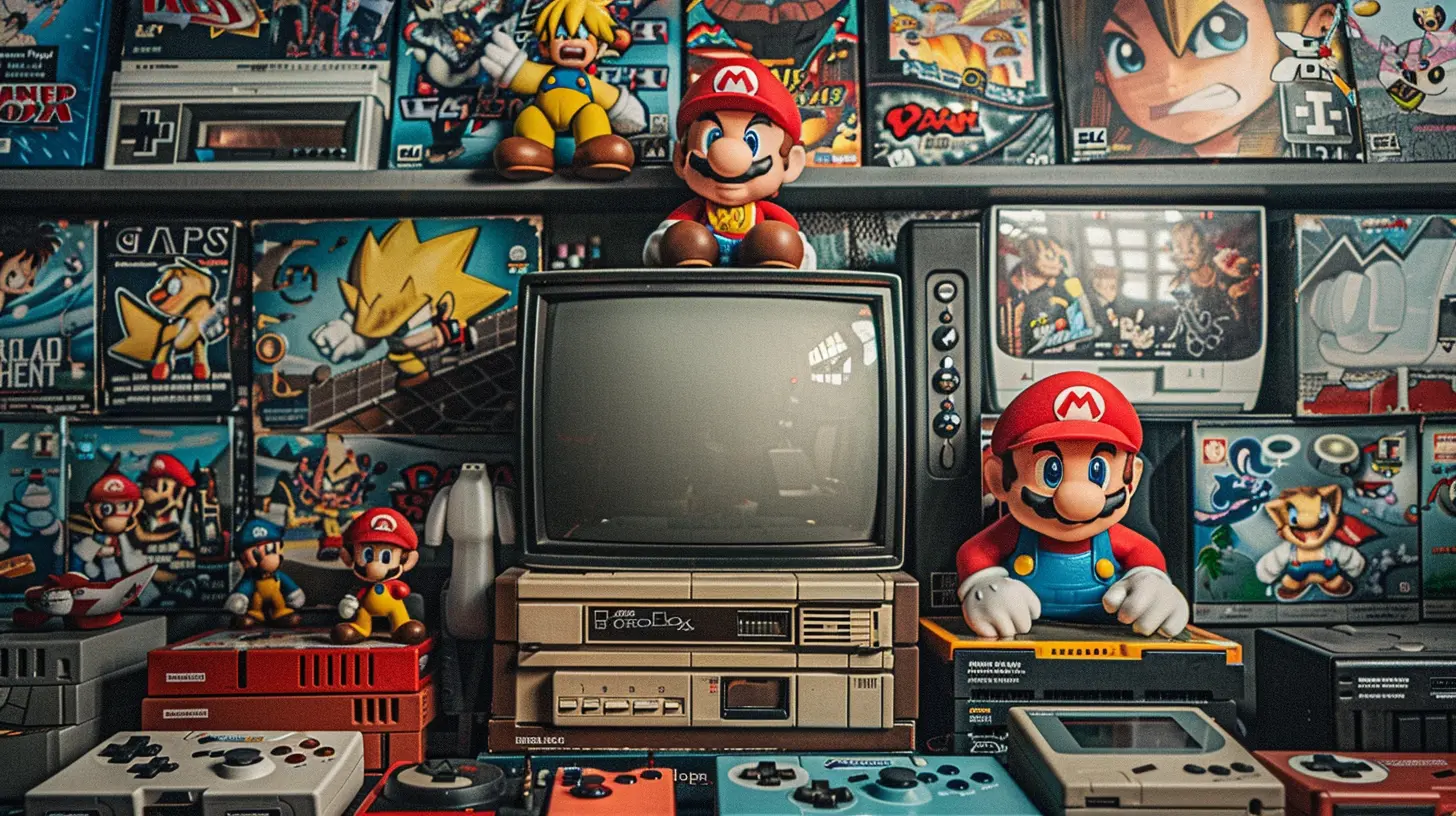
The Pixelated Beginning: Story Wasn’t The Star (Yet)
Back in the day, storylines in games were… well, let's just say they were "simple." Take Pong, for instance. Spoiler alert: there was no story. You were just bouncing a ball back and forth. Same goes for classics like Space Invaders and Asteroids. There was a vague idea of what was happening—a lone spaceship, an alien invasion—but the main goal was to rack up points and not die.Then came arcade hits like Donkey Kong and Pac-Man. Suddenly, there was a sprinkle of narrative: a damsel in distress, a plumber climbing platforms, and a yellow cheese wheel being chased by ghosts. Progress? Definitely. But character development? Eh, not so much.
The 80s and 90s: Cue the Dialogue Boxes
As technology got better, so did storytelling. Enter the role-playing game (RPG) boom. Games like Final Fantasy, The Legend of Zelda, and Chrono Trigger didn’t just throw enemies at you—they gave you a reason to care. You had quests, characters with backstories, and plot twists that made you gasp (or want to throw your controller).These games used text boxes and still imagery, but they laid the groundwork for narrative depth. You weren’t just playing anymore—you were participating in a story.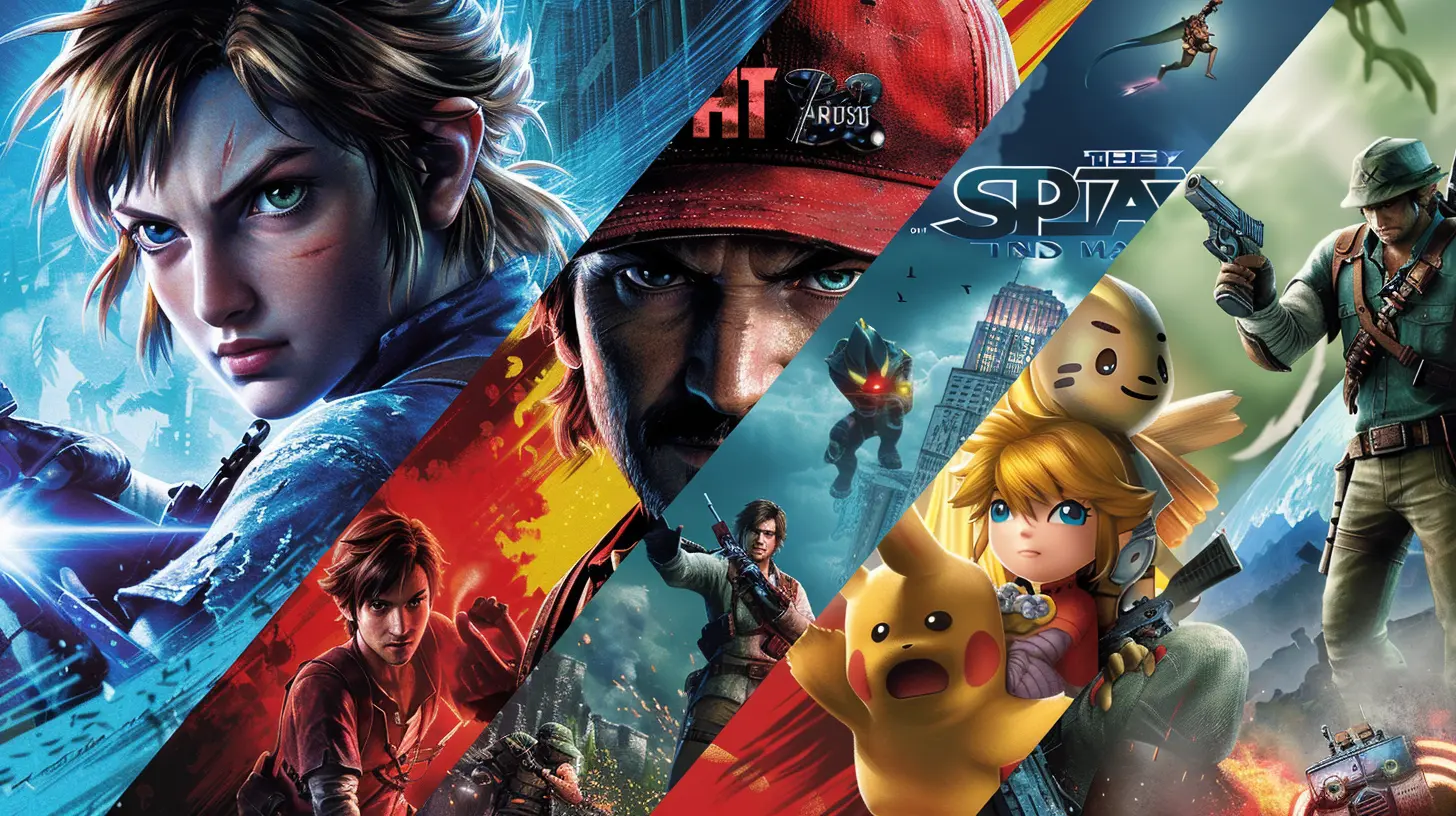
The Rise of Cinematic Games
By the time the PlayStation era rolled around, storytelling took a cinematic turn. Games like Metal Gear Solid and Final Fantasy VII used voice acting, cutscenes, and even camera angles to convey emotion and tension. Honestly, it felt like watching a movie where you got to be the lead actor.This era got players emotionally invested. We weren’t just worried about winning; we were worried about characters dying, friendships breaking, and entire worlds being destroyed. Emotional storytelling had entered the chat.
Choice Matters: Enter Player Agency
One of the most brilliant twists in video game storytelling? Making the player part of the story. Games like Mass Effect, The Witcher, and Telltale’s The Walking Dead handed us the pen and said, “Go ahead, write your own story.” Every choice you made had consequences. Sometimes subtle, sometimes game-changing.Remember when you had to choose between saving one character or another and the weight of that decision stuck with you long after the credits rolled? That’s storytelling power. It wasn’t just about watching a narrative unfold; it was about shaping it with our own hands.
Indies Breaking Boundaries
While AAA developers focused on massive worlds and high budgets, indie games were quietly revolutionizing storytelling in their own way. Titles like Journey, Undertale, Celeste, and What Remains of Edith Finch proved that you don’t need blockbuster graphics to tell a deeply moving story.These games often explore personal, intimate themes—mental health, grief, identity—told through clever mechanics and minimalist art styles. It's like reading a heartfelt short story after finishing an epic fantasy novel. Different scales, same emotional impact.
Narrative as Gameplay: Blurring the Lines
This is where things get really interesting. Some games don’t just have a story—they are the story. In titles like Her Story, Outer Wilds, or Disco Elysium, piecing together the narrative is the gameplay itself. You’re not just solving puzzles or fighting bosses—you’re unraveling mysteries, putting together timelines, interpreting dialogue.It’s not about cutscenes separating gameplay from story—it’s about making the storytelling an interactive, integral part of the experience. That's a level of immersion movies or books simply can't offer.
Open Worlds, Unwritten Stories
Storytelling in open-world games has carved out its own path. Titles like The Elder Scrolls, Red Dead Redemption 2, and Breath of the Wild don’t just hand you a story: they let you find it. Sure, there’s a central plot, but the real magic? It’s in the side quests, the random encounters, the environmental storytelling.Ever wander into an abandoned cabin and create your own theory about what happened there? Or followed a trail of clues left behind by an unknown character? That’s emergent storytelling—where the game creates the framework, and you fill in the blanks with your imagination.
The Emotional Side: Games Make Us Feel
Gone are the days when video games were seen as mindless entertainment. Today, they’re capable of evoking raw, human emotion. Just think of titles like The Last of Us or Hellblade: Senua’s Sacrifice. These games don’t just present a story—they make you live it.They deal with loss, trauma, love, and redemption in ways that hit harder than most films. And because you’re actively participating, the emotional connection is stronger. When something tragic happens, it feels like it happened to you—not just a character on screen.
The Future of Storytelling in Games
So, where do we go from here?With advances in AI, VR, and procedural generation, the future of video game storytelling could be even more player-driven, reactive, and immersive. Imagine stories that adapt to your personality, gameplay style, even your mood. Games that learn from your decisions and evolve.
And as technology continues to progress, we’ll likely see even richer narratives, deeper characters, and more complex themes being explored. Storytelling in gaming isn’t slowing down—it’s just getting started.
Final Thoughts: Why This Evolution Matters
Here’s the thing—video game storytelling is important. It’s validation that games are more than just killing time or escaping reality. They’re an art form. A way to connect, reflect, and experience stories in a way that books or movies can’t replicate.From 8-bit heroes to emotionally layered protagonists, from silent narratives to sprawling, choice-driven epics, storytelling in games has matured—and so have we, the players. It’s been a wild ride, and honestly? I can’t wait to see what’s next.
So the next time someone says video games are just for kids, show them a game that made you cry, taught you something new, or gave you a story you’ll never forget. Because this isn’t just entertainment—it’s storytelling, evolved.
Frequently Asked Questions
Why is storytelling important in video games?
Storytelling adds depth, emotion, and purpose to gameplay. It connects players to characters, immerses them in the game world, and can turn a simple game into a memorable experience.Can video games be considered a form of literature?
Absolutely! Just like novels and films, video games can explore complex narratives, themes, and character development. They’re a modern storytelling medium.What are some games known for their storytelling?
Some top picks include The Last of Us, Red Dead Redemption 2, Mass Effect, Disco Elysium, and Life is Strange. These games are known for their strong narratives and emotional depth.How does player choice affect game storytelling?
Player choices can shape the story’s direction, characters' fates, and the game’s ending. This interactivity makes you feel personally responsible for the narrative’s outcome.all images in this post were generated using AI tools
Category:
Game CultureAuthor:

Lana Johnson
Discussion
rate this article
2 comments
Beau Hayes
Video game storytelling has transformed from simple quests to rich narratives that resonate deeply with players. As technology evolves, so does our ability to immerse ourselves in these worlds. The future looks bright for storytelling in games-it's time to embrace the adventure.
May 19, 2026 at 3:03 PM
Lana Johnson
I completely agree. The depth of storytelling in games really enhances the experience, and it's exciting to think about where it will go next. Embracing new technologies will only enrich our adventures further.
Iliana McGovern
Video game storytelling has transformed immensely, creating deeper connections with players today.
May 10, 2026 at 3:32 PM
Lana Johnson
I appreciate your thoughts on this. It's fascinating to see how engaging narratives now enhance the player experience, making games feel more personal and impactful.