Quests That Redefined Their Genres
28 June 2026
Let’s be honest—when it comes to video games, quests are the meat and potatoes. They’re the reason we pick up the controller, mouse, or handheld in the first place. But some quests? Some truly shake things up. They rewrite the rulebook, flip the genre on its head, and make us rethink what games can actually do.
In this article, we’re running through quests that didn't just wow us with great gameplay—they redefined entire genres. We’re talking plot twists, emotional gut punches, innovative mechanics, and storytelling so tight it could give Netflix dramas a run for their money.
So buckle in, because these aren’t your average “fetch me five apples” kind of quests.
What Makes a Quest Genre-Defining?
Before we get to the good stuff, let’s get on the same page. Not every cool or memorable quest changes the game. What sets genre-defining quests apart is their impact. These are the quests that:- Introduce a completely new mechanic that later becomes a genre staple.
- Tell a story in a way no one else had done before.
- Offer player choice that actually matters, and not just in a “pick red or blue” way.
- Elevate emotional storytelling in a medium once criticized for being shallow.
Think of them as the trendsetters. The trailblazers. The Beyoncé of video game narratives.
1. "The Bloody Baron" – The Witcher 3: Wild Hunt
Genre: Action RPG / Narrative-Driven RPGLet’s kick things off with a quest that struck a nerve with pretty much everyone who played The Witcher 3.
“The Bloody Baron” starts like your standard RPG fare—go find a guy, unravel a mystery, maybe kill a monster. But what it turns into is a brutal, emotional rollercoaster about family, abuse, and loss.
What makes this quest special isn’t just its branching paths or grim world-building. It’s the humanity. The Baron is a jerk. He’s an alcoholic. He’s abusive. But he’s also a father, a husband, and someone trying (and often failing) to make things right.
This quest redefined moral complexity in RPGs. There are no easy answers, no perfect endings. And that's the point. Post-Bloody Baron, players started demanding more than just black-and-white decision trees. This quest told devs: “Make it hurt—make it real.”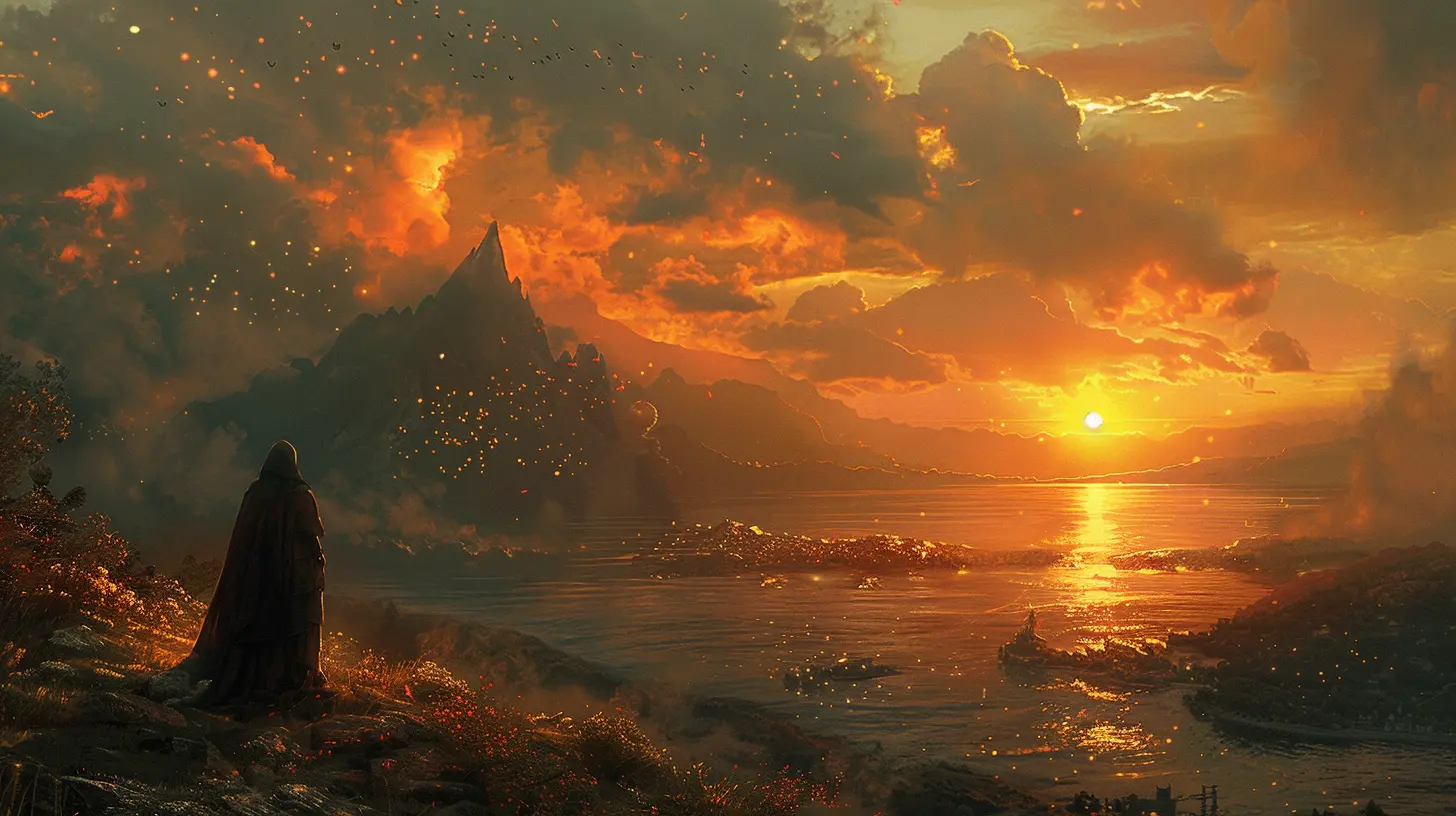
2. "The Legend of the Eagle Bearer" – Assassin’s Creed Odyssey
Genre: Open-World Action RPGOdyssey was a bit of a curveball for the Assassin’s Creed franchise. More choices, more RPG elements, and arguably more fun. But one questline stood out—the one that followed your character's personal journey, eventually forcing you to face your own family.
This wasn’t just about stabbing Templars and climbing towers. This was about consequence. About whether love can outweigh ideology. The choices you make here ripple throughout the game, changing entire regions and relationships.
It pushed the AC franchise to lean further into full-blown RPG storytelling and inspired other action-adventure games to beef up their narrative muscles. After this? “Just kill this guy” wasn't going to cut it anymore.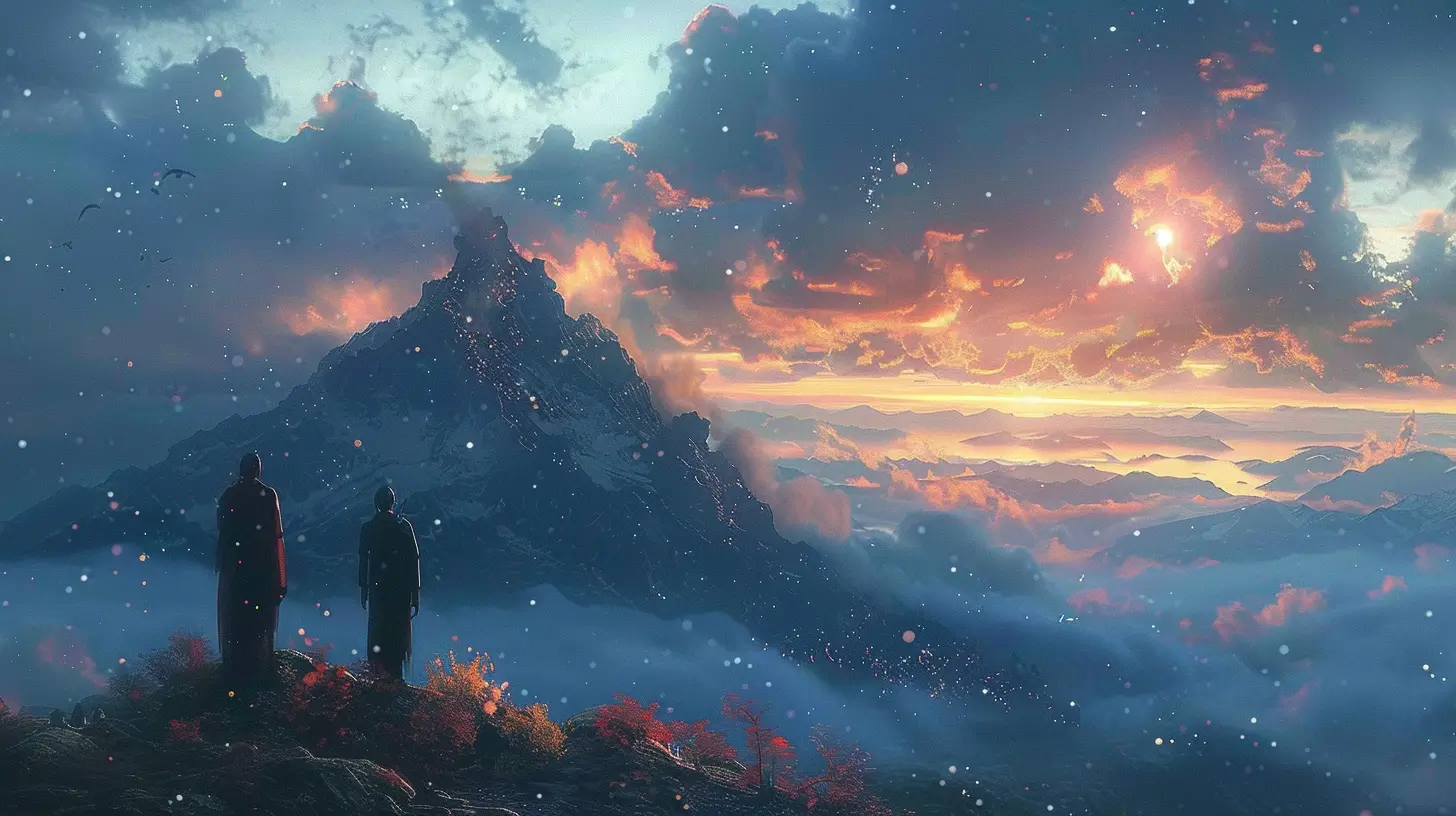
3. "The Suicide Mission" – Mass Effect 2
Genre: Sci-Fi RPG / Squad-Based RPGThe Mass Effect 2 suicide mission is the poster child for stakes. Not only is it incredibly dramatic, but it takes every decision you’ve made—who you recruited, who you upgraded, who you trusted—and tosses them into one big melting pot of life-or-death scenarios.
This quest taught developers (and players) that choice means nothing if it doesn’t come back to haunt you—or save you. You could lose party members, screw up tactics, and end the game with a very different-looking crew.
It’s cinematic, strategic, emotional, and absolutely unforgettable. After this? Games couldn’t just offer “choices for the sake of choices” anymore. They had to count.
4. "Undertale – The Genocide Route"
Genre: Indie RPG“Wait, you want me to kill everyone?” Yeah. Undertale flipped the script on RPGs that reward you for grinding enemies to level up.
In most games, power comes from fighting. Undertale asked: what if not fighting was the true path? Sure, the Genocide run is completely optional, but it’s the one that made players sit back and say, “What the heck am I doing?”
Each enemy you kill remembers. The world changes. The music shifts. Even your menu becomes more sinister. And the final boss fight? It’s a white-knuckled thriller that punishes you for every decision you made.
This questline redefined player morality and turned expectation on its head. Suddenly, “being the hero” meant not playing the game the way you’d been trained to play for years.
5. "No Russian" – Call of Duty: Modern Warfare 2
Genre: First-Person ShooterControversial? Absolutely. But influential? No doubt.
“No Russian” shocked the world by putting players in the thick of a terrorist attack. And not just as a bystander—you can participate. Most of us didn’t even know how to feel about it. Was it pushing boundaries? Was it too far?
Regardless of your stance, it changed FPS storytelling. It showed that even a bullet-heavy action game could tell a deeply unsettling story. While many games tried to copy the shock factor, few managed to replicate the emotional complexity raised by this mission.
It opened the door for narrative-driven shooters like Spec Ops: The Line that weren’t afraid to get psychological and morally messy.
6. "Cortana" – Halo 3
Genre: Sci-Fi FPSThe “Cortana” mission in Halo 3 is kind of a mixed bag for fans. Some love it, others grumble about the level design. But no one can deny its emotional punch.
This quest hit hard because it flipped the macho, space-marine vibe on its head. It turned into a rescue mission—not for glory, but for someone you deeply cared about. Through flashbacks, voiceovers, and eerie set pieces, we saw a vulnerable side of both Master Chief and Cortana.
It dared to make a FPS emotionally charged. And that vulnerability? It paved the way for deeper character-based storytelling in shooters down the line.
7. "The Final Hours" – Red Dead Redemption 2
Genre: Western / Open-World AdventureArthur Morgan’s journey is already incredible. But it’s the final hours of his story that elevate Red Dead Redemption 2 into legend.
As Arthur’s health fades, everything he’s done starts to matter more. Who did you help? Who did you hurt? Did you try to change? Redemption isn’t just in the title—it’s the entire purpose of the ending.
This is more than just a goodbye to a character. It’s a meditation on legacy, morality, and the cost of violence. And best of all? It’s entirely shaped by how you played the game.
After this, open-world games couldn’t just give us a big map and some things to collect. They had to offer soul.
8. "Freedom Cry" – Assassin’s Creed IV: Black Flag DLC
Genre: DLC Narrative / Historical ActionYou thought DLC was just a cash grab? Think again. “Freedom Cry” took a side character—Adéwalé—and gave him a story so compelling, it stood on its own.
Set in the heart of the slave trade in the Caribbean, this questline pulls no punches. You’re not just fighting for treasure or climbing viewpoints. You’re freeing enslaved people. You’re starting a rebellion.
It showed us that DLC could be more than filler content—it could be a platform for serious stories. It was bold, it was raw, and it changed how we think about “extra content.”
Why These Quests Matter
Each of these quests didn’t just raise the bar—they redefined what we expect from certain genres. They showed that storytelling in games can rival the best books, movies, or TV shows out there. That mechanics can serve emotion, not just action. That our choices can, and should, matter.They shifted the culture of gaming. After these entries, players and developers alike began asking deeper questions:
- “Is this quest just fun, or is it meaningful?”
- “Does this choice lead to consequence?”
- “Am I feeling something here?”
That’s the power of a genre-redefining quest. It doesn’t just entertain—it resonates.
The Future of Quest Design
So where do we go from here? The line between genres is getting blurrier by the year. Shooters with deep RPG elements. Indie games with blockbuster stories. Visual novels with strategic combat.What’s exciting is that game developers are now more willing than ever to take risks. To tell uncomfortable truths. To innovate with mechanics and let players experience stories in entirely new ways.
If the past has taught us anything, it’s that one good quest can spark a revolution.
Final Thoughts
Quests are no longer just errands in fancy clothes. The best of them are emotional journeys, moral challenges, and creative lightning bolts that light up the gaming world for years to come.So the next time you dive into a game, and a quest hits you just right—maybe it makes you pause, or cry, or rethink your choices—remember:
You might just be playing the next genre-defining moment in gaming history.
all images in this post were generated using AI tools
Category:
Quests And MissionsAuthor:

Lana Johnson
Discussion
rate this article
1 comments
Seth Meyers
Incredible insights on genre-defining quests... well done!
June 29, 2026 at 4:31 PM
Lana Johnson
Thank you! I'm glad you enjoyed the insights. It was a fascinating topic to explore.