The Rise of Cosplay and Its Impact on Game Culture
30 June 2026
Once upon a time, in a land called “Before the Internet,” wearing costumes outside of Halloween was basically social suicide. Now? People are out here rocking full-body armor made of foam, colored wigs tall enough to hit the stratosphere, and body paint that could survive a hurricane — all in the name of cosplay. And honestly, we love that for them.
Cosplay has gone from “Wait, you're dressing as a cartoon?” to a billion-dollar cultural phenomenon. But let’s not pretend this whole glow-up happened overnight. In this article, we’ll dive into how cosplay rose from the dusty basement corners of niche conventions and exploded into the beating heart of modern-day game culture.
Seriously, grab your sewing kit and your hot glue gun — things are about to get fabulously nerdy.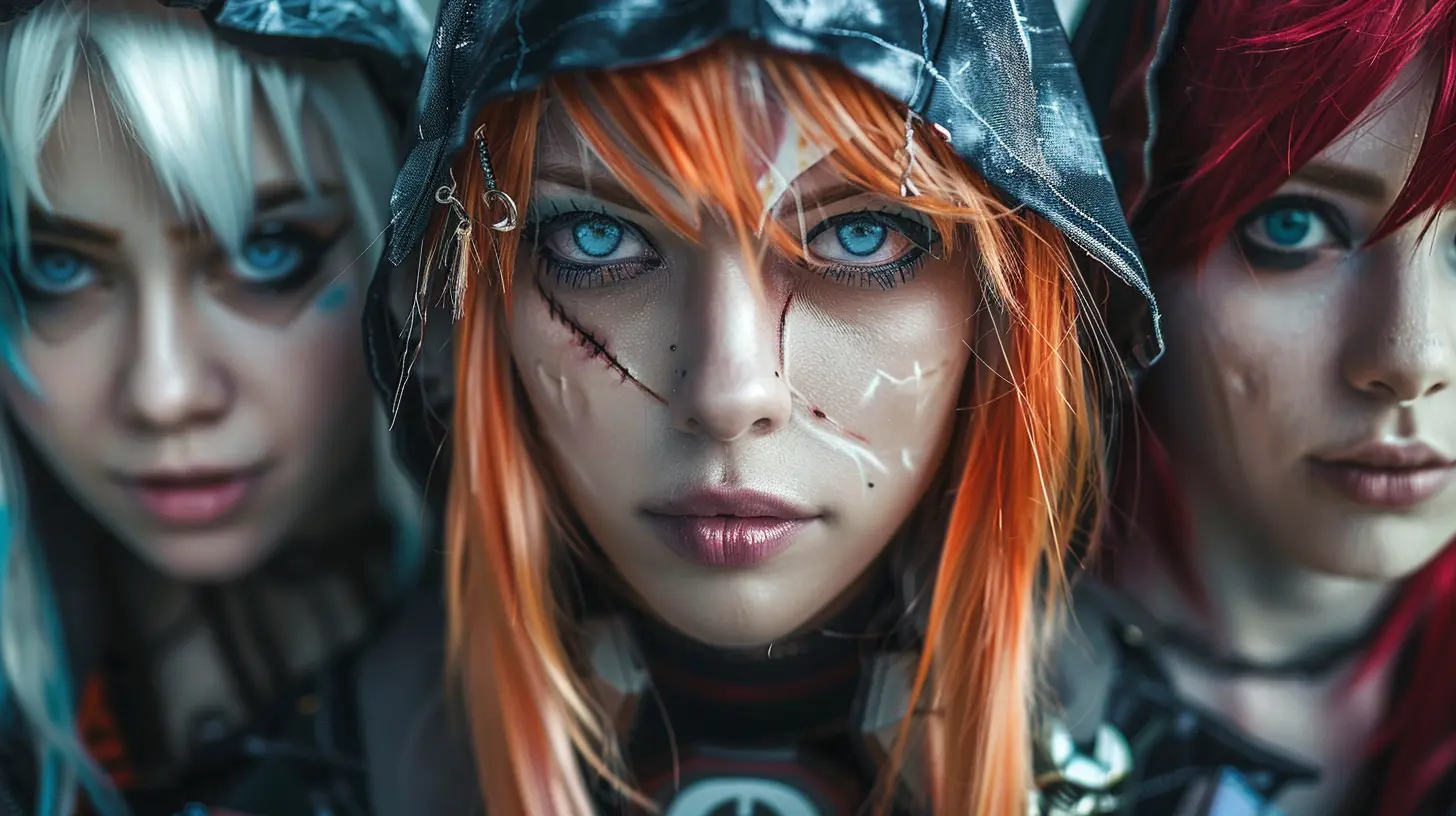
What Even Is Cosplay? A Short, Snarky Explainer
Okay, so let’s get this out of the way. Cosplay = Costume + Play. Simple math, right?Except it's not just about slapping on a cape and calling it a day. No no, friend. Cosplayers spend weeks (sometimes months) making UNGODLY DETAILED costumes to transform themselves into their favorite characters. We’re talking blood, sweat, and more hot glue burns than an arts and crafts class gone rogue. It’s intense. It’s passionate. And it’s not just some Halloween repeat.
While originally popularized in Japan (thanks anime), cosplay didn’t take long to invade gaming communities — because gamers already had the same obsession: living and breathing their favorite fictional worlds. It was a match made in pixel heaven.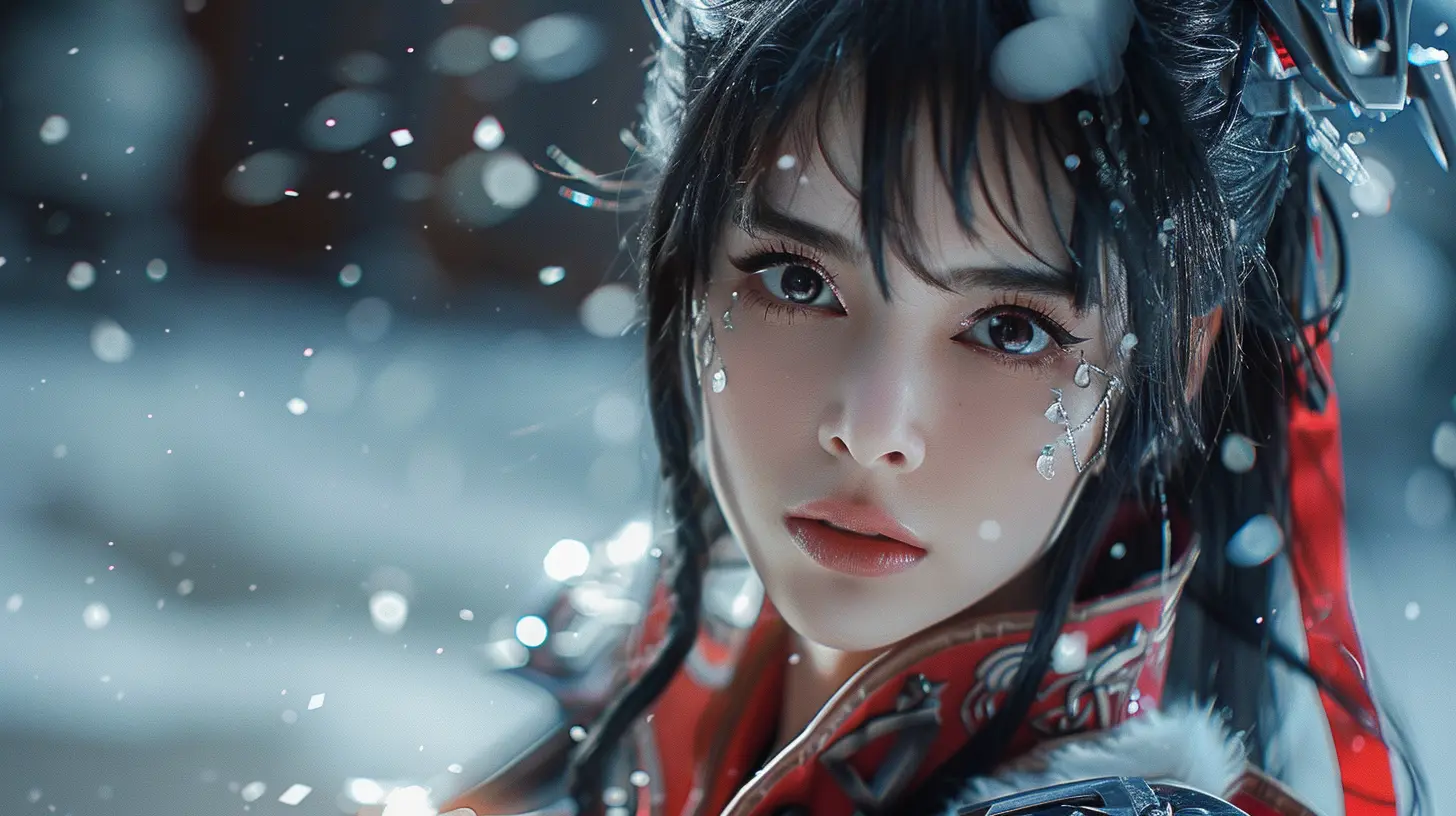
From Basement to Mainstage: How Cosplay Grew Up
Once upon a time, cosplay lingered in the dark corners of conventions — y’know, right next to the guy who's been selling bootleg anime DVDs since 1996. But oh, how the times have changed.The Internet Strikes Again
Enter social media. Platforms like Instagram, TikTok, and YouTube gave cosplayers a stage bigger than any convention floor. Now, people can showcase their builds, tutorials, and behind-the-scenes disasters (looking at you, duct tape armor) to MILLIONS.And surprise — people ate it up like leftover pizza. The obsession grew, the skills evolved, and next thing you know, cosplayers are getting sponsorships, launching Patreons, and even becoming mini-celebrities in their own right.
Cons Went from Cringe to Cool
Let’s be real: for a hot minute, gaming conventions were the cultural equivalent of your uncle's basement — low lighting, weird smells, and questionable fashion choices. But now? They're star-studded spectacles where the most insane cosplays take center stage. Think red carpets, photography booths, and panels where the audience is filled with people wearing ten pounds of foam and face paint.Conventions like Comic-Con, PAX, and BlizzCon have become the holy grail of geekdom, and cosplay is their shiny crown jewel.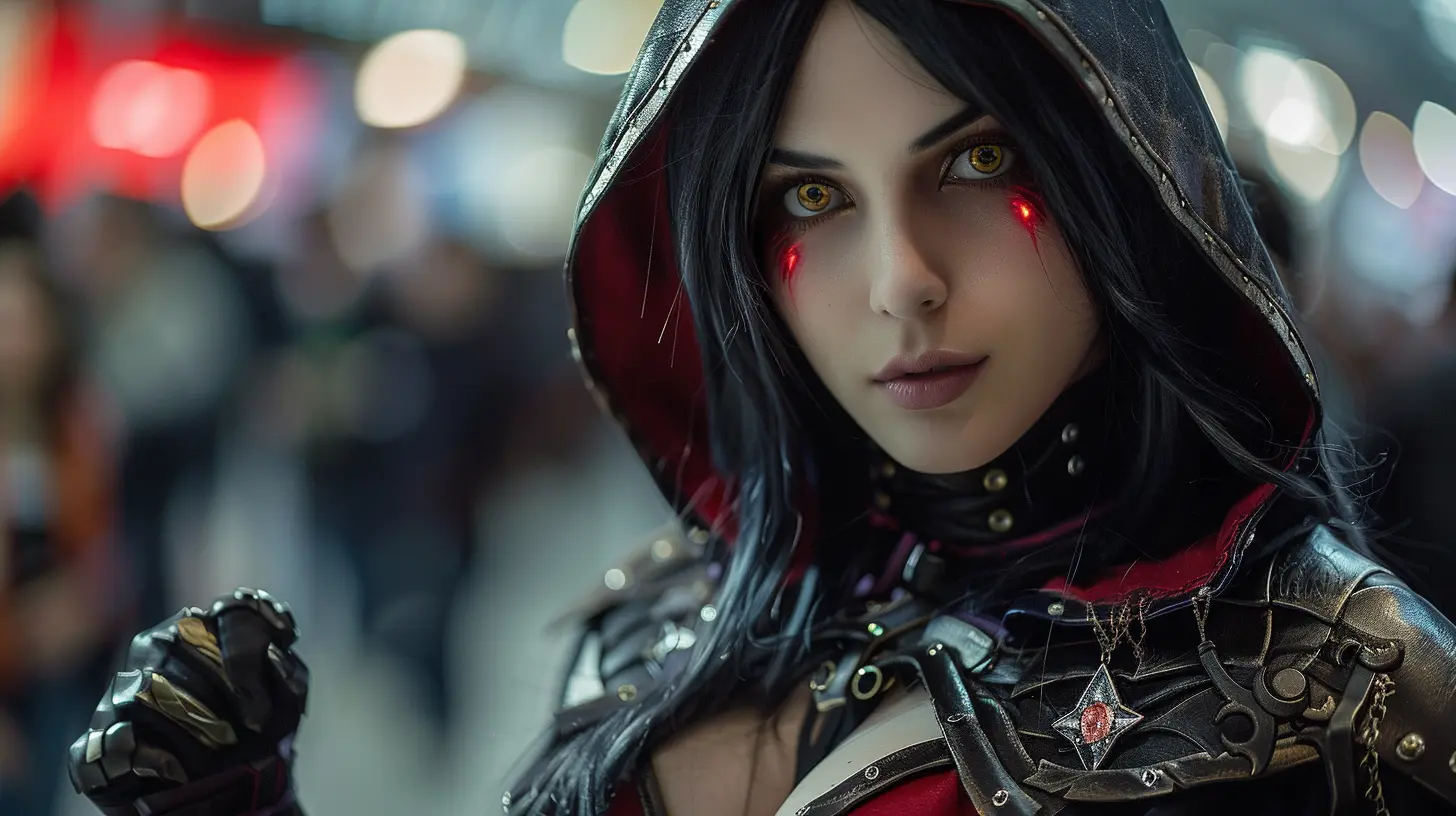
Why Gamers Fell Head-Over-Joystick for Cosplay
Gamers and cosplayers are basically the same breed. Hear me out.Gamers already spend hours customizing characters, obsessing over lore, and arguing online about whose armor actually makes sense in battle (spoiler: none of it does). Cosplay is the natural next step — it's like character customization IRL.
Immersion, Baby!
Some gamers want more than just pixels. They want to live the game. Cosplay gives you that sweet, sweet immersion. You’re not just playing as Geralt of Rivia — you ARE Geralt. With the wig, the scar, the swords, and probably the sass too.It’s role-playing without the dice — unless you cosplay someone from Dungeons & Dragons, in which case, roll for initiative.
A Community That Gets It
Ever spent 300 hours in a game just to get the perfect skin for a character you barely use? Cosplayers get that. They understand the obsession, the eye for detail, the irrational desire to make a life-sized foam sword at 3 AM. The gaming cosplay community is filled with people who will absolutely high-five you for spending three weeks sewing chainmail.It’s a space where passion isn’t weird — it’s currency.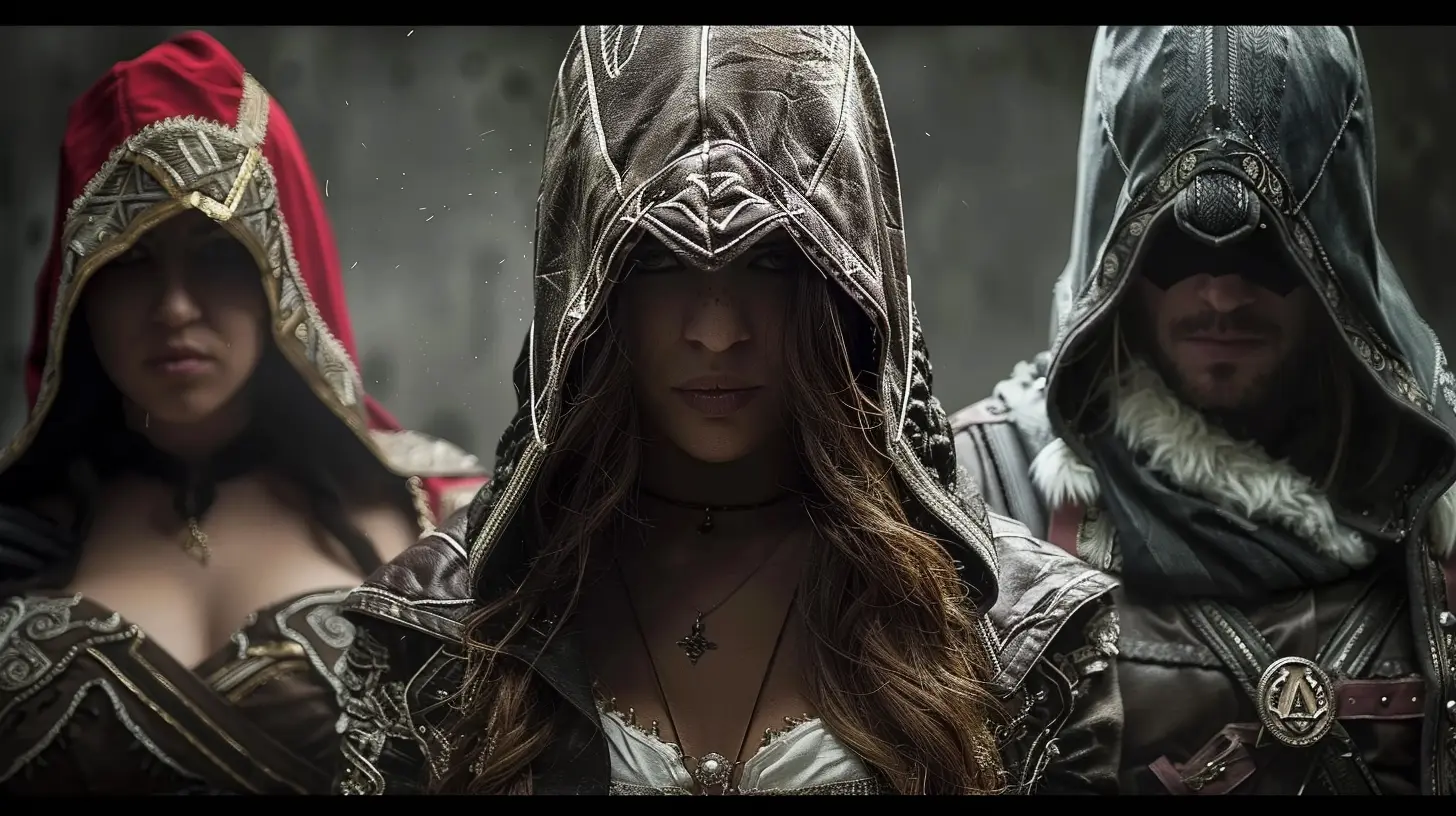
Cosplay’s Sneaky Influence on Game Culture
While we’re all busy gawking at the latest jaw-dropping cosplay of some obscure boss from Dark Souls, there’s something bigger happening: cosplay is actually shaping the way games are made and marketed.Game Devs Are Paying Attention
Developers aren’t blind. They see the insane dedication fans bring to the table. Some devs even design characters with cosplay in mind. Think simple silhouettes, iconic accessories, and just enough flair to scream, “I PAID TOO MUCH FOR FABRIC.”We’ve reached a point where dev teams openly say, “We can’t wait to see cosplayers go wild with this.” That’s wild, right? The fanbase is literally part of the design conversation.
Marketing, But Make It Nerdy
Game companies love themselves some free advertising. Cosplay is walking, talking, highly photogenic promo. A well-done cosplay can boost hype faster than a new trailer — especially when it goes viral on TikTok or gets featured on IGN.You think it’s a coincidence that characters in games now have 15 outfit options? Nah, it’s cosplay bait.
The Good, The Bad, and The Foam-Stained: Cosplay’s Double-Edged Sword
Let’s not pretend cosplay is all sparkles and selfies. Like any fandom, it has its... spicy moments.The Perfection Pressure
Thanks to Instagram’s quest for the perfect aesthetic, the bar is HIGH. Some cosplayers feel like if their costume doesn’t look store-bought or Hollywood-level, they’ll be laughed out of the con. Which is ridiculous, because last time I checked, this was supposed to be fun, not Project Runway: Nerd Edition.Can we normalize cheering for the guy wearing cardboard armor and an unapologetic grin? Please and thank you.
Gatekeeping and the “Are You Even a Real Fan?” Test
Yikes. Some people still live in 2005 and think you need to pass a quiz before you're allowed to cosplay a character. Spoiler: You don’t. News flash — you can cosplay whoever the heck you want, whether you’ve played the game ten times or just liked the vibe.Let’s stop pretending fandoms are secret societies and start acting like the inclusive, nerd-loving squads we claim to be.
Cosplay and the Future of Game Culture
So, what’s next? Is cosplay going to continue rising like a Final Fantasy boss you thought you killed but oh surprise, it has a second phase? Absolutely.Virtual Reality Cosplay? Yes, Please.
As VR becomes more mainstream, we’re not far off from virtual cosplay meet-ups. Imagine rocking your digital Lara Croft in a virtual con, strutting past people dressed as Kratos and Chun-Li — all from your couch. No suitcase, no con flu. Just vibes.Games Designed for Cosplay? You Bet
We’re predicting that future games will have characters designed with cosplay in mind from day one. Heck, don’t be surprised if game editions start coming with actual cosplay kits. Because if companies can sell us $60 for an extra skin, they sure as heck can sell us pre-cut EVA foam.TL;DR – Cosplay Is the New Main Quest
Here’s the deal: cosplay isn’t a “side hobby” anymore. It’s center stage, canon, the main quest in the sprawling open-world that is gamer culture. It lets fans step literally into the world of the games they love, and it’s not going away anytime soon.It’s creative, it’s chaotic, it’s community-driven — and yeah, maybe it’s a little extra sometimes. But isn’t that what gaming is all about?
So next time you see someone dressed as a seven-foot-tall mech or a demon-hunting nun with 654 hours logged in Devil May Cry, don’t just stare — give ‘em a fist bump. They’re carrying game culture on their foam-covered shoulders.
all images in this post were generated using AI tools
Category:
Game CultureAuthor:

Lana Johnson
Discussion
rate this article
1 comments
Anika McMichael
Cosplay has transformed game culture by bridging creativity and community. Its growing prominence challenges traditional narratives, fostering inclusivity and celebrating diverse interpretations of beloved characters.
July 4, 2026 at 4:22 PM
Lana Johnson
Absolutely, cosplay brings people together in unique ways, enriching the gaming experience and allowing fans to express their passion for characters in diverse and creative forms.