How Virtual Reality Is Changing Social Interaction
20 June 2026
Imagine popping on a headset and instantly being transported to a concert with your friends—even if they’re across the globe. Welcome to the world of virtual reality (VR), where social boundaries are not only stretched but also redefined. We’re not just talking about a sci-fi future here. The shift is happening now, and it’s changing how we connect, communicate, and experience the world together.
In this deep dive, we'll explore how virtual reality is revolutionizing social interaction and why it’s more than just a buzzword in the gaming world.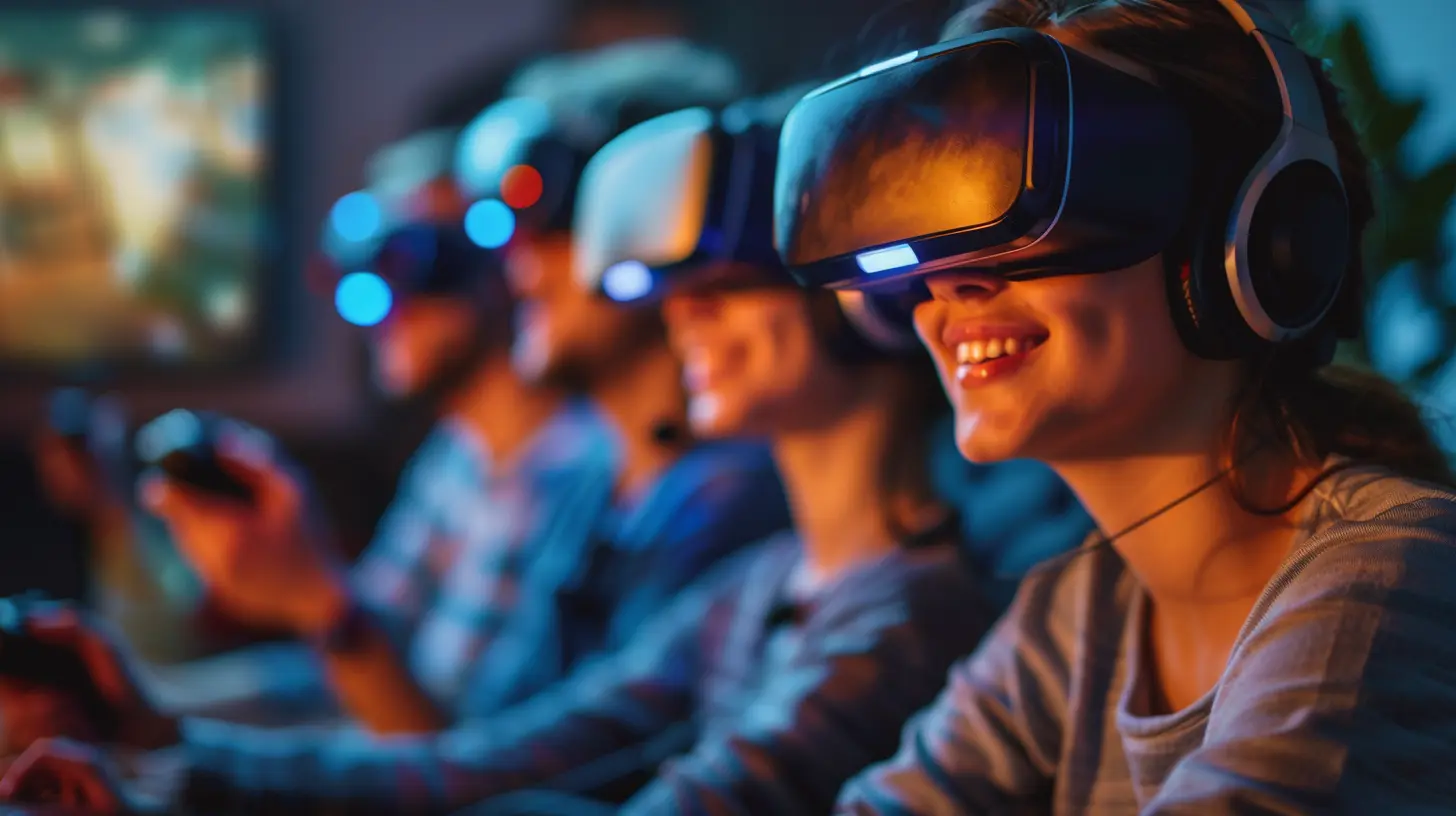
The Rise of Virtual Reality
It’s hard to ignore how fast VR technology is evolving. What started as a niche gadget for hardcore gamers has now entered everyday conversations. Devices like Oculus Quest 2, HTC Vive, and PlayStation VR have brought immersive technology into living rooms around the world.But here's the kicker—VR isn't just about games anymore. It's slowly becoming a powerful social platform. Whether it's chatting with friends, attending a live event, or just hanging out in a virtual space, VR is transforming how we socialize.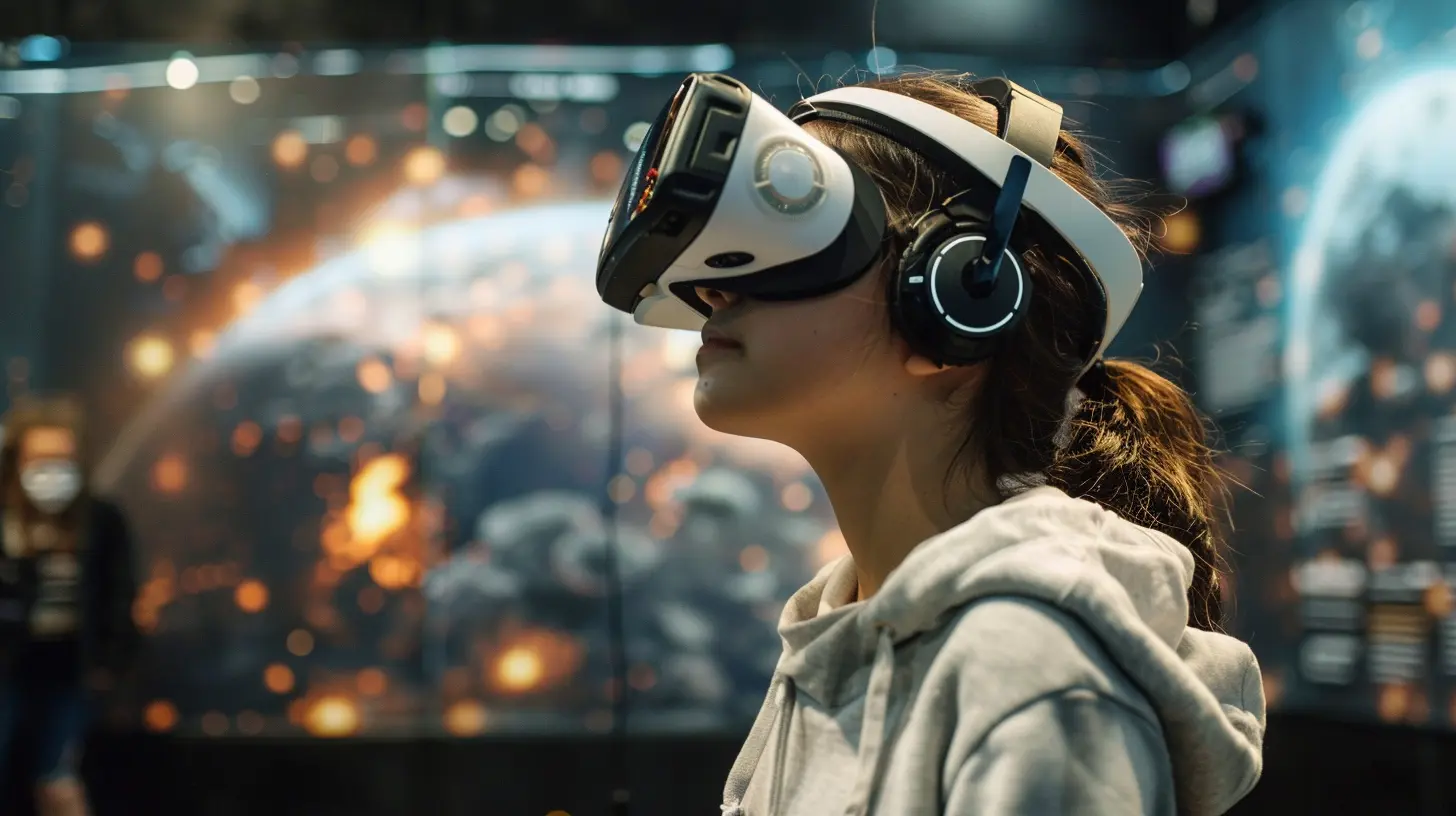
From Text to Talk: A New Social Dimension
Remember when messaging apps and social networks were the big deal? Now, it’s all about presence. In VR, you're not just sending a text or voice note — you're sitting in a virtual coffee shop, making eye contact (well, kind of), and gesturing as if you're really there. That’s powerful.Why Does Presence Matter?
Well, think about it. Text lacks emotion. Voice is better, but still distant. In VR, though, you "feel" the other person’s presence. You can see their avatar moving, hear their voice in 3D space, and even pick up on facial expressions (thanks to advanced tracking). It’s the closest thing to a real-life hangout.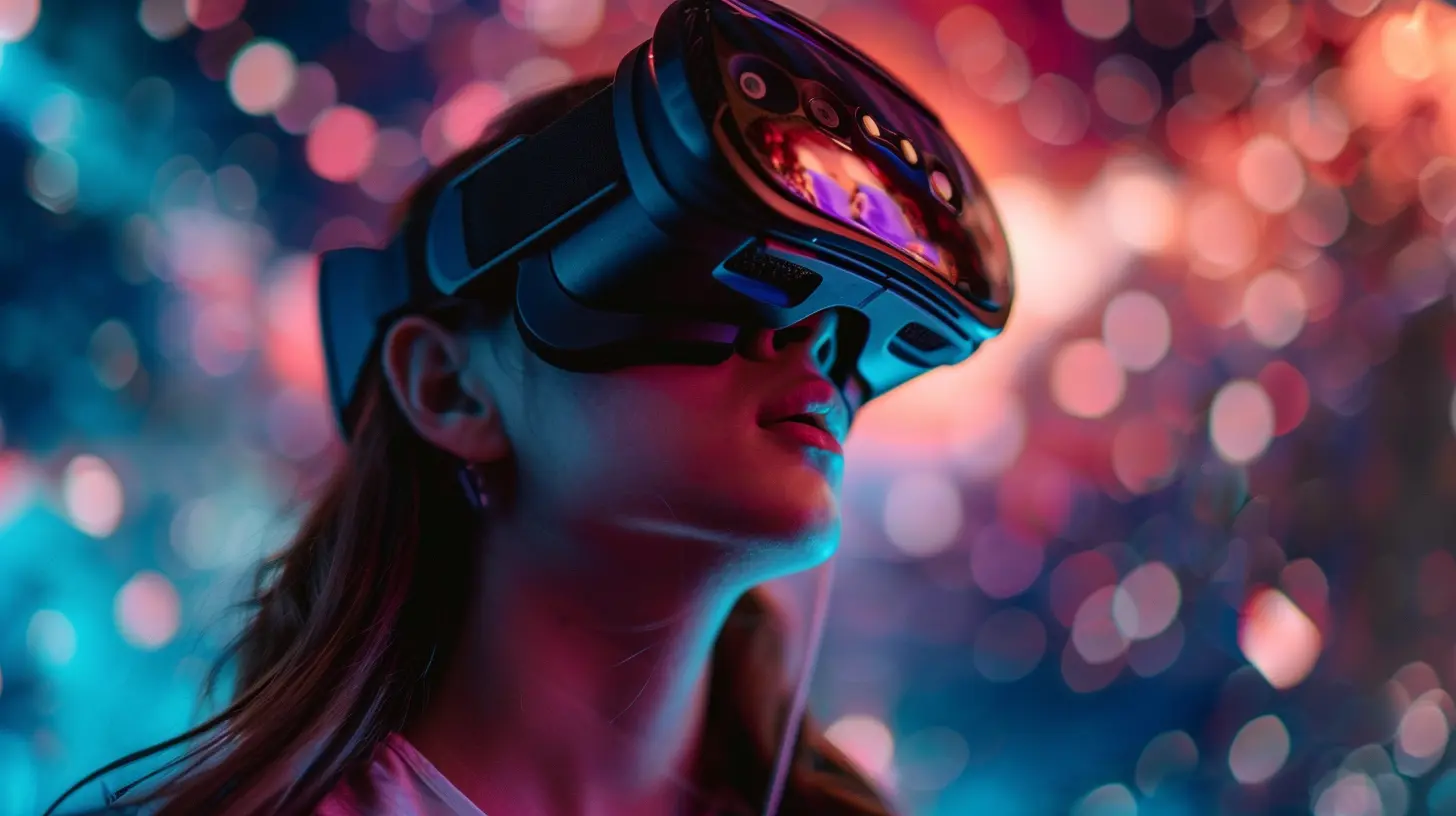
Virtual Hangouts: Not Just for Gamers Anymore
Let’s tackle the stereotype: VR is not just a gamer’s playground anymore. Platforms like VRChat, AltspaceVR, and Horizon Worlds are opening doors to all kinds of people — from professionals and educators to artists and introverts looking for a safe space.No matter your interest, there's a virtual world tailored for you. Want to attend a poetry night, join a yoga session, play trivia, or just chat around a virtual campfire? It's all possible without stepping outside your home.
Real Talk: Why Do People Prefer VR Socializing?
- Accessibility: No dress codes, no transportation, no expensive bar tabs.- Anonymity & Confidence: Those with social anxiety often find it easier to interact when they’re represented by an avatar.
- Diverse Interactions: You can meet folks from different cultures, backgrounds, and time zones—without needing a passport.
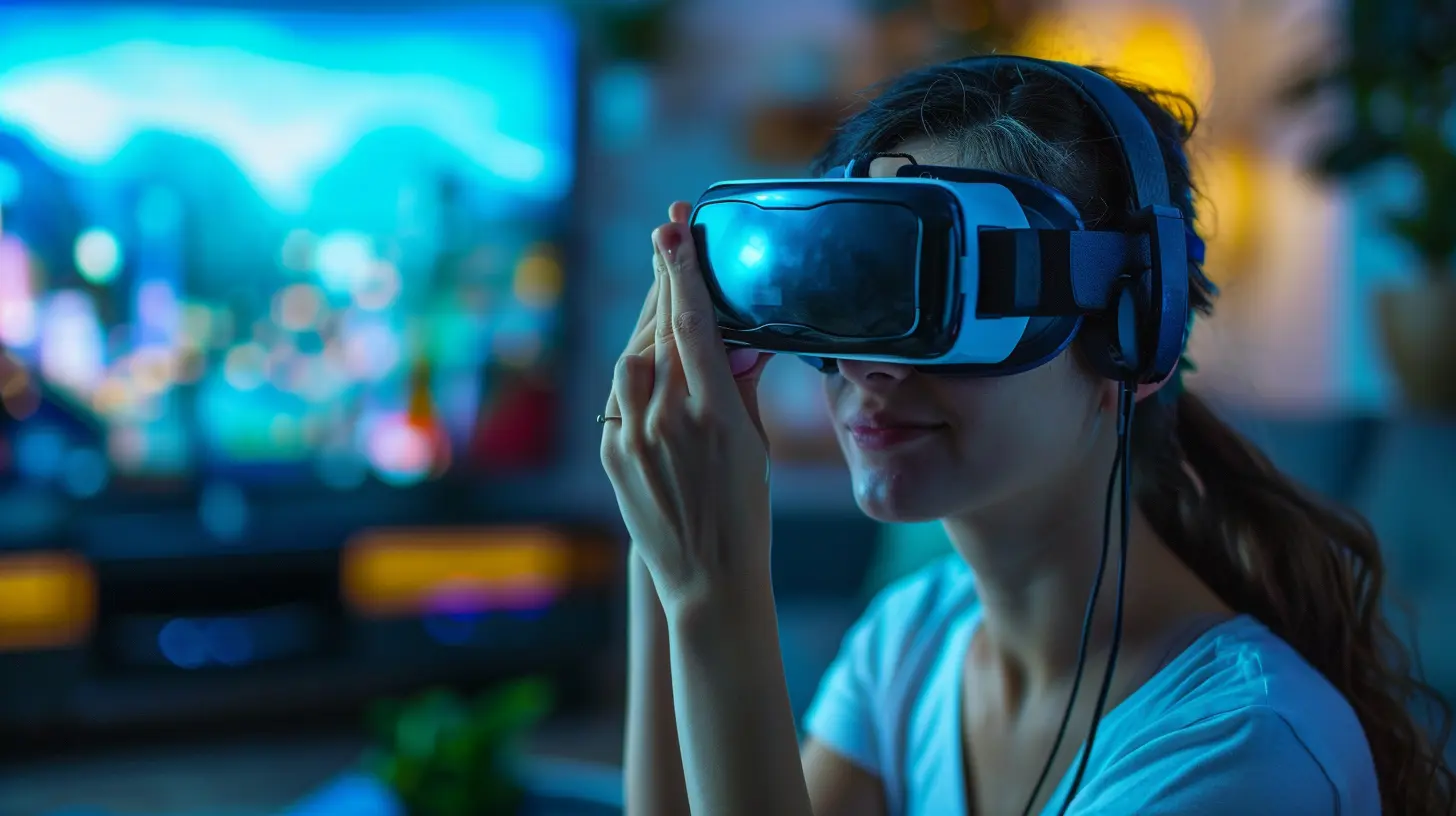
Avatars: Our Virtual Selves
Avatars are more than fanciful characters. They’re digital versions of us—and sometimes even idealized versions. In VR, you can be whoever you want. A knight, a robot, a cartoon, or someone who looks just like real-life you.This freedom of self-expression is a game-changer, especially for those who feel limited by societal norms or physical appearances in the real world.
But Is That A Good Thing?
It’s a double-edged sword. On one hand, it allows people to express themselves freely. On the other, it can create a disconnection from reality. The challenge lies in finding the balance between fantasy and authenticity.Virtual Workspaces & Collaboration
Remote work? We’re already doing that. But working in virtual reality adds a new layer of immersion. Platforms like Spatial, Mozilla Hubs, and Engage offer VR meeting rooms where you can brainstorm with your team on a 3D whiteboard or walk through a virtual prototype together.It takes Zoom fatigue and flips it on its head.
Benefits Of Virtual Collaboration:
- More Engaging Meetings: You feel like you’re in the same room with your team.- Improved Communication: Gestures and spatial audio make discussions feel natural.
- Increased Creativity: The ability to interact with 3D models and visuals enhances brainstorming.
Events, Concerts, and Even Weddings in VR
Believe it or not, people are throwing birthday parties, weddings, and concerts in VR. Sounds crazy? Maybe. But when you can’t travel or you’re separated by borders, VR becomes a meaningful way to celebrate life’s milestones.Big players like Fortnite, Roblox, and Decentraland are hosting massive virtual events with millions of attendees. Artists like Travis Scott and Ariana Grande have already performed in the metaverse, and it’s only the beginning.
Why Are Virtual Events Gaining Popularity?
- Global Access: No ticket scalping or travel stress.- Immersive Experiences: Instead of watching a concert, you're IN it.
- Interactivity: You can talk, cheer, and even dance with your avatar.
Emotional Connections in Virtual Reality
Can you really form genuine friendships—or even fall in love—in VR? Absolutely. Many users report forming deep emotional connections with people they meet in virtual environments. Friendships forged in VR often carry over to other platforms—or even into real-life meetups.There’s something uniquely human about walking through a fantasy world with someone and talking about everything and nothing. It creates shared memories, just like a trip to the park or a movie night would in real life.
Is It Real If It’s Virtual?
You bet. Emotional impact doesn’t care about pixels. It's about shared experiences and meaningful interactions. Whether it's through a screen, a headset, or face-to-face, connection is connection.Challenges in VR Socialization
Of course, it’s not all sunshine and pixelated rainbows. VR social spaces deal with their share of problems:- Trolling & Harassment: Just like social media, bad apples exist.
- Privacy Concerns: Your data, movements, and interactions can be tracked.
- Tech Barriers: Headsets are still pricey, and not everyone has access.
Developers are working on moderation tools, better safety protocols, and more affordable hardware, but we’re not 100% there yet.
The Future of Social Interaction in VR
So, where is all this heading? With the rise of the metaverse—a persistent, shared, digital space—VR will likely become even more central to how we interact.We may hold job interviews in virtual offices, attend college lectures in digital campuses, and hang out with friends across worlds that change with a blink.
Imagine a future where checking your social media feed feels like stepping into a sci-fi movie. That’s where we’re headed.
Final Thoughts
Virtual reality is not just changing how we play; it’s changing how we live and connect. It’s making the world smaller, conversations richer, and experiences more immersive. While it does come with its challenges, the potential is enormous—and it’s only just getting started.So, next time someone says VR is just for gamers, throw on a headset and invite them to a virtual coffee shop. Chances are, they'll stay for the vibes—and maybe even the friendships.
all images in this post were generated using AI tools
Category:
Game CultureAuthor:

Lana Johnson
Discussion
rate this article
1 comments
Adria Rios
This shift to virtual reality seems intriguing... I'm excited to see how it reshapes connections!
June 23, 2026 at 3:24 AM
Lana Johnson
Thanks for your comment! It really is exciting to explore the new ways VR can bring people together.