Why Sound Design Is the Unsung Hero of Immersive Gaming
11 February 2026
Let’s hit the pause button for a second and talk about something most gamers don’t give a second thought to—but should. When you’re deep in a game, slaying monsters, sneaking through corridors, or speeding through neon-lit streets, what’s really pulling you into that experience? Sure, the graphics are jaw-dropping, and the story probably has you by the collar. But there’s a silent powerhouse working in the background to make it all feel real: sound design.
Yep, you heard it right. Sound design is the unsung hero of immersive gaming. It quietly shapes your gameplay experience in ways you might not even realize, and once you start paying attention to it, there’s no going back.
So grab your headset (you’ll appreciate this more if you do), and let’s crank up the volume on why sound design deserves way more credit than it usually gets.
What Is Sound Design in Gaming Anyway?
Let’s break it down. Sound design in gaming is way more than just adding some creepy music or the “pew-pew” of a laser gun. It’s an art form. It includes every sound you hear—from environmental ambiance and character dialogue to the click of a reload or the distant howl of a wolf.And it’s not thrown in last minute, either. Game studios bring in sound designers specifically to create, mix, and layer every little noise to make the world feel alive. Think of them as the composers of chaos—they orchestrate the audio that guides our emotions and reactions without us even knowing.
The Feels: How Sound Taps Into Emotion
Ever played a horror game with the volume off? Not so scary, right? That’s the power of sound. With the right creak of a door or an eerie violin score, a calm hallway can instantly become a deathtrap.Sound design is like your emotional puppet master. It knows when to whisper and when to scream. Subtle environmental noises—like the wind howling in a mountain valley or the hum of a spaceship—build tension and set the mood way before the action even starts.
And let’s not forget music. The right soundtrack can make you feel invincible during a boss fight or rip your heart out during a tearful cutscene. It’s no coincidence—sound is engineered to make you feel something, and it does a damn good job.
Immersion: The Invisible Thread That Ties It All Together
You know that feeling when you completely forget you're in your bedroom and instead feel like you're crawling through ancient ruins or galloping on horseback through a medieval battlefield? That’s immersion. And sound design is what sells the illusion.Here’s the thing—our brains crave realism. Anything that feels off—like an echo that doesn’t match the room or footsteps that don’t sync with a character's pace—can snap you out of the experience like a needle scratching off a vinyl record.
Well-designed sound keeps you grounded in the game world. Reverb changes based on the space you're in, footsteps change depending on the surface, and enemies make directional noises that help you locate them without even seeing them. It’s practically magic.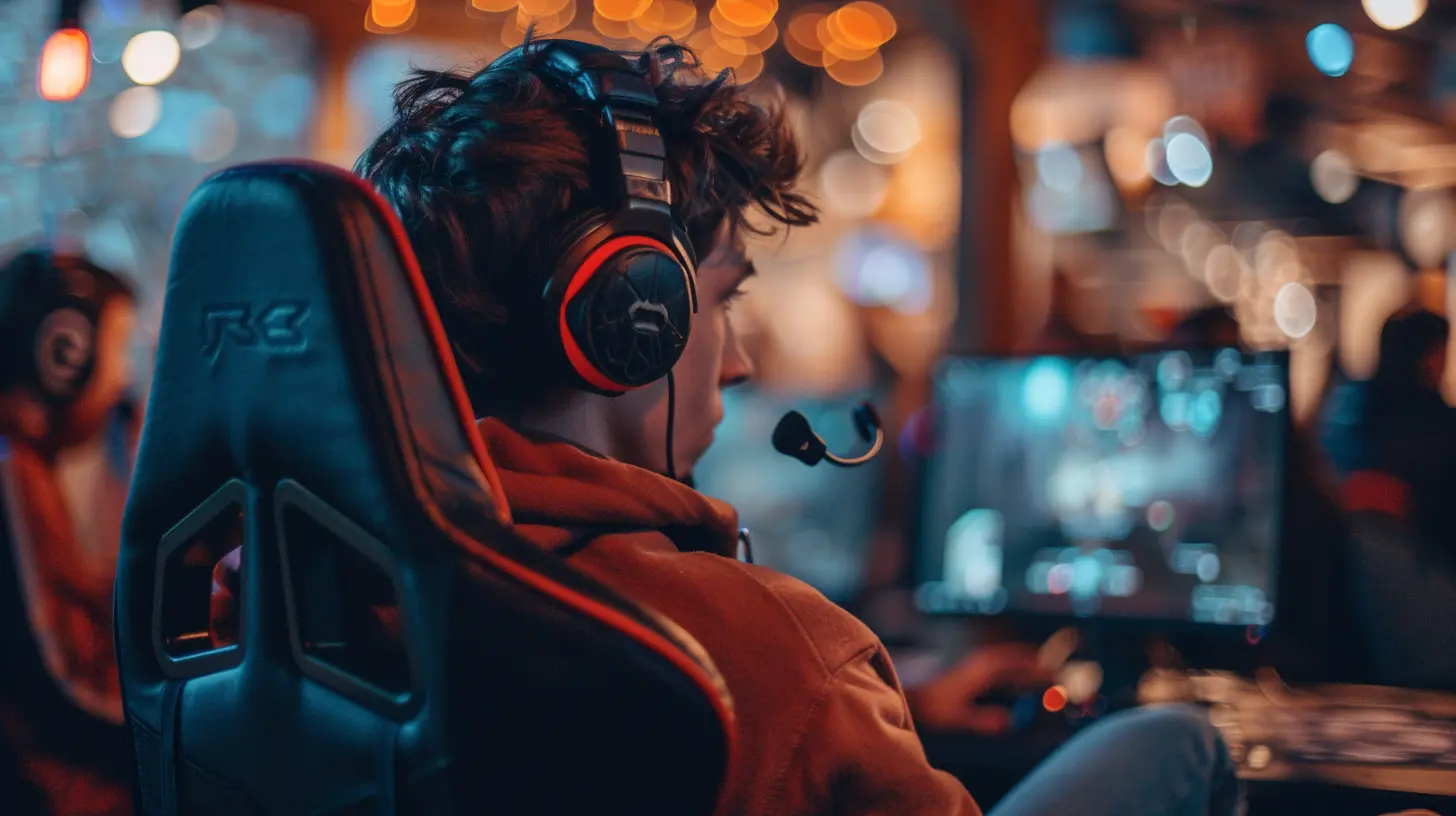
Audio Cues: The Ultimate Game Mechanics
Sound isn’t just about setting the mood—it’s also a functional part of gameplay. In fact, it often gives you critical information that visuals alone can’t.Think about it. When enemies sneak behind you in a first-person shooter, it’s usually the footsteps or reload clicks that give them away. Or in stealth games, maybe you’re using sound to track a guard’s patrol. These aren’t just ambiance—they’re actual tools.
Some games even build their mechanics entirely around sound. Games like “Hellblade: Senua’s Sacrifice” or “The Last of Us Part II” use audio cues to guide players, signal danger, or tell part of the narrative. In some cases, being a good listener is the difference between life and death.
Multiplayer and Competitive Edge
Let’s get real—if you’re playing competitively and not paying attention to sound, you’re probably getting wrecked. In multiplayer games, especially shooters and battle royales, sound is your best scout.You can hear enemy footsteps before you see them, detect what weapons they’re using from the sounds, and even judge their proximity. The difference between a win and a loss might just be how tuned in your ears are.
That’s why pro gamers invest in high-quality headsets. They're not just for comfort—they’re for hearing those tiny audio cues that give them an edge.
VR and the New Age of Immersive Audio
Now let’s toss virtual reality into the mix. VR amps everything up, and that includes how we experience sound. When you turn your head and the sound changes realistically? That’s spatial audio doing its thing.In virtual worlds, audio isn’t a background feature—it’s 50% of your experience. Developers now simulate how sound would travel in real-life environments, bouncing off surfaces or becoming muffled behind walls. You hear things above you, below you, and all around—just like you would in the real world.
It’s not just cool. It’s essential. Poor sound design in VR breaks the illusion. Great sound design makes you forget you’re even wearing a headset.
It’s Everywhere—But You Barely Notice It
One of the most beautiful (and frustrating) things about sound design is that when it’s done right, you usually don’t notice it. It’s like a ninja, working quietly in the shadows, never asking for applause.But if you strip it away? The game immediately feels flat, lifeless, and awkward. It’s like watching a movie on mute—you can still see what’s happening, but all the emotion and momentum are gone.
So next time you're playing and you hear the subtle rustle of leaves, the distant rumble of thunder, or the satisfying click of your inventory opening—tip your hat to the folks behind those sounds. They’re crafting the entire rhythm of your journey.
Iconic Examples of Killer Sound Design in Games
Let’s roll out a few games that absolutely nailed sound design, just so you know what to look out (or listen) for:- Dead Space Series – The audio in these games is basically a character on its own. From unsettling groans of the spaceship to the disgusting gurgles of necromorphs, it’s pure auditory nightmare fuel.
- The Legend of Zelda: Breath of the Wild – The subtle, minimalistic music and dynamic soundscapes make Hyrule feel like a living, breathing world.
- Resident Evil 2 Remake – If you didn’t feel your heart drop the moment you heard Mr. X's heavy boots stomping toward you, are you even human?
- The Last of Us – Every gunshot, glass shard, and whisper was crafted for emotional impact and gameplay balance. It's storytelling through sound, plain and simple.
- Hellblade: Senua’s Sacrifice – This one takes the cake for binaural audio. It simulates psychosis through voices whispering from multiple directions. It’s haunting—and genius.
The Future of Sound in Gaming
We’re only scratching the surface. As games get more advanced, expect sound design to evolve right alongside them. We’re talking AI-generated adaptive soundtracks, 3D spatial audio that mimics real-world acoustics, and even games that respond to your vocal cues.Sound is becoming more personalized, more reactive, and more immersive. And as tech gets better, so will our ability to hear—and feel—every moment of the games we love.
Final Thoughts: Let’s Show Some Love to the Sound Designers
So here’s the bottom line: sound design isn’t just background noise. It’s the invisible thread that weaves emotion, gameplay, and immersion into one seamless experience. It’s the difference between a game that’s just good and one that’s unforgettable.Next time you boot up your favorite title, put on a good pair of headphones, close your eyes, and just listen. It might just change the way you think about gaming forever.
Sound designers—this one’s for you. You’re the rockstars behind the curtain, and it’s time the spotlight found you.
all images in this post were generated using AI tools
Category:
Game CultureAuthor:

Lana Johnson
Discussion
rate this article
2 comments
Vivian Hines
Absolutely! Sound design transforms gameplay into an experience. Those subtle background noises and heart-pounding effects draw us in—proof that it truly deserves the spotlight!
February 12, 2026 at 4:48 PM
Lana Johnson
Thank you! You're absolutely right—sound design is a crucial element that enhances immersion and elevates the gaming experience. It truly deserves more recognition!
Blaine Powell
Absolutely loved this article! 🎮 Sound design truly transforms the gaming experience, creating a rich atmosphere that visuals alone can’t achieve. It’s like the secret ingredient in a favorite recipe—subtle, yet essential. Here’s to all the audio wizards making our adventures unforgettable! 🎶✨
February 12, 2026 at 3:55 AM
Lana Johnson
Thank you so much! I completely agree—sound design truly elevates the gaming experience and deserves more recognition. Cheers to the audio wizards! 🎶✨