How Gaming Podcasts Are Shaping the Future of Interactive Media
6 March 2026
Podcasts aren't just background noise anymore. They're cultural powerhouses. And when it comes to the gaming world, they’re doing far more than just talking about who’s better at Elden Ring or dissecting the latest patch notes. Gaming podcasts are quietly — or sometimes quite loudly — shaping the future of interactive media.
Yep, you read that right.
These digital discussions between passionate gamers, developers, critics, and creators are driving innovation, shifting audience expectations, and even influencing game design itself. The days when podcasts were just two people nerding out over headsets are long gone (though we still love the nerdy convos).
So, buckle up — we’re diving into how gaming podcasts are not only changing how we talk about games but also how we play, make, and experience them.
The Gaming Podcast Boom: More Than Just Talk
Let’s face it — the podcast scene is absolutely overflowing. There are shows for politics, cooking, crime, and yep, gaming. But what makes gaming podcasts special?For starters, they cater to one of the most engaged audiences on the planet.
Gamers aren’t passive listeners. They’re experimental, interactive, and always hungry for more — more knowledge, more community, more insight. So when gaming podcasts started popping up in the early 2010s, they quickly evolved into something far more dynamic than your average audio show.
They became platforms.
Platforms for game devs to share behind-the-scenes scoops, for critics to analyze game mechanics deeply, and for fans to connect through shared digital experiences. Gaming podcasts became a space of conversation and collaboration.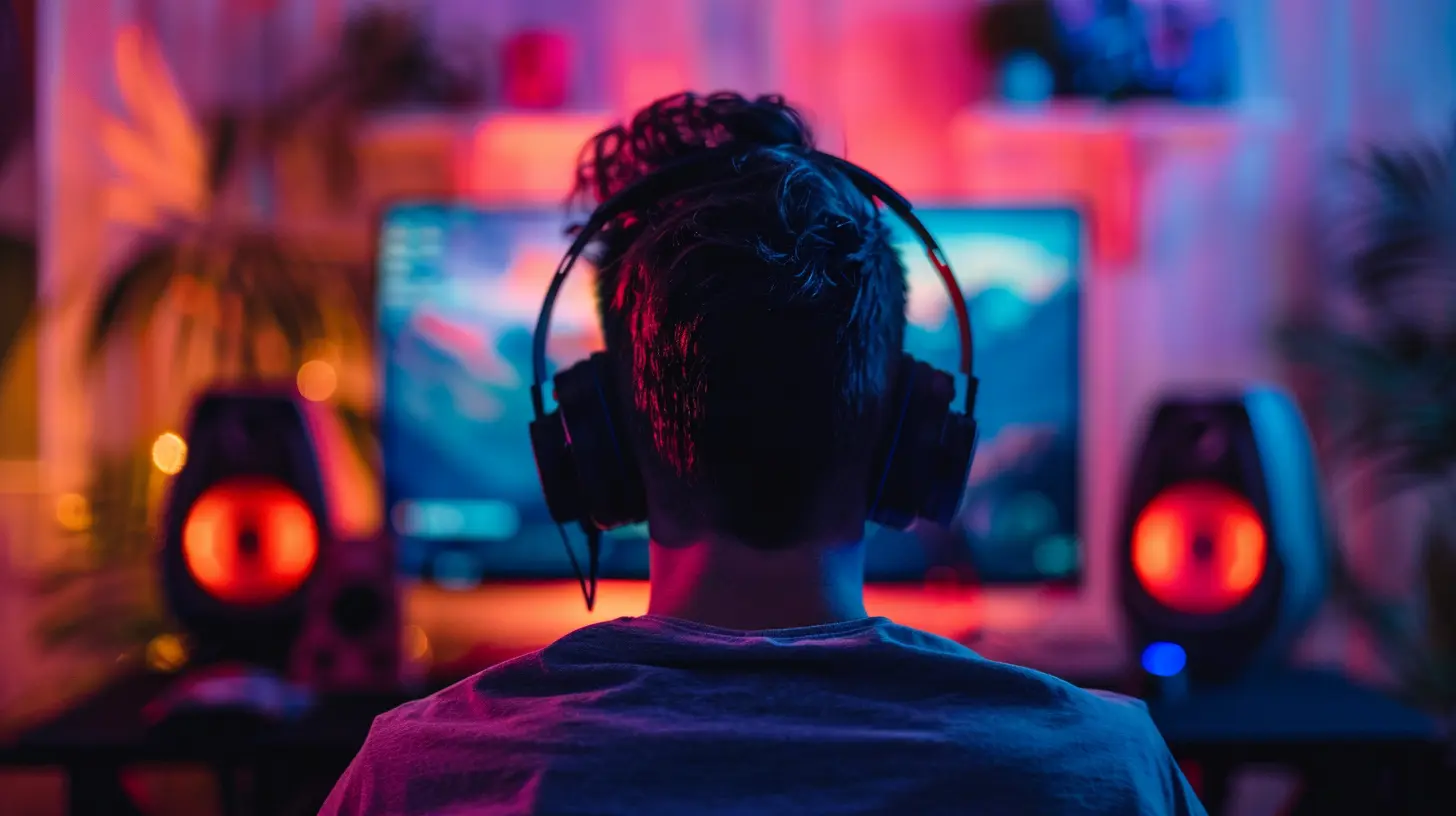
Building Communities in a Digital World
Let’s talk community — because that’s where the real magic happens.Podcast hosts often feel like our friends, right? You’re tuning in weekly like you would to catch up with your crew. Whether it's the snarky banter in Kinda Funny Games Daily or the thoughtful deep-dives on Spawn On Me, these voices start to feel familiar.
And when you combine that comfort with a shared love for gaming, what you get is a powerful community.
Many podcasts have dedicated discords, live streams, meetups, and Patreon perks. These extras aren't just fun — they’re forming tight-knit tribes of gamers who trust each other’s opinions, support indie projects, and influence trends just by word-of-mouth.
That’s the kind of grassroots power that no flashy ad campaign can buy.
Influencing Game Development in Real-Time
You know what’s wild? Game developers actually listen.That’s right — the devs are tuning into your favorite gaming pods just like you are. Why? Because podcasts offer unfiltered, genuine feedback on what’s working and what’s totally bombing in the arcade of public opinion.
For instance, let’s say a new indie game drops and gets featured in a few popular episodes. Within days, the devs are hearing:
- What players loved
- What annoyed the heck out of them
- What people want to see more of
That’s feedback gold.
Even better, smaller studios sometimes hop on these podcasts directly to answer questions, tease updates, or break down the design decisions behind the game. It's like dev diaries meet talk radio — and it's totally reshaping the feedback loops in game development.
Making Game Criticism Fun & Accessible
Okay, real talk: traditional game reviews can be kinda dry.You know the ones — filled with technical jargon and numerical scores that somehow never match the actual gameplay experience. But gaming podcasts? They ditch the stiff critics' chair and jump right into the co-op couch with you.
This new style of criticism sounds a lot more like:
> “Okay, I got wrecked within the first 20 minutes, but it was so satisfying I couldn’t stop. This game’s punishing, but fair.”
Relatable, right?
Gaming podcasts humanize critique. They let people bring their whole personality into their reviews — which not only keeps listeners entertained but also makes the analysis feel more honest. That honesty creates trust, and that trust leads to loyal audiences who stick around for years.
Expanding the Definition of "Interactive"
Now let’s zoom out a bit.Interactive media used to mean just video games and maybe apps. But now? It includes livestreams, virtual reality, social media-driven narratives, and yes — podcasts.
Gaming podcasts are part of this expanding universe. Many include audience participation through Q&A segments, Twitter polls, live recordings with chat feedback, and even collaborative game sessions. That’s interactive media in action.
What’s more, some shows are experimenting with storytelling formats that blur the line between podcast and game. Think role-play campaigns, audio-based ARGs (Alternate Reality Games), or choose-your-own-adventure-style episodes.
It’s like your headphones just turned into a game controller.
Amplifying Diverse Voices in Gaming
One of the best things about the rise of podcasts? Anyone with a mic and a passion can start one. And that means voices that were previously left out of mainstream gaming media are finally taking center stage.Here’s what that means:
- Representation is broadening
- Marginalized perspectives are being heard
- More inclusive conversations are shaping game culture
Podcasts like "Spawn On Me" showcase Black voices in gaming, while "What’s Good Games" delivers sharp takes from an all-female crew. These aren’t just feel-good stories — they’re reshaping who is seen as an authority in the gaming space.
And diversified voices lead to diversified games. Simple as that.
From Fans to Industry Insiders
Here’s a fun twist: a lot of podcast hosts started out as just regular fans.And now?
They’re industry influencers with real weight.
Podcasters like Greg Miller or Danny Peña have gone from chatting in their bedrooms to being recognized by publishers, attending conferences, and even hosting global events. That pathway is huge. It shows that fans can shape the industry not just as consumers, but as creators.
It’s also breaking down the once rigid barrier between “press” and “player.” More and more, they’re becoming one and the same — and it’s changing how game studios approach marketing, outreach, and even storytelling.
Podcasts as Game Archives
Feel nostalgic for that viral Fortnite moment or the epic rise of Hades? There’s probably a podcast episode that covered it in real time.Gaming podcasts are becoming unofficial audio archives — capturing the pulse of the gaming world month by month.
Want to know how gamers felt about Cyberpunk 2077’s chaotic launch before the patches dropped? What people thought of The Last of Us Part II before the discourse exploded on Twitter? Just dig up the right episode — it’s like time traveling with cheat codes.
Years from now, these episodes will be invaluable to researchers, designers, and fans trying to understand gaming history from the inside out.
The Business of Gaming Podcasts
Let’s not ignore the money side of this. Gaming podcasts are turning into some serious businesses.With the help of sponsorships, Patreon, merch, and even podcast networks like Rooster Teeth or IGN’s Podcast Beyond, creators are monetizing their content in smart ways. And that means sustainability.
The more successful and financially stable these shows become, the more risks they can take creatively. That means better content, deeper dives, and more innovation around how gamers interact with auditory media.
And let’s be honest — when someone you admire can survive (and even thrive) by talking about the games they love? That’s pretty darn inspiring.
The Future of Gaming Podcasts (Spoiler: It’s Interactive)
So where do we go from here?Well, the boundaries are already blurring between podcasts, streaming, and gaming itself. We're already seeing live podcast recordings inside games like Fortnite or in VR spaces like AltspaceVR. Imagine sitting in a virtual studio surrounded by avatars, watching your favorite hosts chat in real-time.
Insane, right?
The future of gaming podcasts looks a lot like the evolution of gaming itself:
- More immersion
- More community input
- More cross-media experiences
We’re slowly moving toward an era where podcasts aren’t just about games — they’re part of the game.
Final Thoughts
Gaming podcasts have leveled up — and they’re pulling the rest of the industry along with them.From changing how we review games to influencing how they’re developed, from building inclusive communities to experimenting with narrative audio, podcasts are no longer playing on easy mode. They’ve become essential to the culture, business, and future of gaming itself.
So next time you throw on your favorite episode during your morning coffee or late-night grind session, remember — you're not just being entertained. You’re part of something bigger.
A movement. A media shift. A next-level evolution in how we connect with interactive worlds.
all images in this post were generated using AI tools
Category:
Gaming PodcastsAuthor:

Lana Johnson
Discussion
rate this article
2 comments
Jace McCollum
Gaming podcasts are transforming how we engage with games, offering fresh perspectives and fostering community discussions that enhance our interactive media experience.
March 16, 2026 at 5:08 PM
Lana Johnson
Absolutely! Gaming podcasts not only provide diverse insights but also create a vibrant community around games, enriching our overall interactive media experience.
Beau Hernandez
Absolutely love this! Gaming podcasts are like a power-up for creativity. Excited to see how they’ll level up the interactive media landscape! Keep playing and growing!
March 8, 2026 at 4:05 AM
Lana Johnson
Thank you! I'm thrilled you enjoyed it. Gaming podcasts truly are transforming the interactive media landscape!