Exploring the Rich Lore Behind Gears of War
4 June 2026
If you’ve ever booted up a Gears of War game and found yourself completely sucked into its gritty, war-torn world, you’re definitely not alone. Gears of War isn't just another run-and-gun shooter—it’s a deep, emotionally driven universe filled with complex characters, apocalyptic stakes, and a story that packs a real punch.
Whether you're a long-time fan or a newbie who's just stepped into the chaotic world of Sera, this deep dive into the lore behind Gears of War is going to blow your mind. So sit back, grab your Lancer, and let's unpack the incredible story behind one of gaming’s most cherished franchises.
What Makes Gears of War Stand Out?
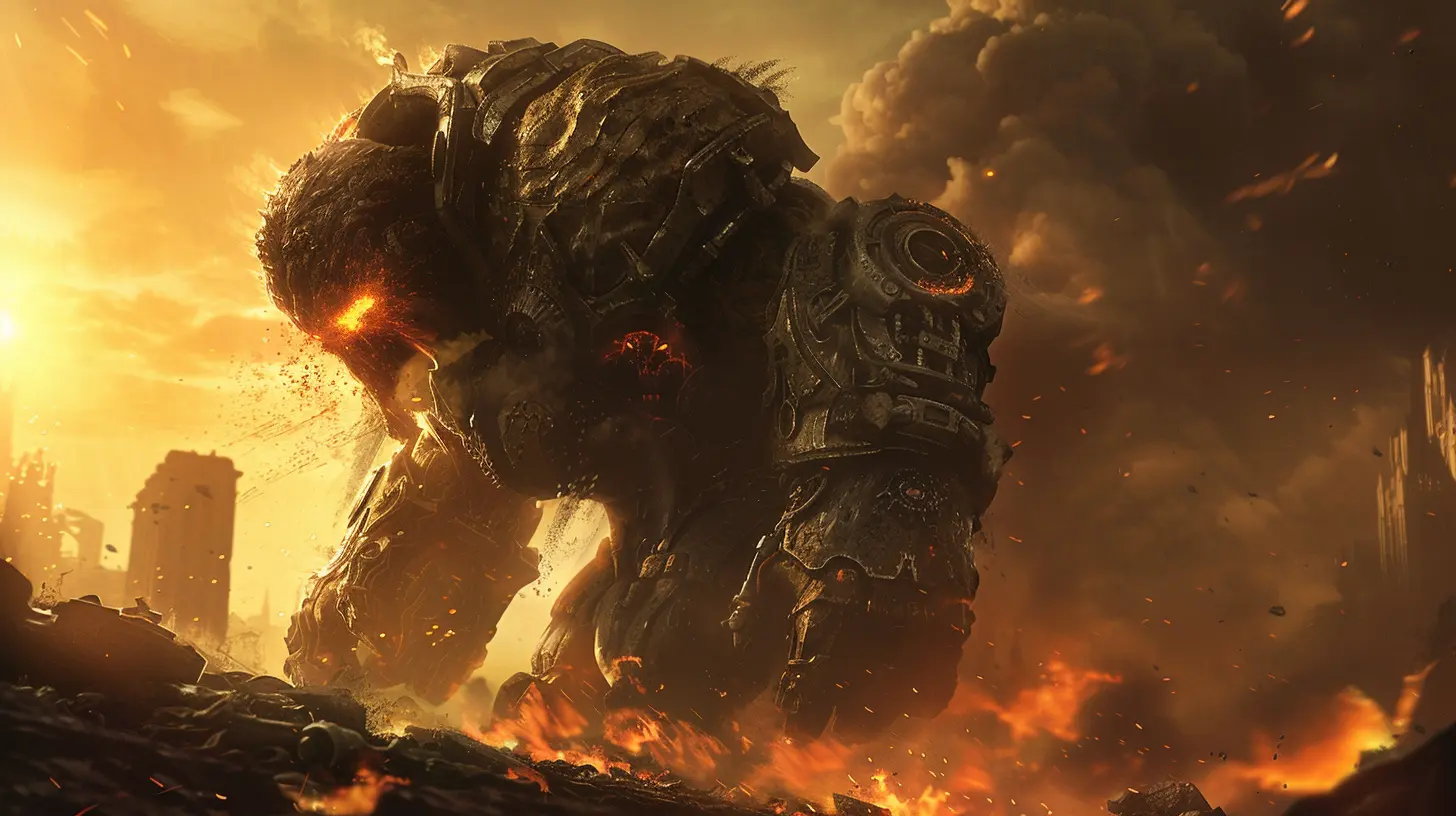
You might be wondering, “Aren’t there tons of shooter games with grim settings and tough soldiers?” Yeah, there are. But Gears of War brings something different to the table—heart.Sure, it’s brutal. Sure, it's about chainsaw bayonets and bullets flying everywhere. But beneath all the carnage lies a story of loss, brotherhood, survival, and the haunting consequences of war.
From the first game in 2006 to the more recent Gears 5, the series has evolved not just with better graphics and smoother gameplay, but with emotionally charged storytelling that hits harder with each installment.
The War-Torn World of Sera
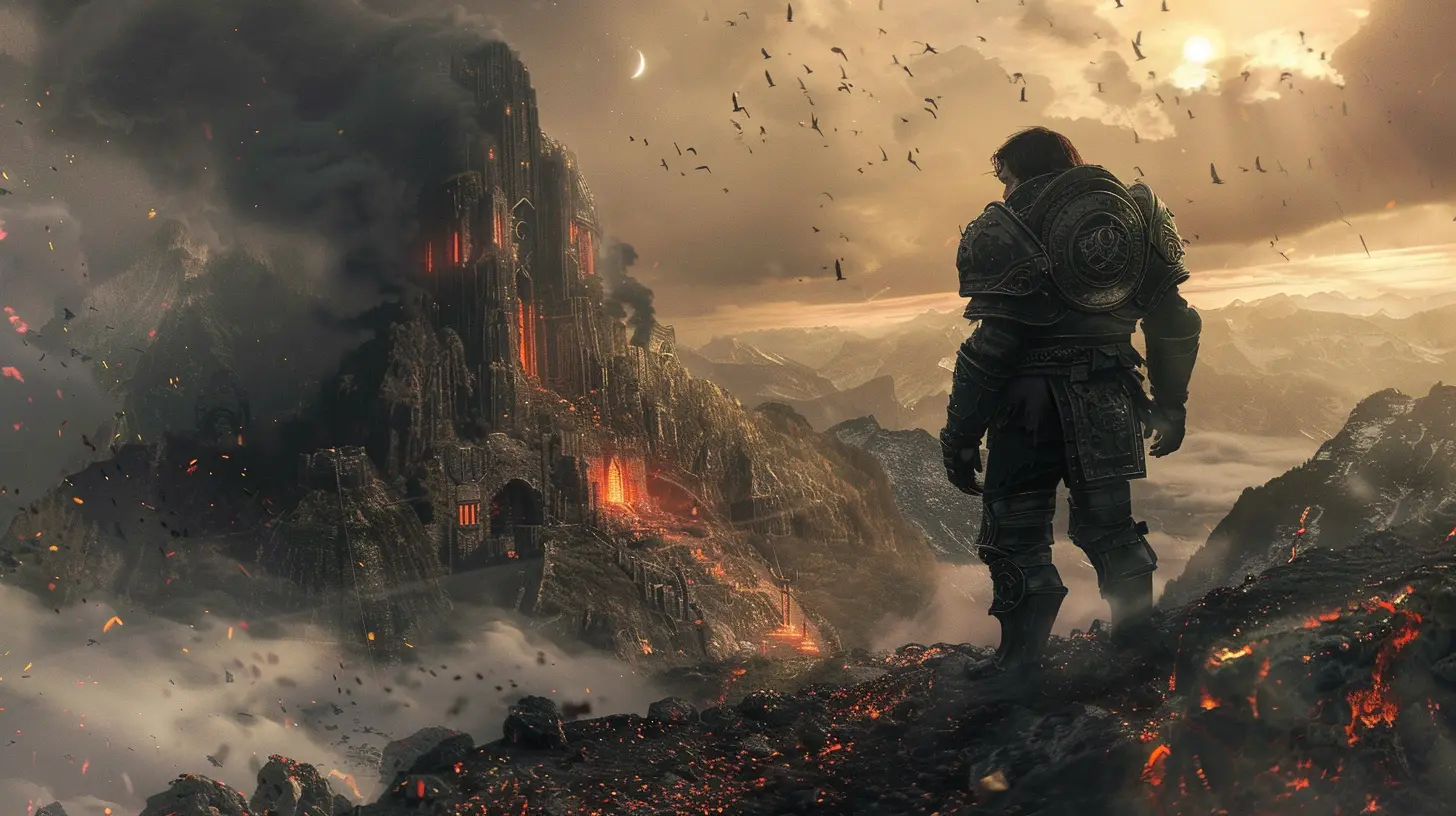
Let’s start at the very beginning—the world of Gears of War: Sera.Sera isn’t your average sci-fi planet. It’s Earth-like in climate and geography, but the culture, politics, and people are totally unique. The planet was once a very advanced society, but humanity’s thirst for power and energy led to a chain of devastating events.
Sounds kinda familiar, right?
The Fuel That Sparked It All: Imulsion
Much of the chaos in Gears came from a golden, glowing substance called Imulsion. It was discovered deep under the planet's surface and became the primary source of energy. But like any powerful resource, it came with a huge price.Different nations fought over Imulsion, leading to the Pendulum Wars—a 79-year-long global conflict that left Sera battered and broken.
But just when humanity thought it could finally catch a breath, something worse came knocking.
Enter the Locust Horde: The Real Threat
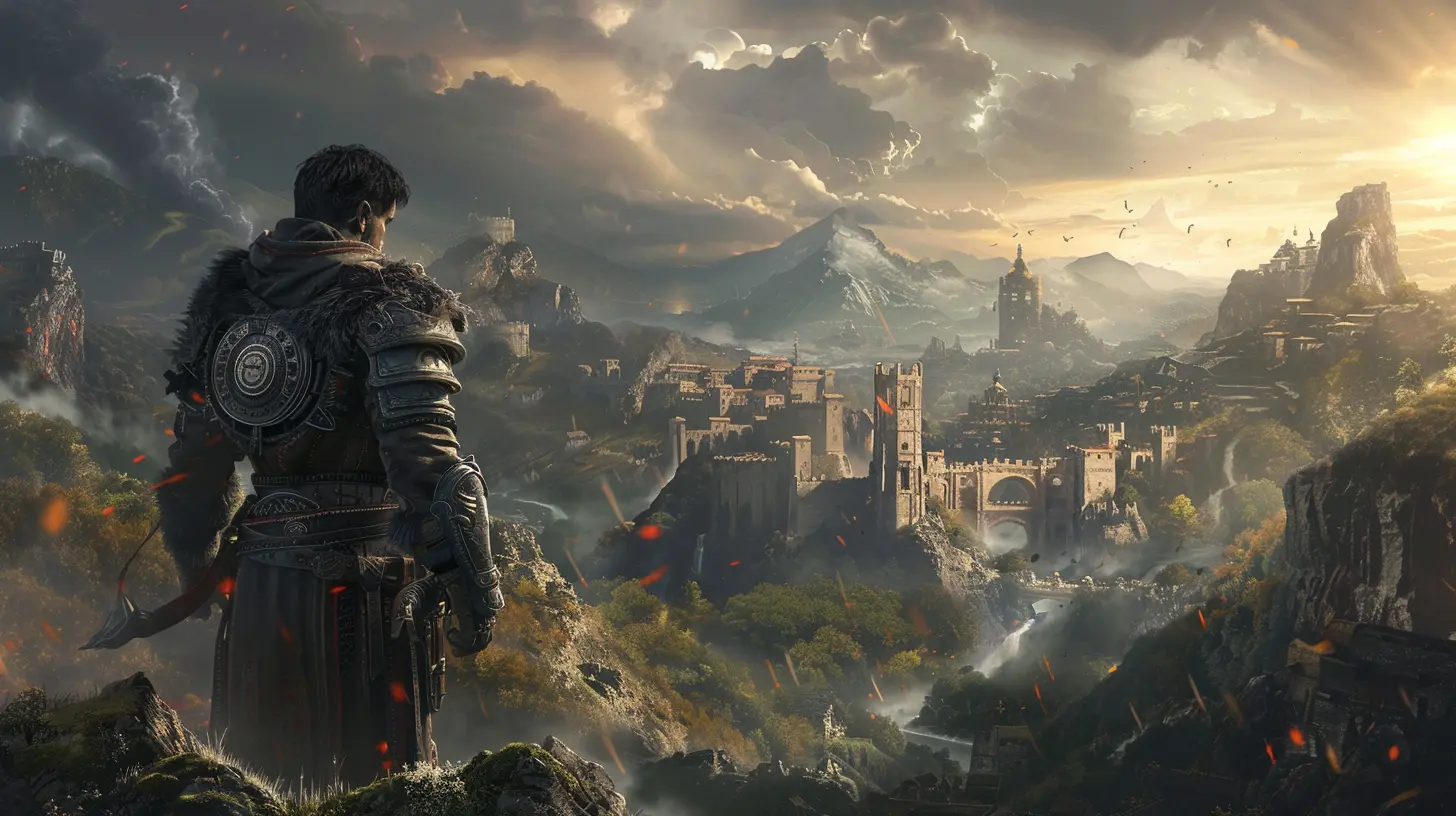
Imagine fighting a world war for 79 years only to have a nightmarish army burst out from under the ground the moment the war ends. That’s what happened on Emergence Day (E-Day).The Locust Horde, terrifying reptilian-humanoid creatures, rose from the underground world of the Hollow and began slaughtering every human in sight. These weren't your average bad guys—they were organized, intelligent, and ruthless.
Suddenly, humanity wasn’t just fighting itself anymore. It was fighting for its very survival.
Delta Squad: Heroes in a Broken World
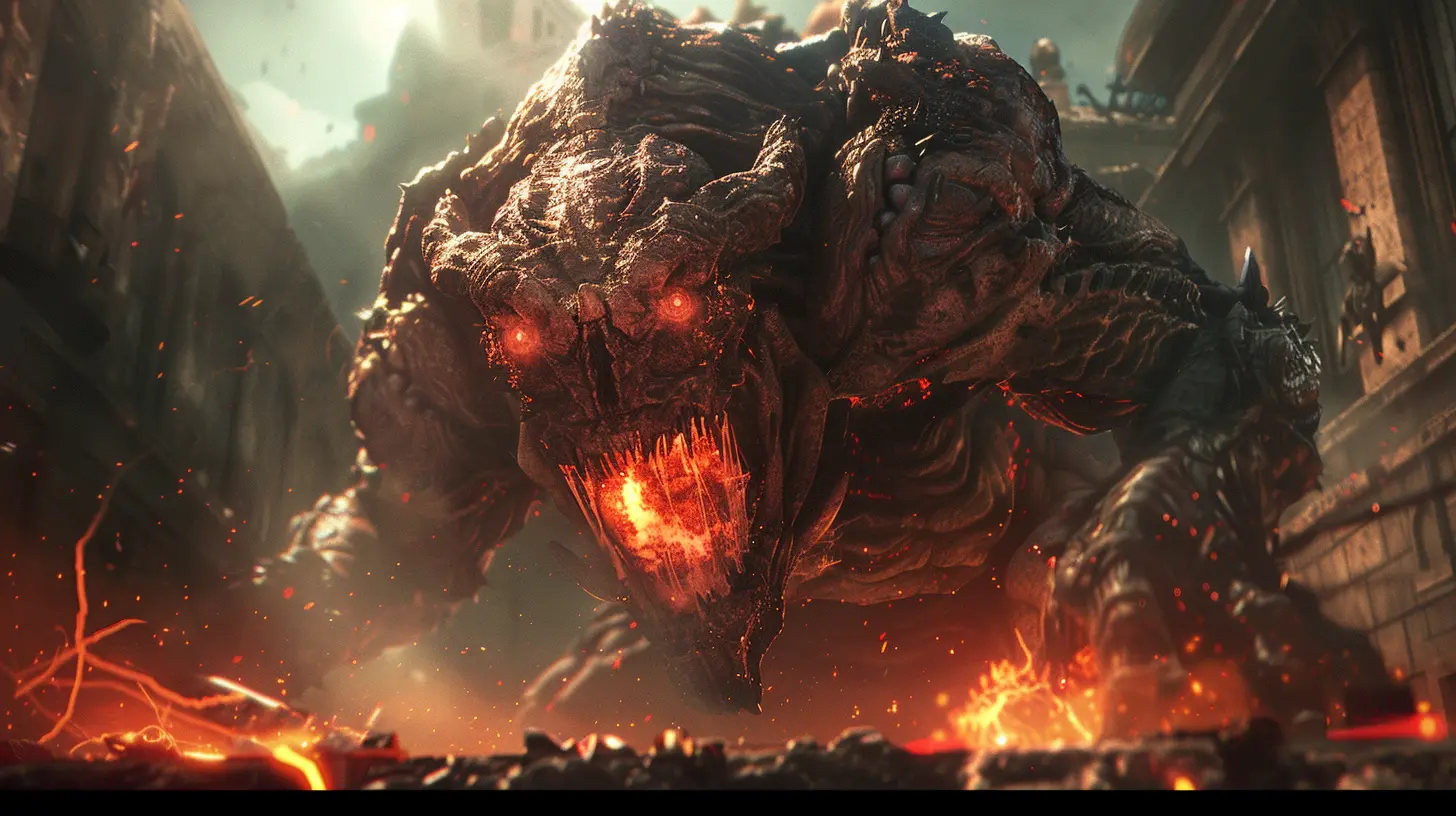
Let’s talk about the real heart of this story—the soldiers.The first game throws you into the boots of Marcus Fenix, a grizzled soldier with a complicated past and a lot of baggage. He’s not your squeaky-clean hero. He’s broken, angry, and haunted—but he’s also loyal and brave, and that’s what makes him so compelling.
Joining Marcus is Dominic “Dom” Santiago, his best friend and emotional anchor. Dom’s personal journey to find his wife amid the chaos is one of the saddest and most memorable subplots in gaming history.
Together with Cole Train (woo!) and Baird, you get a brotherhood that feels raw and real. These guys might be armored up with thick muscles and sarcasm, but they have hearts and stories that keep you emotionally invested.
The Struggle Against the Locust
Throughout the original trilogy, we watch as Delta Squad fights the Locust through battle after battle—losing comrades, discovering disturbing truths, and uncovering the horrifying nature of humanity’s involvement with the enemy.Yep, it turns out humans mined Imulsion without realizing it was mutating life underground. The Locust weren’t just mindless enemies—they were survivors, driven to the surface because their world was poisoned.
Let that sink in.
The so-called monsters were defending themselves from a slow death inflicted unintentionally by humans. Talk about a moral gray area.
The Tragedy of Dom
Let’s take a moment here because this part hits hard.In Gears of War 3, we face Dom’s sacrifice—one of the most powerful moments in video game history. After losing his wife, Dom gradually begins to lose himself in grief. When the team is cornered, Dom drives into a fuel tanker and blows it up, giving his brothers enough time to escape.
If you didn’t tear up at that scene, are you even human?
Dom’s death symbolizes the ultimate cost of war—loss, despair, and the painful choices heroes have to make.
The Truth About The Queen and The Locust Origins
The deeper you go into Gears’ lore, the more twisted and fascinating it becomes.The Locust Queen, Myrrah, wasn’t some alien overlord. She was actually human—sort of. She was born immune to Imulsion and raised in secret in a lab. As she grew older, she identified more with the Locust than with her human creators.
She led the Locust not just out of revenge but with a belief that humanity was corrupt and unworthy of survival. It’s easy to hate a villain until you see their side of the story. Then things get complicated.
What's Imulsion Really About?
By Gears of War 3, the real enemy is revealed to be the Imulsion itself.It’s not just energy—it’s a parasitic organism. Called the Lambent, this mutation began infecting both humans and Locust, turning them into terrifying, unstable monsters.
So yeah, that shiny stuff powering humanity? It was killing everything, slowly and surely.
In a final act to save the planet, Marcus and team activate a weapon designed by his father, wiping out all life infected by Imulsion—including the Locust and Lambent.
But that meant saying goodbye to some allies as well.
A New Generation Rises
Fast forward to Gears of War 4 and 5, and we’re introduced to a new generation. Marcus is older, grayer, and angrier (if that’s even possible), and the spotlight shifts to his son, JD Fenix, and his friends Kait Diaz and Del Walker.Where the original trilogy was about surviving war, the new games are about understanding legacy. Kait, in particular, becomes central to the story as she discovers a shocking link to Queen Myrrah—she's her granddaughter.
Talk about family drama with world-ending consequences.
Gears 5: Your Choices Matter
Gears 5 took storytelling to a new level, offering players real, gut-wrenching choices.At one point, you’re forced to choose between saving one friend and letting the other die. It’s brutal. It’s personal. And it affects how the rest of the story unfolds.
The game also dives deep into Kait’s identity struggle, with haunting flashbacks, visions, and internal conflict as she deals with her bloodline.
If Gears of War was about facing monsters, Gears 5 is about facing yourself.
The Emotional Core of Gears
At its heart, Gears of War is about more than shooting bad guys. It's about:- The price of war
- The bonds between soldiers
- The value of sacrifice
- The gray areas of morality
- The burden of legacy
These themes resonate way beyond your console or PC screen. If you’ve ever experienced loss, struggled with identity, or needed a team to get through your battles—yeah, Gears hits home.
Why The Lore Still Matters Today
With every sequel, novel, comic, and even talks of a Netflix adaptation, the Gears universe continues to grow. And the more you dig into the lore, the more you uncover layers of depth and emotion often missing from other action titles.In a world where some games fade into the background after release, Gears of War endures. Why? Because it respects its players. It gives them not just explosive action, but stories that matter.
And that’s why this franchise isn’t just surviving—it’s thriving.
Final Thoughts: It’s Not Just Chainsaws and Grunt Work
So, yeah, Gears of War has chainsaws and massive guns and hulking soldiers. But it also has heart, pain, love, duty, sacrifice, and an evolving story that dares to take risks.This isn't a franchise built just on cool mechanics. It’s a narrative journey, one that blends personal stories with epic world-ending stakes.
And with more content surely on the horizon, now’s the perfect time to revisit Sera or drop in for the first time. Because once Gears grabs you—it doesn’t let go.
all images in this post were generated using AI tools
Category:
Xbox GamesAuthor:

Lana Johnson
Discussion
rate this article
1 comments
Jillian Huffman
Gears of War has such an incredible story that keeps pulling me in! The depth of its lore and the epic battles make every moment thrilling. Can't wait to dive deeper into this fascinating universe!
June 6, 2026 at 4:52 AM
Lana Johnson
I'm glad to hear you're enjoying the story! Gears of War definitely has a way of immersing players in its intense battles and deep lore. There's so much to explore in this universe.