Gaming and the Power of Community
31 May 2026
Gaming isn’t just about high scores, epic boss fights, or nailing that perfect headshot. Sure, all that stuff is exciting—but there’s something deeper going on behind the screen. Something a lot more meaningful. Yup, we’re talking about the power of community.
Whether you're a casual mobile gamer, a hardcore PC enthusiast, or someone who just enjoys chatting about games, the gaming world thrives on community. It's where we make friends, find support, share our passion, and grow together. Let’s dive into how community turned gaming from a solo pastime into a global movement.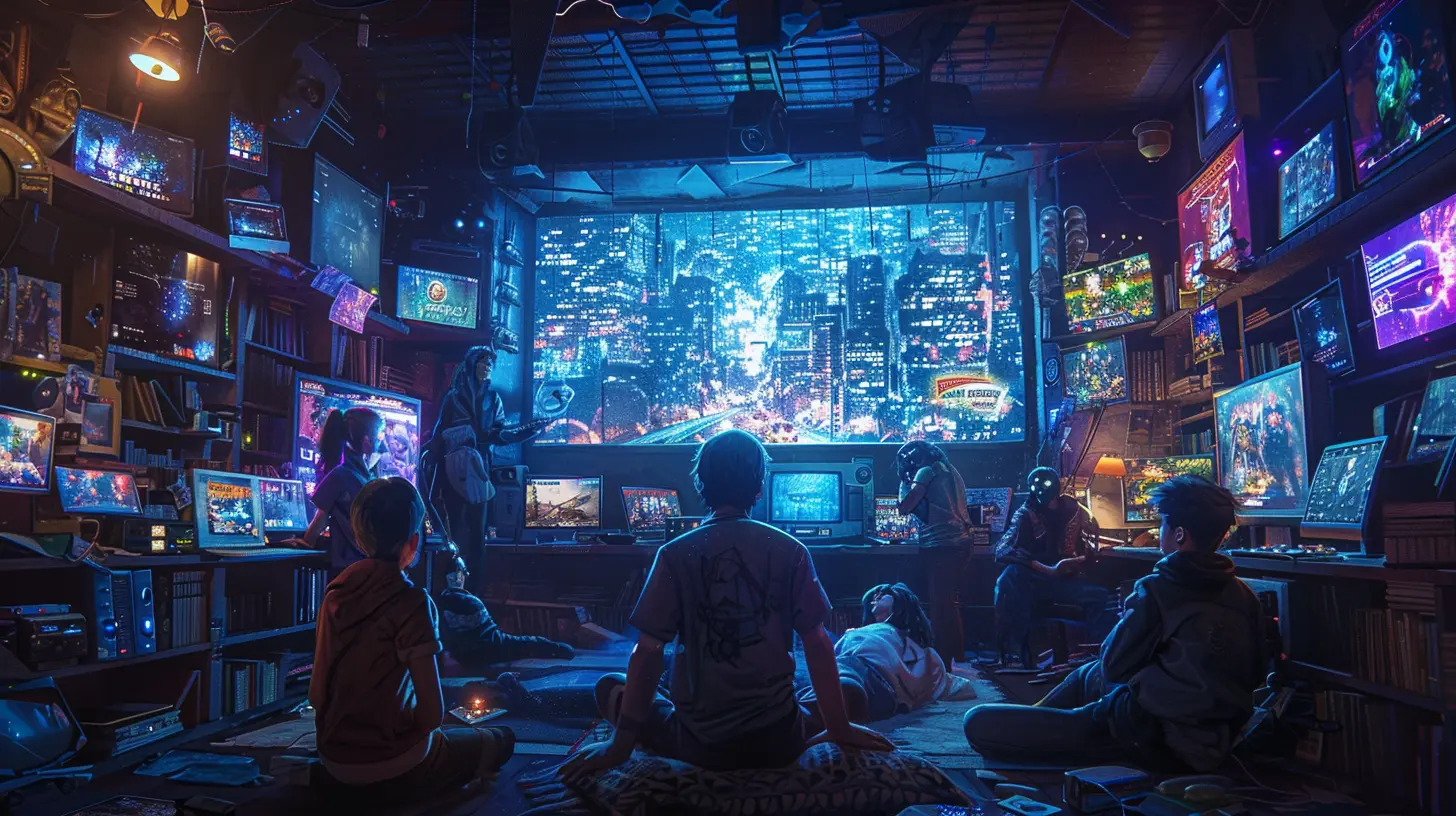
The Evolution of Gaming Communities
From Local Couch Co-Op to Global Connections
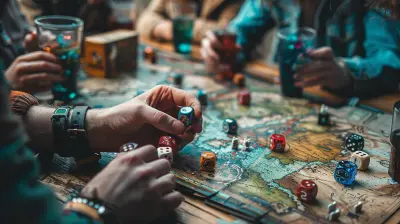
Back in the day, multiplayer meant squeezing four people around a tiny TV playing GoldenEye or Mario Kart. You remember those times—snacks on the floor, controllers tangled like spaghetti, and that one guy who always picked Oddjob (yeah, we remember). It wasn’t about online stats. It was about fun, laughs, and trash talk in your living room.Fast forward to now? Gamers can connect with others from literally anywhere in the world. Whether it’s teaming up with a buddy in Brazil or joining a voice chat with someone in Sweden—you’re no longer limited to your zip code.
The Role of Online Platforms
Platforms like Discord, Reddit, Twitch, and even Twitter (or X, if we’re being all current) have made it super easy for gamers to interact. Want to find people who love a niche indie game as much as you do? There's a space for that. Interested in debating game mechanics or strategies? Forums and subreddits are buzzing with activity.These platforms allow gamers to create, share, and most importantly—belong.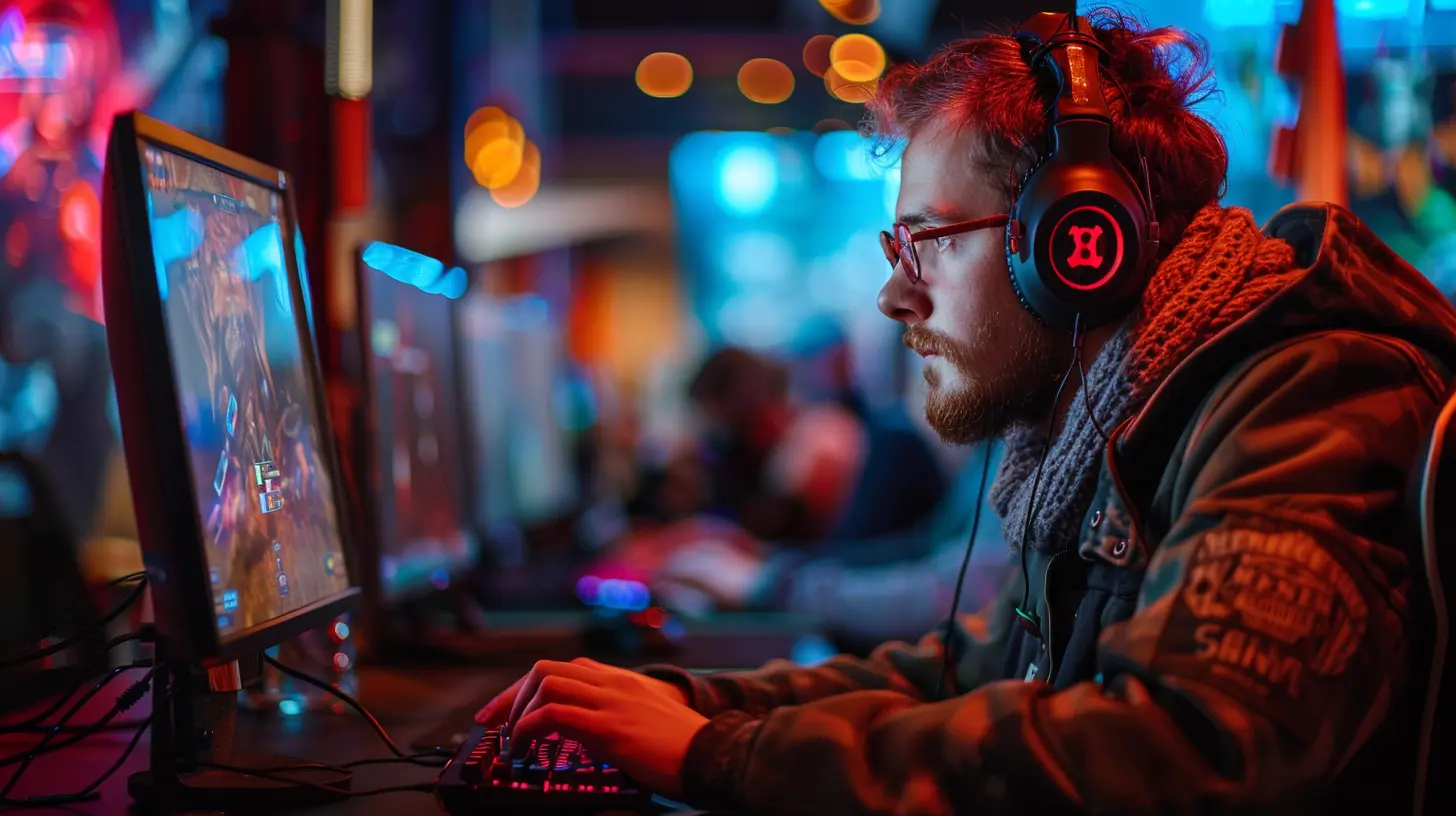
Why Community Matters in Gaming
1. Friends Who Game Together, Stay Together
Let’s be real—it’s way more fun to experience a game with friends. Whether you're raiding dungeons in World of Warcraft or building your dream island in Animal Crossing, doing it with a crew makes everything better.Gaming communities don’t just help you team up for in-game missions; they often lead to real-life friendships. Some even find love through gaming. (Yep, matchmaking isn’t just a feature—it’s some people’s origin story.)
2. Shared Passion Creates Strong Bonds
If you've ever attended a gaming convention or joined a fandom group, you know the feeling. The energy, the passion, the excitement—it’s contagious. Discussing favorite games, fan theories, or upcoming releases instantly builds connections. You don’t have to explain why you stayed up till 4 a.m. finishing a side quest… They already get it.3. Safe Havens and Support Networks
Gaming communities can go way beyond entertainment. For many, they become safe spaces. Struggling with mental health, loneliness, or just having a bad day? Jumping online and chatting with like-minded folks can be incredibly therapeutic.A lot of gamers agree—sometimes, your guild mates or online friends are your biggest supporters.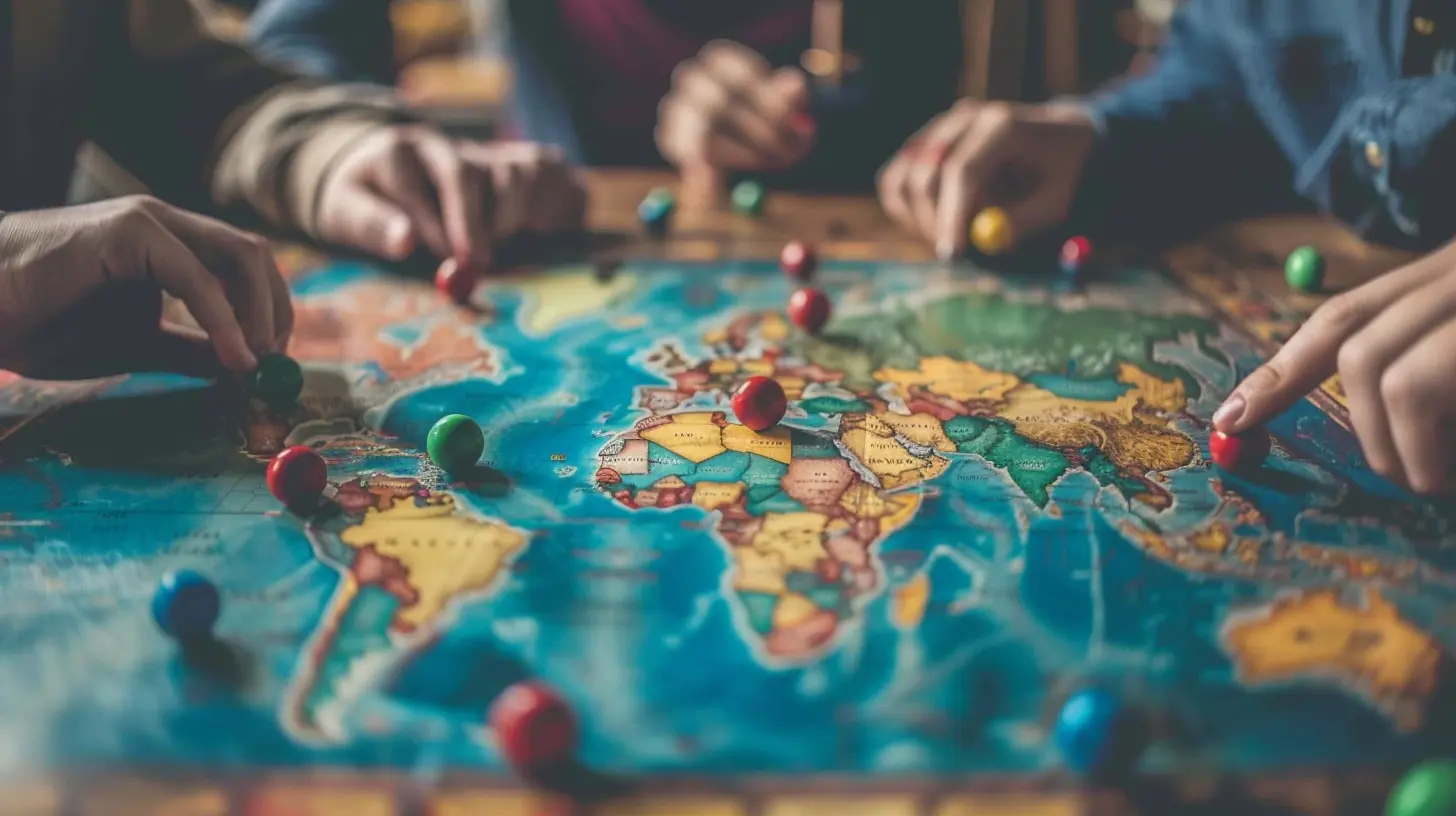
Real Power: How Communities Shape Games
Here’s where it gets wild. It’s not just that gamers create communities. It’s that communities actively shape gaming itself.Beta Testing and Feedback Feedback… and More Feedback
Game developers often lean heavily on their communities when testing new features or fixing bugs. Ever noticed how quickly game devs respond to Reddit threads or Twitter mentions? That’s because community feedback matters.Take a look at games like Minecraft or Fortnite. Their success isn’t just about game mechanics—it’s because devs listened to players, added requested features, and evolved the games over time based on community ideas.
Mods, Fan Art, and User-Generated Content
Gamers aren’t just playing games—they’re expanding them. Modders keep classic games alive (hello, Skyrim with 1,000 mods). Artists create fan art, stories, and animations. Streamers develop lore or inside jokes that become part of the culture.Communities turn games into living ecosystems, full of creativity and infinite possibilities.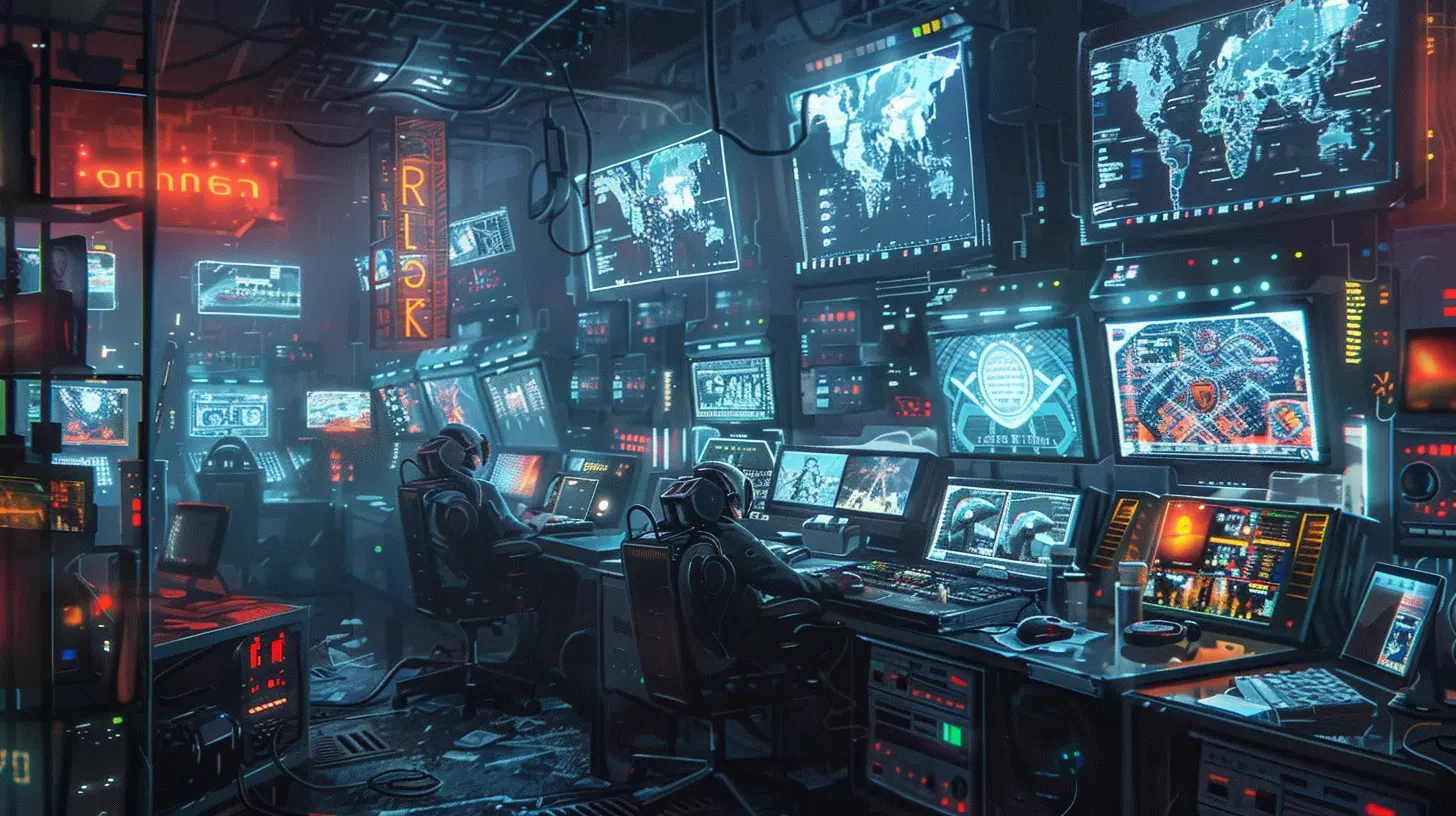
eSports: The Competitive Side of Community
From Hobby to Stadiums
Not long ago, video games were dismissed as a time-waster. Now? eSports tournaments fill arenas. Pro gamers have sponsors, fans, and full-blown careers. That’s the power of a passionate community.From League of Legends to Call of Duty, competitive gaming has become a spectacle. And fans aren’t just watching—they’re cheering, analyzing, and supporting their favorite teams like they’re rooting for the Super Bowl.
Fan Bases That Rival Traditional Sports
Let’s put it this way. If you thought football fans were intense, you’ve clearly never seen a DOTA 2 fan arguing over patch notes. The support is real, the banter is spicy, and the love runs deep.These fans create wikis, theory-crafting Discords, highlight reels, cosplay, and more. They’re not passive observers—they’re part of the team.
Streaming & Content Creation: Building Mini-Communities
The Rise of Streamers and YouTubers
Nowadays, streamers are more than just entertainers. They're community leaders. Whether it’s Ninja, Pokimane, or your local Twitch affiliate grinding late nights, streamers build close-knit communities that feel like family.And it’s not just about watching gameplay—it’s about being part of the action through chat, donations, emotes, and even community games.
Parasocial? Maybe. But Also Powerful
Some worry about parasocial relationships (where viewers feel super connected to creators who don’t know them personally). That said, many streamers go out of their way to recognize regulars, shout out subs, or host Q&A sessions. Done right, it becomes a positive, two-way relationship.Indie Games and Grassroots Communities
Big Impact, Small Studios
Let’s give indie games some love. These titles often have small teams but massive heart—and their communities are just as passionate. From Stardew Valley to Hollow Knight, indie games build cult followings that support them long-term.Often, the devs are right there in Discord chats or forums, chatting with fans. It’s a cozy, personal vibe that big-budget games sometimes miss.
Kickstarter, Patreon, and Direct Support
Communities don’t just play indie games—they fund them. Through platforms like Kickstarter and Patreon, fans literally help bring games to life. That level of support? Incredible.Toxicity: The Downside We Gotta Talk About
Let’s be honest—not every gaming community is sunshine and rainbows. Some spaces struggle with toxicity, gatekeeping, and harassment. It’s a very real issue, especially for women, LGBTQ+ gamers, and people of color.But here’s the good news: communities can change that too. Moderators, inclusive clans, and safe zones are helping to create better spaces. Games that take a no-nonsense approach to reporting and banning bad behavior build stronger, healthier communities.
We all play a role in shaping the vibe of our shared spaces.
The Future: Where We’re Headed
VR, Metaverse & Virtual Hangouts
The future looks even more connected. With VR and metaverse-style worlds, community interaction is going to get richer and more immersive. Imagine attending a virtual concert in Fortnite or hanging out in a VR lounge with your guild—it’s already happening.Cross-Platform Play and Inclusivity
Games are bridging gaps. More titles support cross-play, letting friends connect no matter the console. Accessibility features are also improving, allowing gamers with disabilities to join the fun.All this points to one thing: gaming is for everyone, and community is the glue holding it all together.
So, Why Does This All Matter?
Because these communities aren’t just side effects of gaming—they are the heart of it. They provide companionship, foster creativity, build careers, and even help shape the games themselves.And in a world that sometimes feels disconnected, gaming communities reconnect us—across borders, languages, and screens.
So next time you log in, hop into voice chat, or post a meme in your favorite game’s Facebook group, know this: you’re part of something powerful. Something global. Something awesome.
Keep gaming. Keep connecting.
all images in this post were generated using AI tools
Category:
Game CultureAuthor:

Lana Johnson
Discussion
rate this article
1 comments
Finnian Hayes
Gamers unite like a pizza with too many toppings: a bit messy, but somehow it always works out. Just remember, sharing snacks is mandatory for true community!
June 3, 2026 at 5:07 AM
Lana Johnson
Great analogy! The best gaming experiences are definitely about sharing those moments, just like a pizza with all the right toppings. Community makes it all worthwhile!