An In-Depth Look at the Fable Franchise
20 May 2026
When we talk about iconic RPGs, the Fable series always sneaks into the conversation. Not because it had the most groundbreaking combat or the most complex storylines—but because it was just different. It had personality. It had charm. And it dared to be quirky in a world full of grim and gritty. So, if you’ve ever wondered why the Fable franchise still holds a special place in the hearts of gamers even years after its last major release, you’re in the right place. Let’s take a deep, honest dive into the whimsical world of Fable.
What Is the Fable Franchise All About?
At its core, Fable is an action RPG series with a twist—it blends traditional fantasy adventure with dark British humor, loads of personality, and a morality system that was ahead of its time. Developed originally by Lionhead Studios and published by Xbox Game Studios, the series made its debut in 2004 with the first Fable game on the original Xbox.Fable isn’t your typical swords-and-sorcery RPG. Sure, it’s got knights, monsters, and spells—but it also throws in fart jokes, talking doors, and chickens that are somehow always worth kicking. You play as the Hero of Albion, a customizable character whose choices shape not just your appearance and abilities, but the world around you.
A Brief Timeline of Fable Games
Let’s walk through the series step by step. The Fable franchise isn’t just one game—it’s a whole universe of sequels, spin-offs, and even a highly-anticipated reboot.Fable (2004)
This is where it all began. The original Fable promised to change RPGs forever. And while it didn’t quite deliver all the revolutionary features it boasted pre-launch (thanks, Peter Molyneux), it still carved out a unique identity.You start as a young boy in the village of Oakvale, and after tragedy strikes, you're trained to become a hero. The game lets you choose to be good or evil, depending on your actions. Save villagers or rob them blind—it’s your call. Over time, your choices literally change how you look. Halo above your head? You’re a saint. Horns and flies buzzing around you? Yeah, not so much.
Fable: The Lost Chapters (2005)
Think of this version as the Fable 1.5. It includes all the original content plus new quests, areas, and gear. It also helped open the franchise up to PC players.Fable II (2008)
A fan favorite. Fable II pushed everything further—bigger world, deeper story, better combat, and yes, more chickens. Set 500 years after the first game, it brought a more mature tone but doubled down on the humor and charm.The best part? You could buy property. A ton of it, actually. From roadside shacks to castles, you could become a real estate mogul or just evict people for fun. Oh, and let’s not forget about the dog companion—a furry friend that actually made you feel something when it got hurt.
Fable III (2010)
This was a bold one. Fable III thrust you into the role of a revolutionary, fighting to overthrow a tyrant king—only to become ruler yourself. It added new layers of choice and responsibility. People had to either love you or fear you, and your decisions as king could lead to prosperity or devastation.Critics were divided. The mechanics felt a little rushed, and the UI was messy. But the story? Still full of charm and some surprisingly emotional moments.
Fable: The Journey (2012)
And then... things got weird. Fable: The Journey was a Kinect-exclusive title for Xbox 360. It ditched the open-world formula and gave us a first-person magic-slinging experience. Innovative? Maybe. Fun? Ehh, not for everyone.It didn’t land well with fans who wanted more of the traditional Fable experience. Still, credit where it’s due—they tried something new.
Fable Heroes (2012)
A strange little Xbox Live Arcade game that felt like a mix of Fable and a board game. It was cute, cartoony, and meant to be played co-op. It didn’t make huge waves, but it kept the brand alive.Fable Legends (Cancelled)
This one stings. Fable Legends was supposed to be the next big thing—a 4v1 multiplayer game where four heroes would battle against one villain-controlled player. It had promise, some great design, and was even in beta testing.Then, boom—Lionhead Studios shut down in 2016, and the game was scrapped.
The Upcoming Fable Reboot (TBA)
Here’s the silver lining. Playground Games (best known for the Forza Horizon series) is currently working on a reboot simply titled "Fable". Details are scarce, but the trailer showed a familiar tone—beautiful visuals, magical creatures, and satire, all wrapped into one.Fingers crossed this one brings the magic back.
What Made Fable So Special?
Let’s be real: Fable wasn’t perfect. It had bugs, weird AI, and a tendency to overpromise. But it had soul. It did things differently, and it did them with heart. Here’s what made Fable stand out in a crowded RPG market.1. The Morality System
Before it was cool to make in-game choices that mattered, Fable was already doing it. Eat too much pie? You get fat. Use dark magic? You grow horns. Help an old lady cross the street? Look at you, you goody two-shoes.The game kept track of your actions and changed the world accordingly. NPCs reacted to you, shops gave discounts (or jacked up prices), and even your physical appearance evolved. It made every playthrough feel personal.
2. British Humor
Fable never took itself too seriously. The world was full of dry wit, sarcasm, and ridiculous situations. Whether it was a talking gargoyle insulting your aim or a demon door that only opened if you wore women’s clothing—it kept things light-hearted.3. The World of Albion
Albion felt alive. Not because it was the biggest or most detailed map, but because it had character. Villages had unique architecture, NPCs had daily routines, and the day-night cycle actually mattered.Plus, every game moved the timeline forward. You could see how Albion evolved from a medieval fantasy land to an early industrial society. That continuity added depth you didn’t even notice until you sat back and connected the dots.
4. Accessibility
Not every RPG needs 100 weapon stats and 50 dialogue trees. Fable was built to welcome both casual gamers and hardcore fans. It kept combat simple, magic flashy, and the story easy to follow—but layered in enough choice and consequence to keep you engaged.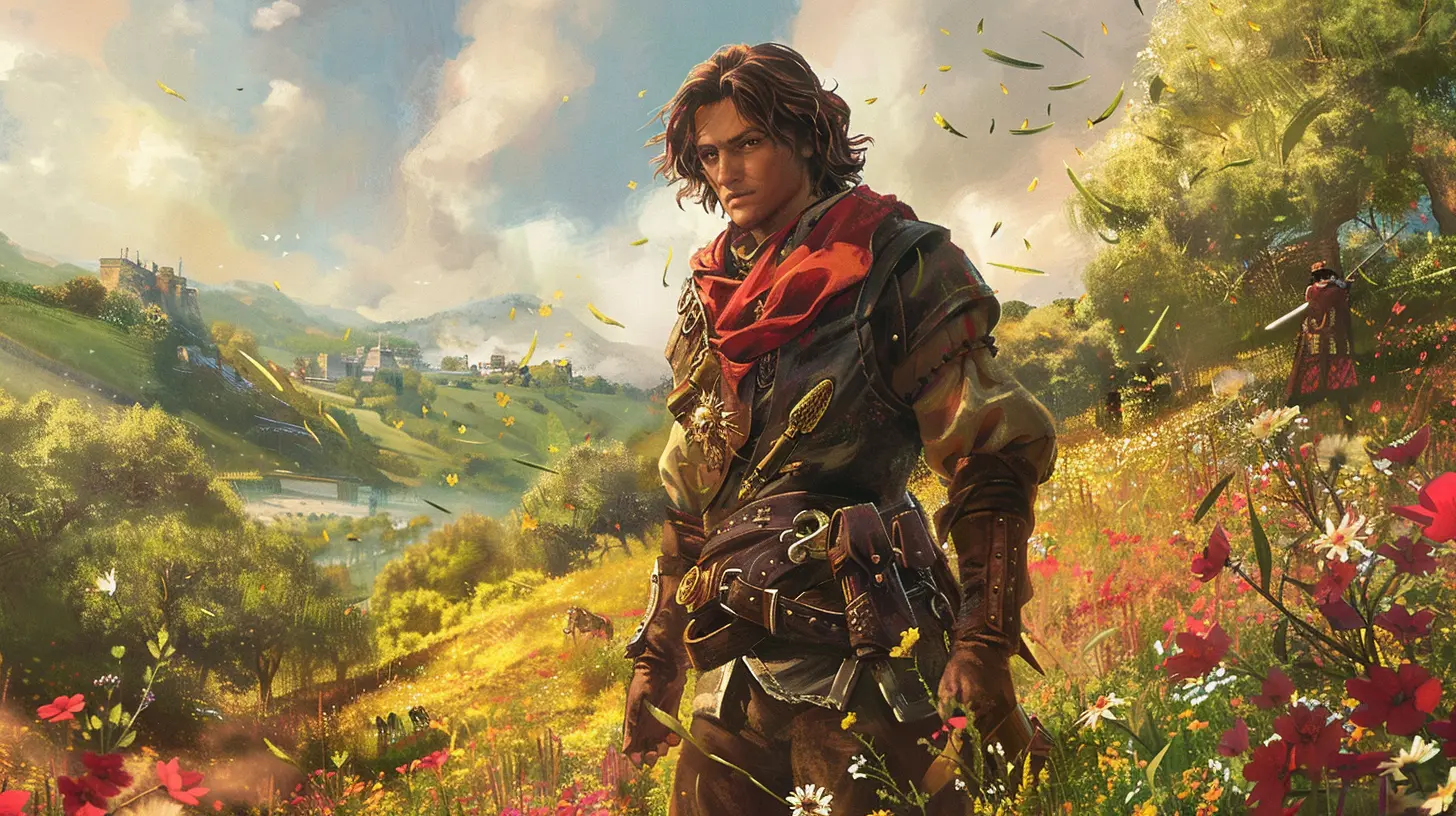
Why Did It All Go South?
So, what happened? How did a beloved franchise go from mainstream must-play to a decade-long nap?First, overpromising. Peter Molyneux—brilliant idea guy, but often guilty of hyping features that never made it into the final game. That hurt trust over time.
Second, inconsistent focus. With games like Fable: The Journey and Fable Heroes, the franchise lost its identity. Fans got confused. New players didn’t know where to start.
Finally, studio troubles. Lionhead’s closure in 2016 didn’t just cancel Fable Legends—it gutted the heart of the franchise.
What We Know About the Upcoming Reboot
Alright, time to get hyped again—but cautiously. The new Fable reboot is being developed by Playground Games, a studio with a strong track record. They’re known for fast cars, not fantasy swords, but if anyone can bring polish and world-building to Albion, it’s them.The teaser trailer shows off a gorgeous fairy tale aesthetic, complete with a fairy being eaten by a frog. Classic Fable. No release date just yet, but it’s in development for Xbox Series X|S and PC.
Will it live up to the legacy? Hard to say. But the interest is definitely there.
Will Fable Thrive Again?
Let’s be honest: nostalgia can be a double-edged sword. Fans remember Fable as better than it probably was. But that’s not a bad thing—it shows how strong the connection is.If the reboot can nail the balance between modern gameplay and classic Fable charm, it could be a home run. The gaming world craves variety. Not every game has to be a dark, open-world survival fest. Sometimes, you just want to kick a chicken and laugh at a sarcastic door.
Final Thoughts
The Fable franchise isn't just a collection of games—it's an experience. It's that weird blend of humor, magic, and moral choice that sticks with you long after the credits roll. It’s the game where you can woo someone with a fart or become the savior of the realm—and somehow, both feel equally valid.Will the new Fable live up to the legend? We hope so. But even if it doesn’t, the original games gave us something unique—and in a world full of cookie-cutter RPGs, that’s worth celebrating.
all images in this post were generated using AI tools
Category:
Xbox GamesAuthor:

Lana Johnson
Discussion
rate this article
2 comments
Imani McPherson
Fable has always stood out for its unique blend of storytelling, choices, and whimsical humor. Each installment offers a fresh perspective on morality and adventure, making it a timeless franchise. Here's hoping for more magical experiences in future games!
July 19, 2026 at 4:15 PM
Lana Johnson
Thank you for your thoughts! Fable's charm truly lies in its storytelling and humor. I also hope we see more of that magic in upcoming titles.
Zylith Rios
Fable has always captivated players with its unique blend of humor and moral choices. The world feels alive, and the characters are memorable. I'm excited to see how the franchise evolves in future installments.
June 14, 2026 at 3:08 AM
Lana Johnson
I completely agree. Fable's charm lies in its humor and rich storytelling, and I can't wait to see what the next chapter brings.