Beyond the Buzz: Three ETFs That Expose the True Split in Digital Entertainment
April 24, 2026 - 18:29
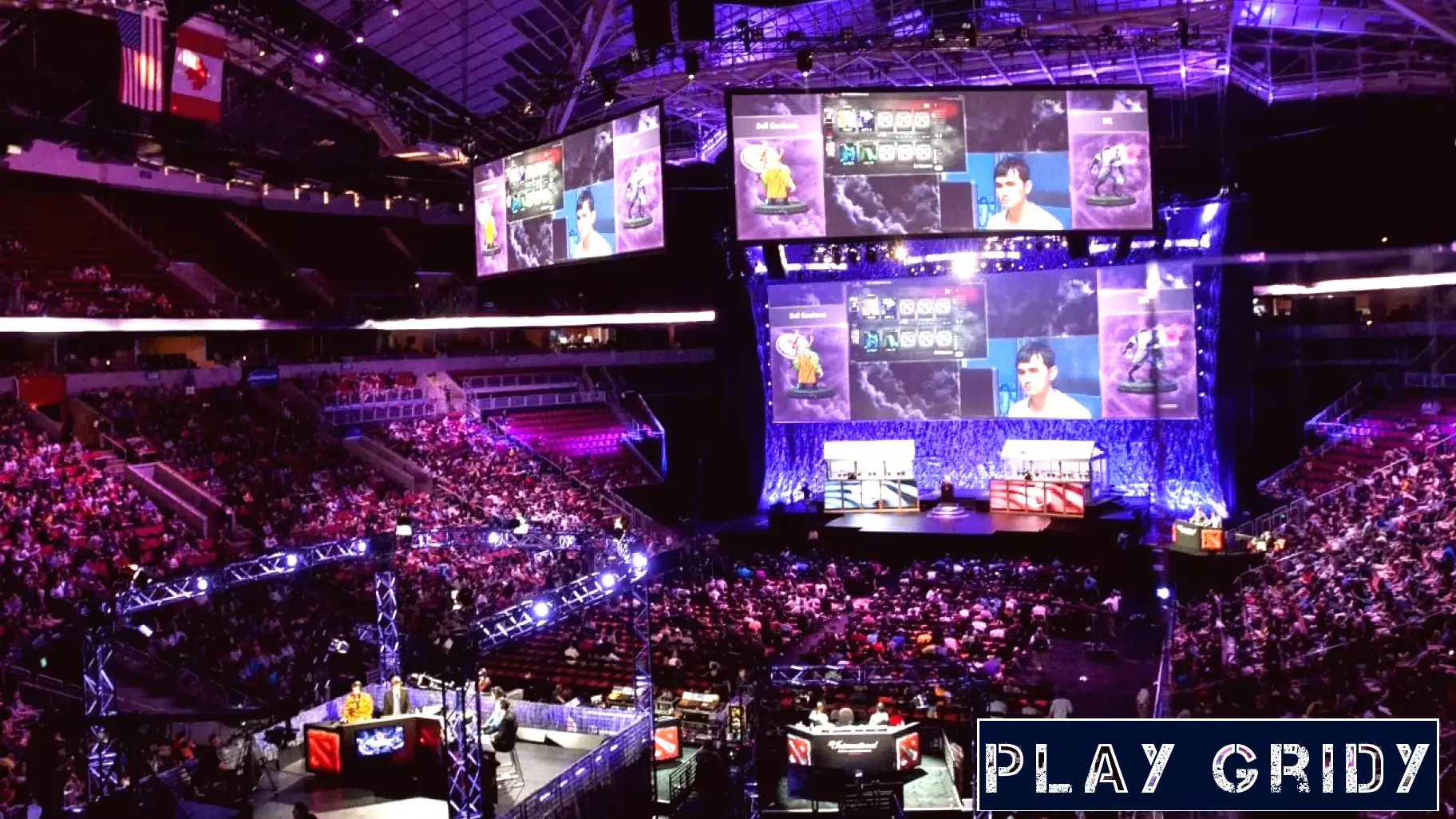
Digital entertainment has grown into one of the largest discretionary categories for consumers, and it continues to draw more time and attention every year. Video games, esports, live streaming, and online wagering all compete for the same hours, even though the companies behind them look very different. A handful of ETFs try to capture pieces of this sprawling industry, but broad gaming funds often blur the lines between distinct business models. Investors who treat all digital entertainment as one monolithic sector risk missing the real divide.
The first ETF worth examining focuses on traditional video game publishers and hardware makers. These funds hold companies that generate revenue primarily through game sales, subscription services, and console manufacturing. Their performance tends to track major game release cycles and hardware refresh periods. When blockbuster titles launch, these funds often see a boost, but they can lag during dry spells between major releases.
A second category of ETFs targets the fast-growing world of esports and live streaming. These funds invest in tournament organizers, streaming platforms, and companies that monetize viewer engagement. Unlike traditional gaming ETFs, these funds benefit from advertising revenue, sponsorship deals, and virtual goods sales during live events. Their growth depends less on game launches and more on expanding audiences and increasing time spent watching content.
The third ETF type focuses on online wagering and gambling technology. These funds hold companies involved in sports betting, casino gaming platforms, and payment processing for digital gambling. Their performance is tied to regulatory changes, user acquisition costs, and the expansion of legalized betting markets. This segment behaves very differently from both traditional gaming and esports, with revenue streams that are less dependent on entertainment trends and more influenced by legislation and gambling habits.
The real digital entertainment divide is not between consoles and PCs, but between how companies monetize attention. Some sell products, others sell experiences, and still others sell the chance to win money. Each model carries different risks and rewards, and the ETFs that isolate these segments reveal a far more nuanced picture than any generic gaming fund can provide.
MORE NEWS

July 24, 2026 - 03:54
Meet the new ‘Halo,’ same as the old ‘Halo’A few visual glitches and audio hiccups are not enough to spoil the joy of revisiting Master Chief`s first mission. The newly released version of `Halo: Combat Evolved` feels like a welcome...
July 23, 2026 - 16:19
Can Grok Really Build Video Games? Here's What We KnowElon Musk has been talking up Grok as a tool that can make video game creation easy, but how much of that is real? With the release of Grok 4.5, xAI`s chatbot is gaining attention for its ability...

July 22, 2026 - 21:29
Hasbro records $56m write-down and cancels "several games" scheduled for 2028 and beyondHasbro has recorded a significant $56 million impairment charge against its video game portfolio, a move that comes alongside the cancellation of `several` projects that were scheduled for release...

July 22, 2026 - 04:06
What developers can learn from this generation of game criticismThe era of the five-minute review is giving way to the two-hour deep dive. Across YouTube and other platforms, video essays that dissect a single game`s mechanics, narrative, or even its loading...