Why Some Games Become Cultural Phenomena
4 August 2026
Ever wonder why some video games just seem to take over the world? Like, all of a sudden, everyone and their dog is talking about the same game—streamers are playing it nonstop, memes are blowing up on social media, and you can't walk into a game shop without seeing it front and center. Yeah, we're talking about games that become cultural phenomena.
These aren’t just "popular" games or “best sellers.” We're talking about something bigger—titles that embed themselves into everyday life. Think of games like Minecraft, Fortnite, Pokémon, and Among Us. They don’t just entertain; they shape conversations, influence fashion, spawn trends, and even alter how we interact online.
So what exactly turns these digital pastimes into cultural juggernauts? Let’s break it down.
The Magic Formula: What Makes a Game Go Viral?
Okay, so first things first—there’s no one-size-fits-all formula. But certain ingredients tend to show up again and again.1. Relatability and Accessibility
Let’s face it: not everyone wants to dive into a 100-hour RPG with complex mechanics and lore deeper than the ocean. The games that usually hit viral status are easy to pick up. Think Among Us—you literally just move around, do simple tasks, and try not to get killed (or get caught if you’re the Impostor). Super simple, yet wildly fun.On top of that, accessibility matters. Can it run on a potato laptop or your old smartphone? If yes, congrats—it’s got viral potential. The more platforms a game is on, the bigger its reach. A game that only runs on high-end systems? It’s already gatekeeping a huge portion of potential players.
2. Strong Community Engagement
A big part of going viral is being shareable. Games that allow for social interaction, user-generated content, or intense competition often create natural communities. Minecraft, for example, lets players build literally anything, and people love to show off their creations. YouTube videos, Twitch streams, Reddit posts—you name it, the community makes the content grow exponentially.And let’s not forget social media. Games that are meme-worthy, gif-ready, or ripe for TikTok challenges have an edge. When your game becomes part of a viral trend, it's game over (in the best way possible).
3. Timely Launch and Cultural Relevance
Timing is everything. Among Us actually launched in 2018 but didn’t blow up until the pandemic hit and people desperately needed ways to socialize from home. Boom. Perfect timing turned a relatively unknown game into a worldwide hit.Cultural relevance also plays a role. If a game taps into current social behaviors or trends, it resonates more. Think how Fortnite added real-world dances and hosted live concerts in-game. It blurred the lines between gaming and pop culture, and people ate it up.
4. Streamers and Influencers Playing the Game
Let’s be real—Twitch, YouTube, and TikTok are the new word-of-mouth. If your favorite streamer picks up a quirky new game and can’t stop laughing at it, chances are you’re gonna go check it out.Fall Guys exploded because of its chaotic, hilarious nature. It was basically built for streaming—bright, colorful, and full of slapstick fails. When influencers play a game, they not only show off its highlights but also generate FOMO (fear of missing out). Nobody wants to be the last one to the party.
5. Endless Replayability or Sandbox Freedom
Games that become cultural powerhouses always have one thing in common: people don’t just play them—they live in them.Whether it’s the strategic depth of League of Legends, the creative freedom in Roblox, or the chaotic sandbox of Grand Theft Auto V, there’s always something new to do, discover, or break. These games don’t follow a strict beginning-middle-end format. Instead, they evolve, often with the help of live updates and new content drops.
Case Studies: Games That Shook the Culture
Let’s take a closer look at a few examples that perfectly demonstrate what we’ve been talking about.Minecraft: Building Blocks of a Generation
What started as a simple block-building game turned into one of the best-selling games of all time. Why? Kids loved it. Adults found it therapeutic. Educators used it to teach coding and math. And with its modding community and massive YouTube presence, Minecraft became the "digital Lego" of the 21st century.Pokémon: Gotta Catch ’Em All…Forever
The Pokémon franchise is more than just a game—it’s a lifestyle. From card games and anime to mobile apps and themed cafés, Pokémon reaches far beyond gaming. The idea of collecting, bonding with creatures, and battling friends has eternal appeal. When Pokémon GO dropped in 2016 and got people running around outside trying to catch Pikachu at the park? That was cultural wildfire.Fortnite: More Than Just a Battle Royale
Fortnite changed the gaming landscape. It wasn’t the first battle royale, but it was the first to combine competitive gameplay with constant pop culture updates. One week it's Marvel-themed, the next week you're watching a live Travis Scott concert in-game. It became a virtual hangout spot—not just a game.Among Us: Trust No One
The little game that could. Low budget? Yep. Basic graphics? You bet. But it had one golden element: betrayal. Social deduction games tap into our basic human instincts—trust, fear, logic, and lies. Add in voice chat, memes, and a pandemic making remote bonding necessary, and you’ve got a perfect storm for virality.
The Role of Nostalgia and Emotional Attachment
Sometimes, it's not just the gameplay that drives cultural status—it's how the game makes you feel. Games like The Legend of Zelda, Final Fantasy, and Super Mario have been around for decades, and each new release carries emotional weight. People grew up with these characters. They remind us of simpler times, late-night gaming sessions, and childhood joy. That emotional hook is powerful.Nostalgia isn’t just a marketing tool—it’s a bonding agent. When millions of people have the same childhood memory of blowing into a Nintendo cartridge to get it to work, that shared experience becomes part of our culture.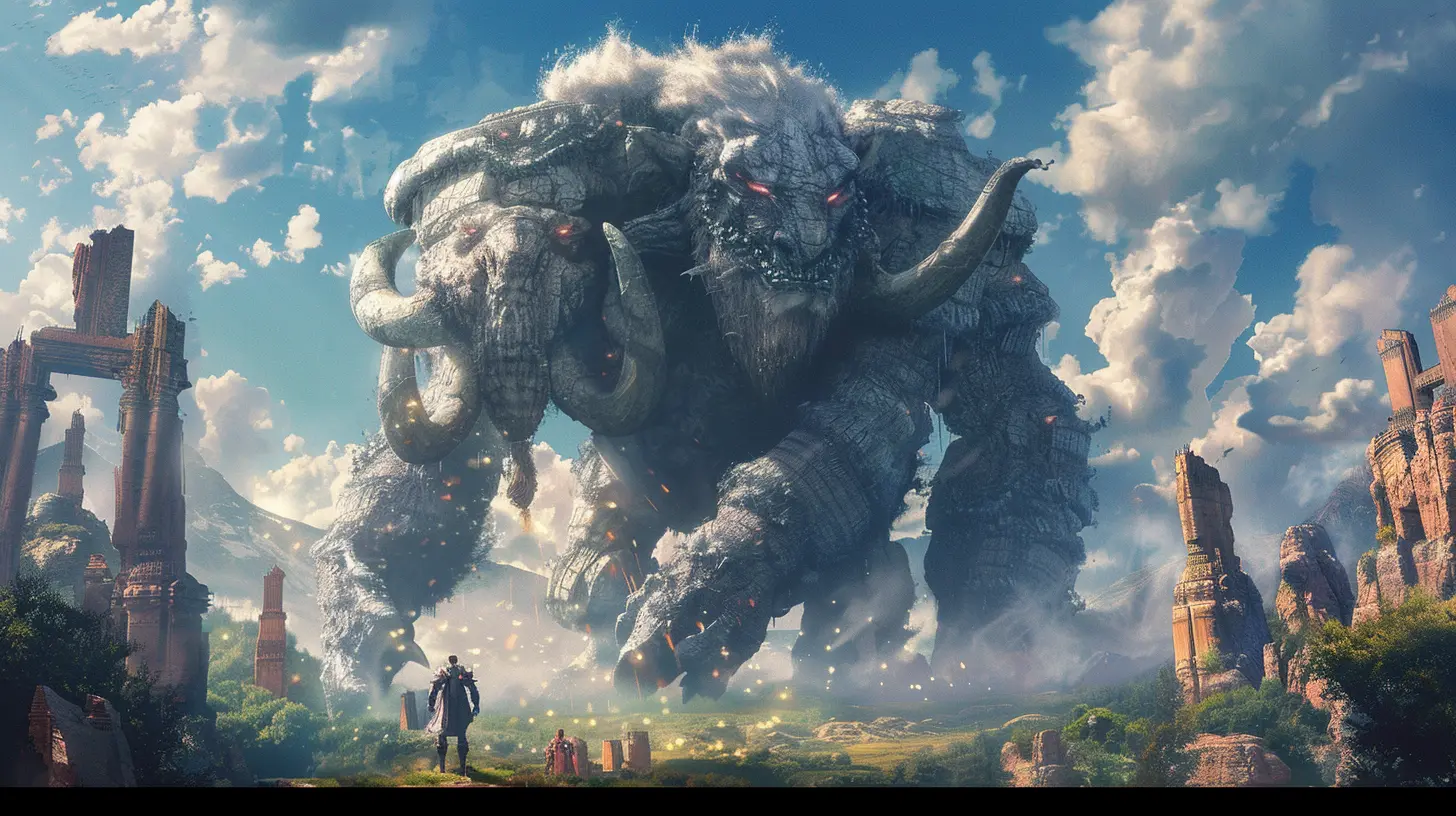
Games As Social Spaces
One major reason some games skyrocket culturally? They’re not just games—they’re places to hang out.Especially with online multiplayer titles, players don’t just log on to win; they log on to connect. Voice chat, emotes, team-ups, dance parties—it’s all part of the hangout culture. You’ll find kids chilling in Fortnite’s creative mode just talking, or friends exploring in GTA Online without doing any missions.
That sense of community makes players feel like they belong. And when millions of people feel that way together, that’s the backbone of a phenomenon.
Memes, Mods, and Fan Creativity
Let’s not ignore the power of the internet. Memes can fuel a game’s success like nothing else. Remember the "sus" explosion thanks to Among Us? Or the countless Skyrim mod videos that have turned it into meme fodder for over a decade?Games that encourage fan creativity—either through mods, art, or content creation—tend to last longer and seep deeper into culture. Once fans start remixing, parodying, or building off your game? You’ve achieved a whole new level of relevance.
Pop Culture Integration and Crossovers
Look, if your game starts showing up in fashion shows, talk shows, or gets featured in a Marvel movie, you're doing something right. Crossovers bring massive visibility.Fortnite absolutely crushed this. They brought in characters from Star Wars, Marvel, DC, and even real people like Ariana Grande and Travis Scott. These integrations make the game feel like a part of something bigger—a digital universe connected to real life.
Conclusion: It’s Bigger Than the Game
When a video game becomes a cultural phenomenon, it’s not just because it’s “fun” or “well-made.” It's because it taps into something much deeper—human connection, shared experiences, and emotional resonance. These games become more than just entertainment. They become part of the way we communicate, socialize, and even understand the world around us.So next time a game takes the world by storm, look past the gameplay. Think about how it interacts with culture, tech, community, and timing. That’s where the real magic happens.
Who knows? Maybe the next cultural phenomenon is already out there—waiting for a Twitch streamer to click “Go Live.
all images in this post were generated using AI tools
Category:
Game CultureAuthor:

Lana Johnson