Why Side Quests Are Often Better Than the Main Story
18 July 2026
When you're deep into a video game and start ignoring the big, blinking "Main Objective" marker just to chase a random NPC’s missing cat, you're not alone. The truth is, side quests—those optional missions sprinkled throughout a game—often steal the spotlight from the main storyline.
Sounds crazy, right? The developers spend years crafting a grand narrative, and here we are, hooked on helping villagers with their laundry or slaying ten rats in a basement. But there's a good reason for it. Actually, there are a bunch of them. So, let’s break it down and talk about why side quests are often better than the main story—and why that’s actually a fantastic thing for gamers.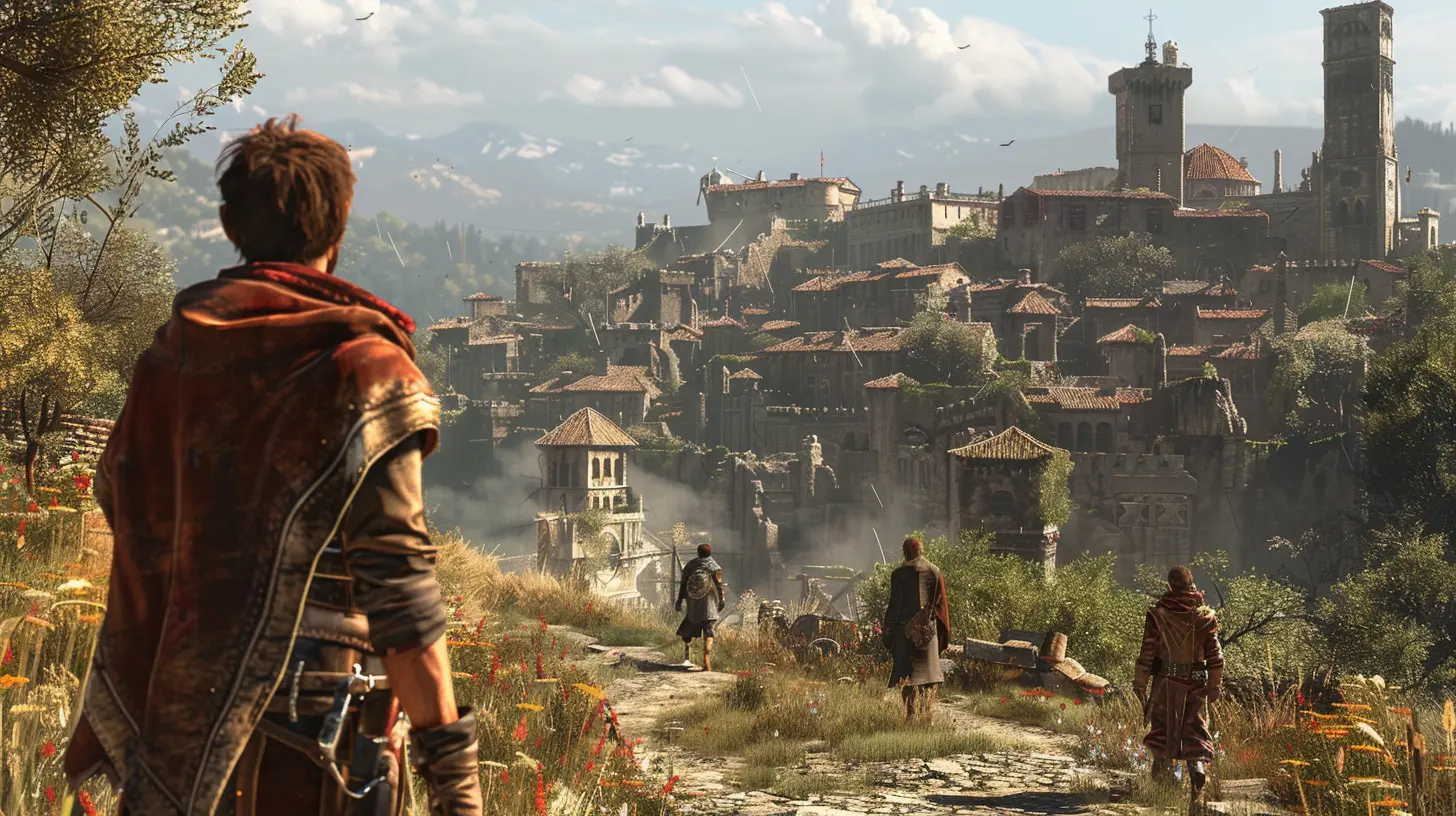
The Freedom to Explore at Your Pace
One of the biggest things side quests offer is freedom. Unlike the main quest, which often pushes you forward with a sense of urgency (save the world, stop the villain, yadda yadda), side quests let you breathe.It’s like being on a road trip. The main story is the highway—fast, direct, and usually predictable. But side quests? They’re the scenic detours where the real magic happens. You get to slow down, soak in the world, and really connect with the game’s universe.
When you're not being shoved from one cutscene to another, you’re free to explore caves, climb mountains, or maybe just deliver a letter to some random NPC. There’s no pressure, just pure adventure.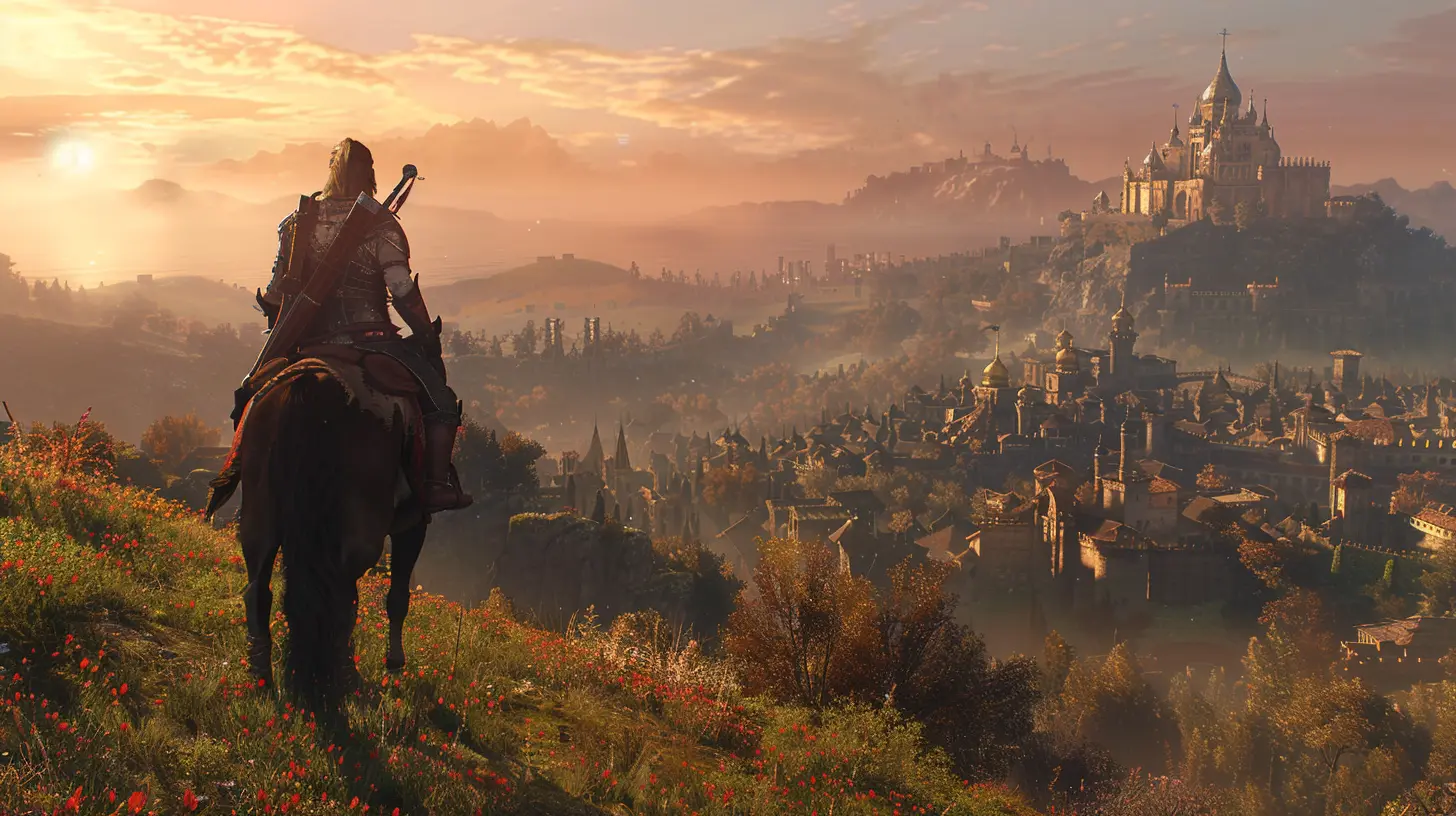
Characters That Actually Stick With You
Let’s get real for a sec. How many times have you finished a game and remembered a side character more vividly than the protagonist or big bad villain?Think about characters like The Bloody Baron from The Witcher 3 or Parvati from The Outer Worlds. They’re part of optional or side content, but their stories are often more emotionally charged and grounded than the world-ending crises found in the main narrative. Why is that?
Because side quests often have the time and space to flesh out characters. You're not being rushed from mission to mission. You get to talk, make choices, and dive deep into these mini-narratives that feel intensely personal.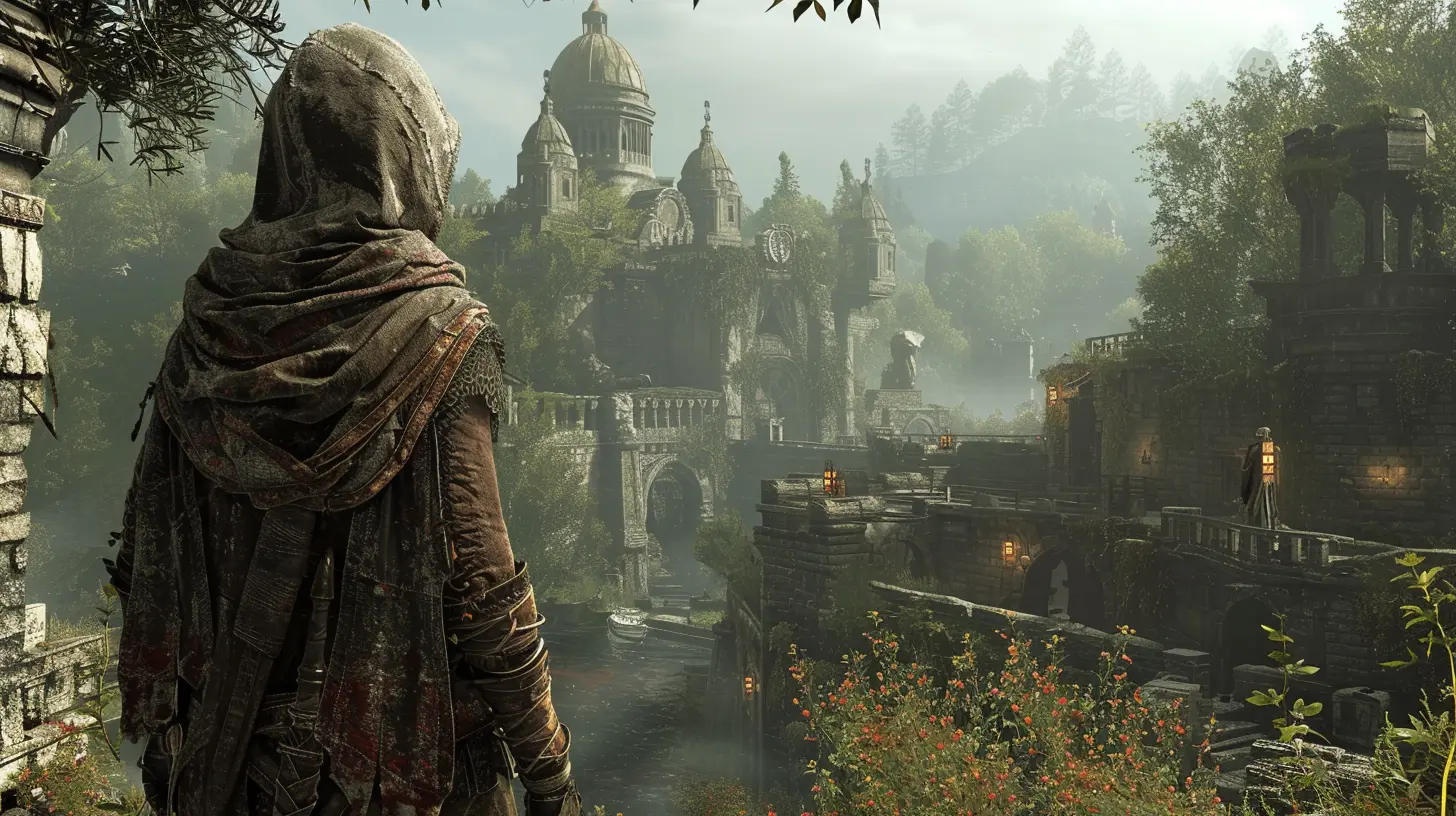
Unexpected Stories and Surprises
Here’s the thing: main stories usually follow a formula. Hero gets a call to action, faces hardships, defeats the villain, world is saved. It’s tried and true—but also, kind of expected.Side quests, on the other hand, are where developers sneak in the unpredictable. They’re like those bonus tracks on an album that turn out to be even better than the singles.
You might stumble upon a haunted mansion, uncover a centuries-old conspiracy, or help a ghost bake a cake. Seriously. These quests aren't bound by the serious tone of the main arc, which lets them get weird, heartfelt, or just plain hilarious. That variety? It's gaming gold.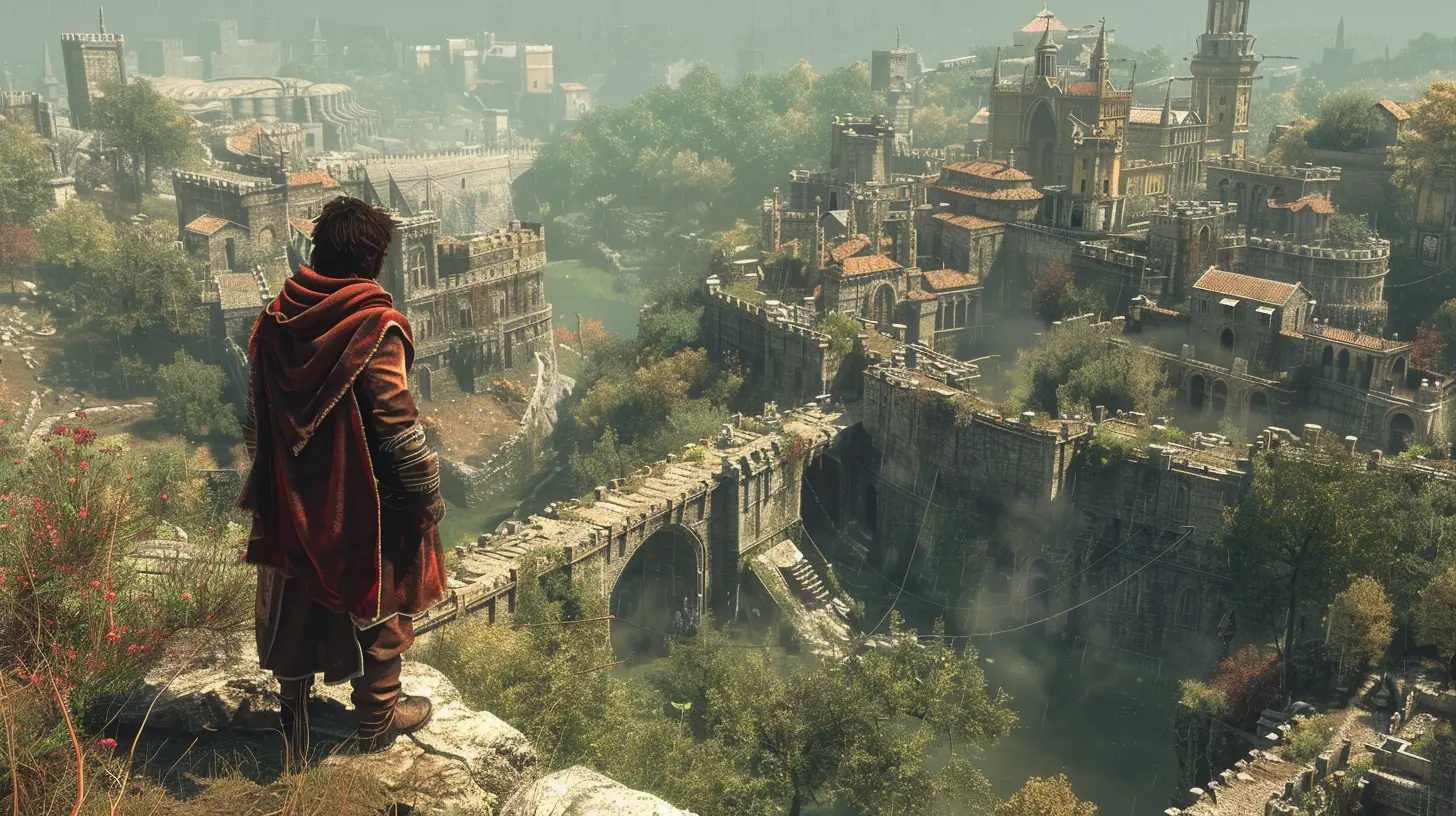
They Flesh Out the World
Without side quests, most game worlds would feel like cardboard cutouts instead of living, breathing places. Side quests add richness and depth that the main story simply doesn’t have time for.These are the tasks that let you hear villagers gossip, get involved in local politics, or witness culture clashes. You learn what people eat, what they believe, and what keeps them up at night. That kind of world-building doesn’t just make the game better—it makes it feel real.
Ever played Skyrim? Yeah, the main story is all about dragons and ancient prophecies. Cool stuff. But the best parts? Getting caught up in the Thieves Guild, exploring the Dark Brotherhood, or adopting kids in Whiterun. That’s what gives the world its soul.
A Playground for Choice
Video games are all about choices, right? But sometimes the main quest is so tightly scripted that your decisions don’t actually matter. Side quests, though? Those often give you the wiggle room to influence outcomes, sometimes in wildly unexpected ways.Whether it’s deciding the fate of a minor character or choosing which side to support in a local feud, side quests empower you as a player. They give your actions weight—even if it’s just in a tiny corner of the world.
And let’s be honest: feeling like your choices matter is a big part of what makes gaming so rewarding.
Pacing That Actually Respects You
Not every gamer wants to be on the edge of their seat at all times. Sometimes, we just want to chill. Side quests let you take a breather.You can go from a high-stakes boss fight to helping a farmer pick apples or organizing a festival. These quests might sound mundane, but they’re often oddly therapeutic. They balance out the intensity of the main plot and prevent burnout.
Think of side quests as the cozy sweatpants of gaming—they may not be glamorous, but they're hella comfortable.
Hidden Gems and Loot Galore
Let’s be honest, we're all loot goblins at heart. And side quests? They're treasure troves.More often than not, side quests are where you’ll stumble upon legendary weapons, rare outfits, or game-breaking spells. The main storyline might reward you occasionally, but side quests are where the good stuff’s hidden.
Even better? You get the thrill of discovery. You weren’t supposed to find that epic gear so early, but you did—and that makes it feel earned.
Emotional Investment Without the Stakes
Here’s something worth considering: side quests let you get emotionally involved without the stress. You can bond with characters, make choices, and experience mini-stories without worrying that the fate of the world hangs in the balance.It's like watching a short film versus an intense drama series. Both have value, but one is definitely easier on your emotional bandwidth. You can cry over a lost dog side quest, feel good about reuniting old lovers, and then log off without feeling drained.
That’s the beauty of it. Side quests are small stories with big heart—and sometimes, that’s exactly what we need.
They Let Developers Flex Their Creative Muscles
Main stories are often bound by tone, pacing, and structure. Developers have to keep things pretty buttoned-up. But side quests? That’s their sandbox.It's where writers, artists, and designers let loose. Want to spoof a Monty Python skit? Create a murder mystery? Add a musical number? You do that in a side quest.
This creative freedom leads to some of the most memorable content in gaming. When developers aren’t boxed in by narrative expectations, they take risks—and those risks often pay off big time.
They Keep You Coming Back
You might finish a main story and never touch the game again. But side quests? They’re what keep you hooked. They make you want to see every inch of the map, talk to every character, and squeeze out every last drop of content.That's replay value, baby.
When a game’s side content is strong, it extends the life of the experience. You’re not just playing for the big story beats—you’re playing because you want to see what happens if you help that goblin start a bakery.
So… Are Side Quests Really Better?
In many ways, yeah. While the main story is the spine of a game, side quests are the heart. They’re where the game opens up, gets personal, and lets you make it your own.Side quests aren't just filler. They're the layers of flavor that make a gaming meal complete. Without them, you're just stuck with a dry story sandwich—and who wants that?
So next time you see a little “!” over someone’s head, don’t ignore it. That random side quest might just turn out to be your favorite part of the game.
Final Thoughts
Let the main story wait. Go fish with a wizard, solve a murder mystery in a sleepy town, or deliver that suspicious-looking pie.Because in the world of gaming, it’s often the side quests—the hidden paths, the overlooked stories, the unexpected laughter—that truly make the journey worthwhile.
And isn’t that what gaming’s all about?
all images in this post were generated using AI tools
Category:
Quests And MissionsAuthor:

Lana Johnson