Why Retro Games Still Matter
1 January 2026
Ah, retro games. The pixelated playgrounds, the chiptune soundtracks, the clunky controllers… and let's be honest, the occasional rage-quit thanks to their ruthless difficulty. Yet here we are, decades later, still talking about them. Whether you’re someone who grew up cradling a Game Boy or you’ve only recently discovered the magic of 8-bit gaming, one thing is clear — retro games still matter.
But wait. Why, in a world of hyper-realistic graphics and cloud gaming, do these old-school titles continue grabbing our attention?
Let’s load that nostalgic cartridge and press start.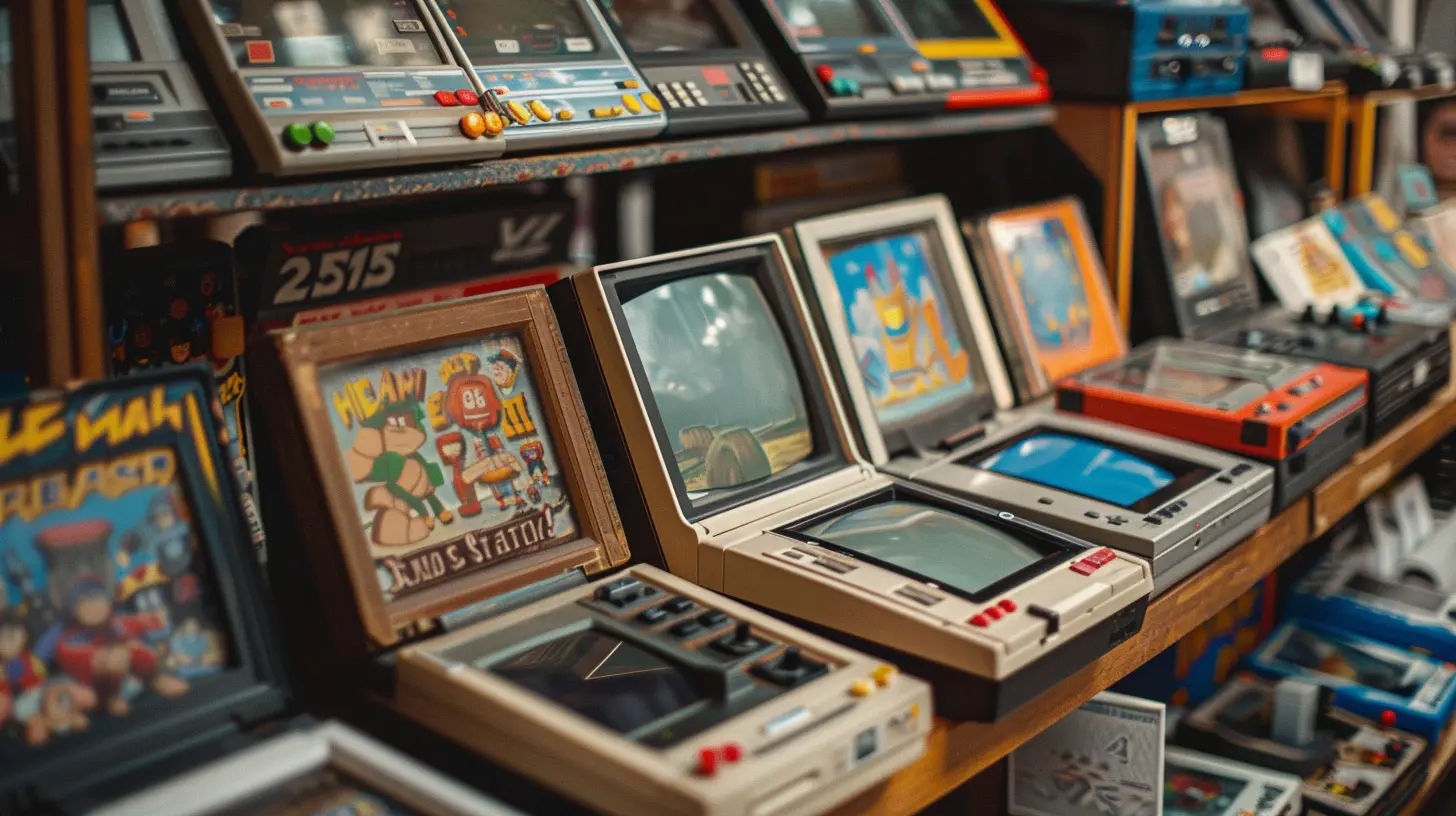
🎮 A Trip Down Memory Lane (That Actually Teaches You Stuff)
First up, let’s talk about what makes retro games more than just digital antiques. These pixel-packed relics are cultural time capsules. They’re snapshots of gaming’s early years — and those early years? Oh boy, they were something special.Think of retro games like the vinyl records of the gaming world. Sure, you’ve got Spotify with millions of songs at your fingertips, but some people still choose to spin a record. Why? Because there’s a vibe, a charm, a soul to older formats. Retro games are kind of the same thing.
Whether it’s the satisfying bloop of collecting a coin in Mario or the crisp laser zap in Galaga, these sounds and sights hit differently — like muscle memory for your inner gamer.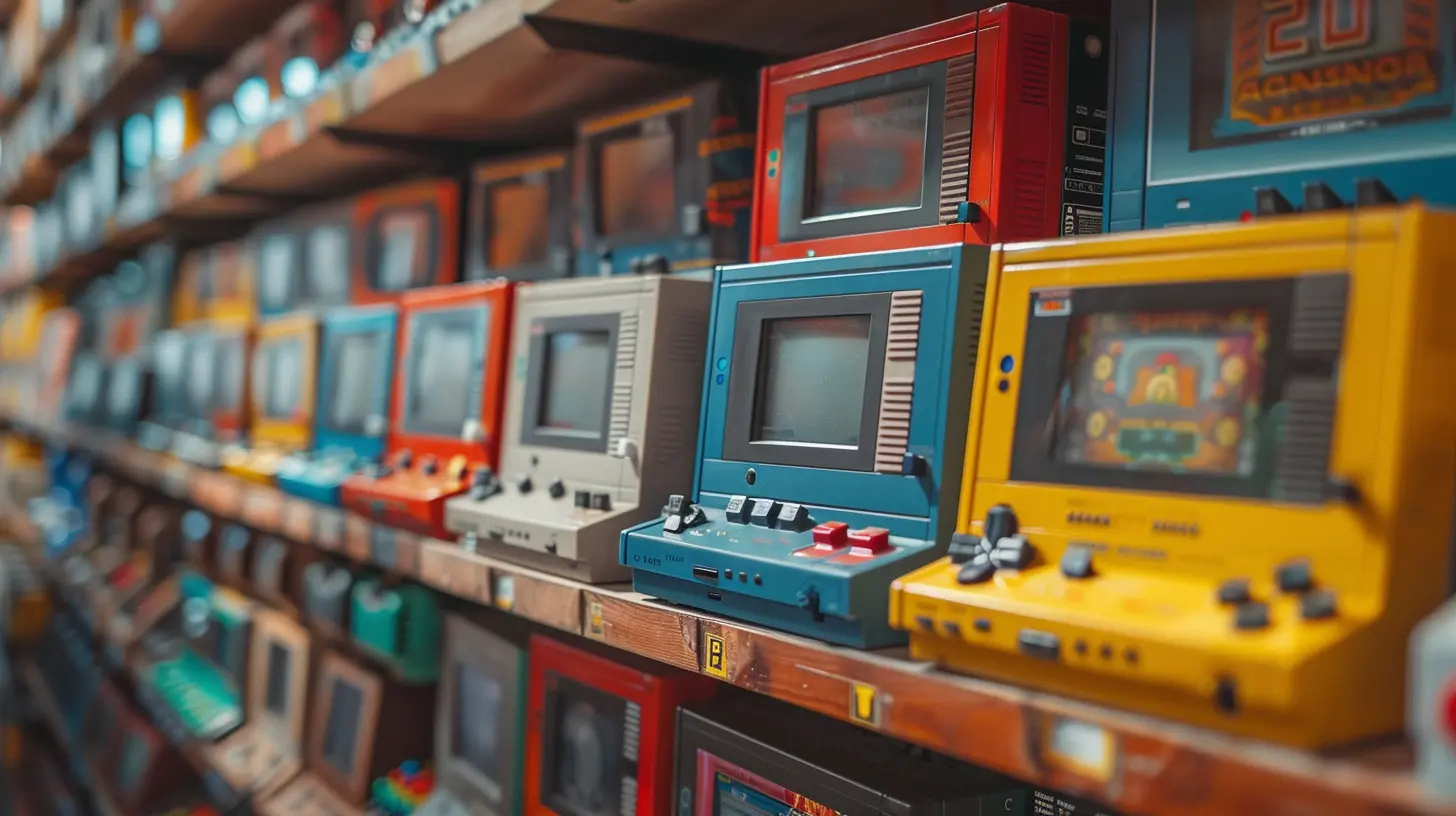
🕹️ Simplicity Isn’t Laziness — It’s Brilliance
Let’s face it: modern games can be overwhelming. Daily quests, battle passes, online rankings, endless updates... phew. It's like taking a vacation and needing a travel guide just to understand the interface.Retro games, on the other hand? They’re beautifully simple. You pick up the controller, press start, and BOOM — you’re in.
Take Pac-Man. He eats pellets and avoids ghosts. That’s it. But it’s pure, addictive fun. The simplicity forces you to rely on skill, not gimmicks. No hand-holding. No 30-minute tutorials. Just you versus the game.
And don't mistake simplicity for shallowness. These games were designed around tight mechanics, punishing levels, and "just one more try" gameplay. That’s the sweet spot where frustration meets fun, and somehow, you keep coming back for more.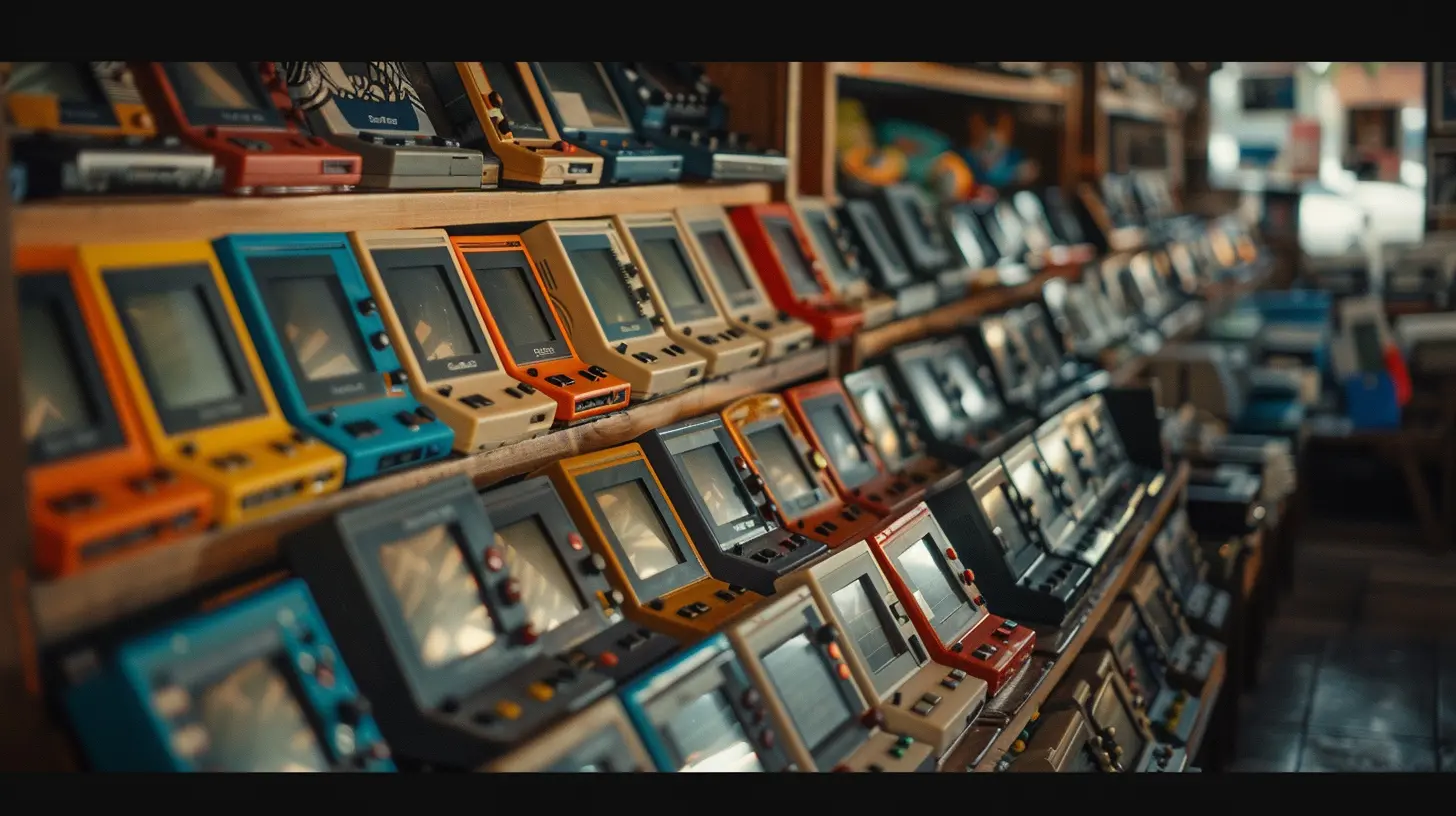
🧠 Brain Gains and Button Mashing: Retro Games Build Skills
Here’s something you might not expect — retro games actually make you smarter. Yep, those hours dodging barrels in Donkey Kong or lining up Tetris blocks weren’t just fun; they were secretly training your brain.We're talking faster reflexes, sharper decision-making, improved hand-eye coordination, and even problem-solving. Remember puzzle-platformers like Lode Runner or The Lost Vikings? Those games didn’t just challenge you — they dared you to think creatively.
Even better? There were no cheat codes (okay, fine, maybe a few), no internet guides, and definitely no YouTube tutorials. You figured things out the hard way, and that made you better — in gaming and maybe even in life.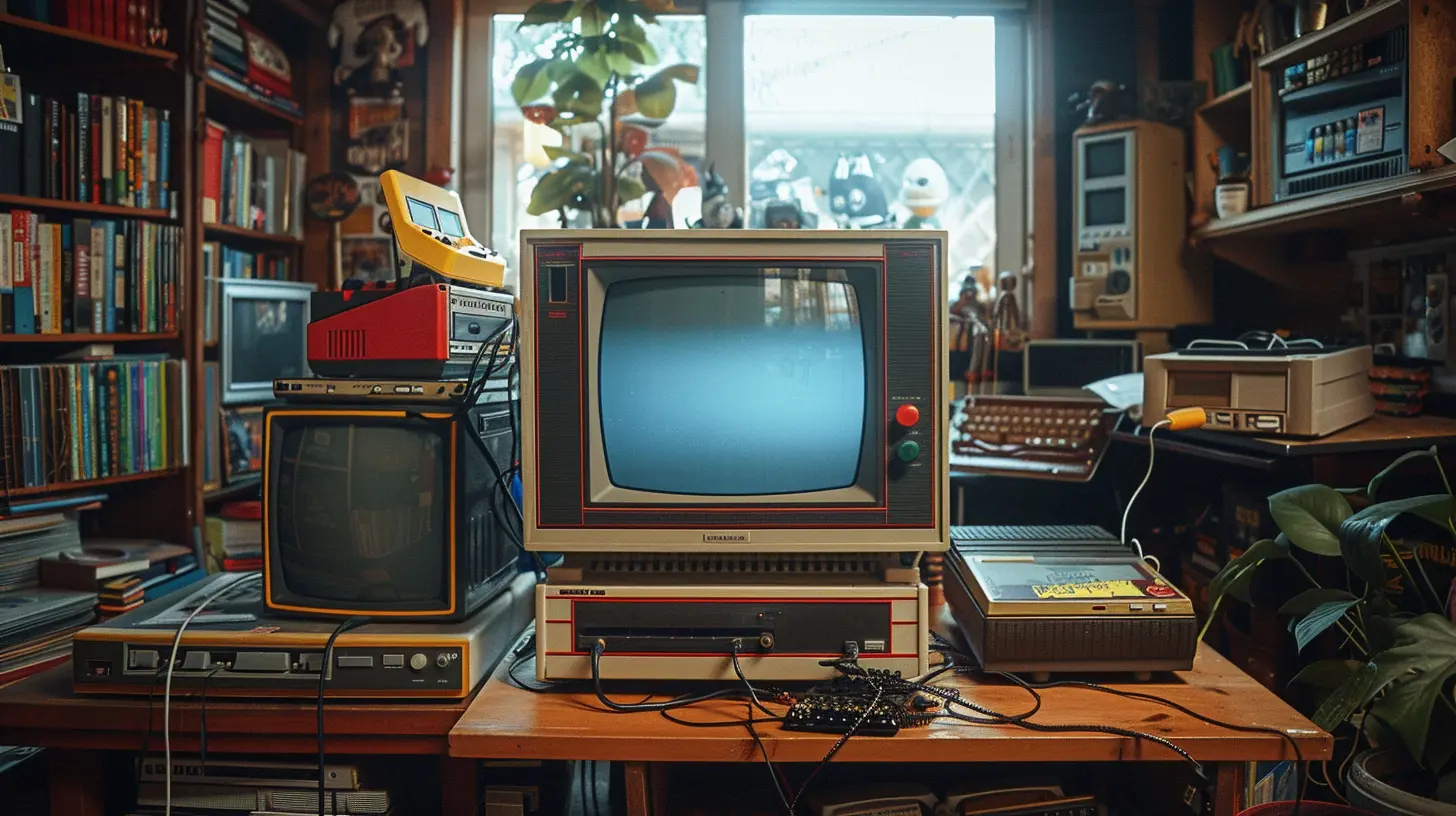
💾 The Art of Limitations
When developers were working with kilobytes instead of gigabytes, every line of code mattered. Every sprite, every sound effect, every background tile — all carefully crafted to do a lot with a little.It’s like cooking a gourmet meal with just a microwave and a spoon. Sounds impossible, right? But those old-school developers pulled it off.
Because of this, retro games are a masterclass in creativity under constraints. The pixel art? Iconic. The music? Timeless. The gameplay? Laser-focused. These weren’t just games; they were handcrafted experiences that still blow our minds today.
🌍 Cross-Generational Bonding Like Never Before
Retro games are the ultimate icebreaker. Whether you're a Gen Xer reliving your glory days or Gen Z exploring gaming history for the first time, there's something universally appealing about these classics.Ever played Super Mario Bros. with your kid? Or maybe you’ve introduced a younger sibling to Sonic the Hedgehog? It’s not just about teaching someone how to jump over Goombas — it’s about sharing a passion.
These old games bridge the gap between generations. They spark conversations and create shared memories. In a world that’s increasingly moving faster and becoming more isolated, gaming with others — especially with something as timeless as retro games — keeps human connection alive.
💡 Indie Games Were Born from Retro DNA
If you love indie games, you owe a massive shoutout to retro titles. The pixel art, the chiptune soundtracks, the side scrolling — all of it came straight from the retro playbook.Games like Shovel Knight, Celeste, and Undertale didn’t just look retro; they felt retro. They took the design philosophies of the past and mashed them up with modern storytelling and polish. That’s retro influence done right.
So if you think retro games are just screen-flickering fossils, think again. They’re the reason we have such a vibrant indie gaming scene today.
🛍️ The Rise of Retro Gaming Collectibles
Let’s not ignore the fact that retro gaming has become a thing. Like, a serious thing. Car boot sales, garage finds, and auction sites are now playgrounds for collectors searching for NES cartridges, old Game Boys, or even complete-in-box Sega Genesis gems.And it’s not just about resale value — though, yeah, some of those old titles are worth major coin. It’s more about the thrill of the hunt and the joy of preserving something from our digital roots.
Gaming museums, retro podcasts, and YouTube channels keep the history alive. Twitch streamers are even speedrunning games that came out before they were born. That’s the power of nostalgia mixed with genuine respect.
☁️ Retro Games in the Cloudy Future
You’d think that with advancements in tech, retro games might fade away. Nope. Quite the opposite. They're getting new life thanks to modern emulation, remastered editions, and retro-style game consoles.From the NES Classic to online stores like Nintendo Switch Online, PlayStation Classics, and Xbox Game Pass retro libraries — these classics are everywhere.
Even better, you can now carry a library of thousands of retro titles in the palm of your hand. Or stream them. Or mod them. It’s like time-traveling with Wi-Fi.
❤️ The Nostalgia Factor (And Why It’s Not Just in Your Head)
Let’s talk nostalgia. That warm, fuzzy feeling you get when you blow into an old cartridge or hear the opening jingle of your favorite retro game.There’s something incredibly comforting about it. Like an old friend who's always there when you need them, ready for another adventure.
While modern games often aim for realism — gritty post-apocalyptic worlds, dramatic narratives, and lifelike faces — retro games go for the heart. They’re fun, quirky, and full of charm. Just raw, unfiltered joy in a cartridge.
Sometimes, after a long day of adulting, that’s exactly the kind of escape we need.
🎯 Why Retro Games Matter More Than Ever
Let’s wrap this up with a bold statement: retro games are not just relevant — they’re essential.They remind us where we came from.
They show us how much can be achieved with so little.
They bring us together across time, age, and platform.
And most importantly, they still offer a kind of fun that feels timeless.
Gaming has evolved, sure. But evolution doesn’t mean forgetting your roots. Retro games are the roots. The sturdy, pixel-covered roots of an industry that’s become a global phenomenon.
So next time you’re tempted to skip over the “Classics” section of your console's store, maybe give it a second look. That old game sitting there? It might just be your new favorite.
Press start to continue.
all images in this post were generated using AI tools
Category:
Game CultureAuthor:

Lana Johnson
Discussion
rate this article
2 comments
Kieran Gutierrez
Retro games: the original pixelated magic! They remind us that fun doesn't need fancy graphics—just a little imagination and a lot of nostalgia!
January 13, 2026 at 5:29 AM
Lana Johnson
Absolutely! Retro games capture the essence of creativity and nostalgia, proving that engaging gameplay can outweigh advanced graphics. They are timeless reminders of the joy of gaming!
Pia McAuley
Retro games remain significant as they shaped the foundation of modern gaming. Their simplicity fosters nostalgia, while innovative design principles continue to inspire contemporary developers. Additionally, they promote accessibility and community engagement, ensuring that both new and veteran players appreciate the rich history of gaming.
January 8, 2026 at 4:20 AM
Lana Johnson
Indeed, retro games are vital for understanding modern gaming’s roots. They evoke nostalgia, inspire innovation, and foster community, ensuring their legacy endures.