Why Moral Dilemmas in Games Matter
18 December 2025
Let’s face it—most of us play video games for fun, for the thrill, or maybe just to blow off steam after a long day. But every now and then, you stumble upon a game that makes you pause… and think. I’m not talking about puzzles or complex strategies—I’m talking about moral dilemmas. The kind that make you question your decisions, your character, and even your real-life values. Sounds heavy? Don’t worry, we’re diving deep, but we’re keeping it real.
So, why do moral dilemmas in games matter? More than just spicing up the plot, they shape the way we connect to the characters, the world, and most importantly—ourselves.
What Are Moral Dilemmas in Games, Anyway?
Before we jump too far ahead, let’s define what we’re talking about. Moral dilemmas in games are situations where you, the player, are forced to make tough choices—typically ones with no clear right or wrong answer. It’s the gaming equivalent of being stuck between a rock and a hard place. You're making decisions that can affect NPCs, your storyline, or even the entire game world.Sometimes it’s choosing between saving one person or a group. Other times, it’s deciding if you should lie, cheat, or maybe even kill, all in the name of the “greater good.”
Sound familiar? Games like The Witcher 3, Mass Effect, Detroit: Become Human, and The Last of Us are full of these moments—and that’s what makes them unforgettable.
Why These Moral Moments Hit Different
1. Personal Investment Skyrockets
When you’re the one making the choices, it’s no longer just Geralt’s or Shepard’s story—it’s your story. Moral dilemmas make you care. You’re not just pressing buttons anymore; you’re responsible. Like, really responsible. The wrong call can lead to someone dying, an innocent town being destroyed, or a character turning on you.It's like when you're watching a suspenseful movie and yelling at the screen—but now, the person you're yelling at is yourself.
2. Creates Real Emotional Impact
You might not cry when your favorite weapon breaks in a game, but you will feel something when your choice leads to an entire village being wiped out. That’s raw emotional investment. And let’s be honest, emotions make the experience way more immersive.Remember that infamous scene in The Walking Dead (Telltale series) where you have to decide whether to save Kenny or Duck? Yeah, that haunted a lot of players. And that’s exactly why the game was so powerful.
3. Encourages Empathy and Perspective-Taking
Games with moral dilemmas force us to walk in someone else’s shoes. One decision might be logical, but the other might be emotionally right. You start to consider how others feel. That's empathy in action.Even if you don't agree with a character's point of view, these moments push you to at least understand why they might think that way. Suddenly, you're not just smashing enemies—you’re thinking, questioning, and reflecting.
4. Replayability Goes Through the Roof
Games with strong moral choice systems are perfect for multiple playthroughs. Why? Because every decision you make leads to a different outcome. The story morphs based on your ethics, values, and reactions.If you've ever played Mass Effect twice—once as a Paragon and once as a Renegade—you know exactly what I mean. Two totally different vibes, both equally awesome.
5. Mirrors Real-Life Complexity
Life isn’t black and white, and great games know that. Moral dilemmas are messy, uncomfortable, and full of shades of gray—just like real life. They reflect how every choice we make has consequences, intended or not.Playing these games is like gym for your moral muscles. The more you engage with these ethical puzzles, the more thoughtful you might become in real life situations.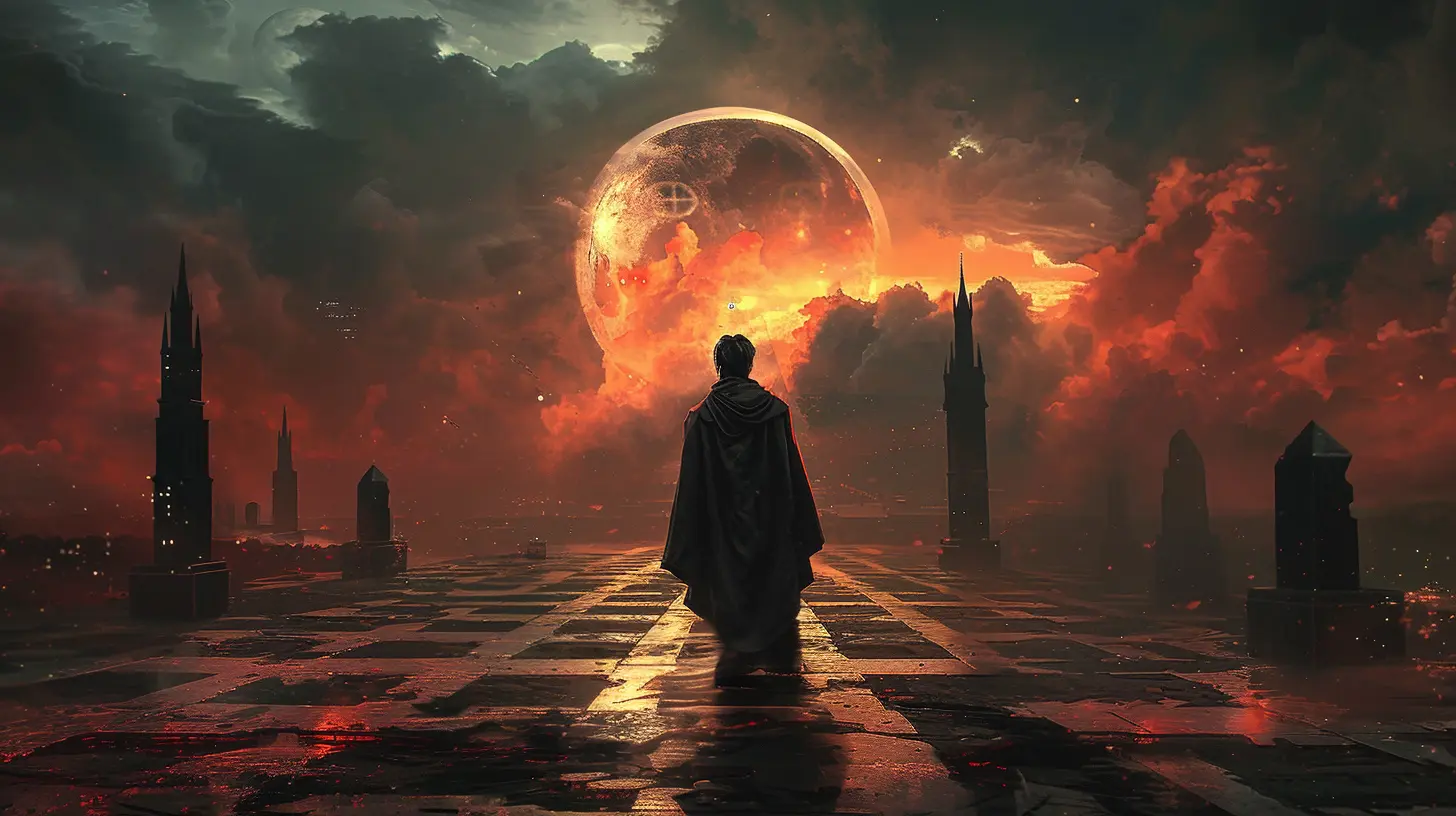
Iconic Games That Nailed Moral Dilemmas
Let’s nerd out for a second and look at some titles that absolutely nailed moral dilemmas:✦ The Witcher 3: Wild Hunt
This game doesn’t spoon-feed you right or wrong answers. Whether you’re deciding Ciri’s future or dealing with the Bloody Baron, every choice has weight. You think you’re doing the right thing… until it all blows up in your face.✦ Detroit: Become Human
Choices are everything here. Your decisions determine who lives, who dies, and what kind of society emerges. Every scene feels like it matters—because it does.✦ Life is Strange
Talk about heartbreak. The game dives deep into tough themes like bullying, suicide, and sacrifice. No matter what you choose, you’re left wondering “Did I do the right thing?”✦ Red Dead Redemption 2
Oh boy. Arthur Morgan’s journey is just one long trail of morally charged choices. Do you help your gang for loyalty's sake, or do you start choosing your own redemption arc?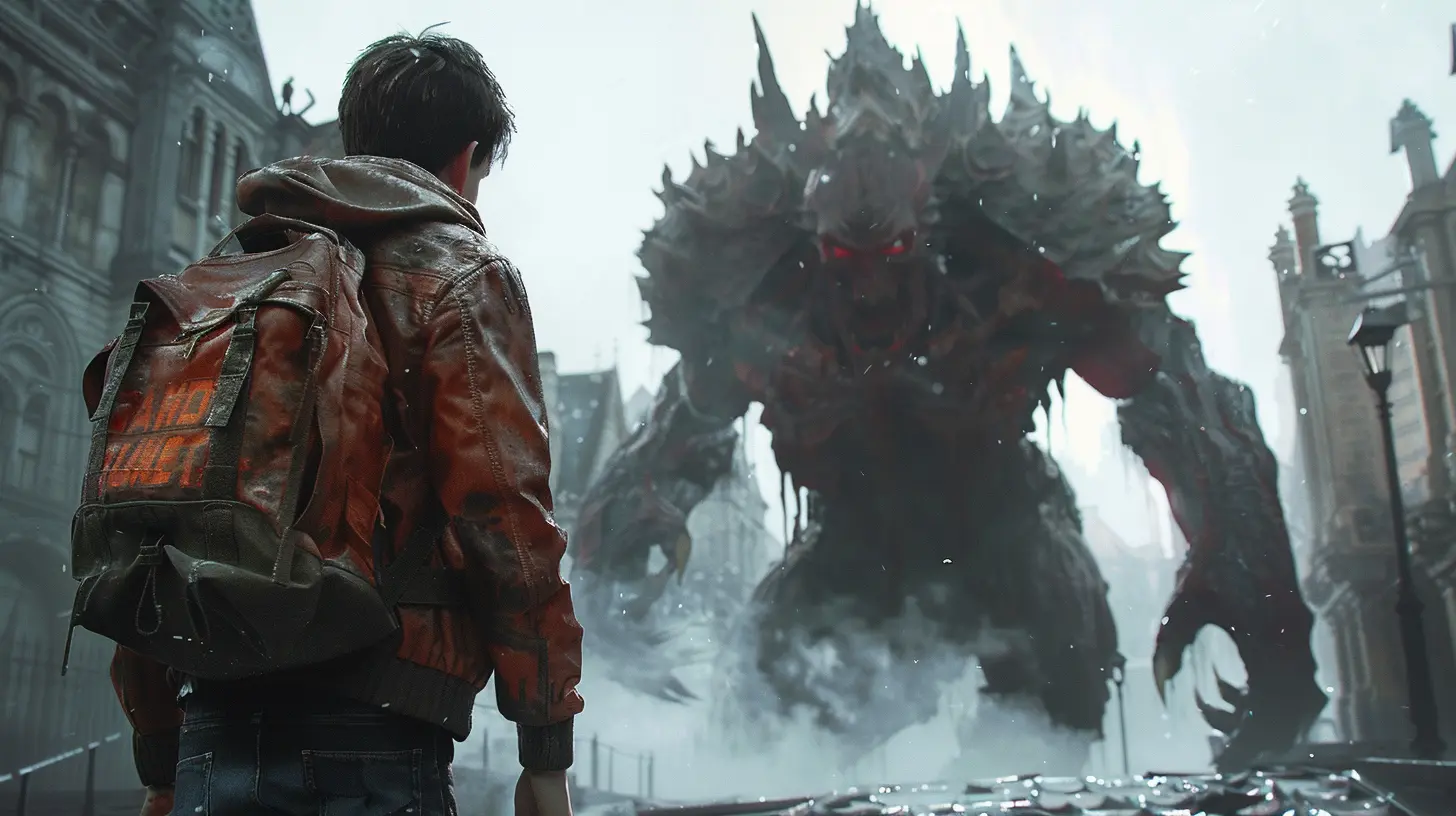
Player Choice vs. Scripted Outcomes: Real Control or Illusion?
Here’s where it gets a little meta. Some people argue that game developers often create “illusion of choice.” Basically, no matter what you pick, the ending stays mostly the same (cough Mass Effect 3 cough). So, do moral dilemmas still matter?Short answer: Heck yes.
Even if the end result doesn’t change much, the journey sure does. That feeling of control, of being heard, of having your perspective matter—that’s powerful. It makes the game world feel alive, and you feel seen. That’s worth something, right?
They're Not Just for RPGs Anymore
Think moral dilemmas only belong in slow-paced role-playing games? Nope! More genres are dipping their toes into the moral pool.Shooters like Spec Ops: The Line throw psychological curveballs at players. Even strategy games are giving you ethical decisions to deal with—balancing resources versus human lives, for example.
Developers are realizing that even a fast-paced, action-heavy title gets a meaningful boost when it tosses in some moral weight.
How Moral Dilemmas Shape The Industry and Us
Okay, let’s zoom out for a second. This isn’t just about fun and feelings—moral choices in games are pushing the industry forward.They’re encouraging better writing, deeper characters, and more immersive worlds. We’re seeing more nuanced stories being told, and not just by the indie devs. Big studios are taking note, adding layers of complexity that appeal to mature, thoughtful gamers.
And for us as players? We’re growing too.
We’re not just button-mashers anymore. Games with moral dilemmas challenge our critical thinking, self-awareness, and decision-making. They’re not just games—they’re interactive life lessons.
Tips for Navigating Moral Choices in Games
So, next time you're knee-deep in a high-stakes moral decision, keep these tips in mind:- Trust your gut – If it feels right, it probably is.
- Think long-term – What are the potential ripple effects of your choice?
- Own it – Whatever you choose, embrace the consequences.
- Replay if you want – There's no shame in going back to see “what could’ve been.”
- Talk about it – Share your choices with friends or forums. Seriously, it leads to some great convos.
Final Thoughts: Why It All Matters
Look, moral dilemmas in games might seem like just another gameplay mechanic, but they’re so much more than that. They’re what turn a good game into a memorable one. They make us engage on a deeper level, think critically, and even grow a little bit in the process.When a game makes you pause, question yourself, and feel something long after you’ve turned off your console—that’s pure magic. That’s why moral dilemmas in games matter.
So next time you’re faced with a tough decision in your favorite game… don’t just make a choice. Make it count.
all images in this post were generated using AI tools
Category:
Game CultureAuthor:

Lana Johnson
Discussion
rate this article
2 comments
Maris McFarlane
Moral dilemmas enrich gameplay, enhancing player engagement and decision-making.
December 28, 2025 at 4:45 PM
Lana Johnson
Absolutely! Moral dilemmas not only add depth to narratives but also challenge players to reflect on their values, making choices that resonate beyond the screen.
Sabina Wright
Great insights on the significance of moral dilemmas in games! They not only enhance storytelling but also encourage players to reflect on their own values.
December 19, 2025 at 3:41 AM
Lana Johnson
Thank you! I'm glad you found the insights valuable. Moral dilemmas truly enrich the gaming experience and prompt meaningful self-reflection.