Why Emotional Storylines Are Dominating Game Culture
21 March 2026
Let’s take a second to think about how far games have come. Once upon a time, video games were all about high scores, pixelated sprites, and saving the princess. Fast forward to today, and we’re crying over pixelated characters, questioning our own morals, and connecting with stories on a level that rivals the best of Hollywood.
So, what’s changed? Easy. Emotional storylines.
In the golden age of gaming, people wanted fast-paced action, good graphics, and cool gameplay mechanics. But now? We want to feel something. We want to be moved, challenged, even broken a little by what we play. And that emotional depth is rewriting the rules of game design.
Let’s dig into why emotional storylines are not just trending—but absolutely dominating game culture.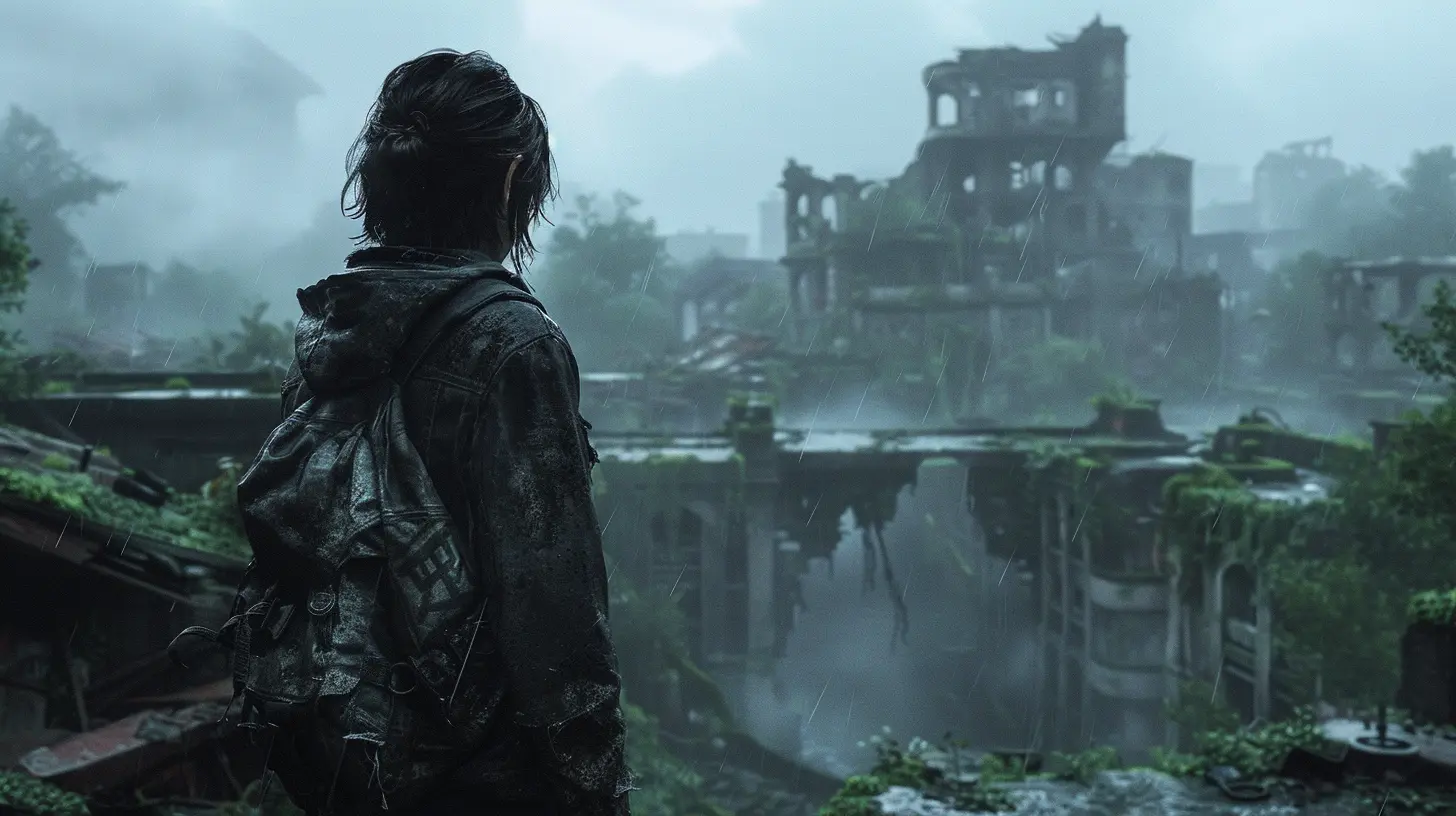
The Shift From Gameplay to Narrative
From Button Mashers to Heartbreakers
Remember the early days when games like “Pac-Man” or “Tetris” reigned supreme? There was no story, no character development—just gameplay. But then titles like Final Fantasy VII and Metal Gear Solid came along, and suddenly, storytelling became a legitimate part of the gaming experience.Now, games are not just about how well you play—they're about how deeply you feel.
Story Is the New Winning
In many modern games, beating the game isn’t just about completing objectives or defeating bosses. It’s about watching how the story unfolds because, let’s be honest, sometimes we keep playing just to see what happens next. We want closure, transformation, and maybe a few tears along the way.Storylines are now the reward. Not just the scoreboard.
Emotional Storytelling = Deeper Engagement
We Remember How Games Make Us Feel
It’s like that Maya Angelou quote—"People will forget what you said, people will forget what you did, but people will never forget how you made them feel." The same goes for video games. You may forget the puzzles in The Last of Us, but you’ll never forget Joel and Ellie’s journey.Those emotional highs and lows stick with you. They create a bond between player and game that lasts way longer than a gameplay session.
Characters Aren’t Just Pixels Anymore
Game developers have gotten super good at crafting real, flawed, relatable characters. These characters have hopes, traumas, regrets—and when they suffer, we feel it. It’s like binge-watching a favorite series, except you’re part of the action.When a character you’ve fought alongside dies? That hurts. And guess what? That’s exactly what developers are going for.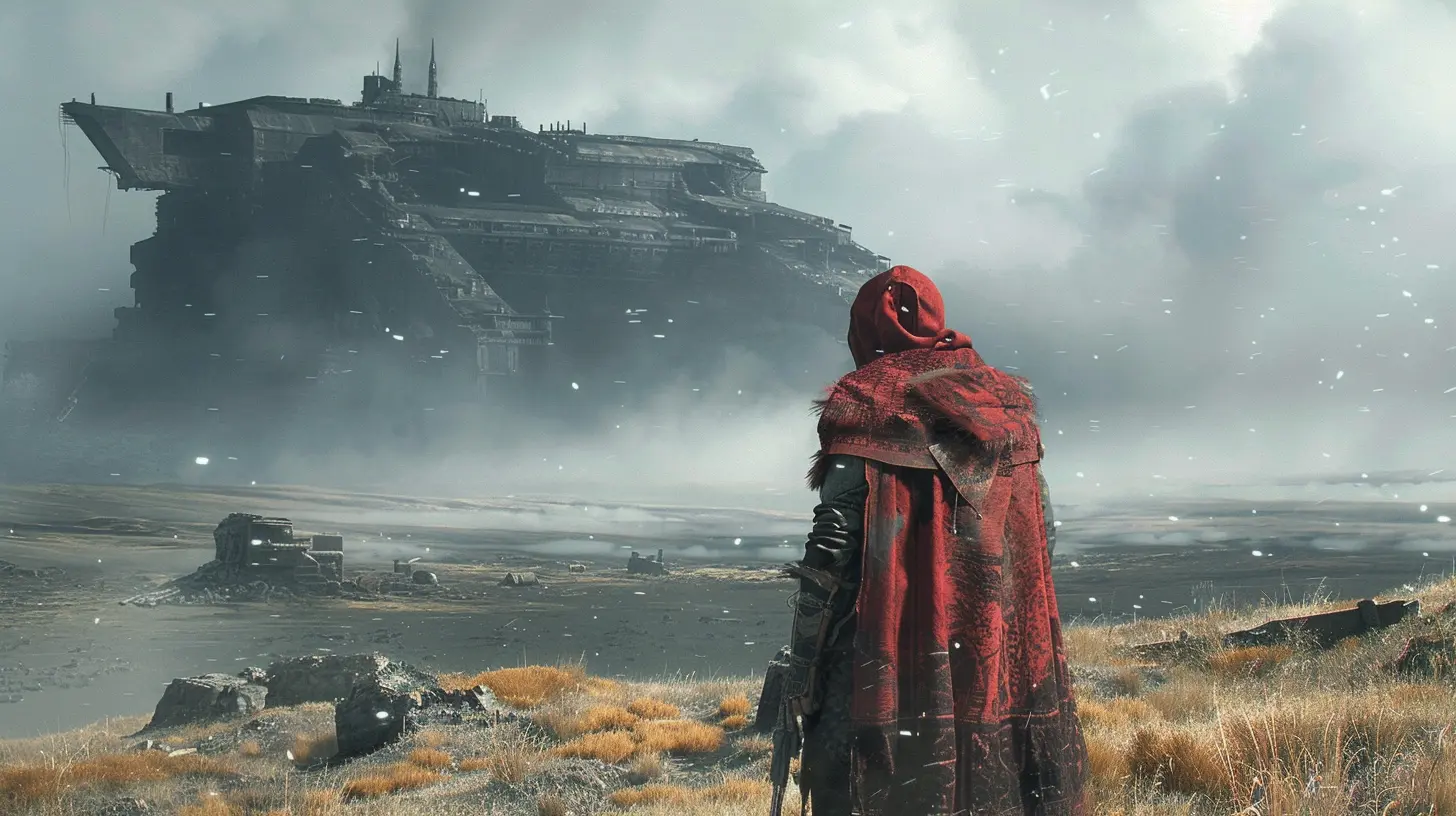
The Influence of Film and TV on Game Writing
Cinematic Storytelling is the New Norm
Games have borrowed a lot from Hollywood—and it shows. Voice acting has dramatically improved, scriptwriting has leveled up, and the use of camera angles, score, and pacing has made games feel like interactive movies.Games like Red Dead Redemption 2, God of War, and Death Stranding are practically masterpieces in storytelling. They're directed, scored, and delivered like major cinematic releases. And gamers? We're hooked.
Narrative-Driven Games Are the Talk of the Town
You know a game’s good when people talk about its story more than its mechanics. When Undertale dropped, people didn’t rave about its graphics—they gushed about the emotional choices. Heck, even Minecraft introduced narrative elements with Minecraft: Story Mode.The buzz isn’t about how it plays. It’s about how it makes you feel.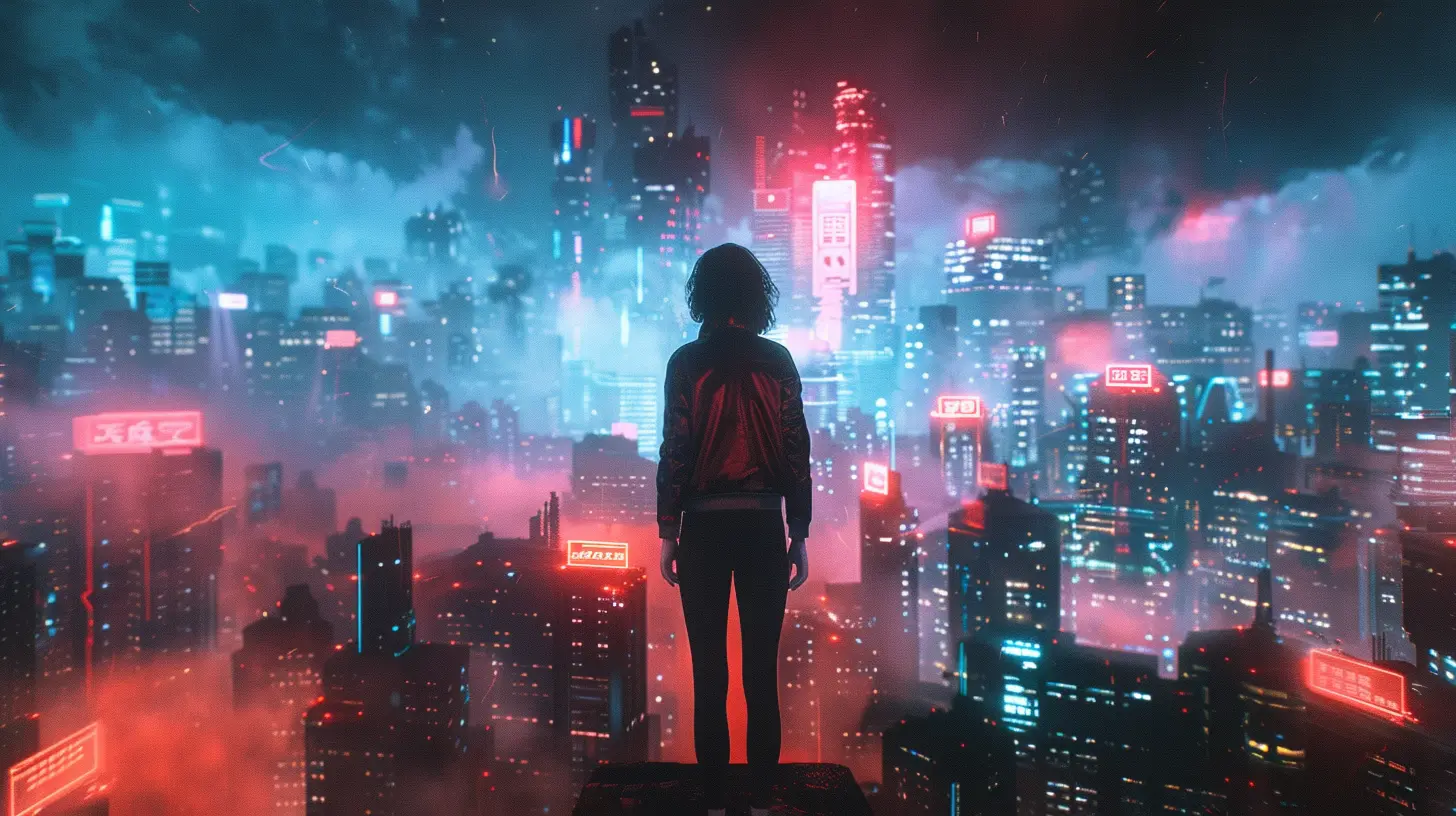
Empathy is the Secret Weapon
Games Let You Walk In Someone Else’s Shoes
Gaming is one of the few mediums where you’re not just watching a character—you become them. You make their choices, suffer their consequences, and live their lives.This interactivity leads to genuine empathy. Whether it's experiencing the struggles of mental illness in Hellblade: Senua’s Sacrifice or moral dilemmas in Detroit: Become Human, players are exposed to perspectives they might never face in real life.
It's not just a story. It's an experience.
Emotional Immersion Is Addictive
Ever stay up till 3 a.m. because you couldn’t leave a character hanging during a life-or-death decision? Yeah, same here. That emotional pull? That’s addictive. It builds loyalty, fan theories, and communities around shared experiences.It’s why people replay story-driven games multiple times even though they know the ending. Because the journey hits that hard.
The Rise of Indie Games and Creative Freedom
Smaller Studios, Bigger Hearts
Indie developers have taken emotional storytelling to a whole new level. Without big studios breathing down their necks, they can take risks—telling deeply personal, raw, and emotionally complex stories.Games like Celeste, Gris, and To the Moon aren’t about flashy explosions or intricate combos. They’re about depression, loss, identity—and yes, healing. These games connect deeply with players because they speak truth.
Authenticity Wins
Why do these emotional games resonate so much? Because they feel real. Not in a “based on a true story” way—but in how they reflect human feelings, fears, and dreams.Players can sniff out emotionally lazy storytelling from a mile away. Authentic narratives, even wrapped in fantasy, connect because they speak to what it means to be human.
Social Media and Shared Emotional Experiences
Moment Sharing and Story Spoilers
Thanks to social media, emotional games spread like wildfire. A single heartbreaking cutscene can go viral on TikTok, Twitter, or YouTube. Players share clips, tweet their reactions, and create memes that keep the game in public consciousness.Emotion fuels engagement. And engagement fuels community.
Emotional Gaming = More Buzz
Games that deliver emotional gut punches tend to trend higher. Think of the buzz around The Last of Us Part II. Love it or hate it, everyone had an emotional reaction—and that made it one of the most talked-about games of its time.If people feel invested, they’ll post, stream, debate, and defend the story’s emotional choices. That kind of free marketing is gold.
Emotional Games Push the Industry Forward
They Raise the Bar for Storytelling
Games with powerful storylines are pushing developers to create better plots, stronger characters, and memorable arcs. It’s forcing the industry to evolve and set higher standards.We’re not in the era of empty characters or weak plots anymore—players demand depth, nuance, and emotion.
They Change What "Fun" Means
Old-school “fun” in gaming used to mean blasting aliens or racking up points. Now, fun includes crying your eyes out, dealing with heartbreak, or contemplating your own values after a moral decision.Fun has evolved. It’s not just entertainment; it’s emotional enrichment.
The Pandemic Boosted Emotional Gaming
Escapism With Heart
During global lockdowns, people turned to games for comfort, escapism, and connection. Emotional games offered all of that, wrapped in a narrative bow.Titles like Animal Crossing gave peace. Games like Life is Strange reminded us of real-life struggles and friendships. And the emotional bonds we formed during those uncertain times? Unforgettable.
Virtual Communities Around Emotional Stories
Gamers stuck at home gathered online to discuss endings, choices, and theories. Emotional storylines acted like glue, connecting isolated players in meaningful ways.In a lonely world, game narratives offered a sense of shared humanity.
Examples of Games That Nailed Emotional Storytelling
Let’s name-drop a few titles that absolutely rocked our emotional cores:- The Last of Us (I & II) – Brutality, love, revenge, and loss wrapped in the apocalypse.
- Red Dead Redemption 2 – A slow burn that ends with a gut-punch of heartache.
- Undertale – A deceptively simple RPG that makes morality incredibly personal.
- Life is Strange – Choices, consequences, and emotional realism.
- Journey – Wordless, yet profoundly moving.
- Celeste – A platformer that’s secretly about battling depression.
These games prove emotional storytelling has range—across genres, art styles, and gameplay mechanics.
What This Means for the Future of Gaming
Emotion-Driven Games Are Here to Stay
This isn’t a phase—it’s a shift. Emotional storytelling is becoming a core pillar of game design. Studios are investing more into writing teams, hiring screenwriters, and even bringing in directors from film to shape their narratives.The players want more feels—and the industry is ready to deliver.
AI and Tech Will Elevate Storytelling
With AI-driven characters, dynamic narratives, and branching dialogue systems, emotional storytelling will only get better. Imagine a game that adapts to your feelings, actions, and choices in real-time? That’s not science fiction—it’s the next evolution.Final Thoughts
Emotional storylines are dominating game culture because at our core, we crave connection. We yearn to feel something—anything—that reminds us we’re human. And games, more than ever, deliver that in droves.They make us think, feel, cry, cheer, and sometimes sit in silence after the credits roll, just processing what we experienced.
That’s not just gaming. That’s art.
And if storytelling is the soul of a game, then emotional depth is the heartbeat that keeps it alive.
all images in this post were generated using AI tools
Category:
Game CultureAuthor:

Lana Johnson
Discussion
rate this article
2 comments
Nym Burton
In pixelated realms where hearts entwine, Emotions breathe life, a narrative shine. Games weave stories, a bond profound— In every choice, a soul is found.
March 28, 2026 at 5:01 AM
Lana Johnson
Thank you! You've beautifully captured the essence of how emotional storytelling in games creates deep connections and resonates with players on a personal level.
Soraya Clark
Emotional storylines truly enrich our gaming experiences! They connect us deeply with characters and narratives, allowing for profound engagement and reflection. Excited to see where this trend takes us next!
March 27, 2026 at 4:09 AM
Lana Johnson
Absolutely! Emotional storylines enhance immersion and foster stronger connections, making gaming a truly impactful experience. Exciting times ahead!