What Makes a Game Iconic in Popular Culture
26 May 2026
Let’s be honest—some games are forever etched into our brains, while others fade faster than your Wi-Fi when you need it most. But what is it that takes a game from “meh” to meme-worthy, from another download to a cultural icon? I’m talking about the legends like Super Mario, Tetris, or The Legend of Zelda. The kind of games people tattoo on their bodies (yes, that actually happens).
So buckle up, gamer fam—we’re diving deep into what makes a video game truly iconic in popular culture. Grab your energy drinks and Doritos—we’ve got a pixel-packed journey ahead!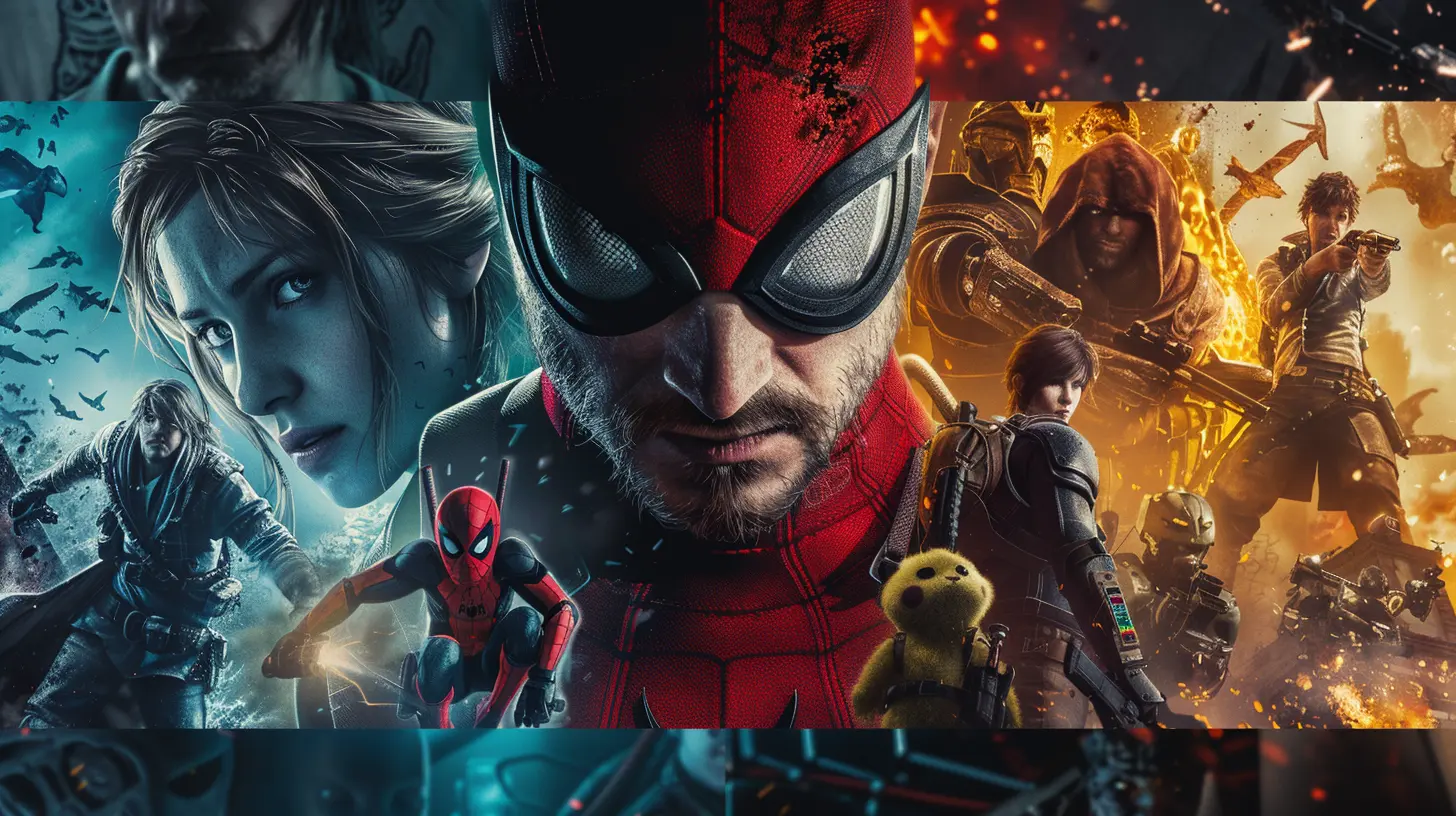
The Holy Grail: What Even Is an Iconic Game?
Before we start listing boss fights and blowing up nostalgia, let’s define what we’re dealing with here.What makes a game “iconic”? It’s more than just massive sales numbers (although those help). An iconic game changes the cultural landscape. It becomes a handshake between gamers. It’s referenced in memes, movies, and late-night Twitter rants. Basically, it becomes part of the collective gamer DNA.
It's the moment your non-gamer grandma recognizes Mario. Or when someone yells “Finish Him!” in the office and half the room responds with a Mortal Kombat-style pose. That, my friends, is gaming immortality.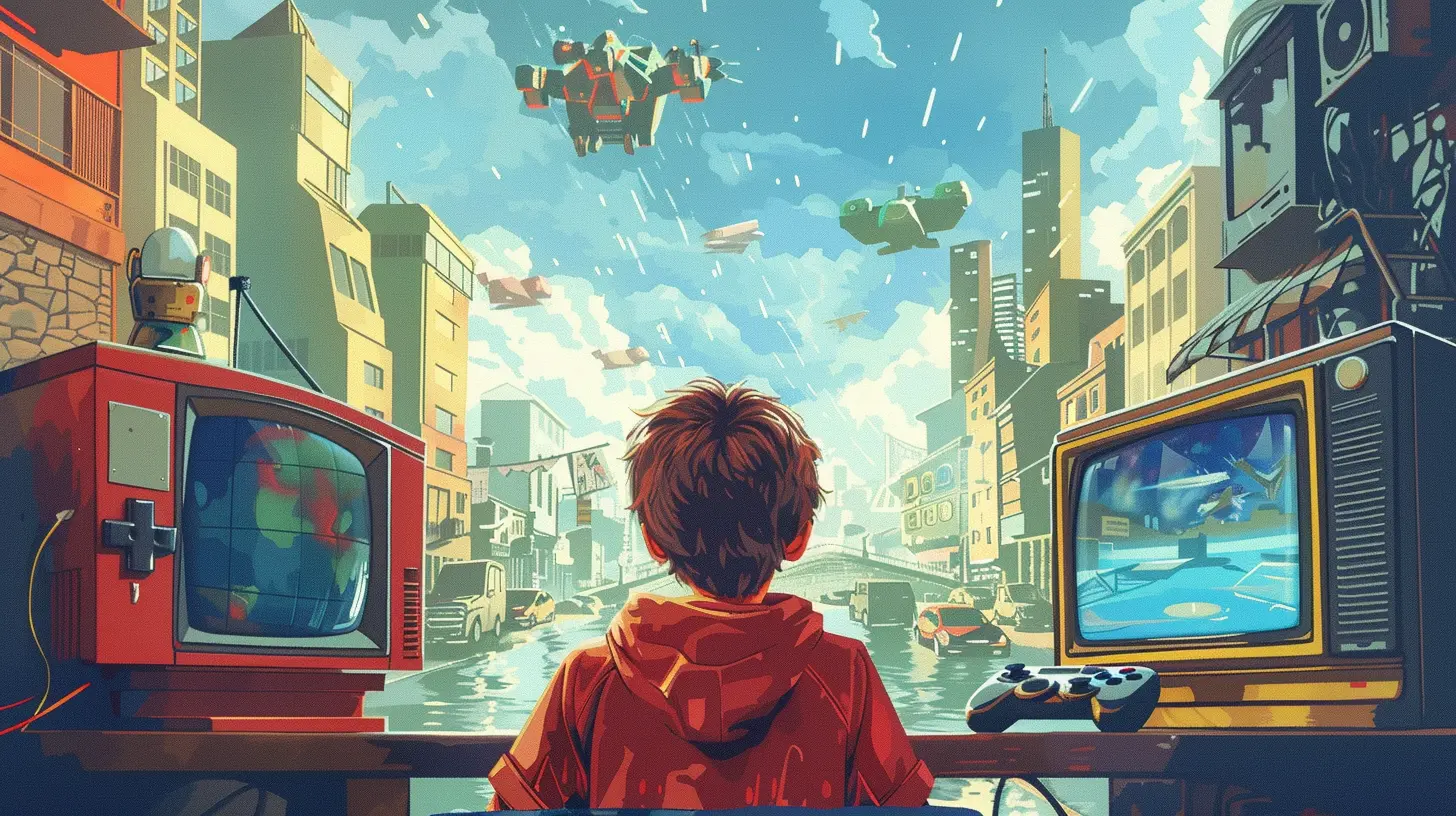
1. Unforgettable Characters: The Ones Who Live Rent-Free in Our Heads
Let’s kick things off with one of the biggest ingredients in the "Iconic Game Soup"—characters.If your game’s protagonist can walk into a Comic-Con and get mobbed for selfies (okay, hypothetically), you’re doing something right. Think of:
- Mario – The plumber who defies science and somehow stomps turtles.
- Lara Croft – Archaeologist, action hero, and an early 2000s heartthrob.
- Master Chief – The faceless legend who made green armor look cool.
Characters like these become symbols. They transcend the game they came from. And when a character becomes recognizable even outside of their franchise? Bingo. Instant icon status.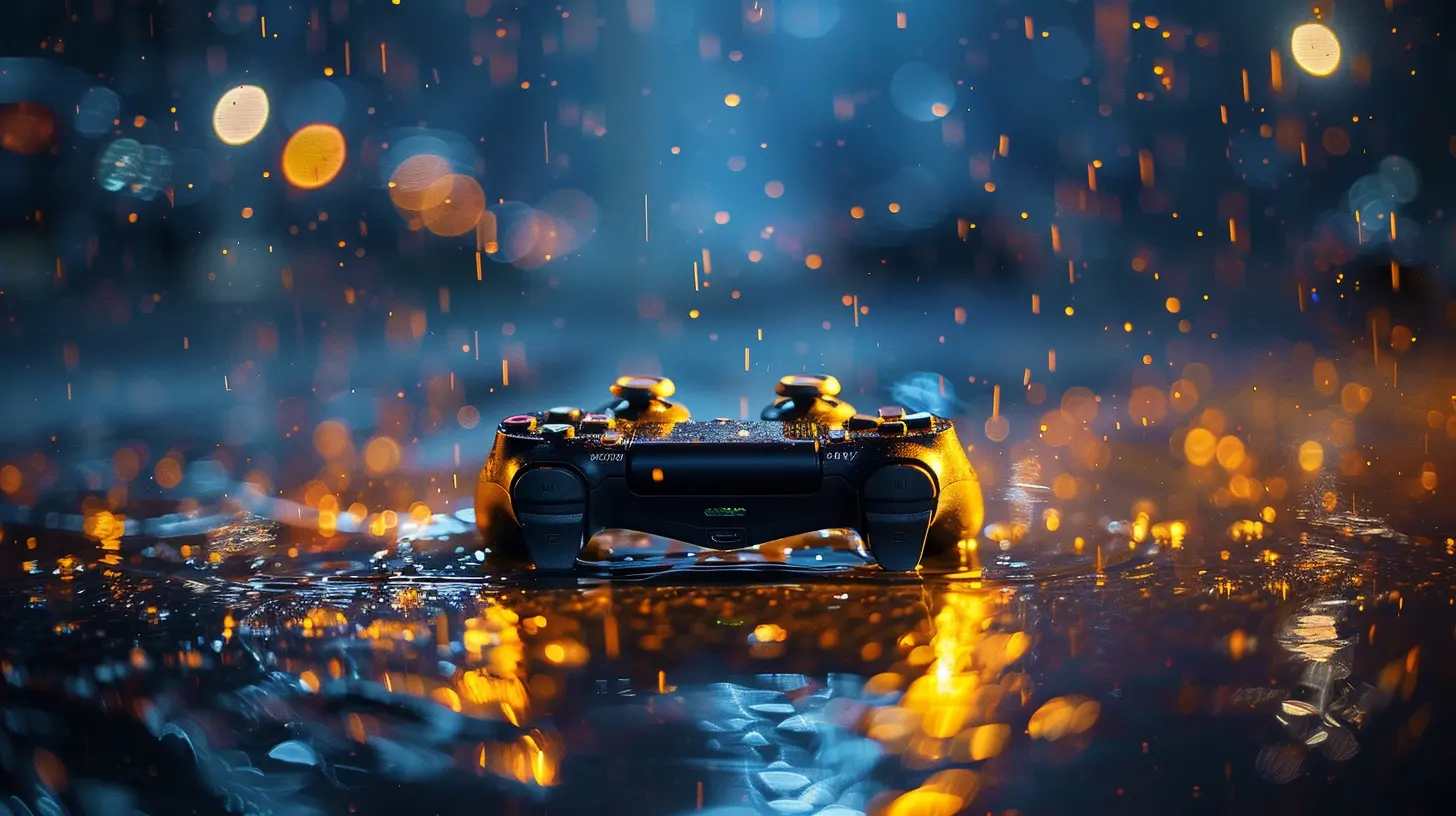
2. Killer Gameplay: The Spice That Keeps Us Coming Back
Honestly, no matter how cool your hero is or how gorgeous your graphics are, if the gameplay is trash, that game is going into the forgotten pile real fast.Iconic games get the mechanics so right that even when you’re rage-quitting, deep down you love it. Think about:
- Tetris – Simple blocks falling into place. So simple, yet so painfully addictive.
- Dark Souls – Brutally hard, yet bizarrely satisfying. Like a gym workout but with dragons.
- Pokémon – Catch, train, battle, repeat. Never gets old.
The key? It’s gotta be easy to pick up but hard to master. The best games sneak into your routine, and suddenly you've logged 100 hours and forgot to do your laundry. Again.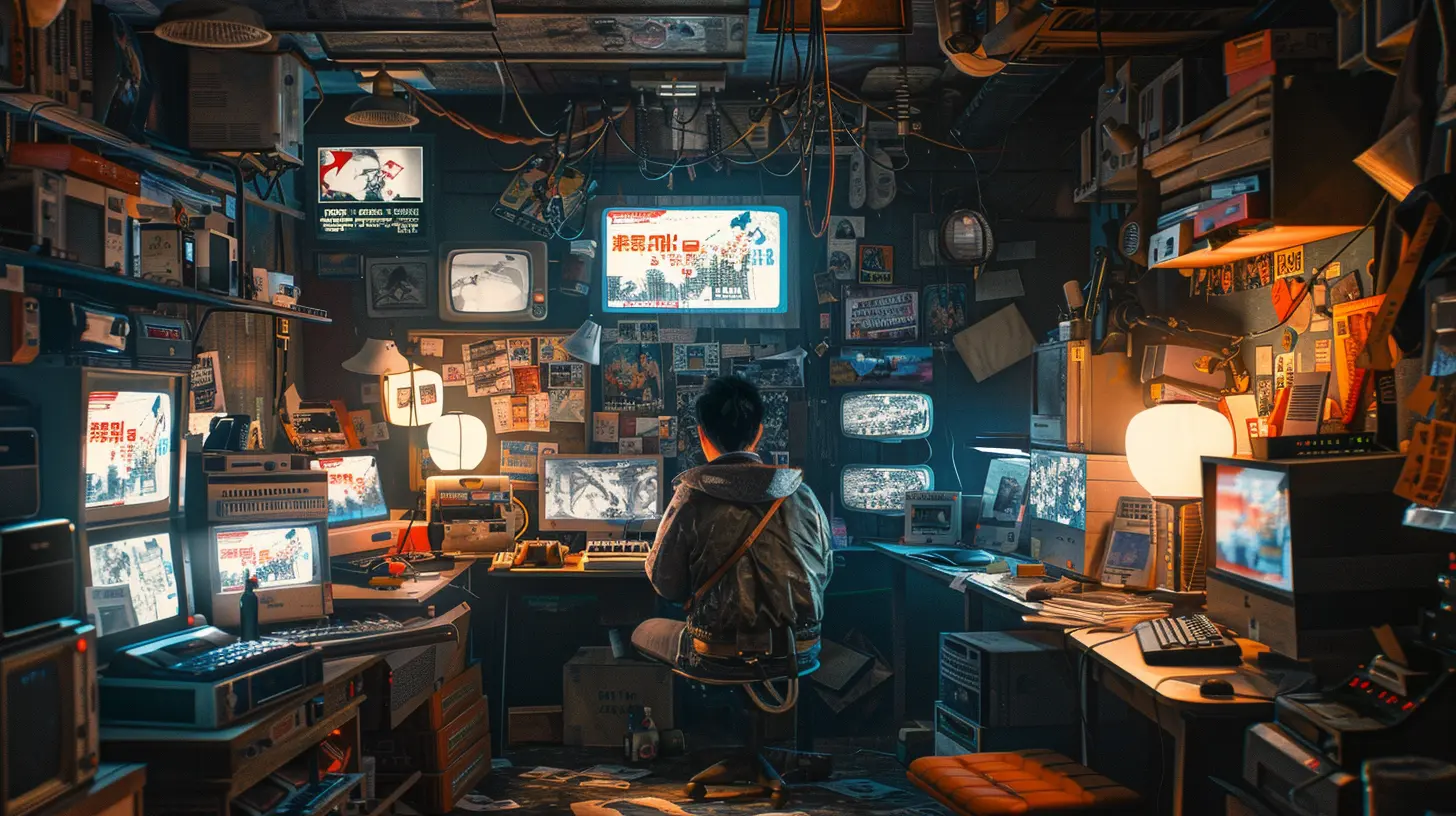
3. Music That Slaps: When the Soundtrack Is a Whole Vibe
You ever find yourself humming the Super Mario Bros theme in the shower? (No judgment, we’ve all been there.)A legendary soundtrack can make a game immortal. Music connects us emotionally to what we’re playing—it sets the mood, builds suspense, and gives us chills when we finally beat that boss after the 27th try.
Games like:
- The Legend of Zelda: Ocarina of Time – Literal goosebumps every time.
- Final Fantasy VII – That opening theme? Chef’s kiss.
- Undertale – So many feels in 8-bit glory.
When a game score sneaks onto your Spotify playlist, you know it left a mark on pop culture.
4. Memes, Moments, and Catchphrases
Want to know if a game is iconic? Check the memes. If Reddit is flooded with content, TikTok is dancing to the theme, and Twitter is quoting it in every context imaginable, you've got a cultural juggernaut.Here are some top-tier gaming moments that went viral:
- “It’s dangerous to go alone! Take this.” (Zelda)
- “The Cake is a Lie.” (Portal)
- “Would You Kindly…” (Bioshock – yeah, that one punched us in the brain)
Memes carry a game from just popular to legendary. Because once something is meme'd, it’s immortal.
5. Nostalgia: The Ultimate Cheat Code
Let’s face it—nostalgia is the superpower that gives iconic games their staying power. You know when you boot up an old game and suddenly you’re 10 years old again eating cereal in your pajamas on a Saturday morning?That kind of emotional resonance doesn’t happen with just any game. It happens with the greats.
Remasters, reboots, retro consoles—there’s a reason companies keep bringing classic games back. They know we’re suckers for that sweet, sweet time travel.
6. Cross-Media Domination: When Games Outgrow the Console
If a game can jump out of your console and land on TV, in movies, on lunchboxes, or in your Happy Meal, it’s officially gone full pop-culture superstar.Examples?
- Sonic the Hedgehog – Started in 2D, ended up in Hollywood.
- The Witcher – From game to Netflix binge-fest.
- Fortnite – Collaborating with everyone from Marvel to Ariana Grande. Flex much?
When a game branches out into the mainstream, it becomes unavoidable. Even non-gamers start recognizing logos and humming tunes and making awkward Fortnite dances at weddings.
7. Trailblazing Innovation: Doing It First—and Doing It Right
Some games don’t just play by the rules, they break ‘em and then rewrite the whole dang book.We’re talking about games that change the way we game:
- Minecraft – Gave us an entire world made of blocks and said, “Go crazy.”
- GTA III – Showed the world what an open world could really mean.
- Half-Life – Blended storytelling with gameplay like never before.
These games didn’t follow trends—they started 'em. And because of that, their influence is still felt today.
8. A Fanbase That Just. Won’t. Quit.
Another huge factor? The community. Iconic games come with passionate fanbases that keep the hype alive years (or even decades) after launch.They create mods, fan art, cosplay, lore theories, and let’s not forget… petitions to bring back beloved characters. (RIP Aerith… still not over it.)
The bigger and more dedicated the fanbase, the louder the voice in pop culture.
9. Timing Is Everything: Right Game, Right Time
Sometimes, a game becomes iconic because it hit at exactly the right moment.Take Animal Crossing: New Horizons—it dropped right as the world went into lockdown. Suddenly, it wasn’t just a cute farming sim; it was a coping mechanism. It gave people structure, socialization, and a virtual escape when everything else was chaos.
Timing can turn a great game into a beacon of comfort and connection. And once that emotional bond is formed, it sticks.
10. The Legacy Factor
We can’t talk icons without tipping our controller to legacy.Games that inspire other games, that become the blueprint—those are the heavyweights. We're talking:
- Super Mario for platformers
- Doom for FPS games
- Street Fighter for competitive fighting games
These aren’t just games—they’re genres. And when your work becomes the foundation of an entire section of the industry? Yeah, you’re kind of a big deal.
Bonus Round: Can a New Game Become Iconic?
Absolutely. But it’s harder now than ever.Why? Because the market is FLOODED. Every week brings a wave of indie darlings, sequels, and early access titles. To stand out, a game has to not only be amazing—it has to connect with people on a human level.
Games like Among Us or Hades show us that it’s still possible. You just need a killer combo of fun, personality, timing, and community.
So... What’s the Secret Sauce?
Alright, let’s wrap this up like a speedrun.To become iconic in popular culture, a game needs a perfect storm of:
- Relatable and memorable characters
- Addictive and satisfying gameplay
- A banging soundtrack
- Memeable moments and catchphrases
- Strong nostalgic vibes
- Cross-media presence
- Meaningful innovation
- A ride-or-die community
- Perfect timing
- And, of course, a legacy that lingers
It’s not an easy recipe—but when a game nails it, it becomes timeless. A legend. An icon.
So next time you boot up a game and find yourself saying, “This one's gonna be big,” take a step back. Look at the bigger picture. Because who knows? You might just be witnessing the birth of the next pop culture juggernaut.
Now get out there and keep gaming, legend!
all images in this post were generated using AI tools
Category:
Game CultureAuthor:

Lana Johnson
Discussion
rate this article
1 comments
Ulrich McGuffey
Iconic games shape our culture, sparking passion and creativity. They draw players into immersive worlds, forge lasting connections, and inspire unforgettable moments. The blend of storytelling, innovation, and community makes these games timeless. When a game resonates deeply, it becomes more than just entertainment; it becomes a part of who we are.
June 4, 2026 at 4:17 AM
Lana Johnson
Absolutely, iconic games do transcend entertainment. They create a shared experience that resonates deeply with players, enriching our lives and shaping our cultural landscape.