What Makes a Game Character Timeless
26 December 2025
Let’s be honest — we all have that one game character we can't forget. The one that stuck with you through the years. Maybe they made you laugh, cry, or just looked insanely cool doing backflips and saving the world. But what gives some characters that magic? What makes a game character timeless?
In the ever-evolving world of games where graphics improve every year and gameplay mechanics keep getting smarter, it’s still the characters that players remember most. So let’s dive in and figure out what ingredients go into crafting a video game legend.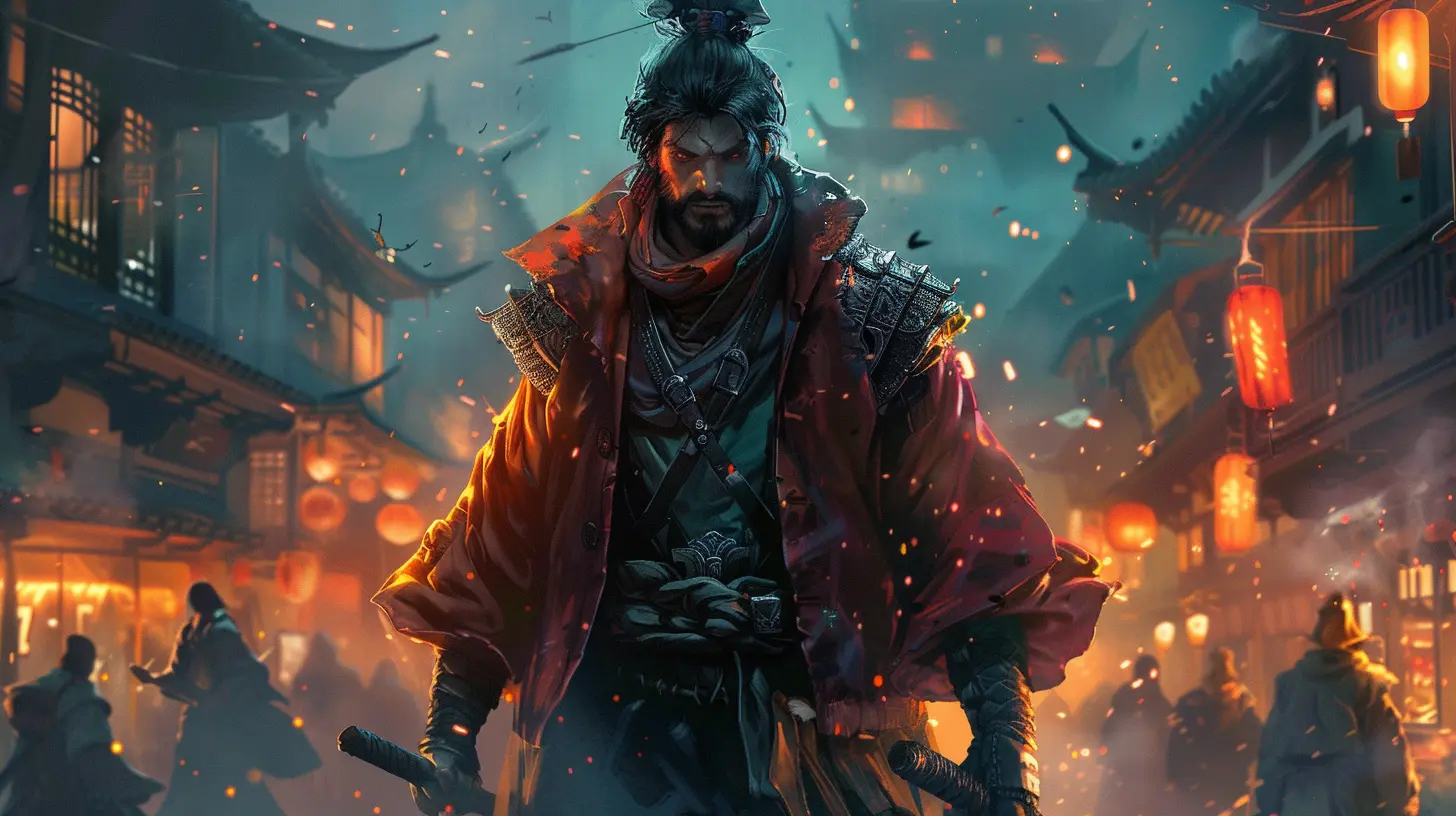
🧠 Memorable Personality: It’s All in the Vibes
Let’s start with the heart of it all — personality. A timeless character doesn’t need to be perfect. In fact, flaws often make them more human. Think of Kratos from God of War. He started as a vengeful maniac, but over time, we got to see his regrets, his growth, and his attempt at fatherhood. It’s this journey that made him unforgettable.Characters who burst with personality tend to resonate more. They feel like someone you know. Whether it’s the cheeky Lara Croft, the cocky but lovable Nathan Drake, or the silent but expressive Link — they all have traits you can latch onto.
Why It Matters:
People remember how characters made them feel. Personality adds depth, and depth hooks people in like a good Netflix binge.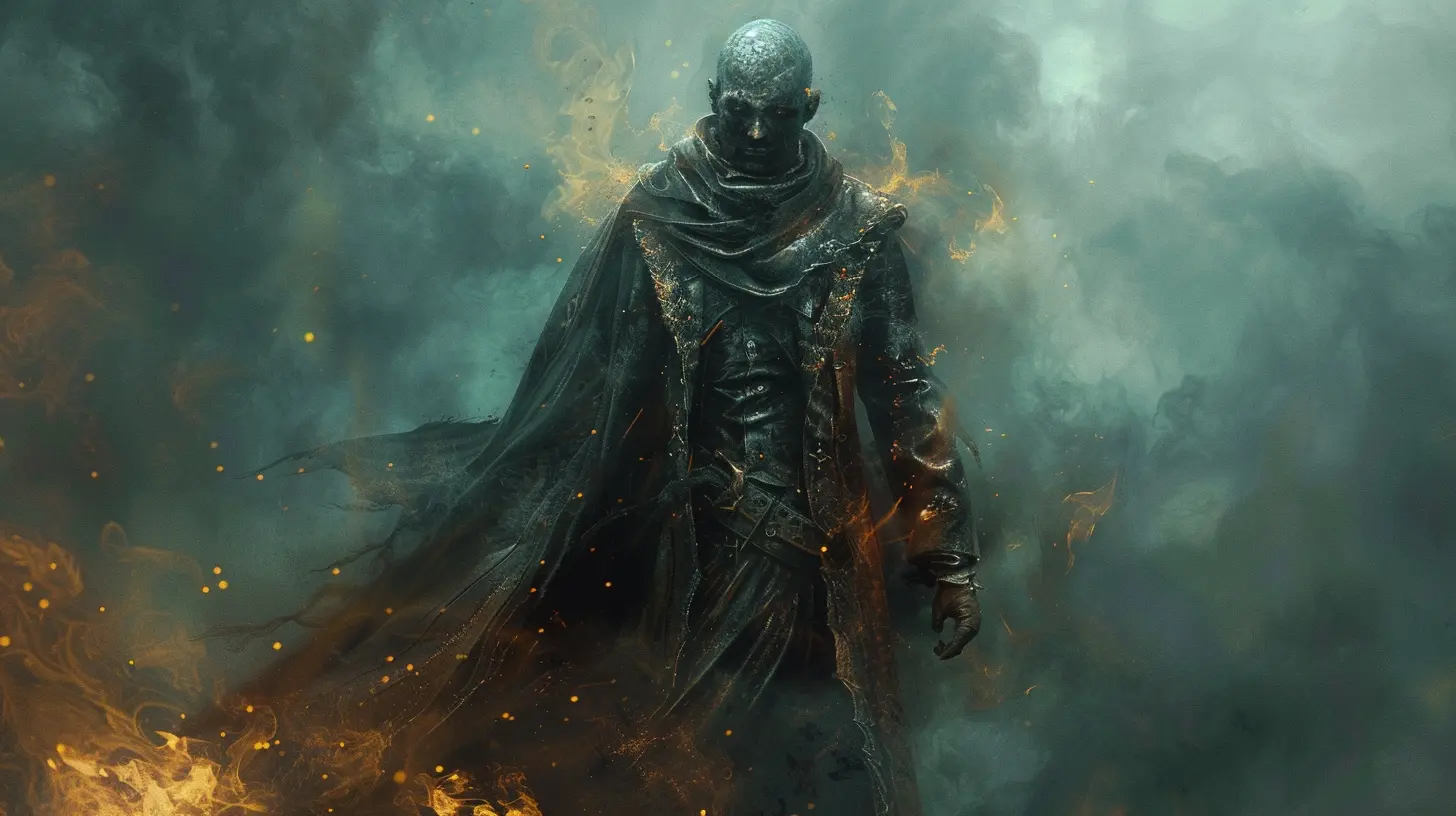
🎭 Relatability: A Mirror to Ourselves
Ever look at a character and go, “Yep, that’s me.”? That connection is gold. When a character reflects your own fears, dreams, or even awkward traits, that bond sticks like gum under your shoe.Take Clementine from The Walking Dead series — she's not a superhero, just a kid trying to navigate a post-apocalyptic world. But her emotional strength and growth mirrored how a lot of players felt when making tough calls. That relatability is priceless.
The Secret Sauce?
Even if the setting is outlandish, a character’s emotional journey needs to feel real. Players want to see themselves in the character or, at the very least, understand them deeply.
👀 Iconic Visual Design: First Impressions Count
Let’s not kid ourselves — looks matter. We recognize characters like Sonic, Mario, or Master Chief from just a silhouette. That’s the power of great character design.A timeless character usually nails a few key visual traits:
- Simplicity – Easy to recognize and remember.
- Uniqueness – Stands out in a crowd.
- Consistency – Keeps a recognizable look over the years, even if it evolves.
A Quick Example:
Mario’s red hat and mustache? Instantly recognizable. Lara Croft’s braid and blue tank top? Iconic. These visuals become part of the character's brand.When done right, visual design turns into nostalgia fuel — and nostalgia is a powerful thing in gaming.
🗣️ Voice and Dialogue: Words That Stick
Voice acting can make or break a character. Seriously, try imagining Geralt of Rivia without his gravelly voice. It wouldn’t be the same, right?Timeless characters often have distinctive ways of speaking. Phrases, tones, or catchphrases can stick in your head for years. ("It's-a me, Mario!" — try saying that without smiling.)
Dialogue Magic
It’s not just how they say things — it’s what they say. Emotional, funny, or even awkward lines can endear a character to us. Think of GLaDOS’s wicked humor in Portal or Arthur Morgan’s heartfelt monologues in Red Dead Redemption 2.Good writing mixed with great delivery is like peanut butter and jelly — better together, unforgettable apart.
🎮 Gameplay Integration: Walking the Talk
Here’s a thought — a character isn’t just about how they sound or look. It’s also about how they play.The connection between character and gameplay is key. Think of Spider-Man swinging through New York or Samus Aran navigating alien worlds. Their abilities feel like natural extensions of who they are.
When Design and Function Align:
- Batman feels like Batman because of his stealth and gadgets.- Ellie in The Last of Us feels vulnerable yet resilient due to her limited resources and smart tactics.
- Doom Slayer’s rampage fits his anger-fueled design and narrative.
When the way a character plays reflects their story, it creates immersion — and that’s a recipe for timelessness.
📖 Backstory and Lore: Give Us the Goods
Let’s face it — we love a good origin story. A deep, thought-out backstory gives a character roots. It makes them feel part of a bigger world.Whether it’s the tragic fall of Arthas in Warcraft or the mysterious past of Sephiroth in Final Fantasy, we’re drawn in by the “why.” Why are they like this? What happened? What are they running from or fighting for?
Remember:
A good backstory doesn’t have to be overly complicated. It just needs to mean something. Timeless characters often have stories that grow with them — and with us.⏳ Emotional Evolution: Growth is the Goal
We’ve seen it across movies, books, and shows — character growth = storytelling gold. Video games are no different.When we see a character change over time, whether through sequels or a single powerful narrative arc, we feel invested. Like watching a friend grow up. Like rooting for them to make it out okay.
Characters like Joel and Ellie in The Last of Us, or Commander Shepard in Mass Effect, carry emotional weight because we took that journey with them.
Why Growth Matters:
It mirrors real life. We all change. Seeing characters change makes them feel real — and if they feel real, we’re not letting go of them anytime soon.👫 Emotional Bonds: We Care Because We Connect
Let’s talk about something huge: emotional connection. This often happens when characters are placed in situations that challenge their morals, test their relationships, or force them to make hard choices.Games have a unique advantage here — they’re interactive. You’re not just watching the character go through something, you’re living it with them.
Ever hesitate before making a choice in a Telltale game? That emotional tug is the sign of a well-built character.
Bonus Points for Companions:
Some of the most beloved characters are sidekicks or companions. Think Garrus from Mass Effect, Cortana from Halo or Atreus from God of War. Their bonds with the main character strengthen your bond with them, too.🤝 Cultural Impact: Beyond the Game
You know a character’s made it when they break through the game screen.From cosplay to memes to fan art — if people are still talking about a character years after their debut, you know they’ve hit icon status.
Characters like Link, Pikachu, or Lara Croft aren’t just popular — they’re cultural staples. They’ve inspired comics, movies, and even Halloween costumes. That’s timeless.
🧪 The X-Factor: That Magic You Can’t Quantify
Okay, here’s where it gets tricky — some characters just have “it.” That unexplainable charm or mystery that makes them stand out even if you can’t put your finger on why.Maybe it's their charisma. Or the way they carry themselves. Or just perfect timing in gaming history. But they rise above the rest and stay in our hearts and minds.
You can’t force the X-factor, but when it happens, it’s game-changing (pun totally intended).
So, What’s the Final Recipe?
To sum it up, a timeless video game character is built from many layers — like a delicious narrative onion. Here’s the rundown again:- A personality that pops
- Visuals that stand the test of time
- A relatable or emotionally engaging backstory
- Seamless integration with gameplay
- Memorable voice, dialogue, and writing
- Growth and evolution over time
- Strong emotional bonds with players or other characters
- Cultural relevancy that echoes beyond the screen
- And a sprinkle of that magical, unquantifiable X-factor
Some characters may tick all the boxes, while others just check a few but do it so well that they shine anyway.
Final Thought 🤔
Characters are the soul of the game. You might forget a puzzle or a level layout, but a good character? That sticks. They live rent-free in our memories because they meant something — because they were more than pixels and voice lines. They were legends.So the next time you pick up a controller, look closely at who you’re playing as. Maybe they’ll be one of the greats — the ones we talk about decades from now.
all images in this post were generated using AI tools
Category:
Game CultureAuthor:

Lana Johnson
Discussion
rate this article
2 comments
Jonah Jimenez
Timeless game characters resonate with players through relatability, depth, and emotional connection. Strong backstories, unique traits, and consistent development ensure they evolve with the player experience. Icons like Mario and Link endure because they embody universal themes that transcend generations.
December 29, 2025 at 5:02 AM
Lana Johnson
Absolutely! Timeless game characters thrive on relatability, depth, and emotional ties, allowing them to connect across generations. Their strong backstories and consistent growth keep them relevant and beloved among players.
Xavi McWain
Ah, timeless game characters—the ones who defy age, logic, and occasionally good taste! You know, like that pixelated hero who can’t jump to save his life but somehow saves the world regularly. Truly, who needs depth when you have a legendary haircut and a spandex suit?
December 26, 2025 at 4:17 AM
Lana Johnson
Absolutely! It’s the combination of memorable design, quirky traits, and nostalgic charm that keeps these characters alive in our hearts, regardless of their pixelated flaws.