The Role of Terrain and Erosion Simulation in Realistic Game Worlds
12 January 2026
Have you ever played a game where the world felt so real, you could almost feel the wind brushing through the trees or the crunch of dirt underfoot? That immersion? It’s not just a stroke of artistic genius—it’s a result of clever game design, particularly the use of terrain and erosion simulation. These techniques are like the unsung heroes of game development, quietly doing the heavy lifting to make virtual worlds look and feel alive. So, what’s the deal with terrain and erosion simulation, and why do they matter so much in creating believable game environments? Let’s dig into it.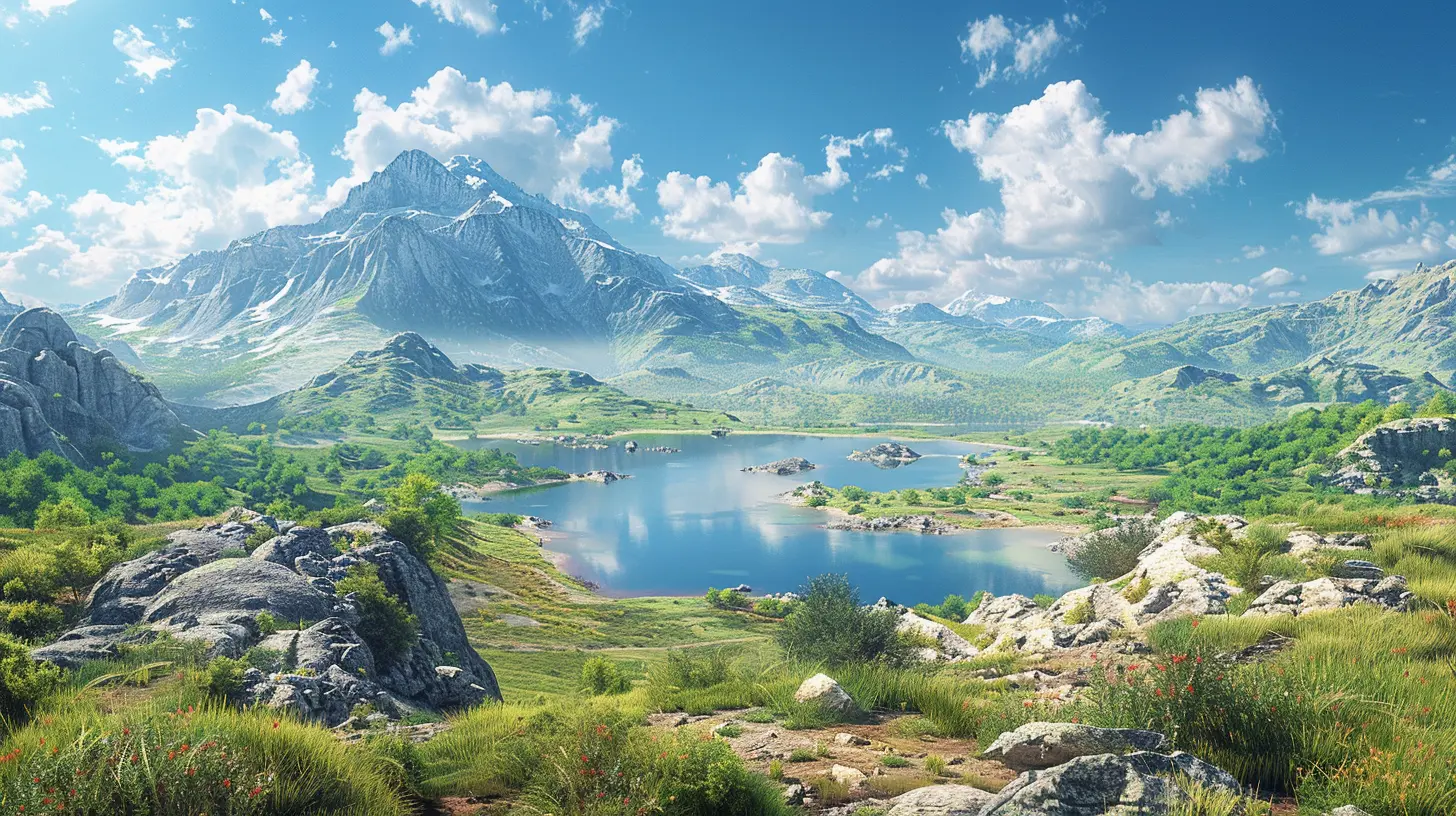
What Is Terrain Simulation?
First off, terrain simulation is the process of creating and manipulating 3D landscapes in virtual game worlds. Think of it as the digital version of sculpting clay—but instead of clay, developers work with algorithms and data. This technique helps shape mountains, valleys, riverbeds, deserts, and just about every inch of the land you see in games.But here’s the kicker: generating terrain isn’t just about making something that looks pretty—it’s about making something that feels natural. You know how in real life, hills don’t just pop up randomly, and rivers don’t flow uphill? Yeah, that same logic applies here. Games depend on terrain simulation to create organic, believable landscapes. And without it, your favorite open-world RPG might look a whole lot like a bad Minecraft knockoff (no offense, Minecraft fans).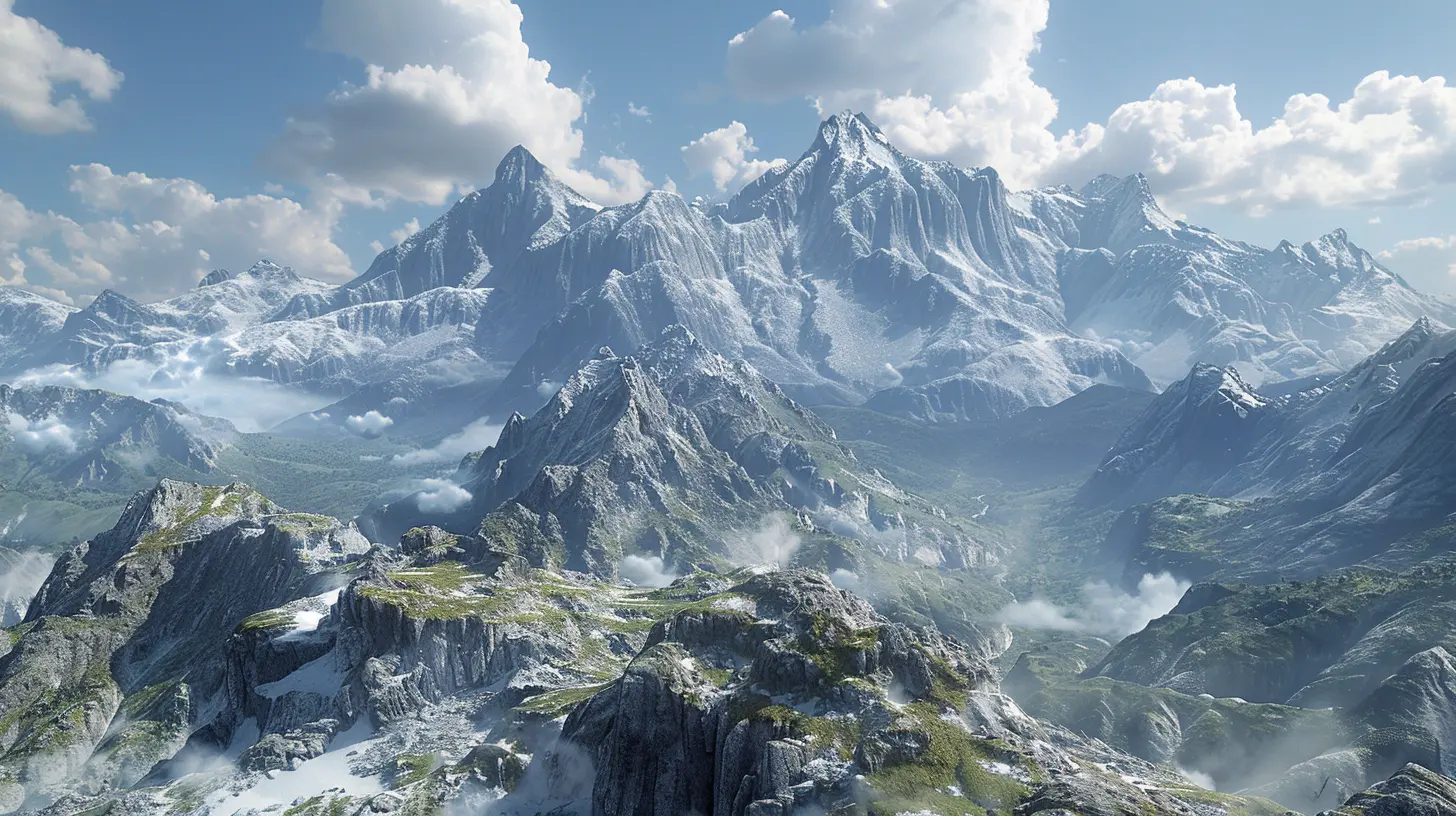
Why Erosion Simulation Is a Game-Changer
Now, let’s talk erosion. Erosion simulation is what gives terrain its history. It’s the process of wearing down and reshaping the land over time—kind of like Mother Nature’s touch. Picture a river carving a canyon or rain smoothing out a rugged hill. Erosion adds that extra layer of authenticity by considering how landscapes evolve naturally.In games, erosion simulation mimics these processes—like wind smoothing sand dunes or water eroding cliffs. Without erosion, terrain can look oddly artificial, like someone just plopped mountains and valleys onto a map. But with it? Suddenly, your game world has texture, depth, and a story to tell.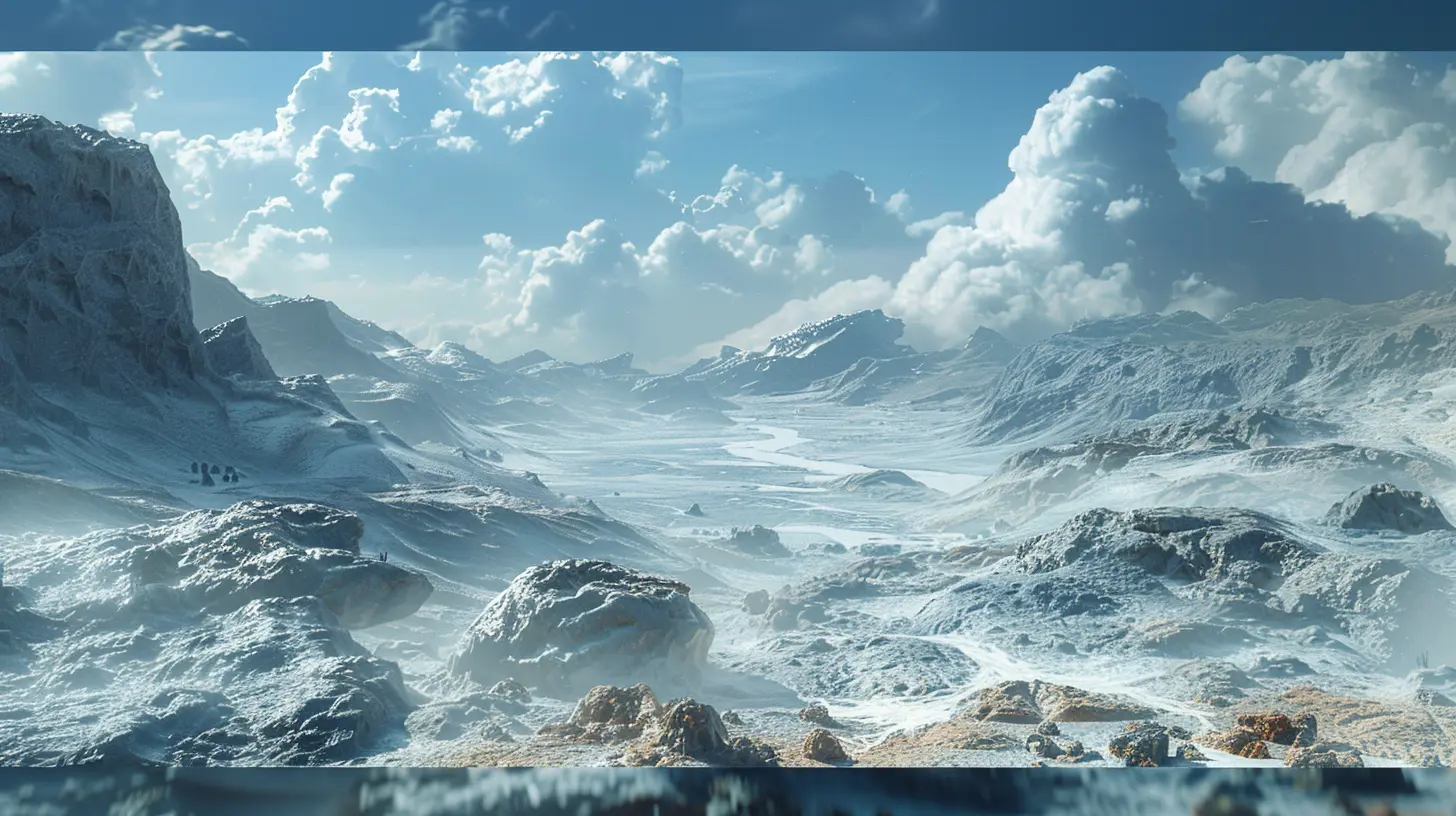
The Science Behind the Magic
Alright, let’s get a little nerdy here (but not too much, I promise). Both terrain and erosion simulation depend on sophisticated algorithms and mathematical models. For terrain, developers often use techniques like Perlin noise, fractals, or Voronoi diagrams to procedurally generate landscapes. These methods help create random, organic patterns that mimic nature.Erosion simulation, on the other hand, gets even more detail-oriented. It factors in things like water flow, sediment transport, and weathering. And yes, it’s as complex as it sounds. Imagine coding how rainwater trickles down a slope, carrying bits of dirt with it, and depositing that dirt somewhere else—now scale that up to an entire game world. Mind-blowing, right?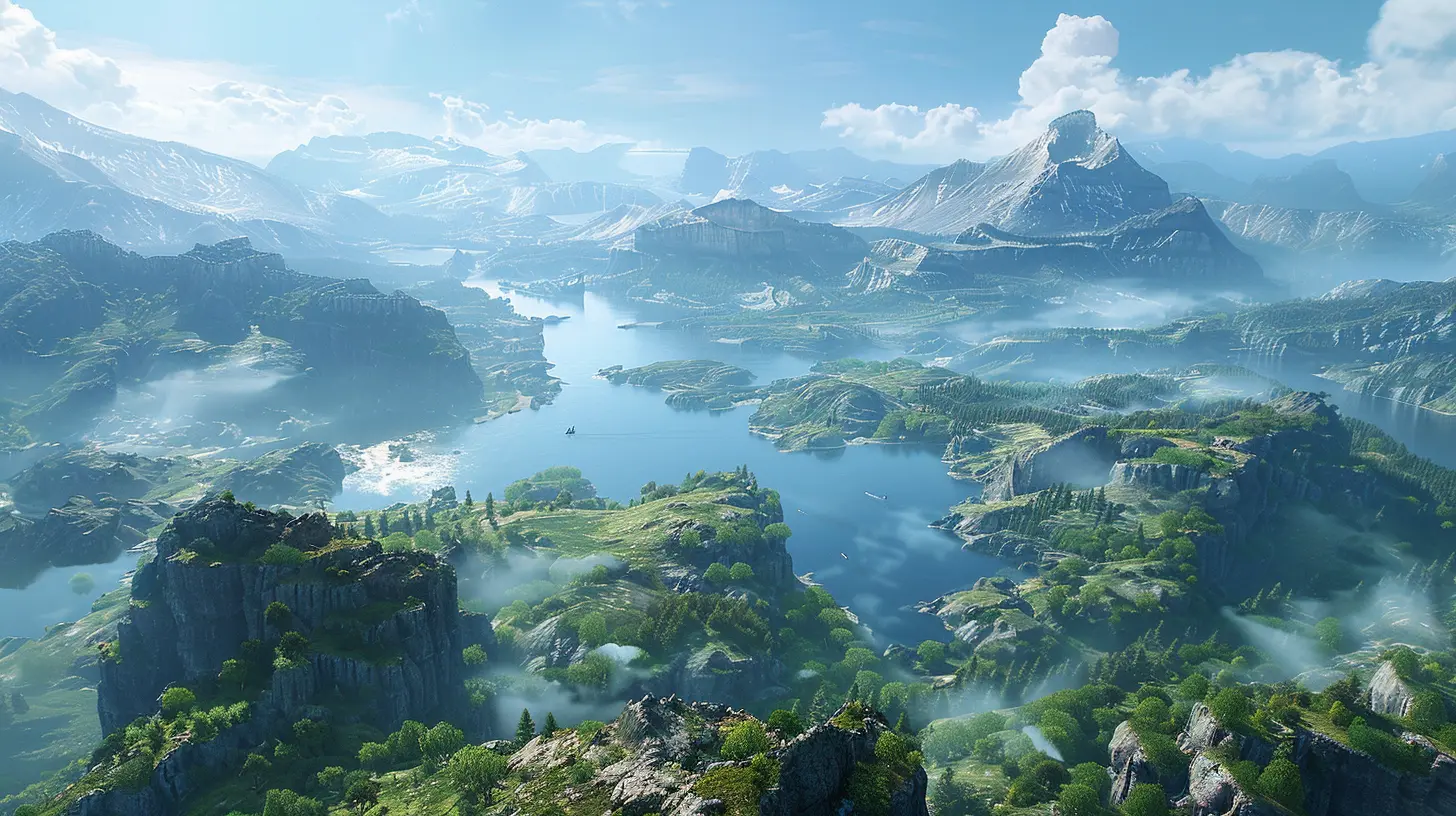
Where You’ve Seen Terrain and Erosion Simulation in Action
If you’re a gamer, you’ve probably already experienced these technologies without even realizing it. Let’s highlight a few examples that have set the bar high:1. The Elder Scrolls V: Skyrim
Skyrim’s rugged mountains and winding rivers weren’t just thrown in for fun. The terrain feels like something you’d find on a map of the Pacific Northwest because of how natural it looks. While erosion simulation here isn’t as advanced as some modern games, the attention to detail in terrain design laid the groundwork.2. Red Dead Redemption 2
Now this is the gold standard. Rockstar Games knocked it out of the park with expansive landscapes that feel alive. Rivers carve through valleys, dirt paths meander naturally, and erosion is visible everywhere, from the cracked stone in canyons to the muddy banks of creeks.3. Horizon Zero Dawn
This game’s lush environments combine towering mountains with rolling fields—and the erosion effects are stunning. You can sometimes find cliffs with sedimentary layers visible, hinting at years of wear and tear in the game’s fictional history.4. Minecraft (With Mods)
Unmodded Minecraft isn’t known for its realism (hello, blocky mountains), but mods like TerraForged and WorldPainter bring terrain simulation to the forefront. These mods dramatically improve the natural flow of rivers, mountains, and erosion, making the game’s landscapes feel more believable.Why Realistic Terrain and Erosion Matter in Games
You might be wondering, “Okay, cool tech, but why should I care as a gamer?” Well, let me put it this way: a game world that doesn’t feel real is like a movie set made of cardboard. You’ll notice, and it’ll ruin the immersion.1. Enhances Player Engagement
Realistic worlds draw players in. When you’re galloping through a canyon in Red Dead Redemption 2, part of what makes that moment unforgettable is how believable the world feels. It’s not just a backdrop; it’s a character in the story.2. Guides Exploration
Natural-looking terrain subtly nudges players where they need to go. For example, a well-placed valley might funnel you toward a town, or a river might guide you to an objective. Without this, open-world games risk becoming overwhelming or disorienting.3. Supports Gameplay Mechanics
Some games integrate erosion into mechanics. In survival games like Valheim, the shape of the land affects how you build structures or farm resources. Erosion impacts water flow, which can influence everything from irrigation to transportation.4. Feeds the Narrative
Believable terrain tells a story. A canyon crossed by a weathered bridge? Instant lore. A dried-up riverbed near a struggling village? That’s worldbuilding. Erosion and terrain simulation give game developers tools to craft narratives without a single line of dialogue.Challenges Developers Face When Simulating Terrain and Erosion
As cool as all of this sounds, it’s not easy to pull off. Developers face several challenges, from technical limitations to balancing realism with gameplay.1. Performance Issues
High-quality simulations require serious computing power. A game that spends too much CPU on realistic erosion might end up sacrificing frame rates or texture quality elsewhere. Balancing realism with playability is a tightrope walk.2. Time Constraints
Erosion simulation isn’t a “set it and forget it” process—it can take a ton of time to fine-tune. Developers often have to make sacrifices to meet deadlines, which might mean simplifying the simulation.3. Artistic vs. Procedural Design
While procedural generation can create realistic landscapes, it sometimes clashes with artistic vision. A game might need a flat plateau for a dramatic castle scene, even if it doesn’t “fit” the natural terrain.4. Player Expectations
Oddly enough, some players don’t want landscapes to be too realistic. Why? Because real-life terrain isn’t always fun to traverse. Developers have to strike a balance between naturalism and functionality—no one wants to get stuck in endless muddy hills.The Future of Terrain and Erosion in Games
So, what’s next? With technology advancing at a breakneck pace, the possibilities are endless. AI-driven terrain simulation is already being explored, which could automate much of the grunt work while delivering even more lifelike results. Imagine entire continents generated with near-real-world accuracy, all in the blink of an eye.Then there’s real-time erosion simulation. Currently, most games “bake” erosion into their worlds—meaning it’s locked in place before players even load the game. But in the future, we might see games where erosion happens dynamically, in real-time. Think sand dunes shifting under the wind as you drive through a desert or rain gradually flooding a valley. How cool would that be?
Bringing It All Together
Terrain and erosion simulation might not be as flashy as ray tracing or bombastic soundtracks, but they’re just as essential in creating realistic and immersive game worlds. These systems add life, history, and narrative to the landscapes we explore, turning them into more than just pretty backgrounds.Next time you’re marveling at a sweeping vista in your favorite game, take a moment to appreciate the effort that went into creating it. That mountain didn’t just happen to look realistic—behind the pixels lies a whole lot of science, artistry, and passion.
all images in this post were generated using AI tools
Category:
Realism In GamesAuthor:

Lana Johnson
Discussion
rate this article
2 comments
Scarlett Dillon
This article brilliantly highlights how terrain and erosion simulation enhance the realism of game worlds. Such intricate details not only enrich player immersion but also elevate storytelling and gameplay dynamics. Great read!
January 18, 2026 at 4:22 AM
Lana Johnson
Thank you for your insightful comment! I'm glad you found the article engaging and appreciated the importance of terrain and erosion simulation in enhancing player experience.
Zora Taylor
Great insights! Terrain and erosion really enhance immersion in gaming. Thanks for sharing!
January 13, 2026 at 5:29 AM
Lana Johnson
Thank you! I'm glad you found the insights valuable. Terrain and erosion truly play a vital role in creating immersive game environments!