The Role of Redemption Arcs in Character Development
7 December 2025
Ah, redemption arcs! They're like the secret sauce of storytelling—a little pinch here, a generous dollop there, and bam! You've got one unforgettable character. Whether it's the former bad guy making up for their misdeeds or a flawed hero struggling to right their wrongs, redemption arcs add that extra layer of depth that keeps us glued to the screen or flipping pages late into the night.
But what makes redemption arcs so compelling? Why do they resonate with us on such a deep level? And more importantly, how do they contribute to character development in games? Let’s dive into all this with a healthy dash of charm and a sprinkle of relatability. Make yourself comfortable, grab your favorite snack, and let's get into it.
What Is a Redemption Arc?
First things first—what exactly is a redemption arc? Think of it as a narrative journey where a deeply flawed character, often perceived as "bad" or "damaged," goes through a transformation. They wrestle with their past actions, face consequences, and eventually try to make amends. It’s like watching someone clean up their mess, one broken plate at a time.Now, here's the thing: redemption arcs aren’t about erasing past mistakes or washing away sins with the magical sponge of storytelling. Nope. They're about growth, accountability, and—dare I say—hope. When done right, they offer some of the most satisfying payoffs in fiction, especially in games where you're actively part of the story.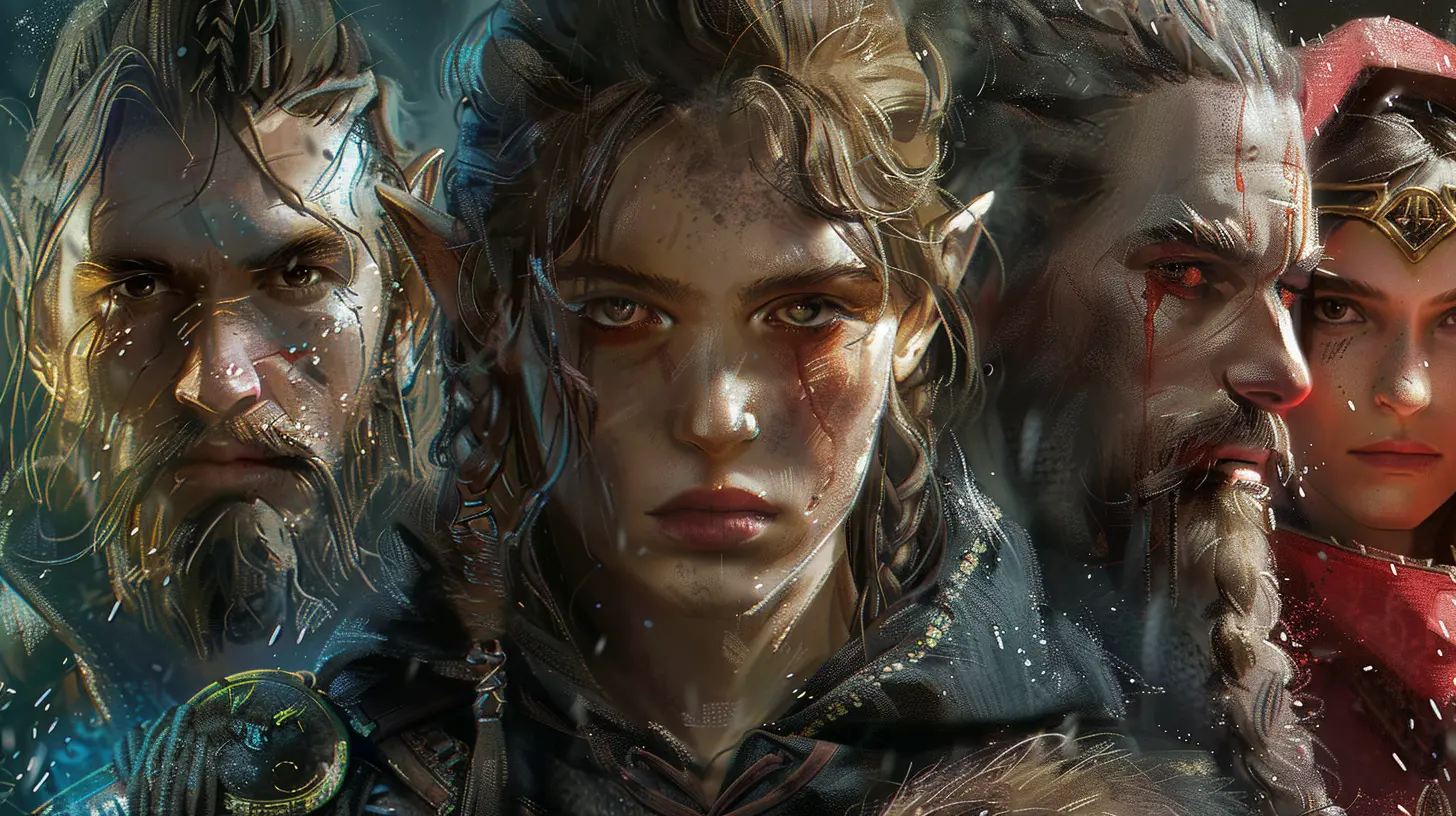
Why Are Redemption Arcs So Addictive?
Ever notice how redemption arcs stick with you? Like, you’ll be lying awake at 2 a.m., still thinking about that one character who turned their life around? Yeah, me too. Here's why:1. They Appeal to Our Inner Optimist
Let’s be real—nobody’s perfect. We all screw up (some of us more than others, cough that one time I rage-quit a multiplayer match cough). Watching a character claw their way back from rock bottom reminds us that change is possible. It’s that little nudge saying, "Hey, you can do better, too."2. They Humanize the "Villain"
When you understand why a character did the horrible things they did, it’s like pulling back the curtain on the Wizard of Oz. You see the human—messy, flawed, and vulnerable—behind the "Big Bad Boss." And honestly? That connection makes the redemption arc hit differently.3. High-Stakes Drama
Let’s not kid ourselves: redemption arcs are juicy drama magnets. You've got betrayal, regret, awkward reunions, and maybe even some teary-eyed apologies. It’s like a soap opera, but with swords, spells, and pixelated explosions.
Examples of Redemption Arcs in Gaming
Alright, enough theory. Let’s talk gaming—because the medium absolutely thrives on redemption arcs. Why? Because games are immersive. When you’re controlling a character or making decisions for them, their redemption feels personal in a way movies or books just can’t replicate.Kratos – The God With a Grudge
Let’s start with the big guy himself: Kratos from the God of War franchise. In the earlier games, Kratos was a rage-fueled wrecking ball, tearing through gods and mortals alike without much thought for the consequences. But the 2018 reboot flipped the script. Suddenly, Kratos was… a dad? And not just any dad—a dad trying to atone for his violent past while raising his son, Atreus, to be better than him.That shift turned Kratos into a layered, relatable character. You could almost feel his regret simmering below the surface. And let’s be honest: watching him struggle to express love or give life advice was weirdly heartwarming.
Arthur Morgan – The Outlaw With a Conscience
If you’ve played Red Dead Redemption 2 (and if you haven’t, seriously, what are you doing?), you already know Arthur Morgan's redemption arc is chef’s kiss. Here’s a guy who starts off as yet another morally questionable outlaw and ends up questioning everything—his choices, his loyalty, even his own mortality.What makes Arthur's arc so gut-wrenchingly effective is how slow-burn it is. You don’t just see Arthur change; you feel it in every interaction, every journal entry, and every decision (looking at you, honor system). By the end, you’re left wondering: can someone truly make up for a lifetime of wrongdoing? Is redemption even possible? Heavy stuff, right?
Zuko – The OG Redemption Arc (Honorable Mention)
Okay, I know, I know—Zuko’s from Avatar: The Last Airbender, not a video game. But his redemption arc is so iconic it deserves a quick shoutout. Zuko went from angsty teenage firebender to an actual cinnamon roll, and we were here for every second of it.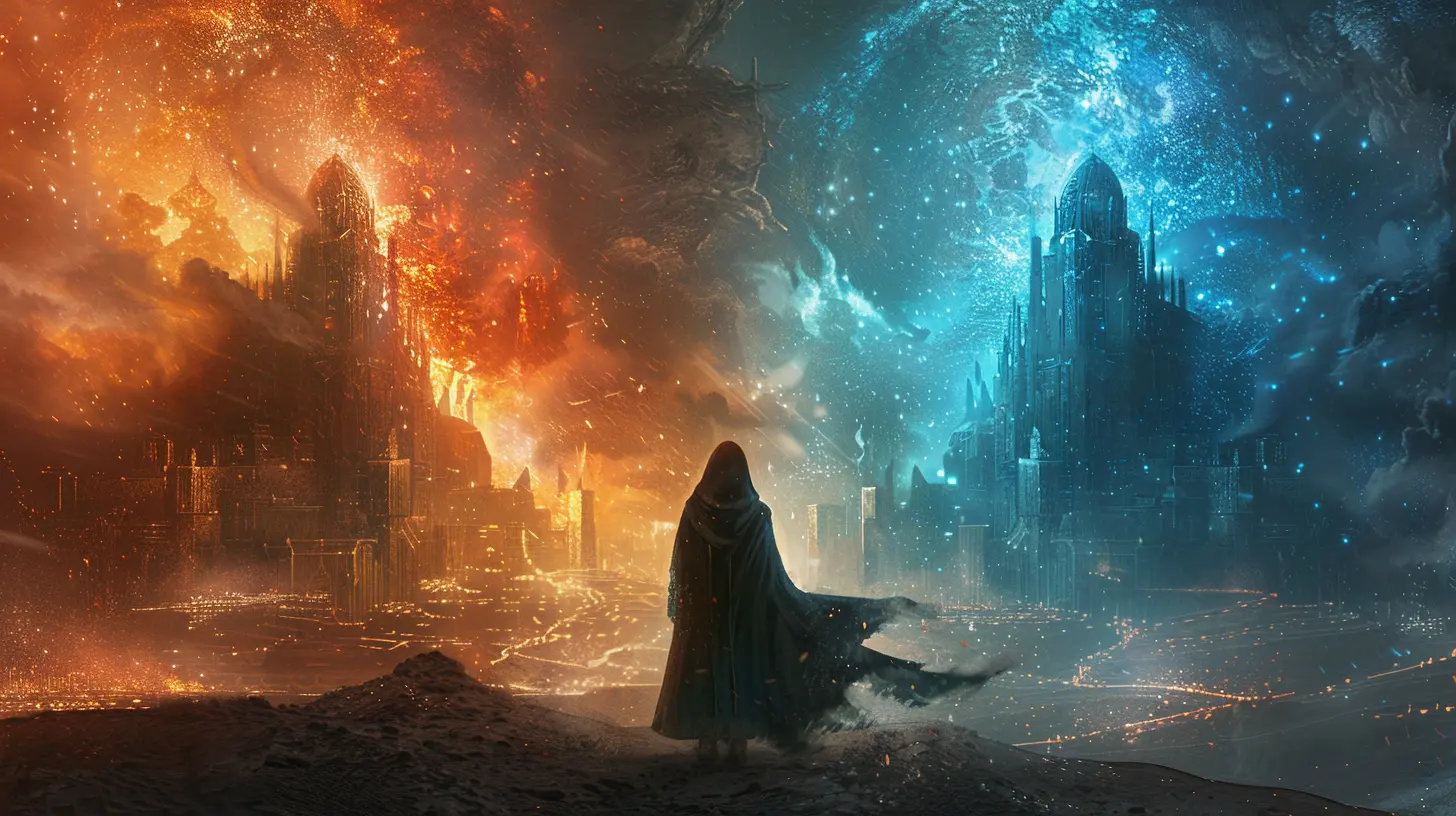
The Ingredients of a Great Redemption Arc
Alright, so what makes a redemption arc work? It’s not just about slapping on an apology scene and calling it a day. Like a well-crafted potion in an RPG, redemption arcs require specific ingredients:1. Flaws, Lots of Flaws
A redemption arc without flaws is… well, just boring. The character needs to have done something bad—something that makes you question whether they even deserve a second chance. The stakes need to be real.2. Genuine Effort
Nobody likes a lazy redemption arc. If your character goes from “villain” to “hero” without breaking a sweat, it’s going to feel hollow. They need to work for it. Sweat, bleed, cry—whatever it takes.3. Accountability
This one’s a biggie. Redemption isn’t about sweeping past mistakes under the rug; it’s about owning up to them. Think of it like clearing your browser history: it’s not enough to just hit delete; you’ve got to face what’s on the screen first.4. A Relatable Motive
Why does the character want to change? Maybe they’ve had a personal loss, like Arthur Morgan’s illness. Or maybe they’ve been given a second chance, like Kratos with his son. Whatever it is, the motive has to feel authentic.Why Redemption Arcs Shine in Games
Video games aren’t just a passive storytelling medium—they’re an interactive experience. And that makes redemption arcs in games hit differently. Here's why:Player Investment
When you’re spending 20, 30, or even 100+ hours with a character, you’re invested. You’re not just watching their redemption arc unfold; you’re part of it. You’re the one making those tough choices, whether it’s sparing an enemy or confessing to a past mistake.Moral Dilemmas
Games love throwing moral questions at you. Should you save the village that hates you? Betray your old crew for a chance at redemption? These choices make you think—and sometimes squirm—as you guide the character toward a better path.Replaying the Past
Some games let you revisit earlier moments in a character’s story, giving you a front-row seat to their growth. It’s like a before-and-after montage, but way more satisfying.The Risk of Flopping
Not every redemption arc is a winner, though. When done poorly, they can feel rushed, forced, or downright cringeworthy. You know the type—the “I’m good now because the plot says so” kind of arc.To avoid this, writers and developers need to remember one golden rule: redemption is a journey, not a switch. Characters have to earn their second chance, and the audience needs to believe it.
Wrapping It Up
Redemption arcs are more than just a storytelling trope—they’re a reflection of our own struggles with guilt, growth, and forgiveness. They remind us that even the most flawed individuals (or characters) have the potential for change. And when done right, they create some of the most memorable moments in gaming.So the next time you’re playing a game and see a character making amends, take a moment to appreciate the journey. Redemption arcs aren’t just about the destination—they’re about the messy, beautiful chaos of getting there.
all images in this post were generated using AI tools
Category:
Video Game CharactersAuthor:

Lana Johnson
Discussion
rate this article
2 comments
Zachary Strickland
Love how redemption arcs deepen character connections and stories!
December 12, 2025 at 5:27 PM
Lana Johnson
Absolutely! Redemption arcs not only enhance character depth but also create richer emotional ties for readers.
Jace McDermott
This article beautifully captures the essence of redemption arcs. They not only enhance character depth but also resonate with our own struggles for growth and forgiveness. Thank you for shedding light on this powerful narrative element!
December 7, 2025 at 5:58 PM
Lana Johnson
Thank you for your thoughtful comment! I'm glad you resonated with the themes of redemption and growth in character development.