The Role of Memes in Game Popularity
22 February 2026
Let’s be honest—memes have taken over the internet. But beyond just making us laugh during boring Zoom meetings or on the train ride home, memes have started to play a surprisingly powerful role in one unexpected place: video game popularity. We’re living in a time where a single funny image, GIF, or TikTok joke can shoot a relatively unknown game into viral status overnight.
But how exactly do memes have that kind of power? And why are game developers (and marketers) beginning to lean into memes as a serious strategy? Sit back, grab your controller—or your coffee—and let’s unravel the meme-fueled magic behind gaming culture today.
What Even Are Memes?
Before diving deeper, let’s get clear on what we’re talking about. A meme is usually a short piece of content—maybe a video clip, picture, quote, or tweet—that spreads rapidly online. People tweak it, remix it, make it their own, and share it again.In gaming, memes often come from unusual in-game moments, bugs, dialogue lines, character expressions, or just plain weird behavior that catches players’ attention.
Think about Skyrim's famous "arrow to the knee" line or the endless sea of Among Us "sus" jokes. That’s meme magic in action.
Why Memes Work So Well in Gaming
At the core, gaming and memes share one thing: community. Games aren’t just interactive entertainment—they’re shared experiences. When players run into something weird, funny, or unexpected in a game, they want to share it. Memes are the perfect vehicle for that.Plus, memes are short, snappy, and easily spreadable. They require no real context to be enjoyed, which makes them exceptionally good at reaching people who’ve never even played the game.
The Virality Factor
Let’s look at how memes act like jet fuel for game popularity. When something funny or unique from a game gets meme-ified, it gets blasted across Twitter, Reddit, YouTube, TikTok, and Instagram. Suddenly, millions of people are seeing it—even if they’ve never touched a controller in their life.Remember the surge of popularity around Among Us back in 2020? The game had actually been around since 2018, flying under the radar. But once Twitch streamers and meme-makers got their hands on it, it turned into a worldwide phenomenon. The phrase “that’s kinda sus” practically became a household term.
Memes Give Games Personality
Memes distill a game’s identity into a tiny package. Whether it’s the hate-love relationship with Elden Ring’s difficulty or the absolute chaos of a Fall Guys match, memes help showcase what a game feels like before you even play it.They make certain elements of a game unforgettable. For example:
- "Press F to Pay Respects" from Call of Duty: Advanced Warfare has become a meme in and of itself, used far beyond gaming now.
- Resident Evil’s infamous “Jill sandwich” line shows up in meme compilations years after release.
- Mortal Kombat’s “Finish Him!” is iconic—even people who’ve never touched the game know where it’s from.
Think of memes like movie trailers—just shorter, funnier, and sometimes made by fans instead of studios.
The Rise of Meme-Led Marketing Strategies
Game studios are catching on. Memes are no longer seen as random internet noise; they’re a legitimate marketing resource. In fact, many developers are now crafting games with meme potential in mind.Studios Leaning Into the Meme Wave
Take Goose Goose Duck, a social deduction game very similar to Among Us. It hit peak popularity thanks to memes and Twitch streamers—even a few content creators joked about it as “the goose version of Among Us.” The devs leaned into it, amplifying the attention rather than shying away from the comparisons.And then there's the example of Untitled Goose Game—a quirky, chaotic goose simulator that exploded largely because of its viral potential. It wasn’t just the gameplay—it was the memes of honking geese stealing sandwiches that made the game iconic. “Peace was never an option” anyone?
Memes, in these cases, didn’t just spread the game—they helped shape its identity in the public’s mind.
Building for Memeability
Some devs are now actively designing games with moments that could become memes. Whether it's hilarious ragdoll physics, bizarre character animations, or ridiculous dialogue, these moments are meant to be shared.Games like Human: Fall Flat and Totally Accurate Battle Simulator thrive on these moments. Their unpredictability is their biggest strength—and meme culture eats that up.
Community-Driven Meme Creation
One of the most beautiful things about memes is that they’re bottom-up. They don’t come from the top-down marketing machine. They spark organically from the player base—and that gives them more authenticity.Gamers have started to become co-marketers in a way. They create the content, remix the footage, and push it out. Suddenly, a game’s popularity belongs to the players just as much as the devs.
That’s part of the reason why players feel such attachment and belonging to certain games. They’ve helped shape the conversation.
Memes as Language
Gamers also use memes as a form of communication. They can capture frustration, excitement, inside jokes, or glitches in a way that text just can't.A shared meme about a game’s notorious boss fight or a frustrating puzzle creates a sense of solidarity. It’s like everyone nodding in agreement and saying, “Yup, I’ve been there too.”
That shared cultural understanding strengthens the game’s community over time. And let’s be real—laughing about the same struggle makes it a lot more bearable.
When Memes Hurt More Than They Help
Alright, it’s not all sunshine and upvotes. Memes can sometimes backfire.Reinforcing Negative Stereotypes
Sometimes a meme highlights something frustrating or broken in a game—which brings attention, sure—but for the wrong reasons. A buggy launch or awkward animation (looking at you, Cyberpunk 2077 and Mass Effect: Andromeda) can lead to ridicule that overshadows the game itself.While that meme-fueled attention can spike visibility, it often damages long-term appeal and trust.
Oversaturation and Burnout
Another risk? Meme fatigue. When every platform starts spamming the same joke or clip, the meme quickly becomes annoying. That can turn people off from a game before they even give it a fair chance.Think of memes like seasoning—they add flavor, but too much can ruin the dish.
Memes and Longevity: Keeping Games Alive
When a game’s original hype dies down, memes can keep it alive. Games like Minecraft, Terraria, and even old-school classics like Doom continue to exist in meme culture, which helps introduce them to new audiences over and over.That cyclical exposure boosts player engagement, encourages modding communities, and sometimes even leads to re-releases or remakes.
The Case of Skyrim: Meme Immortality
Skyrim is basically the meme fountain that never runs dry. From “I used to be an adventurer like you…” to shouting Fus Ro Dah at NPCs, it’s endlessly quotable. It’s no surprise Bethesda has ported it to just about every console under the sun. The memes keep the game in public conversation—and that’s priceless.How Indie Games Use Memes to Compete With AAA Titles
Indie games often don’t have massive marketing budgets. But what they do have is creativity—and memes give them equal footing in the spotlight.Games like:
- Celeste (thanks to speedrun memes)
- Hollow Knight (cute vs. deadly memes)
- Doki Doki Literature Club (shock-value memes)
…all became popular partly because of community-made content. Memes help indie games punch above their weight—and sometimes even outperform giants.
The Future of Memes in Gaming
As memes continue to be a crucial part of how we experience and share games, we’ll likely see more integration, more clever design, and more official participation.Imagine this: future game engines might even include built-in meme editors. Or devs might host in-game meme contests. It’s not far-fetched. The meme economy is booming, and gaming is right at its heart.
Final Thoughts
Memes aren’t just throwaway jokes anymore—they’re a key part of how games go viral, build communities, and stay relevant. Whether they’re making you laugh, helping you vent, or pulling you into a brand-new title you hadn’t heard of before, memes have a language of their own.They’re the new word-of-mouth. And in gaming? That’s everything.
So next time you see a hilarious bug, a rage-quit moment, or an oddly heartfelt game moment, don’t just let it pass—capture it, share it, meme it. You might just help fuel the next big game sensation.
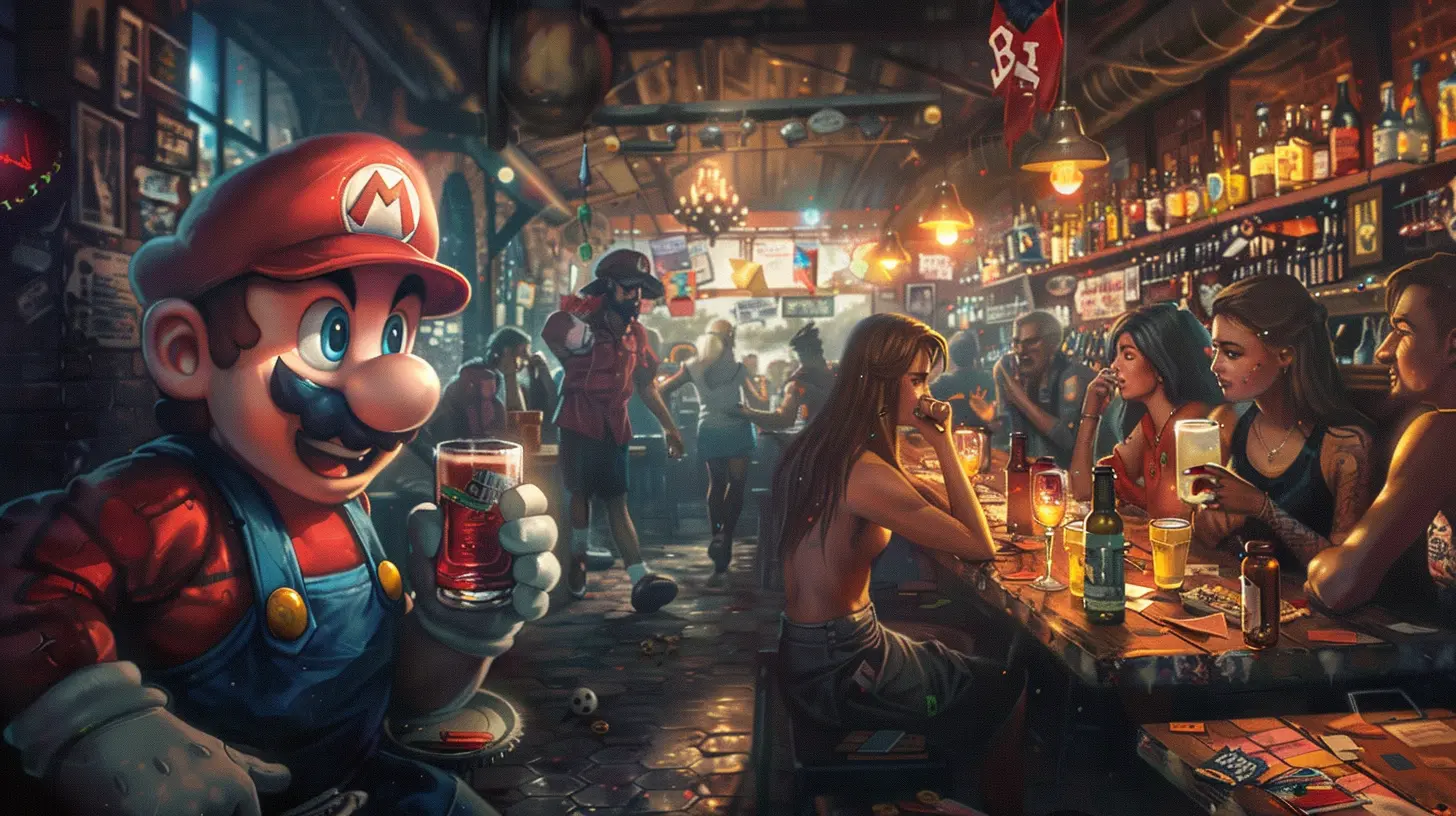
all images in this post were generated using AI tools
Category:
Game CultureAuthor:

Lana Johnson
Discussion
rate this article
2 comments
Sloan Gutierrez
Memes are the viral heartbeat of gaming culture—turning niche titles into phenomena faster than you can say 'level up.' Who knew humor could be a power-up?
February 26, 2026 at 3:27 AM
Lana Johnson
Absolutely! Memes transform gaming moments into shared experiences, amplifying the appeal of niche titles and showcasing the power of humor in culture.
Xander Willis
Great article! Memes truly capture the spirit of gaming culture and can elevate a game's visibility like nothing else. It's fascinating how humor and creativity can drive popularity and community engagement!
February 23, 2026 at 3:59 AM
Lana Johnson
Thank you! I’m glad you enjoyed the article. Memes really do play a powerful role in connecting communities and boosting visibility—it's amazing to see their impact on gaming culture!