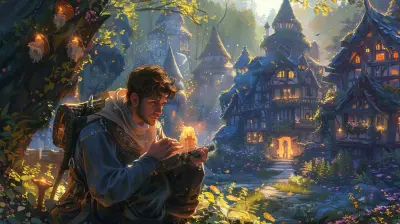
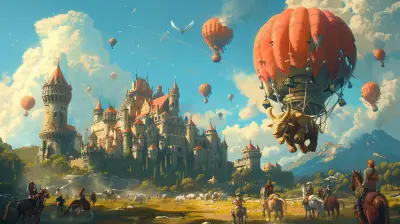
The Intersection of Games and Fashion
10 June 2026
In a digital world where pixels dance and avatars strut with flair, the lines between what we wear and what we play are blurring faster than you can say “respawn.” Fashion and gaming, two seemingly distant realms, have collided in a spectacle of style and storytelling. Once separated like oil and water, they're now as tangled as your headphone cables on a Monday morning.
This is more than just skins and merch. It’s about culture, identity, influence, and yes—money. Let’s dive deep into this bold new universe where Gucci meets Grand Theft Auto and high heels stomp right into the World of Warcraft.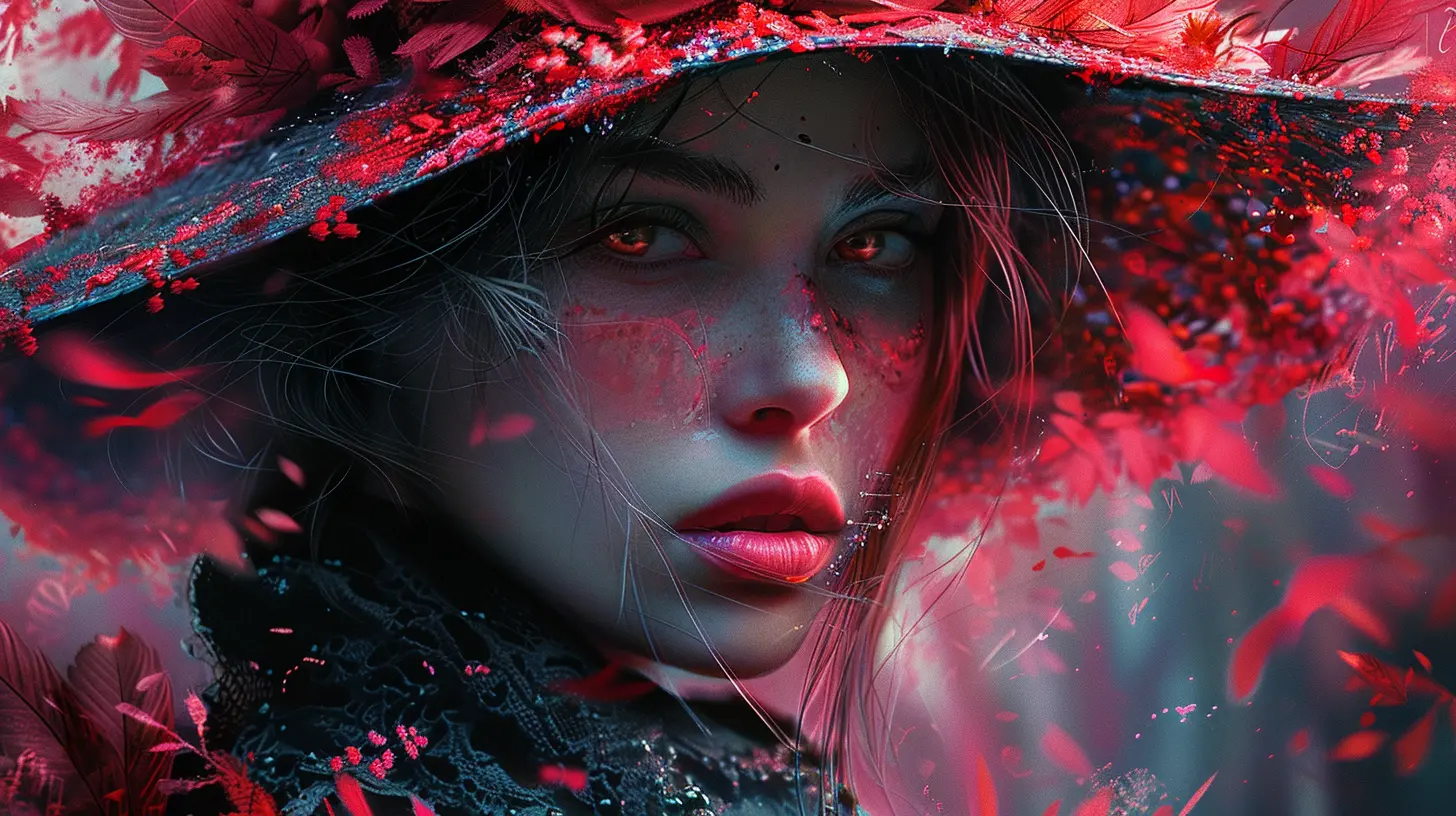
The Catwalk Meets the Console
Fashion has always been about expression. Gaming? Same gig. You wear your soul on your sleeve in both—sometimes literally.When games went 3D, and customization features became the norm—the floodgates opened. Suddenly, what your character wore mattered. A lot. Why wear default threadbare pants when you can rock a phoenix-feather cloak?
From Final Fantasy’s shimmering armors to Fortnite’s flashy emotes and outfits, games became virtual runways. They weren’t just about winning. Players wanted to look good doing it.
But it wasn’t just gamers who noticed this. The fashion industry took one long look at the gaming world and thought, “Yeah, we want in.”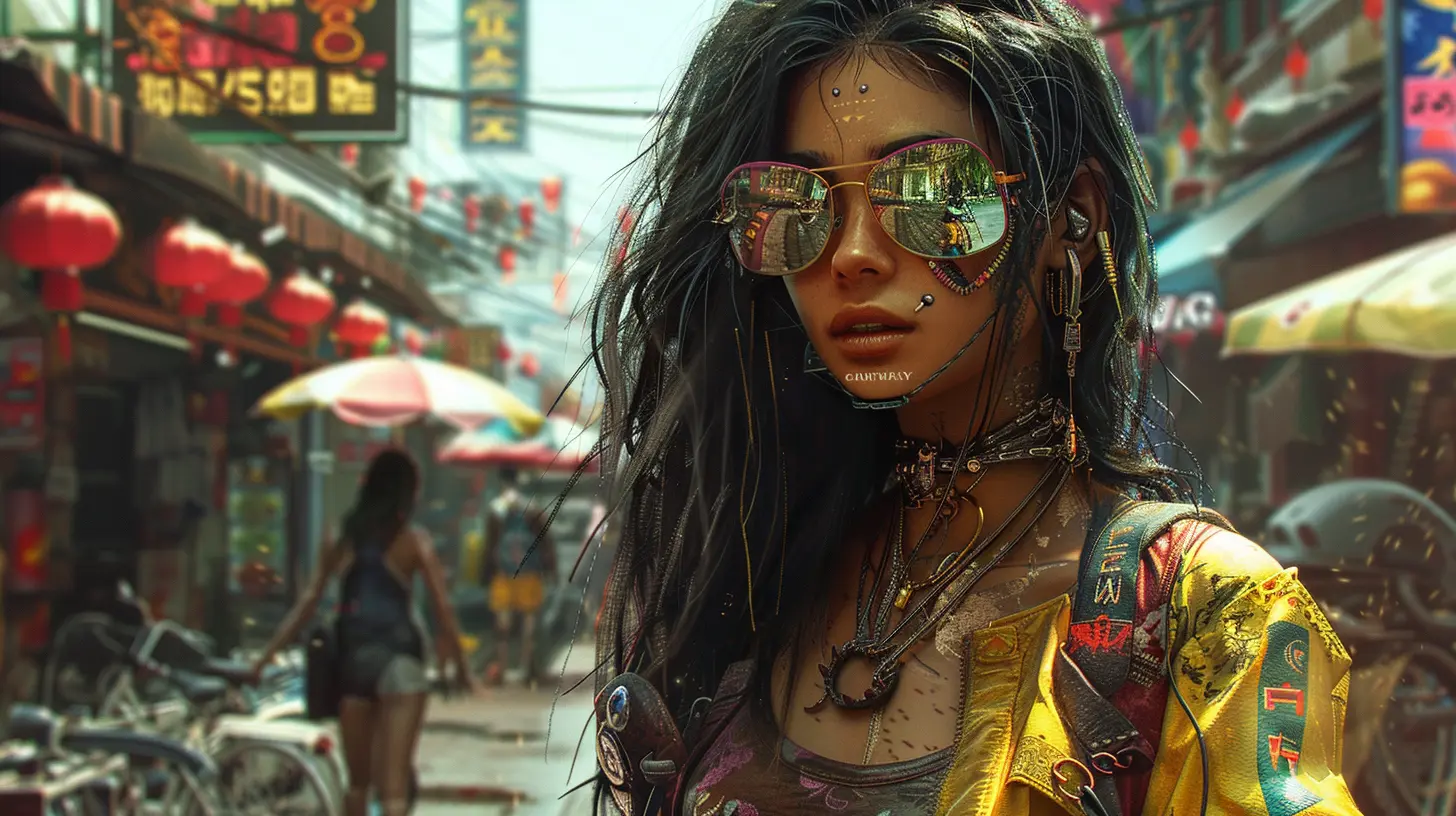
Digital Drip: Skins, Couture, and Pixel-Perfect Threads
Let’s talk skins. Whether you're into Apex Legends or League of Legends, you know a good skin can make you feel invincible—even if you’re still kinda bad at the actual game. These digital attires go beyond cosmetics. They’re currency. Conversation starters. Status symbols.And guess what? Luxury fashion brands noticed.
Louis Vuitton designed skins for League of Legends characters. Balenciaga partnered with Fortnite. Gucci dipped its toes into Roblox and even launched a digital-only handbag priced higher than the real deal. Yes—you read that right.
Gaming now has its own drip.
It’s not just branding—it’s a vibe. Wearing a rare skin in a game is like walking into a party with the latest limited-edition sneakers. People notice. People talk.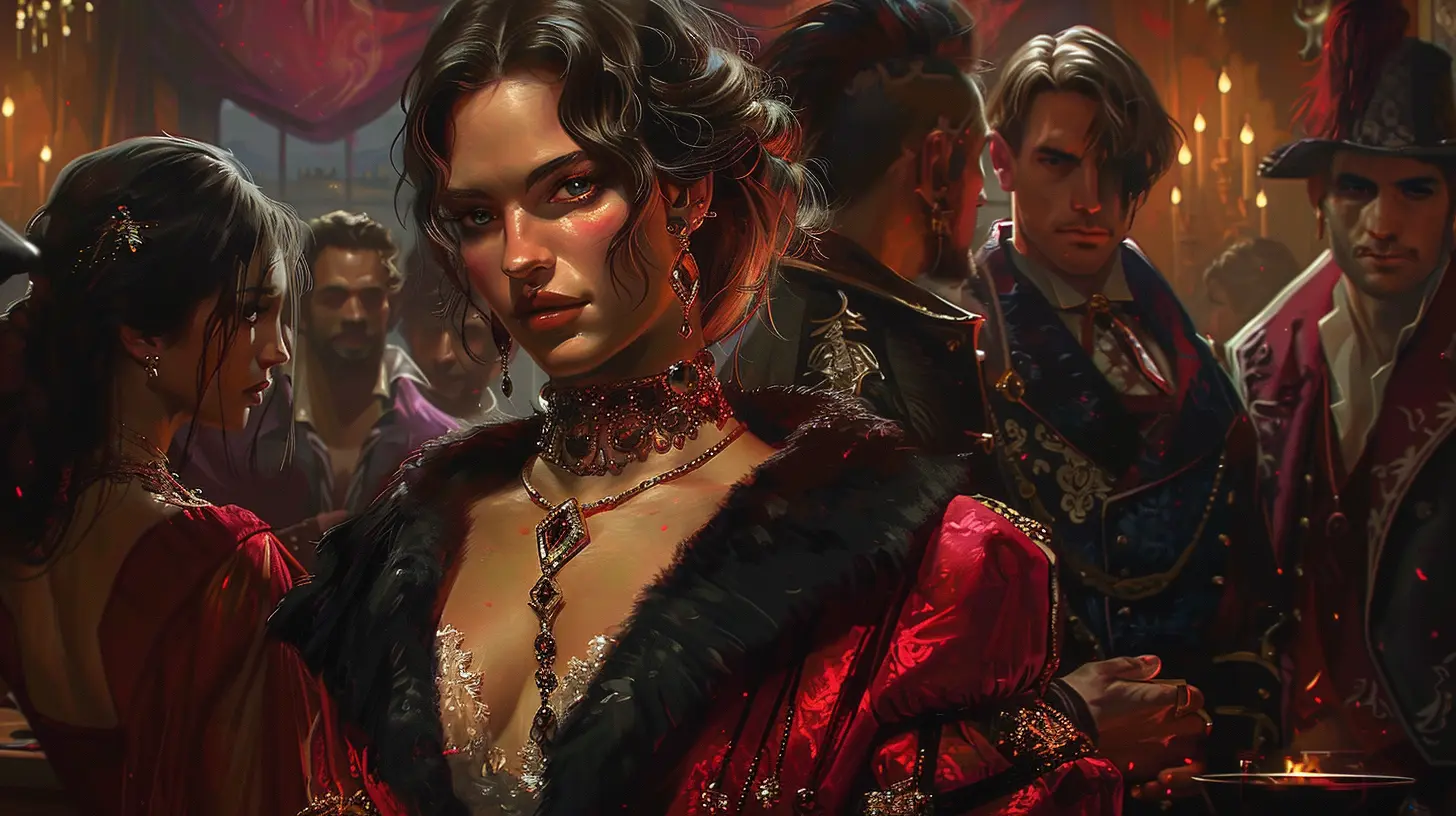
Fashion Games: Where Style Is the Gameplay
Sometimes, fashion isn’t just part of the game—it is the game.Enter titles like Style Savvy, Love Nikki, and Fashion Dreamer. These games aren’t side quests in style. They’re full-blown fashion fantasies. You build your wardrobe, dress your avatar, strut your stuff on virtual runways, and compete in challenges based on theme and creativity.
The magic? These games are built for community. You’re not just dressing for an algorithm—you’re dressing to impress others. It’s social. It’s bold. And it’s growing.
Even Animal Crossing let us flex our design muscles during lockdown. Custom outfits, meticulously landscaped islands, and impromptu fashion shows gave us life when real-world dressing felt pointless from the couch.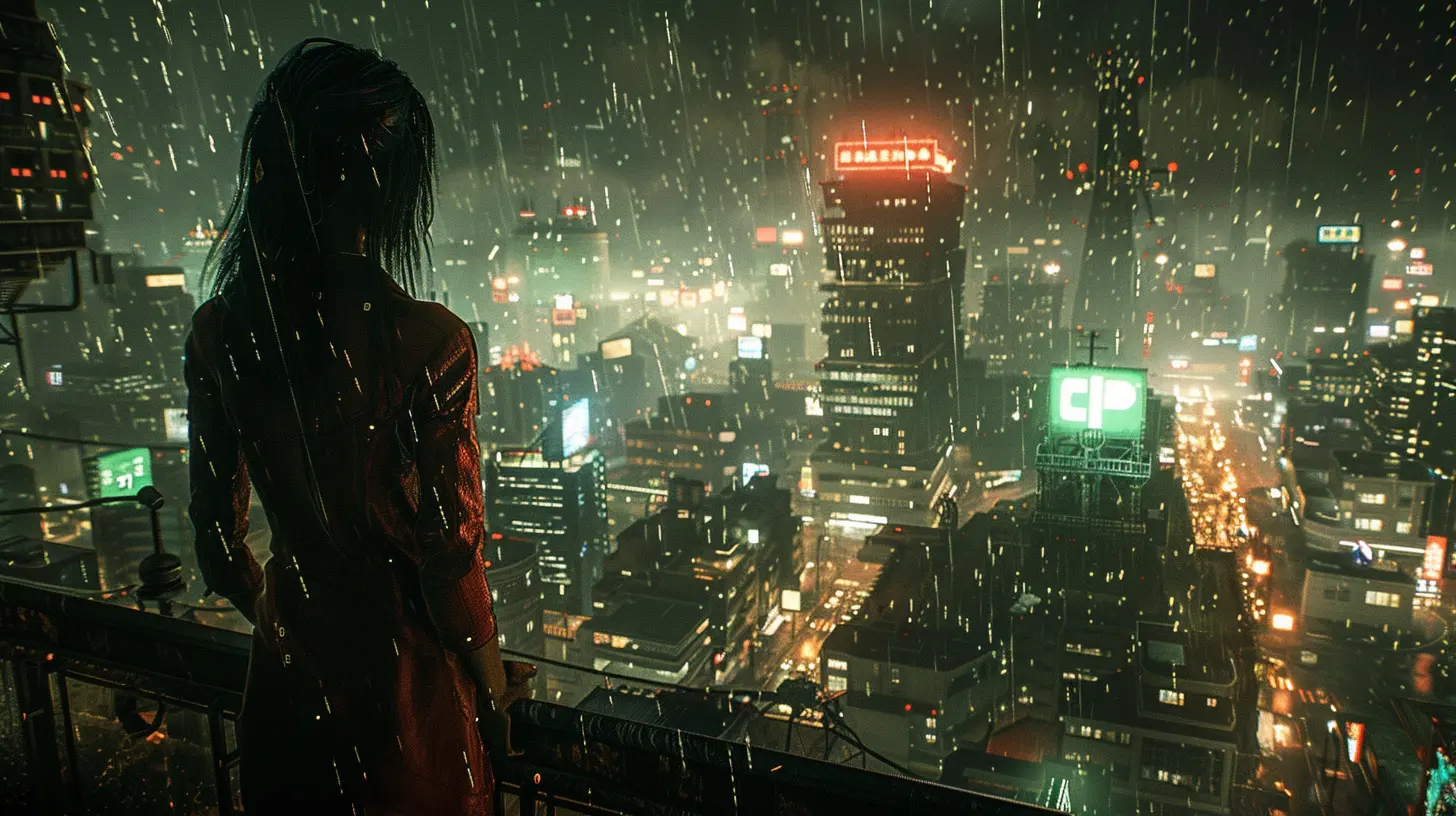
Avatars as Identities: Dressing the Digital You
Here’s where it gets kind of beautiful—philosophical even. In games, especially online ones, your avatar is you. Or at least, the version of you that you feel like showing the world.You can be a rugged gunslinger in Red Dead Online with a penchant for vintage coats. A neon-haired warrior queen in Cyberpunk 2077 in thigh-high boots. Or even a floating jellybean-shaped competitor in Fall Guys.
The point is your style sends signals, even in a virtual realm.
Fashion in games gives people the freedom to explore identities they might not get to in real life. It’s inclusive, expressive, and doesn’t care about your body type, budget, or societal expectations. It’s fashion, unfiltered.
The Rise of Virtual Fashion Houses
With the rise of NFTs and the metaverse (yes, we know the term’s been tossed around like a hot potato), fashion has moved into fully digital spaces. Entire fashion houses now exist purely online.Digital fashion designers are creating drop-dead gorgeous looks you can only wear in virtual spaces. Think holographic trench coats and dresses made of stardust.
Platforms like The Fabricant, DressX, and Tribute Brand are redefining what it means to “own” clothes. No fabric. No warehouses. Just flawless digital fits for your online persona.
It’s sustainable, futuristic, and, let’s be honest—super cool.
Influencers, Cosplayers, and Streamer Style Icons
We can’t write this without tipping our hats to the fashion-forward influencers of the gaming world. Streamers like Pokimane, Valkyrae, and Sykkuno have shown that style isn’t limited to avatars. Gamers are becoming fashion icons IRL, with brand deals, merch lines, and front-row seats at Fashion Week.Cosplayers are in a league of their own. They don’t just wear a costume—they embody entire characters. Their dedication to detail, craft, and authenticity makes them the haute couture of fandom.
Gaming is style. Online. Offline. All the time.
Fashion Influencing Game Design (And Vice Versa)
This isn’t a one-way runway. Fashion doesn’t just crash the gaming party. Gaming also influences fashion.Designers now draw from the rich, chaotic aesthetics of gaming: glitch art, cyberpunk, post-apocalyptic wear, fantasy frills, even UI overlays. Labels have sent models down runways looking like characters straight out of Skyrim or Destiny.
Weird? Maybe. Awesome? Absolutely.
And let’s not forget those nostalgic nods—T-shirts plastered with pixel art, retro game references, or limited-run sneakers inspired by Pokémon or Mario. It’s like wearing your childhood on your feet.
Gamers today aren’t shy about mixing fashion with their fandom. And the world is watching.
Virtual Events: Digital Fashion Week(s) with Pixel Pumps
Fashion shows? They’ve gone full digital too.In 2022, Decentraland hosted the first-ever Metaverse Fashion Week. Picture a virtual event where avatars sit front row, watching pixel models glide down digital catwalks, all clad in blockchain-backed designs.
Crazy? A little.
Exciting? Definitely.
These virtual events are pioneering a new era of fashion presentations. No jet lag, no seating drama—just creativity, technology, and a wild sense of possibility.
In-Game Advertising and Branded Crossovers
Let’s talk business for a sec. Brands are dropping mega cash on in-game advertising, and fashion is no exception.In NBA2K, you can walk into a virtual Adidas store. In Fortnite, you can attend a Balenciaga pop-up. These aren’t just appearances—they’re experiences. Interactive, immersive, and tailored to gamer sensibilities.
Why does this work so darn well? Because it doesn’t feel like advertising. It feels like cool world-building. Players get to engage with the brand, not just look at it. It’s storytelling, not selling.
Fashion as Progression: Level Up Your Look
You ever play a game long enough to unlock that epic piece of armor or rare outfit and think, "Yeah, I’ve earned this"? That’s fashion as a reward system.Games have nailed this loop—progress equals style. Your gear shows your grind, your wins, your status.
In Destiny 2, you don’t just want powerful weapons. You want that armor set that screams, “I survived the raid.” In MMOs, guild uniforms, rare cloaks, and anniversary skins become your hall of fame.
Just like in real life—sometimes fashion is the trophy.
Gender Fluidity and Breaking Norms
Another beautiful side of this gaming-fashion fusion? It’s shredding outdated gender norms.In games, who says a male character can’t wear a lace kimono or that a female warrior can’t rock shaved hair and heavy armor? The freedom to mix, match, and redefine style is a win for inclusion and creativity.
More games are embracing gender-neutral clothing and character creation tools that don’t limit players to binary beauty standards. That’s fashion doing what it should—opening minds, not closing doors.
So, What’s Next?
The intersection of games and fashion isn’t a passing trend. It’s a tectonic shift.We’re heading toward a future where gaming wardrobes matter just as much as real ones. Where your digital closet might be bigger than your physical one. Where virtual fashion becomes a career, an art form, a revolution.
Fashion and games? They’re not just crossing paths. They’re walking hand-in-hand, kicking down doors, and looking dang good while doing it.
Final Thoughts
Games and fashion are both about transformation. About crafting identities, telling stories, and creating unforgettable experiences. Together, they don’t just add flair—they redefine what style and self-expression mean in the digital age.So next time you’re picking your character’s outfit, take a second. Think of it as more than gear. Think of it as you. Your style. Your story. Your stage.
Because in this brave new world, every game’s a runway—and every player’s a fashion icon.
all images in this post were generated using AI tools
Category:
Game CultureAuthor:

Lana Johnson
Discussion
rate this article
1 comments
Kenzie Harmon
So, finally, video game characters are being judged on their outfits. Because, you know, saving the world from evil villains is one thing, but looking fabulous while doing it? Now that's the real challenge... Talk about priorities!
June 21, 2026 at 5:06 AM
Lana Johnson
It's true-style has become just as important as skills in gaming. After all, saving the world can look good too!