The Influence of Japanese Culture on Western Gaming
15 March 2026
When you think of video games, one of the first places that might pop into your head is Japan. And honestly, for good reason. Japan didn't just hop on the gaming bandwagon—they helped build it from the ground up. From pixelated plumbers to deep, emotional RPGs, Japanese culture has shaped how we play games in the West more than most people realize.
So, what is it about Japanese culture that resonates so deeply with Western gamers? And how have Japanese developers left such a massive footprint on the global gaming landscape? Grab your favorite game controller, sit back, and let’s take a journey into the beautiful collision between East and West in the gaming world.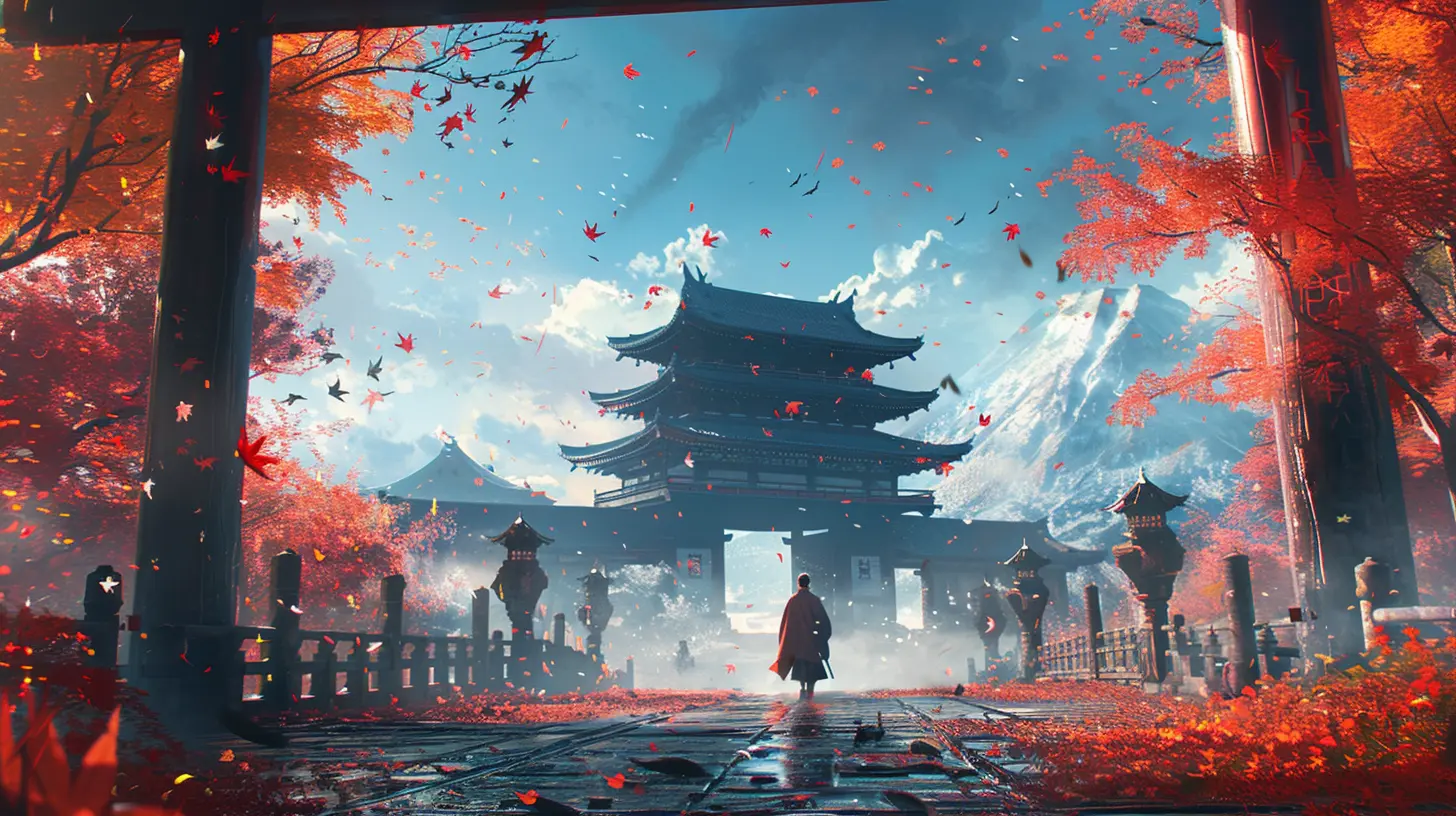
A Quick Look Back: The Golden Age of Japanese Gaming
Let’s rewind a bit to the late '70s and early '80s. This was when Japanese companies like Nintendo, Sega, and Namco began introducing the world to games we still talk about today—think Donkey Kong, Pac-Man, and Space Invaders. These weren't just successful games. They were cultural juggernauts that changed how the world viewed video games.Back then, Japanese games had a distinct flavor. There was a sense of whimsy, creativity, and storytelling that set them apart. They weren’t just focused on high scores; they wanted to take players on adventures. While Western games at the time were often simplistic or heavily focused on violence and realism, Japanese games offered something different—a blend of fantasy, emotion, and playful curiosity that stood out.
Character-Driven Stories: The Heart of Japanese Influence
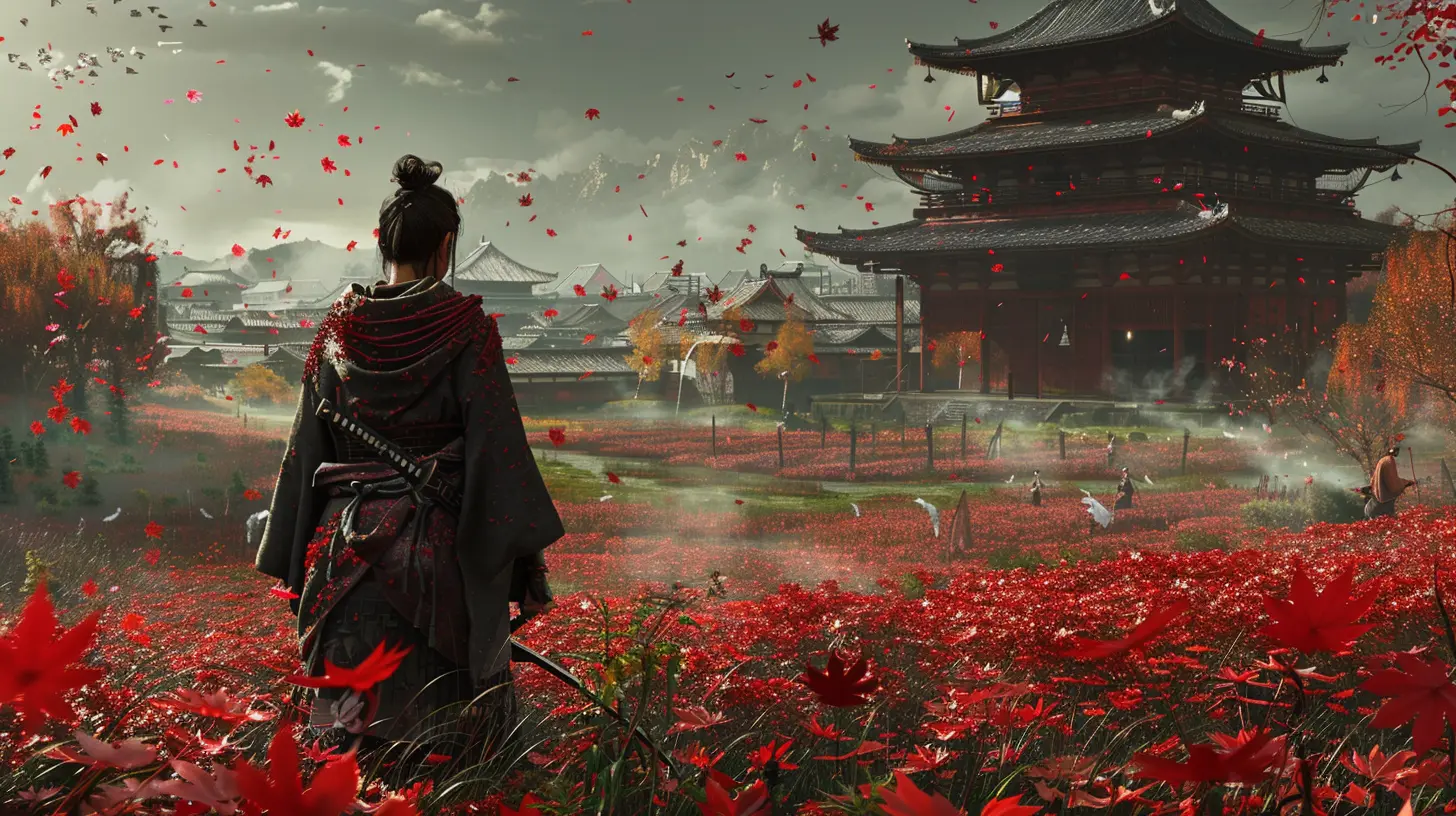
Ever notice how many classic Western games now have deep, emotional storylines and unforgettable characters? You can thank Japan for that.Take Final Fantasy, for example. When it first launched in 1987, Western gamers weren’t used to such story-rich experiences. It wasn’t just about fighting monsters—it was about saving worlds, forming bonds, and facing emotional struggles. That shift toward narrative storytelling inspired countless Western developers to start thinking beyond just gameplay mechanics.
Games like The Legend of Zelda also played a huge role. With its open-world design, puzzles, and mystery, it laid the groundwork for modern-day RPGs and adventure games. Western developers took notes—and lots of them.
Now think about Mass Effect or The Witcher. Sure, they’re Western titles, but that blend of storytelling, character arcs, and emotional investment? That’s got Japanese influence written all over it.
Eastern Aesthetics in Western Worlds
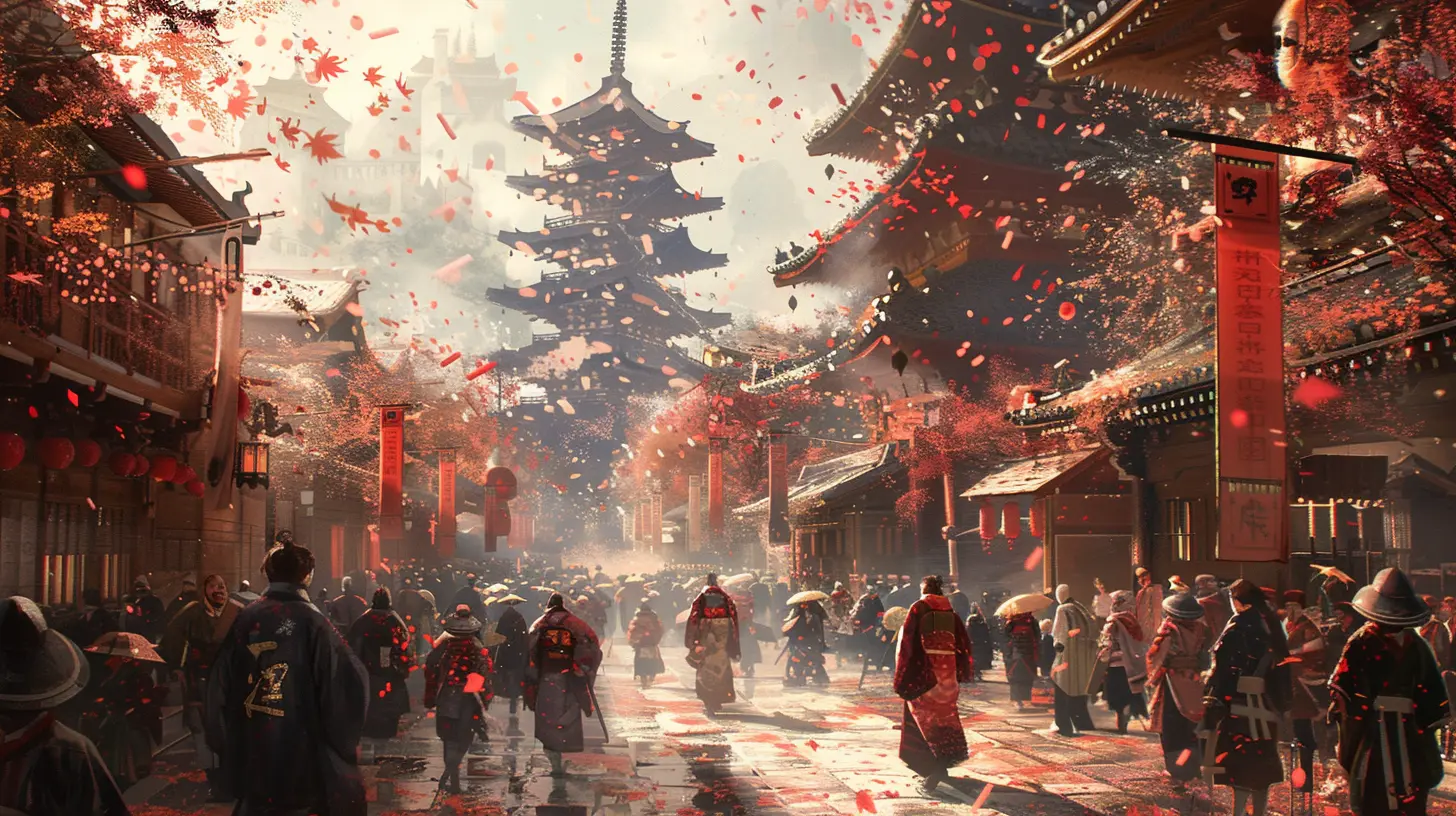
Let’s talk visuals. Japanese aesthetics are deeply rooted in concepts like wabi-sabi (beauty in imperfection) and mono no aware (a sensitivity to ephemera). Even if you’ve never heard those terms, you’ve probably felt their presence in games.Think of the serene beauty of Okami, the cel-shaded elegance of The Legend of Zelda: Wind Waker, or the futuristic yet minimalist world of Shadow of the Colossus. These games have an almost poetic visual style—soft lines, symbolic imagery, and environments that feel alive.
Western developers, once hyper-focused on realism, started to borrow from this artistic approach. Look at indie hits like Journey or Ori and the Blind Forest. They pull directly from the Japanese playbook of blending emotion with visual storytelling.
From Anime to Game Mechanics
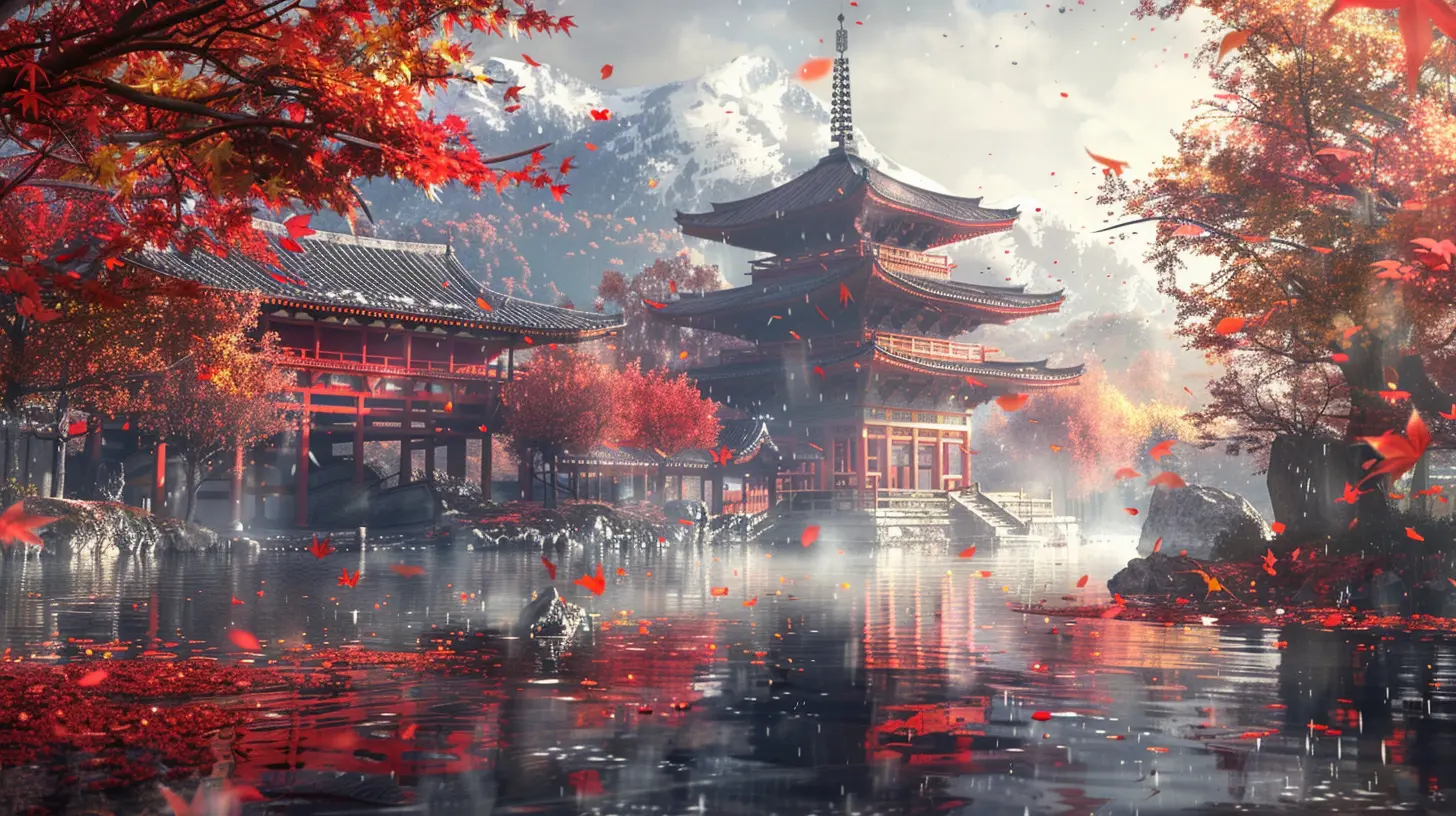
Anime is a cornerstone of Japanese culture, and it’s no surprise it found its way into Western gaming. But it’s not just about visuals—it’s about themes, too.Games like Persona 5 have introduced Western audiences to the slice-of-life-meets-fantasy genre, something common in Japanese media. The idea that your character can go to school during the day and fight demonic forces at night? Pure anime gold.
Now we’re starting to see Western games take inspiration from those same tropes. Look at Life is Strange. It might not yell “anime” at first glance, but its focus on relationships, personal growth, and branching storylines has echoes of Japanese storytelling all over it.
Even combat mechanics in Western games have been influenced. Dark Souls, while made in Japan, became a global phenomenon and sparked a whole new genre of “soulslike” games made by Western devs. That punishing difficulty, methodical pace, and cryptic lore? It’s become a blueprint for many Western studios looking to challenge their players in new ways.
Cultural Themes: Honor, Duty, and Spirituality
Japanese culture often centers around concepts like honor, sacrifice, and spiritual balance. These themes pop up in games again and again—and Western developers have started weaving them into their own narratives.Ghost of Tsushima, for example, is a Western-developed game by Sucker Punch, but it’s so deeply rooted in Japanese culture that it almost feels like a tribute. From the samurai code to the way nature is integrated into gameplay, it showcases how Japanese values and visuals can elevate a Western title.
And it’s not just samurai tales. Even Western-developed fantasy games have adopted Eastern philosophies. Think about Sekiro: Shadows Die Twice. While it’s a Japanese game, its influence inspired Western action titles to slow down, focus on precision, and explore themes of resilience and redemption.
The Music That Moves Us
Music is one of those things that often goes unnoticed until it hits you. Japanese games have some of the most iconic soundtracks of all time—Final Fantasy, Chrono Trigger, Castlevania—these scores aren’t just background noise; they’re emotional powerhouses that drive the narrative forward.Western developers took note. Now, more than ever, you’ll find Western games putting an emphasis on orchestral scores, atmospheric sounds, and emotionally driven music. Whether it’s the melancholic piano from Nier: Automata or the swelling themes in God of War, the emotional storytelling through music has become a shared language between East and West.
How Western Developers Tip Their Hats to Japan
There’s a lot of mutual respect in the gaming world. Western developers aren’t shy about giving props to their Japanese counterparts—or outright emulating them.Games like Shovel Knight are love letters to the 8-bit and 16-bit era of Japanese gaming. Hollow Knight, while distinctly Western, draws inspiration from Metroid and Castlevania. Even Cuphead with all its 1930s aesthetic took inspiration from the "boss rush" mechanics seen in many Japanese arcade titles.
And this isn’t a one-way street. Japanese developers also adapt Western elements—we’ll get into that another day—but the mutual admiration has helped global games grow in amazing ways.
Japanese Culture's Impact on Modern Game Design
More than anything, Japanese culture introduced a new way of thinking about games. It’s not just about winning or losing—it’s about the journey, the story, the art, and the feeling it leaves you with.Games are now viewed as a form of expression, not just entertainment. Western developers are beginning to embrace that philosophy, creating games that make you feel something beyond just a rush of adrenaline.
Whether it’s a beautifully animated cutscene, a soundtrack that hits you in the feels, or a story that sticks with you long after the credits roll—those are elements rooted in Japanese gaming DNA.
Why It Matters: A Blended Future
So why does all this matter? Because gaming isn’t just evolving—it’s blending. Cultures are crossing borders, ideas are being shared, and players are better for it.The influence of Japanese culture on Western gaming represents something bigger than just aesthetics or mechanics. It’s a sign of how art, regardless of where it comes from, can inspire and connect us.
As we look ahead, expect this blending to continue. With more global collaboration and cultural appreciation, the next generation of games will reflect a world that’s more connected, more inspired, and more creative than ever.
Final Thoughts
At the end of the day, gaming is a shared passion that knows no borders. Japanese culture has sprinkled its unique magic onto the Western gaming scene in ways that are both obvious and subtle. Whether through storytelling, aesthetics, themes, or mechanics, its influence is undeniable—and honestly, incredibly welcomed.So the next time you dive into a Western game and feel like there’s just something a little extra special there, you might just be feeling the lingering spirit of Japan smiling back at you.
all images in this post were generated using AI tools
Category:
Game CultureAuthor:

Lana Johnson
Discussion
rate this article
2 comments
Max Oliver
Japanese culture in Western gaming: where sushi meets side quests and emotional depth is as common as mushrooms in Mario!" 🍣🎮
March 22, 2026 at 6:02 PM
Lana Johnson
Absolutely! Japanese culture has profoundly enriched Western gaming, blending unique aesthetics and storytelling with gameplay mechanics, resulting in immersive experiences that resonate across cultures. 🍣🎮
Maura Wolf
Japanese culture revolutionized Western gaming—embrace it or get left behind!
March 18, 2026 at 4:17 AM
Lana Johnson
Absolutely, Japanese culture has profoundly shaped Western gaming, pushing innovation and creativity. Embracing this influence is key to staying relevant in the ever-evolving gaming landscape.