The Influence of Gaming Icons on Global Branding
11 May 2026
Gaming isn’t just a pastime anymore—it’s a cultural powerhouse. What started in the arcades and basements of the '80s has morphed into a multi-billion-dollar industry that influences everything from entertainment and technology to fashion and branding. At the heart of this phenomenon are the gaming icons—those larger-than-life digital characters who've transcended their pixels to become global brands.
Think about it—when someone says “Mario,” do you think of plumbing or Nintendo? Exactly. That’s the kind of branding magic we’re diving into today.
So, how exactly have gaming icons managed to shape global branding strategies across industries? Grab your controller (or coffee), because we’re about to hit Start.
What Makes a Gaming Icon?
Before we dive into global impact, let’s talk about what makes a gaming character iconic.A gaming icon isn't just any playable character. They’ve got to check a few crucial boxes:
- Recognizability: You know them instantly by their appearance, voice, or catchphrase.
- Longevity: They've been around long enough to stick in our cultural memory.
- Emotional Connection: They spark some kind of nostalgic or emotional reaction.
- Cross-Media Exposure: From games to movies to merch—these characters are everywhere.
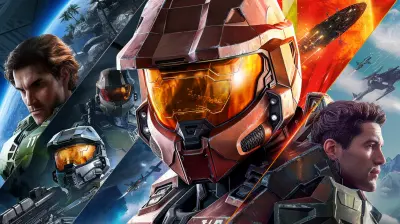
Characters like Mario, Pikachu, Master Chief, Lara Croft, and Kratos didn’t become famous by accident. They were crafted, evolved, and marketed smartly over time. And in doing so, they’ve become branding juggernauts.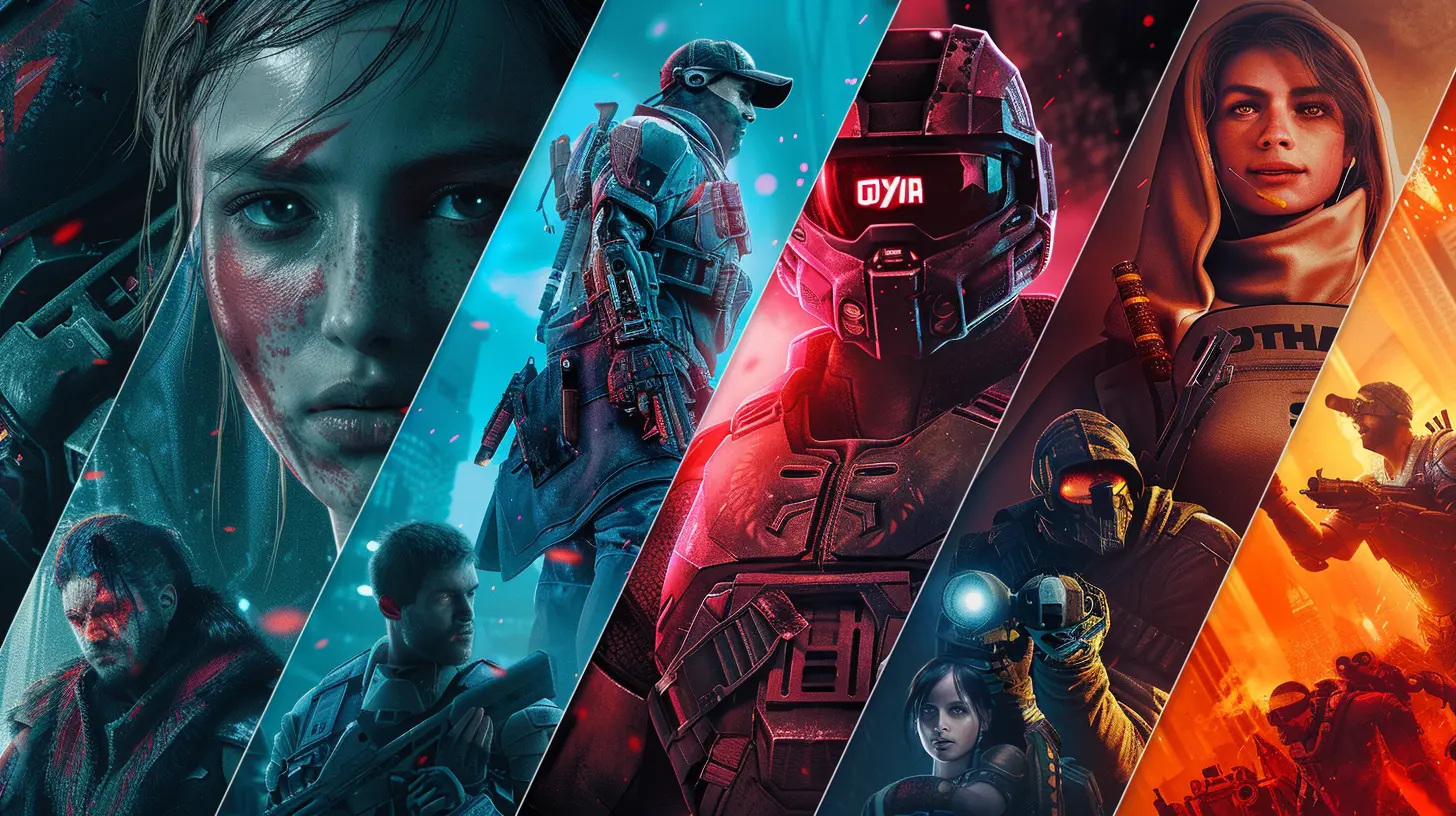
The Power of Visual Identity
It all starts with the look.Gaming icons have distinct visual identities that set them apart. Mario’s red cap and mustache? Instantly recognizable. Sonic’s electric blue spikes? No mistaking that. These visuals become symbols—logos in their own right.
Brands live or die by their visual identity. Ask Nike—without that swoosh, it’s just another sportswear company. In the same way, gaming franchises have leaned into visual consistency to build trust and recognition across the globe.
Companies outside gaming have noticed this and learned a thing or two. You’ll now see characters like Mario or Pikachu featured in international ad campaigns, product collaborations, even high fashion. Why? Because their image alone can evoke joy, familiarity, and fun—things every brand dreams of doing.
From Consoles to Catwalks: The Fashion Crossovers
Let’s talk fashion—gaming’s new playground.In recent years, brands like Gucci, Louis Vuitton, and Adidas have collaborated with gaming giants. Remember when Louis Vuitton produced in-game outfits for characters in League of Legends? Yeah, that actually happened.
Why the sudden love affair?
Gaming icons resonate with Gen Z and Millennials—two generations that are deeply into both gaming and fashion. By partnering with recognizable characters, fashion brands tap into new fanbases and inject relevance into their image.
Even better, it’s a two-way street. For gaming icons, these collabs extend their cultural reach way beyond consoles and PCs. They become lifestyle symbols.
Merchandising Madness: Gaming Icons as Products
The merchandising potential of gaming characters is off-the-charts. From action figures, plush toys, and clothing to snacks, tech gear, and even theme parks—the possibilities are endless.Take Pikachu, for example. This electric yellow fluffball is a master of merchandise. He’s on everything from lunchboxes to life-size pillows, and people buy them by the millions.
Gaming companies know that selling games isn't enough—the real money is often in the merchandise. And brands outside the gaming world? They're watching and learning. Partnering with gaming icons allows them to produce limited edition products that fly off the shelves faster than a blue shell in Mario Kart.
Influencing Advertising Strategies
Remember when TV commercials were king? Well, advertising has evolved, and gaming has helped reinvent the way brands communicate.Gaming icons are now the stars of commercials for cars, chips, energy drinks, and even insurance. It’s not weird to see Master Chief promoting a new truck or Lara Croft in a perfume ad. Sounds wild, right? But it works.
Why? Because these characters bridge the gap between fantasy and reality. They bring a sense of fun, familiarity, and cool factor that resonates deeply with fans.
Even better, they work across demographics. Kids love them, adults remember them, and everyone recognizes them.
Streaming, Influencers, and Digital Engagement
Let’s not forget how streaming culture and influencer marketing have given gaming icons an even bigger platform.Streamers playing games like Fortnite, Minecraft, or Call of Duty often showcase or reference characters who are already part of pop culture. These appearances act like free advertisements. Social media multiplies this exposure tenfold.
Gaming companies have leaned in. They release iconic skins or character crossovers that go viral overnight. Think Kratos in Fortnite or Ryu from Street Fighter popping up unexpectedly.
This kind of exposure is gold for brand visibility. Companies looking to advertise in the digital age are taking notes…and joining the party.
Gaming Icons as Cultural Ambassadors
Sometimes a character doesn't just promote a brand—they become the brand.Take Mario again. He’s not just a Nintendo character; he’s a cultural ambassador. When Nintendo opens theme parks, guess who’s on the front banner? When they release consoles, who’s the star of the ad? Mario. Every time.
Gaming icons become representatives for their parent brands, much like Ronald McDonald for McDonald's or Mickey Mouse for Disney.
It’s no surprise that companies use these characters to represent their values—fun, adventure, challenge, creativity. These traits get absorbed into the brand identity itself.
The Global Reach: Crossing Borders and Cultures
Here’s the kicker—gaming icons are one of the few forms of media that can cross borders with almost no translation.A character like Link from Zelda doesn’t need to speak your language for you to understand his mission. His look, his actions, and his world communicate universally. That’s a branding dream.
This universality allows companies to use gaming icons in global campaigns without losing meaning or impact. A single image of Kirby smiling? That can work in Tokyo, Toronto, or Tunisia.
Brands crave this kind of reach. And they’re lining up to collaborate with gaming companies that can provide it.
Emotional Attachment: Nostalgia is Powerful
Brands have always tried to build loyalty, and gaming offers a unique tool to do that—nostalgia.Everyone remembers the first game they played. Maybe it was Pokemon Red, Halo, or Tomb Raider. That emotional connection? It stays strong for decades. It’s like that warm fuzzy feeling you get when revisiting your childhood neighborhood.
These emotional ties are priceless. When brands partner with gaming icons, they’re essentially renting out that nostalgia and bonding. And it works.
The Future: What’s Next for Gaming Icons and Branding?
So what lies ahead?As metaverses grow, and augmented reality becomes more mainstream, gaming characters are likely to become even more involved in our daily lives. Imagine buying clothes that your digital avatar, dressed like Lara Croft, can wear in both virtual and real worlds. We're not that far off.
We’re already seeing gaming characters as virtual influencers—just look at AI-powered VTubers and in-game concerts featuring characters. The line between entertainment and brand representation is getting blurrier by the second.
Brands that adapt and jump into these new worlds with gaming icons by their side? They’ll be the ones leading the charge.
Conclusion: More Than Just Characters
Gaming icons aren’t just digital characters—they’re cultural touchstones, emotional triggers, and branding machines rolled into one. They’ve reshaped how we view marketing, fashion, merchandise, and even storytelling.For businesses, they’re not just mascots—they’re powerful brand assets with the potential to connect across continents, cultures, and generations. For fans, they’re friends, heroes, and symbols of joy.
So next time you see Mario on your cereal box or Sonic on your sneakers, remember—this isn’t just nostalgia. It’s strategic, emotional, and genius branding at work.
Game on.
all images in this post were generated using AI tools
Category:
Game CultureAuthor:

Lana Johnson
Discussion
rate this article
2 comments
Lennox Kane
Gaming icons have reshaped branding in profound ways, turning characters into cultural symbols. It's fascinating how figures like Mario and Master Chief have transcended games to become recognizable worldwide, influencing everything from marketing strategies to consumer loyalty. The impact is undeniable.
July 20, 2026 at 2:38 PM
George Foster
Gaming icons have reshaped global branding, creating unique connections between gamers and brands that go beyond products.
May 15, 2026 at 3:25 AM
Lana Johnson
Absolutely. Gaming icons have transformed how brands engage with audiences, fostering deep emotional ties that extend well beyond mere transactions.