The Impact of Realistic Water Physics in Immersive Simulations
22 March 2026
Ever paused mid-game to admire the water in a lake? Maybe you tossed a virtual rock just to watch the ripples spread? You're not alone—and no, you're not weird. Water in video games has come a long way, and it's no longer just a background filler. We're talking about water that moves, reacts, and dances like the real deal. In immersive simulations, realistic water physics can take things from “meh” to “whoa” real quick.
So let’s dive right into it (pun 100% intended) and see how realistic water physics are making waves in the gaming world and why they matter so much in immersive experiences.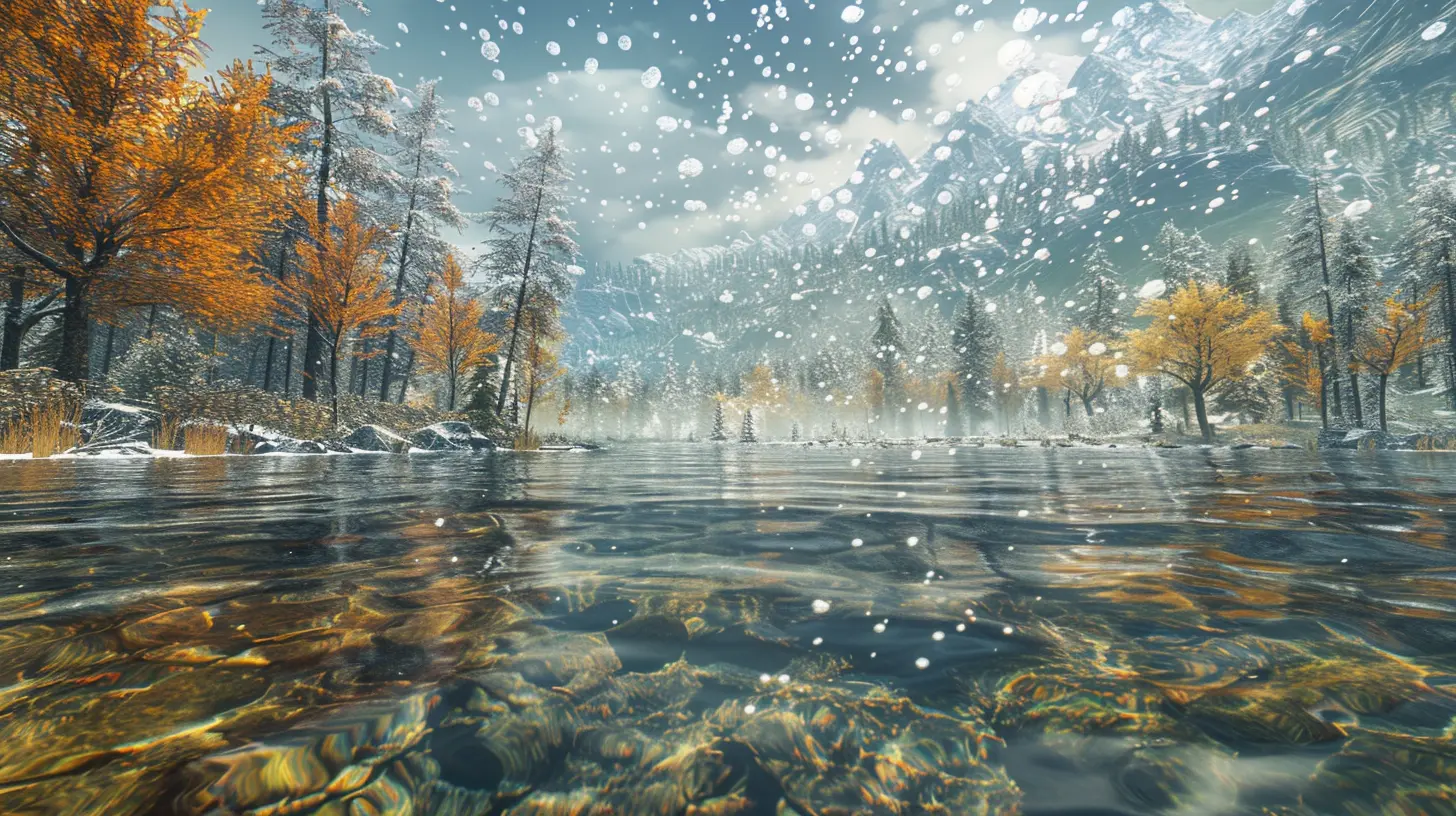
Why Water Physics Matter More Than You Think
Okay, so here's the thing. Water has this weird reputation in games—one moment, it’s a static texture slapped onto a surface, and the next, it's an interactive element that affects gameplay, strategy, and immersion. Think about how many games involve oceans, rivers, or rainy environments. Now imagine them with janky, fake-looking water. Total vibe killer, right?That’s where realistic water physics come in. They're not just about making things look good—they actually change how we feel and interact within digital worlds.
Adds Depth to the Visual Experience
Let’s be honest, your brain knows when something looks off. If you're walking alongside a river that doesn't ripple or reflect correctly, it’s like watching a movie with bad CGI. Water that behaves like real water—complete with reflections, waves, and fluid dynamics—grounds you in the world. It bridges the gap between fantasy and believable immersion.Enhances Gameplay Mechanics
Realistic water isn’t just eye candy; it’s a gameplay element. Picture a stealth mission where you swim beneath the surface, hiding in murky water. Or a survival game where the current actually affects your boat’s navigation. These aren't just scenarios—they're experiences enhanced (or even made possible) by advanced water physics.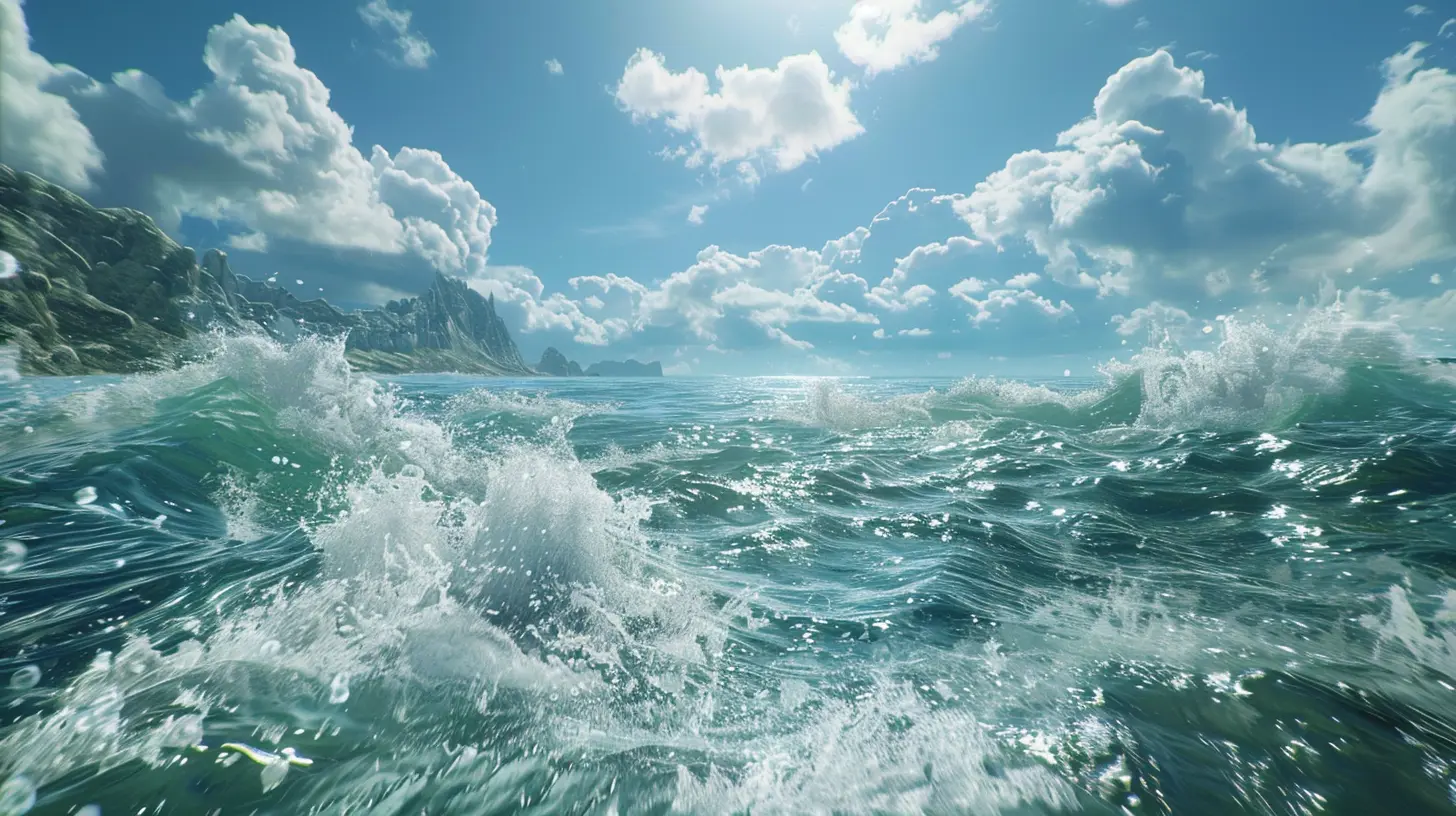
The Tech Behind the Magic: How Water Physics Works
Now, you might be wondering—how do game devs even make water look so... watery? Great question!Fluid Simulation
It starts with something called fluid simulation. Basically, this is the math-y part where developers tell the game engine how liquids should behave. It accounts for gravity, pressure, flow, and a bunch of other nerdy terms. The result? Water that splashes, flows, and reacts to objects in its environment (like a character jumping in or a rock being tossed).Shader Technology
Next up, shaders. These bad boys are like digital makeup artists. They control how water looks—transparency, color, reflection, and refraction. Ever noticed how water changes color with depth or shows ripples when touched? That’s shader wizardry at work.Real-Time Physics Engines
Games like Battlefield V, Sea of Thieves, and Red Dead Redemption 2 all use advanced physics engines to simulate water that feels alive. We're talking about real-time interaction, where the water doesn't follow a script—it reacts dynamically to the environment and action.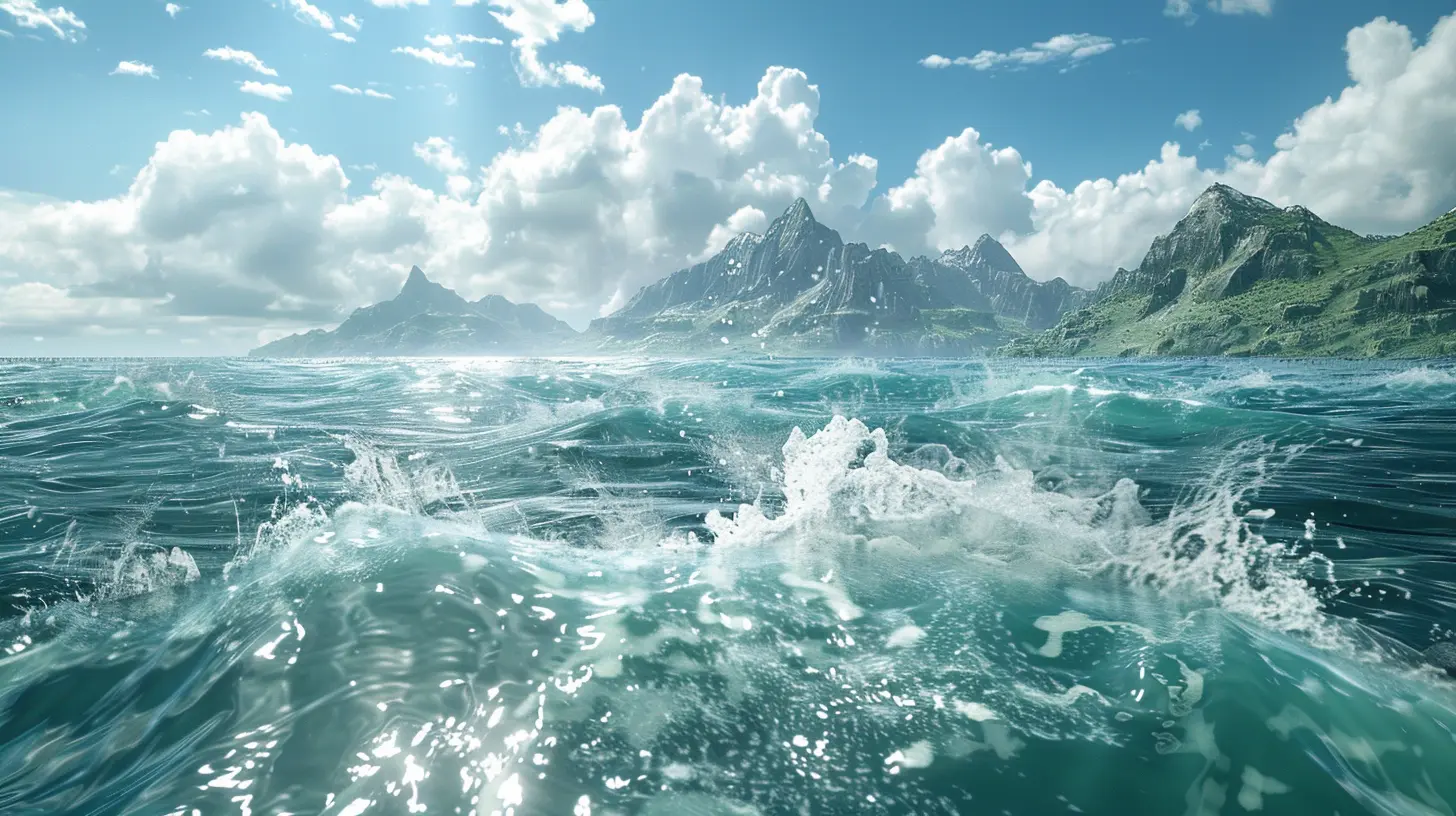
How Realistic Water Physics Redefine Immersion
So, what does all this tech mumbo jumbo mean for us—the players? It means better immersion. When water behaves like it does in real life, your brain forgets it’s playing a game and starts treating the experience like reality.Emotional Engagement
Let’s think about atmosphere for a sec. A thunderstorm rolling in with crashing waves and rising tides can send shivers down your spine. Why? Because it taps into your emotional memory of real-world experiences. Those tiny ripples and subtle reflections aren’t just visuals—they’re emotional anchors.Sensory Realism
Ever noticed how games with great water physics almost make you feel wet just looking at the screen? That’s sensory realism. It’s what makes you squint in the sunlight reflecting off waves or tense up as your raft teeters on rapids. Realistic water engages your senses, pulling you deeper into the digital universe.Environmental Storytelling
Water tells stories too. Think of an abandoned town half-flooded with murky water and algae. That water speaks volumes without a single line of dialogue. Or imagine footprints in wet sand that gradually get washed away. Details like these make the virtual world feel alive and ever-changing.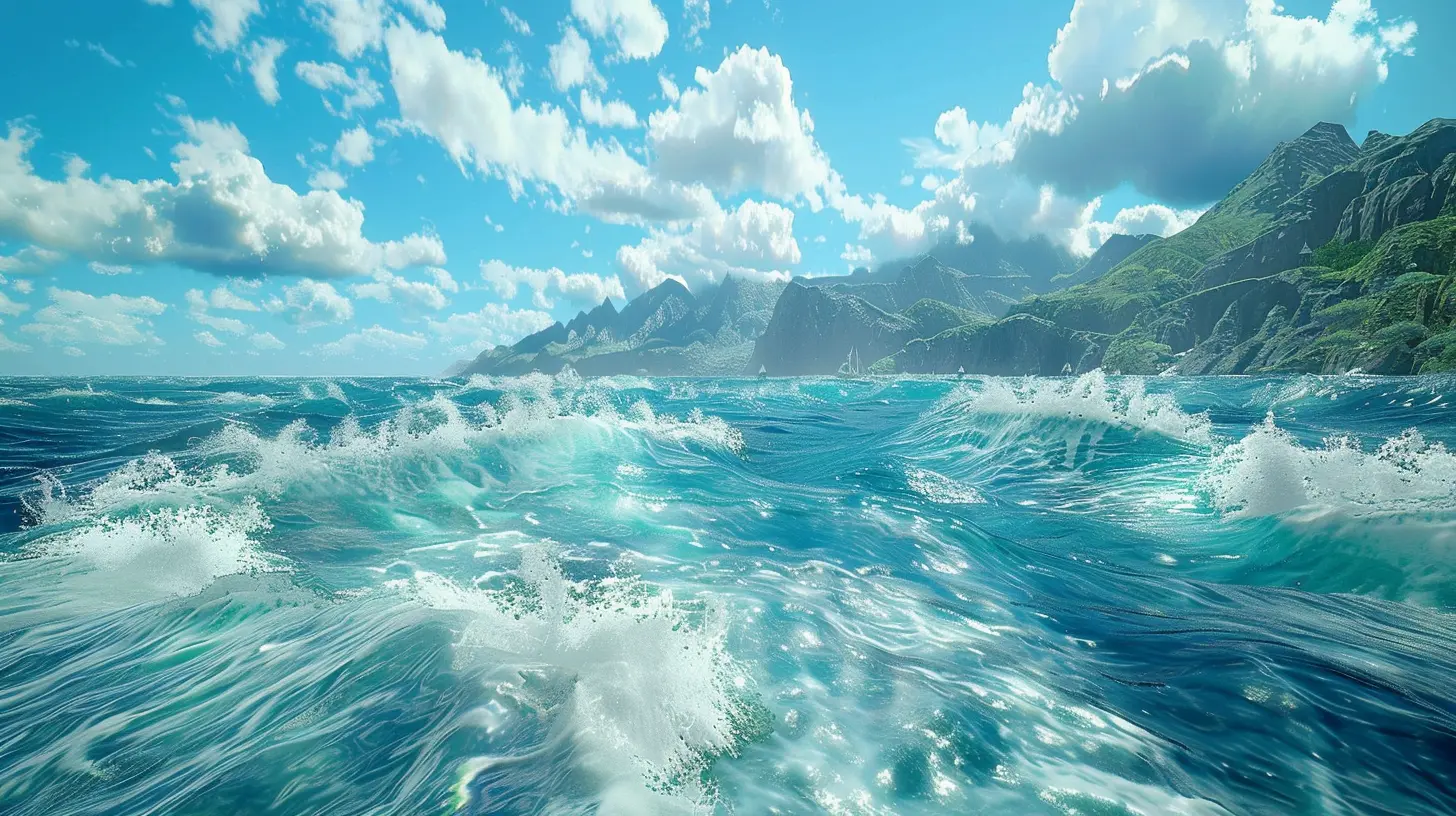
Games That Got Water Physics Just Right
Some games have totally raised the bar when it comes to water physics. Let’s spotlight a few that have absolutely nailed it.Sea of Thieves
This pirate-themed adventure is practically a love letter to ocean physics. The waves not only look stunning—they impact gameplay. Your ship rocks with the tide, storms create monster swells, and you can even get thrown into the briny deep if you're not careful.Red Dead Redemption 2
Water in RDR2 isn’t just pretty—it’s smart. Wade through a stream, and you’ll feel the resistance. Dive underwater, and bubbles will escape as your character exhales. It’s small details like these that build up a truly believable world.The Legend of Zelda: Breath of the Wild
Water here isn’t just for show—you can freeze it, swim in it, fish in it, or use it as part of a puzzle. It blends creativity and physics beautifully, encouraging experimentation in how you interact with it.Future of Water Physics in Gaming
So where do we go from here? If we’re already seeing water that looks like it belongs in a BBC nature doc, what’s next?AI-Assisted Fluid Dynamics
Yup, AI is getting its feet wet too. Developers are starting to use machine learning to predict and simulate even more complex fluid dynamics, allowing for ultra-realistic interaction without melting your graphics card.VR and AR Applications
In Virtual Reality, realistic water takes immersion to the next level. Imagine feeling the resistance of waves in a VR kayaking game, or using augmented reality to simulate rising floodwaters in an educational simulation. The potential is massive.Cloud-Based Rendering
As streaming tech improves, we might soon see photorealistic water physics rendered in the cloud and streamed to your game in real time. No downloads, no lag, just breathtaking realism.Realistic Water Physics Beyond Gaming
Believe it or not, these watery marvels aren’t just for gamers. Industries like military training, environmental simulations, and architecture are diving into realistic water physics too.Military & Rescue Training Simulations
Realistic water behavior helps simulate conditions for training scenarios. From helicopter water rescues to flood response training, water physics play a vital role in creating safe but effective learning environments.Climate and Flood Modeling
Simulations with high-end water physics help scientists and urban planners predict flooding, test drainage systems, and prepare for extreme weather. Same tech—different stakes.So, Why Should We Care?
Because the line between games and reality is blurring—and water is a big reason why.Every splash, ripple, and wave you see in a game can transport you into that world. It’s what turns a good simulation into an unforgettable one. Whether you're navigating stormy seas or watching rain trickle down your windshield, it's the water that often sells the whole experience.
So next time you’re playing and you find yourself mesmerized by the way a waterfall flows or how your character’s reflection dances across a lake, take a moment to appreciate the science, art, and sheer passion that made it possible.
And maybe, just maybe, toss a virtual rock into the ripples—just because you can.
Final Thoughts
Water is more than just a visual feature in immersive simulations—it’s a catalyst for emotional depth, sensory realism, and deeper engagement. Realistic water physics have evolved from basic reflections to complex systems that simulate real-world fluid dynamics. As technology continues to advance, so will the incredible ways we experience water in games and beyond. One thing’s for sure: the future of virtual water looks... pretty damn fluid.all images in this post were generated using AI tools
Category:
Realism In GamesAuthor:

Lana Johnson
Discussion
rate this article
2 comments
Serenity Montgomery
Great article! The way realistic water physics enhances immersion is fascinating. It not only elevates gameplay but also deepens our connection to virtual worlds. Excited to see how this evolves in future games!
March 26, 2026 at 5:34 AM
Lana Johnson
Thanks for your thoughts! I'm glad you found the topic engaging. Realistic water physics really does transform our experiences in gaming. Exciting times ahead!
Sandra Patterson
Water physics: making splashes and gamers' dreams come true!
March 24, 2026 at 3:29 AM