The Cultural Legacy of Arcade Gaming
18 April 2026
Remember that familiar neon glow, the mix of chiptune music and button clicks, the competitive tension as you waited in line with a pocket full of quarters? That was the arcade — a place where pixels, high scores, and joystick mastery shaped a generation. Arcade gaming wasn’t just about entertainment. It was a full-blown cultural movement, one that laid the groundwork for today's global gaming industry.
In this deep dive, we’re time-traveling through the golden age of arcade cabinets, looking at how this electrifying scene left behind a cultural legacy that still echoes in modern gaming, music, movies, and everyday life.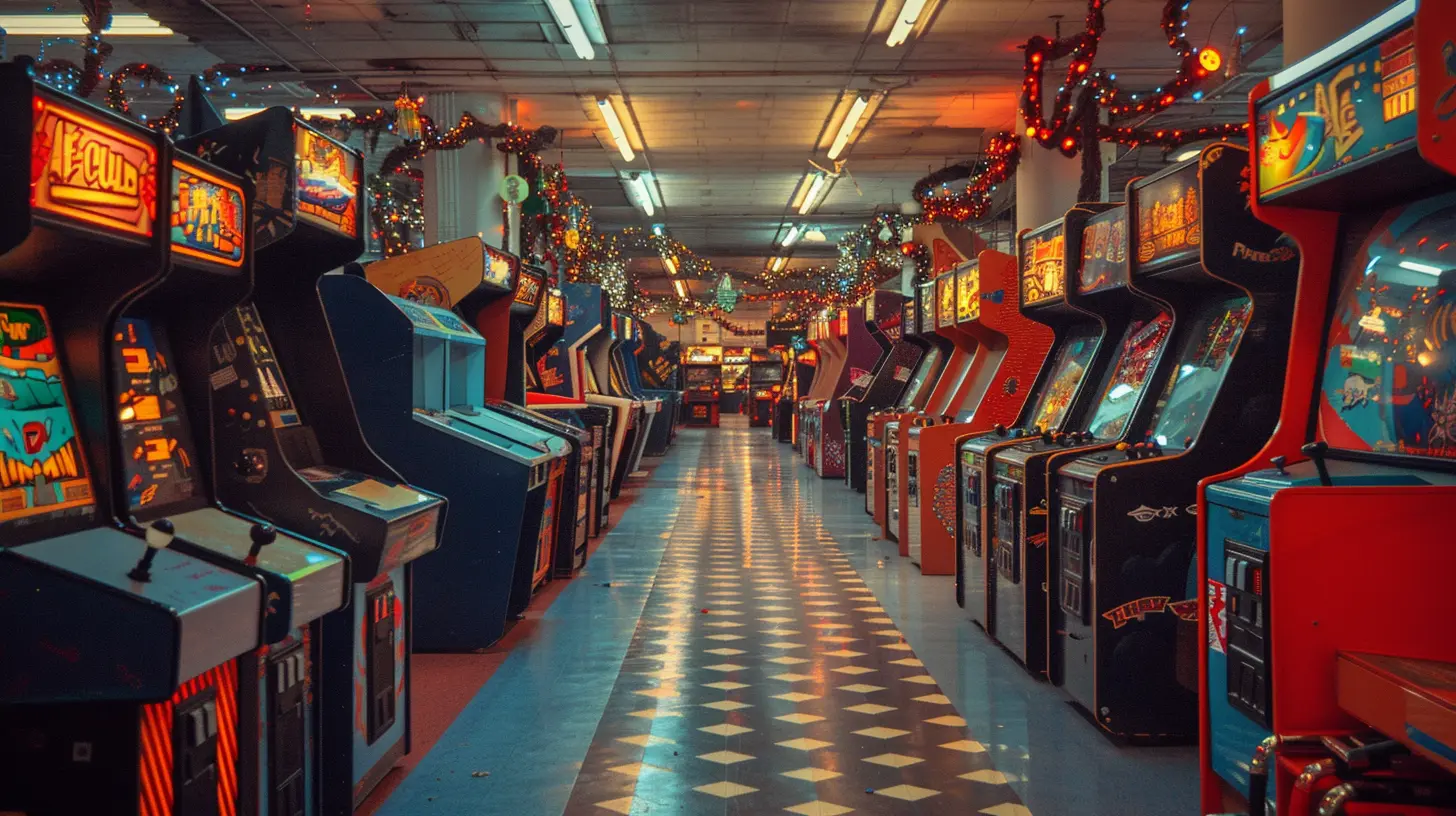
The Golden Age: How It All Began
Let’s rewind to the late ’70s and early ’80s.Before consoles entered our living rooms, before mobile games gobbled up our screen time, arcades were the epicenter of gaming culture. This period, often called the “Golden Age of Arcade Games,” saw the birth of legendary titles like Space Invaders, Pac-Man, Donkey Kong, and Galaga. These weren’t just games; they were events. Social phenomena.
In a world before the internet, arcades became social hubs. You’d meet friends there, challenge strangers, and try to topple the high score board — kind of like a digital version of gladiator battles but with flashing lights and 8-bit graphics.
Those big, colorful arcade cabinets weren’t just machines — they were portals. They whisked you into space battles, haunted mansions, and pixelated jungles with just one coin. And let’s be real — who didn’t feel like a rockstar just for clearing the first level of Contra?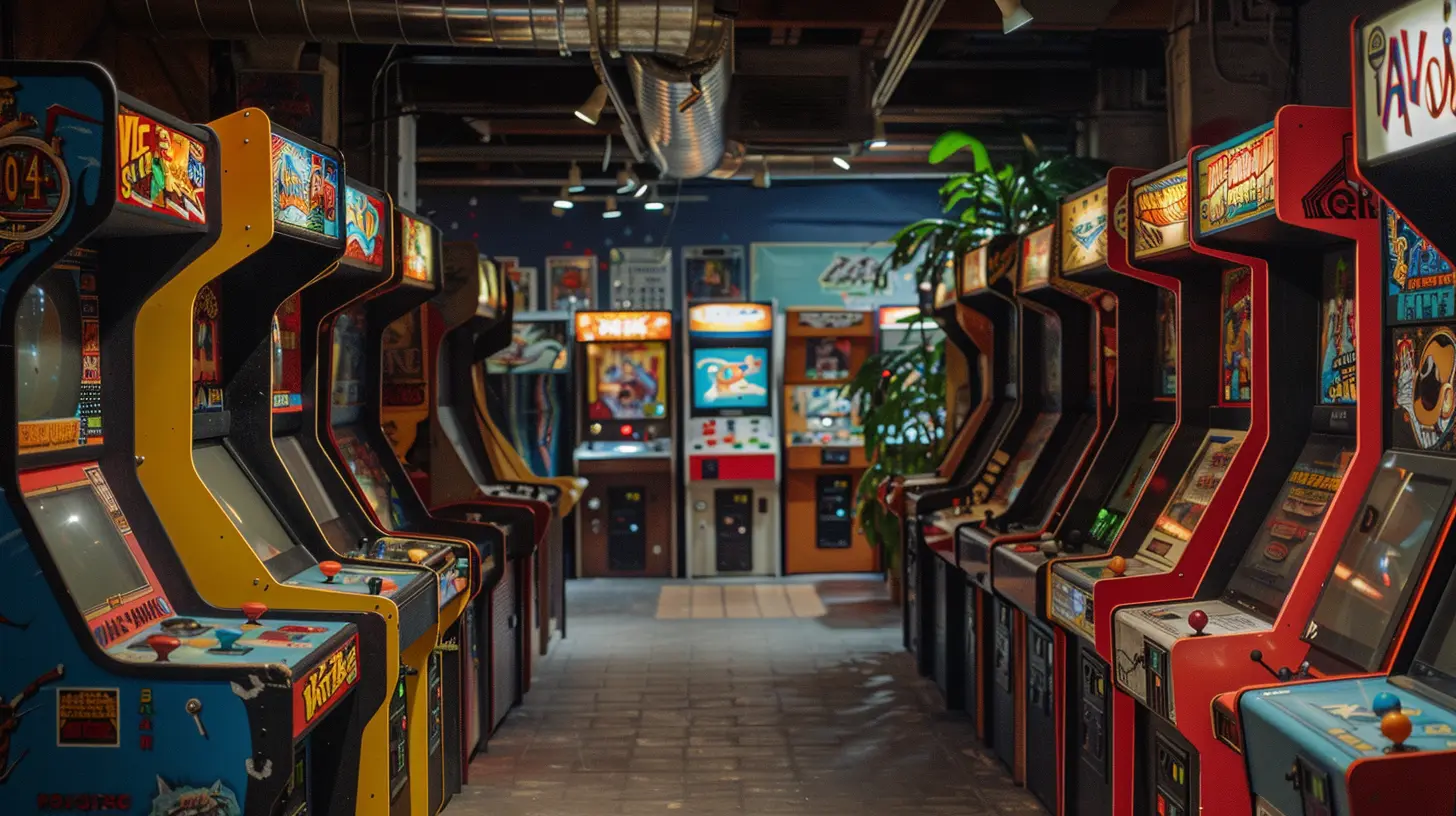
Arcades As a Social Playground
Now here’s where things get personal — and cultural.Arcades weren’t about solo play. Sure, you could go it alone, but the real magic happened side by side, joystick to joystick, pushing the limits against a friend (or a complete stranger).
Whether it was co-oping in Double Dragon or trash-talking in Street Fighter II, arcades gave us a sense of community. They were loud, messy, and full of energy — a place where teens congregated, friendships were forged, and rivalries were born. It wasn’t just about gaming — it was about belonging.
And let’s not forget the unwritten rule: if someone placed a quarter on the cabinet, that meant they were next. No arguments, no exceptions. That single quarter was a social contract, a nod of respect, a challenge issued under the unspoken laws of the arcade.
Sound familiar? That’s because modern online gaming communities operate on similar dynamics — online chat, leaderboards, team matches. The DNA of community-driven gaming started in those neon-lit temples of fun.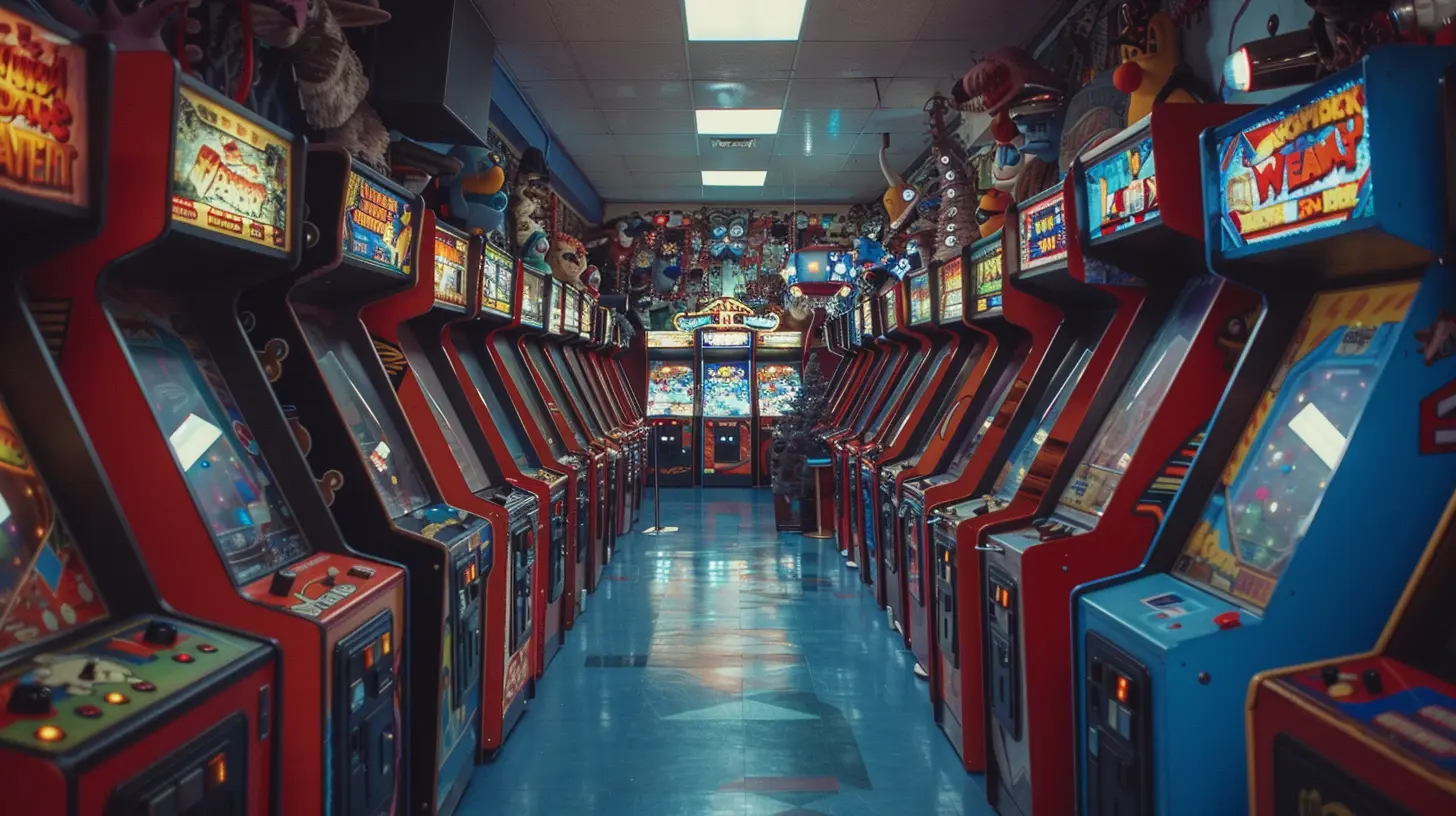
Global Impact and Cross-Cultural Influence
Arcade gaming wasn’t a localized trend — it was global. From the bustling arcades of Tokyo’s Akihabara district to the shopping malls of suburban America, the culture was both homegrown and imported.Japanese game developers like Namco, Sega, and Capcom became household names. Their creations traveled across oceans, bringing dynamic storytelling, innovative graphics, and that unmistakable flair for style and challenge. Meanwhile, U.S.-based companies like Atari were pushing boundaries of their own.
The cultural exchange was — and still is — intense. Characters like Mario, originally known as “Jumpman” in Donkey Kong, became cultural icons worldwide. Think about that: a mustachioed plumber from Japan ends up being recognized more globally than some real-life celebrities. That’s the power of arcade gaming.
And how about the competitive fighting genre? Street Fighter II didn’t just popularize head-to-head fights — it laid the foundation for the global e-sports phenomenon we know today.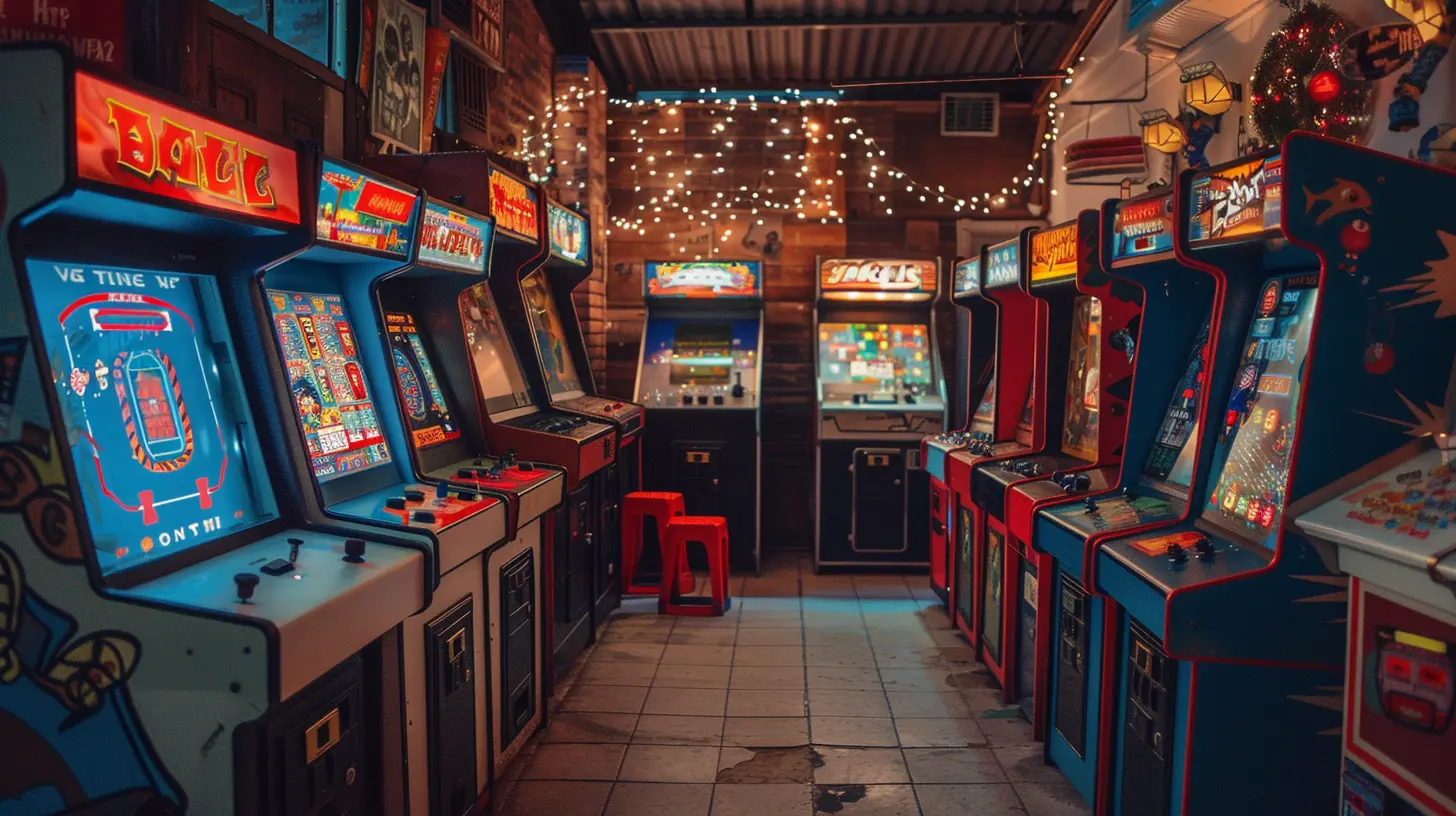
Influence on Music, Fashion, and Film
Arcade culture bled into everything — from fashion trends to music genres. Ever heard of synthwave? That retro-futuristic, neon-infused musical style owes a lot to the vibes of old-school arcades. Think Tron meets Blade Runner, with beats.And fashion? Those nostalgic, arcade-inspired patterns are still making waves in streetwear. From pixelated graphics on t-shirts to bomber jackets with 8-bit art, the aesthetic never really died; it evolved.
Hollywood noticed, too. Films like Wreck-It Ralph, Ready Player One, and even The King of Kong highlight not just the history, but the heart of arcade gaming. The themes of perseverance, competition, and geek pride — they all stem from that coin-operated legacy. These stories romanticize that era, but they also pay honest tribute to the cultural importance arcades held.
Arcade Tech: The Original Pioneers
We often credit modern consoles and PCs for innovation, but truth be told, arcade machines were the original pioneers.Think about it — from vector graphics (Asteroids) to 3D-style racing (Out Run), arcades pushed the hardware envelope way before home systems caught up. These machines were custom-built beasts designed for specific games. No one worried about download sizes or patch updates — it was plug in the quarter and play.
Even peripherals were ahead of their time. Light guns for shooting games like Time Crisis or motorcycles for Hang-On? They created immersive experiences using real-world feedback long before VR was a thing.
And multiplayer? Before Xbox Live or PSN, you had couch co-op (or cabinet co-op). Holding the same controls, staring at the same screen — it forged a shared experience that even the best online matches can’t quite replicate.
The Fall… and the Rebirth
Every hero’s journey has a fall, right?By the mid-’90s, console gaming became more accessible and affordable. Why go to the arcade when you could play Street Fighter II at home in your pajamas? The once-packed arcades slowly emptied. The industry shifted. The golden age dimmed.
But here’s the twist — arcade gaming never truly died. It just… transformed.
Retro is cool now. Arcade bars, also known as barcades, have popped up around the world. Modern consoles are re-releasing arcade classics. Streaming platforms are celebrating speedruns and “Let’s Plays” of retro games. Arcades went from mainstream to niche — and back into the spotlight as nostalgic treasures.
Newer arcade-style experiences have also emerged in VR spaces and interactive entertainment venues. Take Dave & Buster’s, for instance — part restaurant, part futuristic mega-arcade. The experience has evolved, but the core vibe? Still there.
What Modern Gaming Owes to Arcades
Here’s the real kicker: without arcades, we likely wouldn’t have the gaming culture we do today.Leaderboards? High-score chasing started in arcades.
Speedrunning? Born from beating the clock and boasting about it at the local arcade.
Competitive gaming and eSports? Arcades walked so Twitch and YouTube could run.
Game design itself owes a ton to arcade philosophy. Most arcade games were tough — sometimes brutally so — because the goal was to keep you spending quarters. That same challenge/reward dynamic is used in modern roguelikes, multiplayer games, and mobile apps. You grind, retry, get slightly better, repeat. The spirit of “one more try” is alive and kicking.
Preserving the Legacy: Why It Still Matters
Okay, so we love retro. But why does the legacy of arcade gaming still matter?Because it’s foundational. Arcades taught us how to immerse ourselves in different worlds. They pushed tech forward. They created gamers before the term was even widely used.
They also laid the foundation for game communities and storytelling techniques. Games today are richer and more expansive, but you can clearly trace the roots back to Centipede, Defender, or Robotron: 2084.
Preservation efforts — like emulators, mini arcade cabinets, and arcade museums — are more than just fan service. They’re cultural archiving. It’s no different from preserving classic films or vinyl records.
Final Thoughts: More Than Just A Quarter Slot
Arcade gaming may seem like a relic of the past, but its legacy is woven into the fabric of modern pop culture. It’s not just about the games themselves — it’s about the experience, the energy, the emotional updraft of inserting a coin, gripping a joystick, and losing yourself in blinking, beeping brilliance.So the next time you're engrossed in your favorite AAA title or tapping away at a mobile game, take a second to tip your virtual cap to the arcades that started it all. After all, without Pac-Man chasing ghosts, would we even have Call of Duty chasing killstreaks?
Arcade gaming didn’t just shape a generation — it built the foundation for the entire industry.
all images in this post were generated using AI tools
Category:
Game CultureAuthor:

Lana Johnson
Discussion
rate this article
2 comments
Lumen Kirk
This article beautifully captures the essence of arcade gaming's impact on culture. It’s incredible how these pixelated experiences forged communities and inspired creativity. Thanks for highlighting this nostalgia and reminding us of the lasting joy arcade games bring to our lives!
April 26, 2026 at 3:52 AM
Cara Long
Arcade gaming: where pixelated battles and sticky floors collide! It's like stepping into a time machine powered by quarters and nostalgia. Who knew that a joystick could redefine culture while we munched on questionable pizza? Long live the 8-bit dreams and dance mats!
April 24, 2026 at 2:26 PM
Lana Johnson
Absolutely! Arcade gaming was a unique blend of fun and community, with every game adding to the culture. Those moments really shaped our childhoods and left a lasting impression. 8-bit dreams truly live on!