The Blurring Line Between Movies and Games
10 July 2026
Ever felt like you weren’t just watching a movie or playing a game, but doing both at the same time? Welcome to the incredibly wild, pixel-polished, emotionally-charged cinematic world where games and movies are all but shaking hands, swapping stories, and possibly even stealing each other’s fans. The line that once clearly separated Hollywood from your PlayStation? It's now totally smudged.
So buckle up, because we’re diving headfirst into the blurry zone between movies and games, where storytelling meets interactivity and the popcorn meets the controller.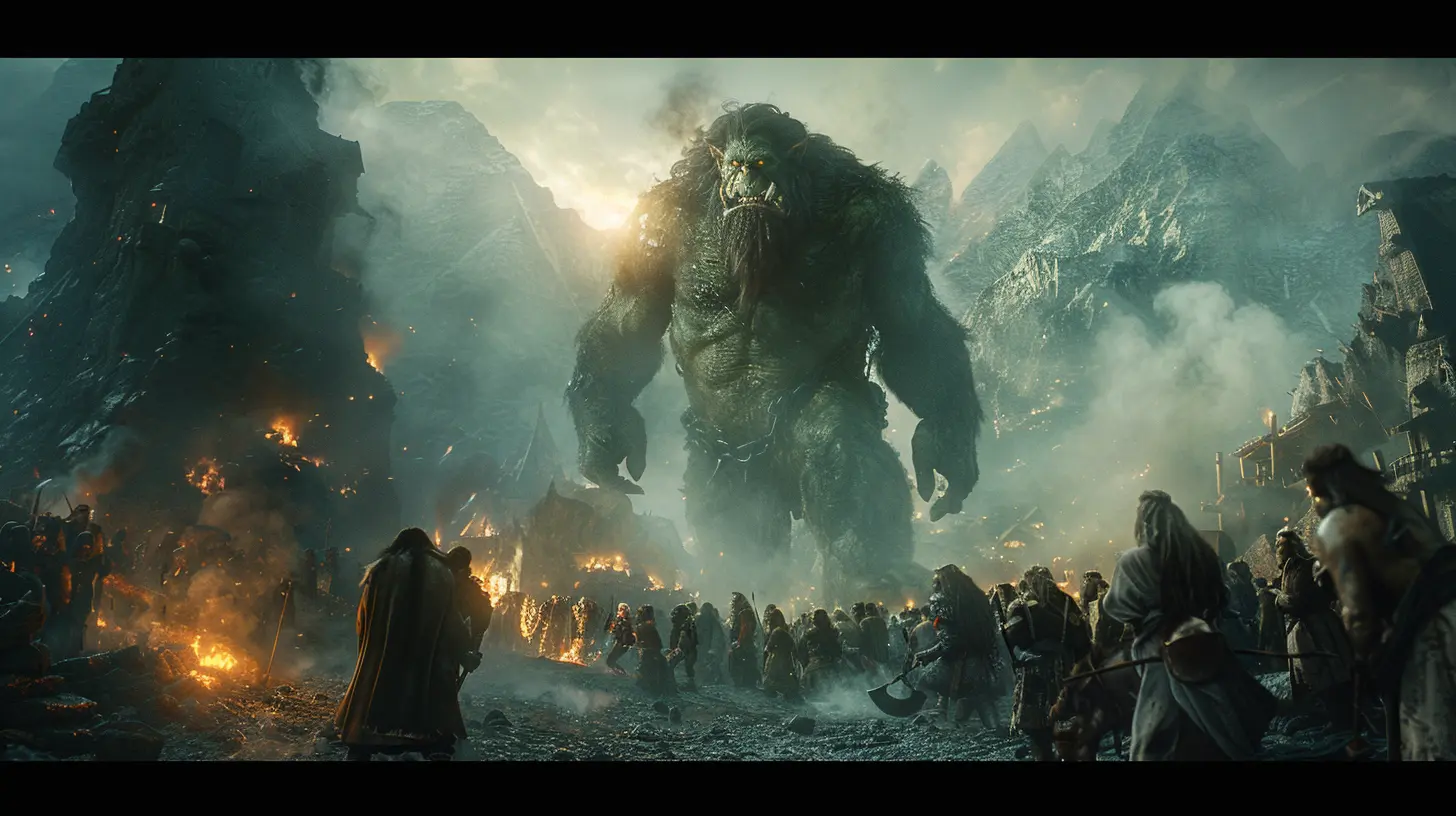
?? Wait… Was That a Game or a Film?
Alright, let’s get one thing straight: games and movies have always been close cousins. But now? They’re practically roommates binge-watching Netflix while speed-running entire RPGs. The evolution went from pixelated plumbers and rescue missions to full-blown, Oscar-worthy narratives that tug at your soul and drop your jaw at the same time.Take The Last of Us, for example. Is it a series? Is it a game? Yes. And yes. The story, the acting, the emotional depth — it hits harder than most actual films. And guess what? It started as a game. Now it’s winning awards on HBO.
We’re not just playing games anymore; we’re living inside cinematic universes.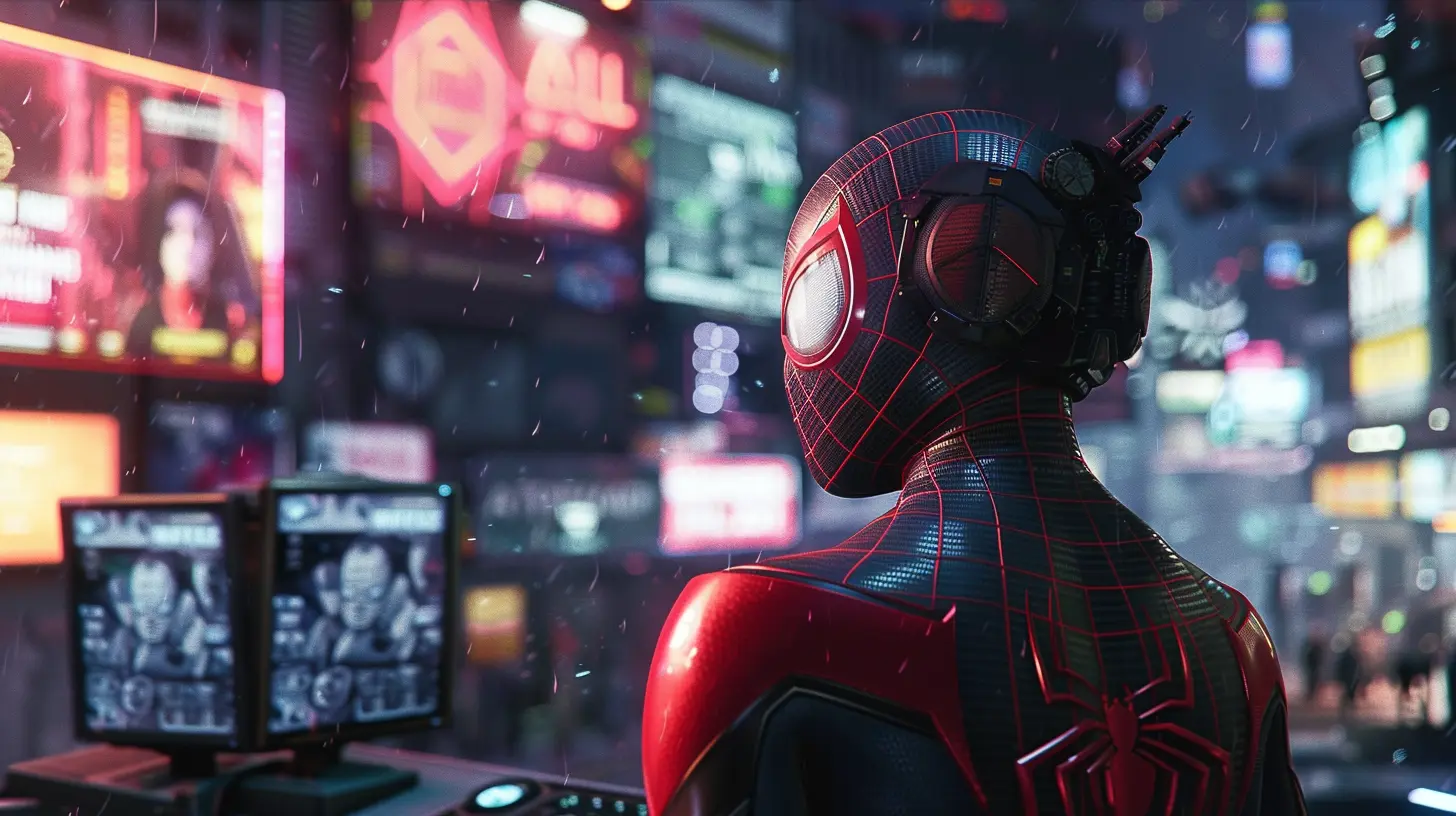
? Games Are Starting to Look (and Feel) Like Blockbuster Films
Let’s talk visuals.We used to get excited about 8-bit sprites. Now, we’ve got ultra-realistic graphics, motion capture, and facial animations so detailed they could make young Robert De Niro nod in approval. Games like Red Dead Redemption 2 or God of War could easily pass for big-budget films — if you paused them at any moment, you'd swear you were watching the next epic fantasy drama.
And don’t even get me started on soundtracks. These aren't just background music anymore. They're full symphonic scores composed by industry legends to elevate every sword slash and tear-jerking monologue.
Honestly, it’s like playing through your favorite Christopher Nolan movie… if Nolan handed you the script and said, “You figure it out.”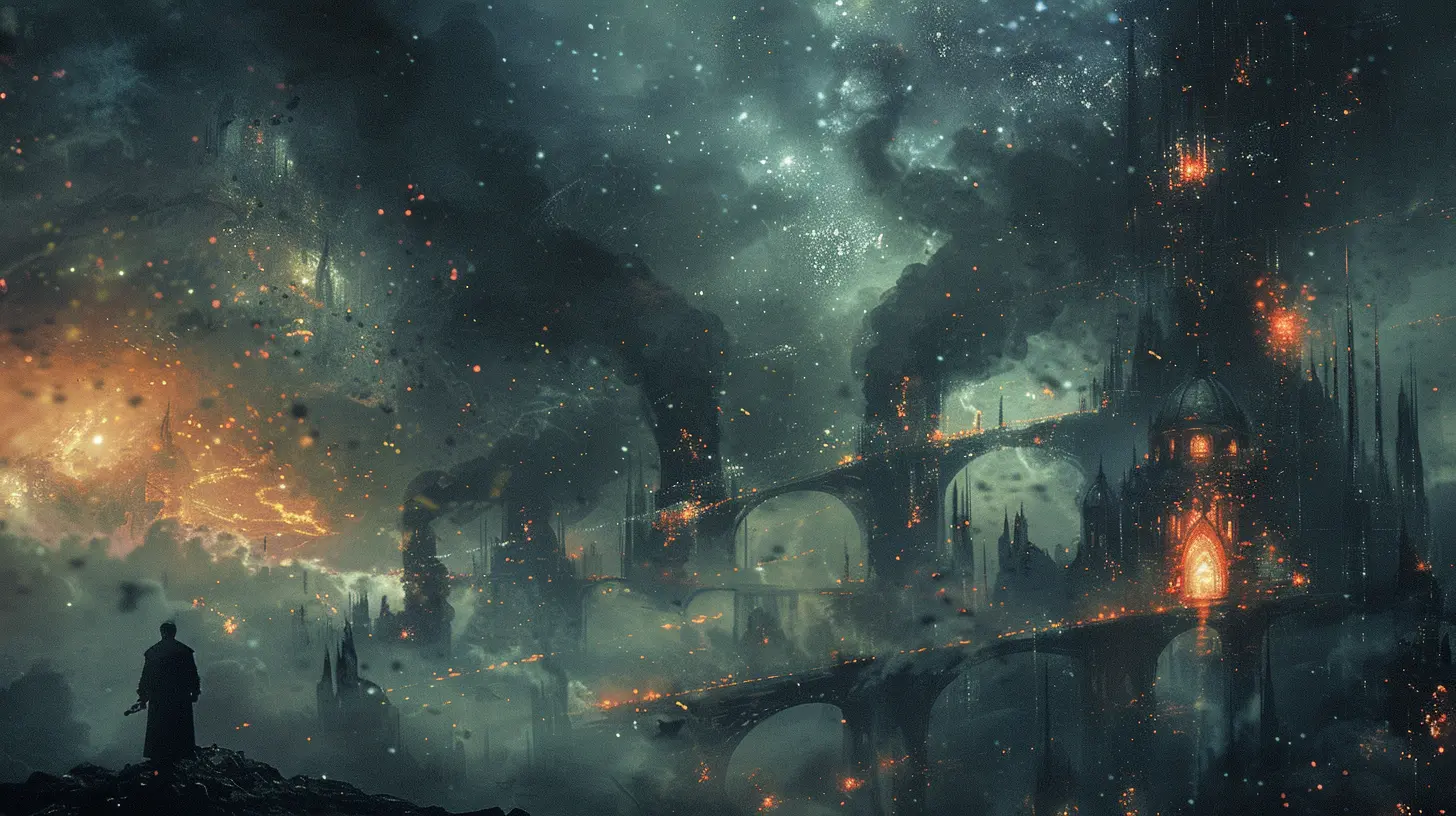
? Storytelling: Interactive, Immersive, and Intensely Emotional
Here’s where games truly bridge the gap: storytelling.In a movie, you sit and watch. You're a passenger along for the ride. Maybe you scream at the screen or cry into your popcorn, but you can't change the outcome.
But in a game? You are the story.
Your choices matter. Your decisions mold the outcome. Remember Detroit: Become Human? That game had so many branching paths, playing it once wasn’t enough. You had to replay it just to see how different it could go. It's like being a director, actor, and audience member all rolled into one over-caffeinated gamer.
Games have turned storytelling into a choose-your-own-emotional-trauma simulator, and honestly? We're loving every second of it.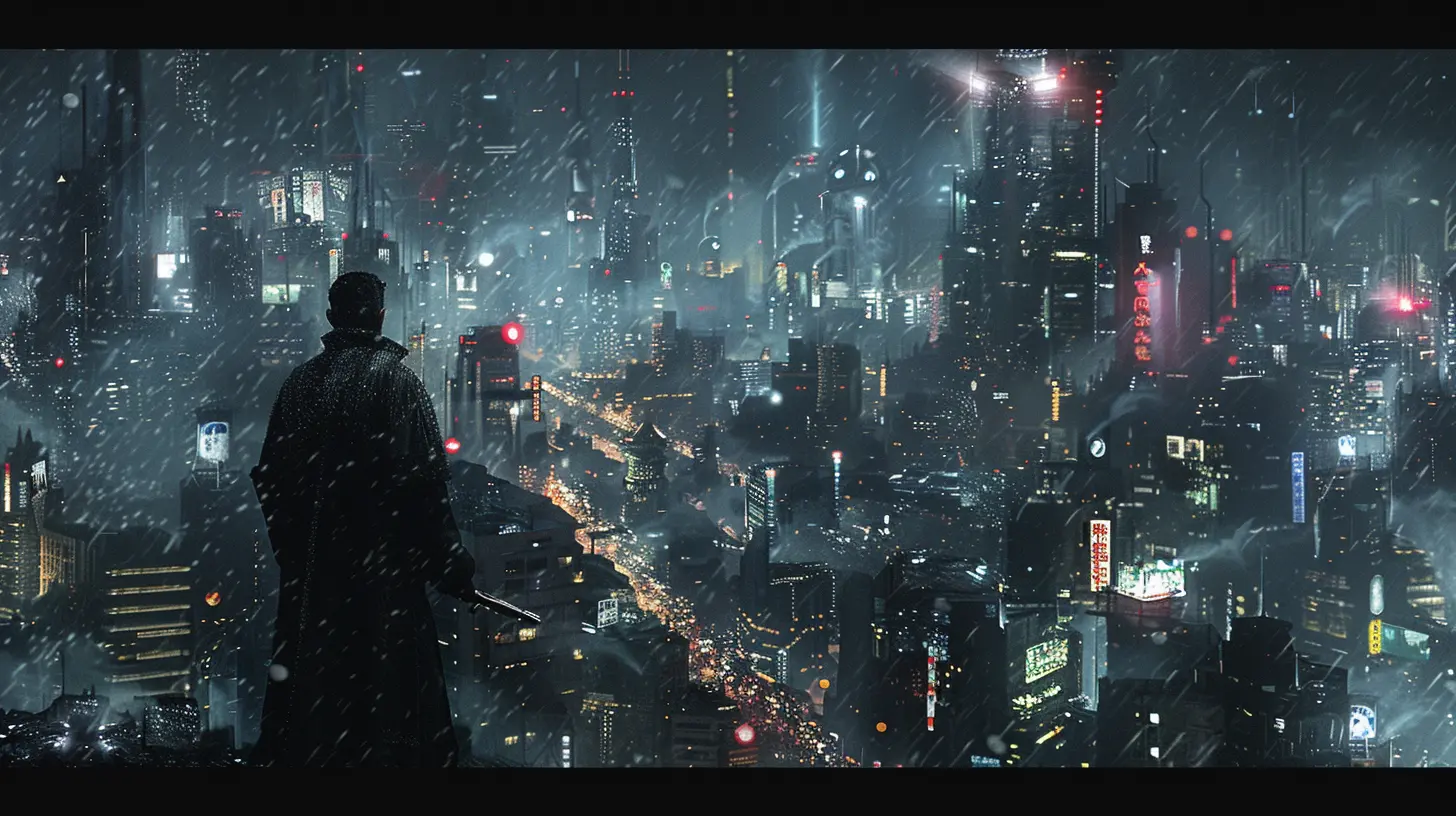
?️ Films Are Getting Inspired (and Even Spawning) From Games
Yep, it’s a two-way street.While games are taking notes from Hollywood, Hollywood is borrowing some pixel-powered ideas of its own. Case in point: the Sonic the Hedgehog movies. Or Detective Pikachu. Not Oscar contenders—but definitely fun romps that made a bucket-load of cash and didn't make gamers want to throw their consoles out the window. (Looking at you, early 2000s Super Mario Bros. attempt.)
Now we’ve got game-to-film adaptations that are taken seriously. Uncharted? Big names, big explosions, big box office. And with the massive success of The Last of Us series, studios are finally realizing that gamers—crazy concept—care about narrative depth.
The result? More character-driven plots, better scripts, and fewer cringy lines. "It’s-a me, Mario!" excluded, of course.
? The Rise of Performance Capture: Actors in Games Are the New A-Listers
Once upon a time, voice acting in games was… well, let’s just say it wasn’t winning awards.Now? We’ve got actual Hollywood stars stepping into mocap suits.
Troy Baker. Nolan North. Ashley Johnson. These names might not be Brad Pitt-level famous, but they’re absolute legends in the gaming world. And then there’s Keanu Reeves in Cyberpunk 2077. Or Norman Reedus in Death Stranding. These aren’t just cameos. They’re full-blown cinematic performances embedded into interactive experiences.
Game studios are casting like movie studios now. Because if your story has Oscar vibes, your cast should too, right?
? AI, Tech, and the Future of Hybrid Experiences
Let’s get nerdy for a second.Technology is fanning the fire of this movie-game mashup. AI-generated animation, real-time rendering, and photogrammetry are helping devs create environments that are both visually jaw-dropping and narratively rich.
Remember Unreal Engine 5’s demo? It looked like Ridley Scott directed it.
Soon, we may have games that feel like films and films that allow real-time audience interaction. Imagine choosing how a movie ends by making decisions mid-scene. Netflix tried it with Black Mirror: Bandersnatch, and while it was more novelty than norm, the potential is hot.
The future? Maybe it’s not just playing the hero. Maybe it’s becoming the director, writer, actor, and editor—all in one.
?️ Not Just a Game Anymore: Emotional Impact and Cultural Shifts
Let’s talk feelings.You ever cry at a movie? Probably. But cry during a game? That hits different. When a character dies and you could’ve stopped it? Oof.
Games like Life is Strange, Hellblade: Senua’s Sacrifice, and The Walking Dead series don’t just tug at the heartstrings — they rip them right out and set them on fire. And they’re doing it with the same emotional beats as Oscar-winning films… but with one twist: you caused that moment. You were responsible. You lived it.
This kind of emotional investment is creating a new generation of storytellers — not just watchers or players, but experiencers. (Yep, we just made that word up. Go with it.)
? So… Are Games the New Movies?
Short answer? Not exactly. Longer answer? They’re becoming something more.Movies are beautiful, no doubt. But they’re linear. They’re passive. Games are evolving into this hybrid form of entertainment that challenges what we define as “cinema.”
They’re not here to replace movies. They're leveling up alongside them. Like your favorite buddy-cop duo, games and films are now working the same cases, trading leads, and tackling stories in tag-team fashion.
The difference? One lets you sit back and escape, and the other lets you grab the wheel and drive the drama home.
? Final Thoughts: Why the Blur is a Beautiful Thing
So what if we can’t draw a distinct line between a cinematic game and a gamified film these days? That’s the point. The blur is beautiful.We're entering a golden age of storytelling where creators break the rules, mix the mediums, and mess with our minds—in a good way. Whether you’re binge-watching, binge-playing, or both, the goal is immersion. And both worlds are delivering that better than ever before.
The only real question? Will you be holding a remote or a controller?
Either way, grab your popcorn. And maybe also your headset.
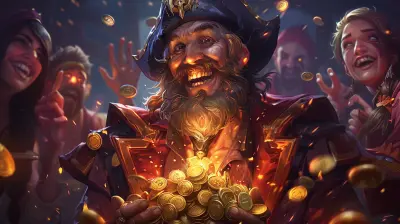
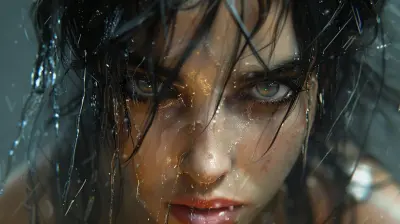
all images in this post were generated using AI tools
Category:
Game CultureAuthor:

Lana Johnson