Realistic Weapon Mechanics: Taking Combat Beyond the Arcade
5 March 2026
If you've ever played a game where the guns feel more like laser pointers than actual firearms, you know how immersion can take a serious hit. Sure, fast-paced arcade shooters are fun in their own way, but there’s nothing quite like the satisfaction of a weapon that feels real. The clink of a spent shell casing hitting the ground, the kick of recoil that almost makes you feel it in your shoulder, the nuanced reload animations—we’re talking about games that don’t just give you a weapon; they make you respect it.
In this article, we’re diving deep into realistic weapon mechanics and how they elevate gameplay by taking combat beyond the arcade. Whether you're a hardcore simulation fan or a casual gamer curious about what makes a bullet really fly, this one’s for you.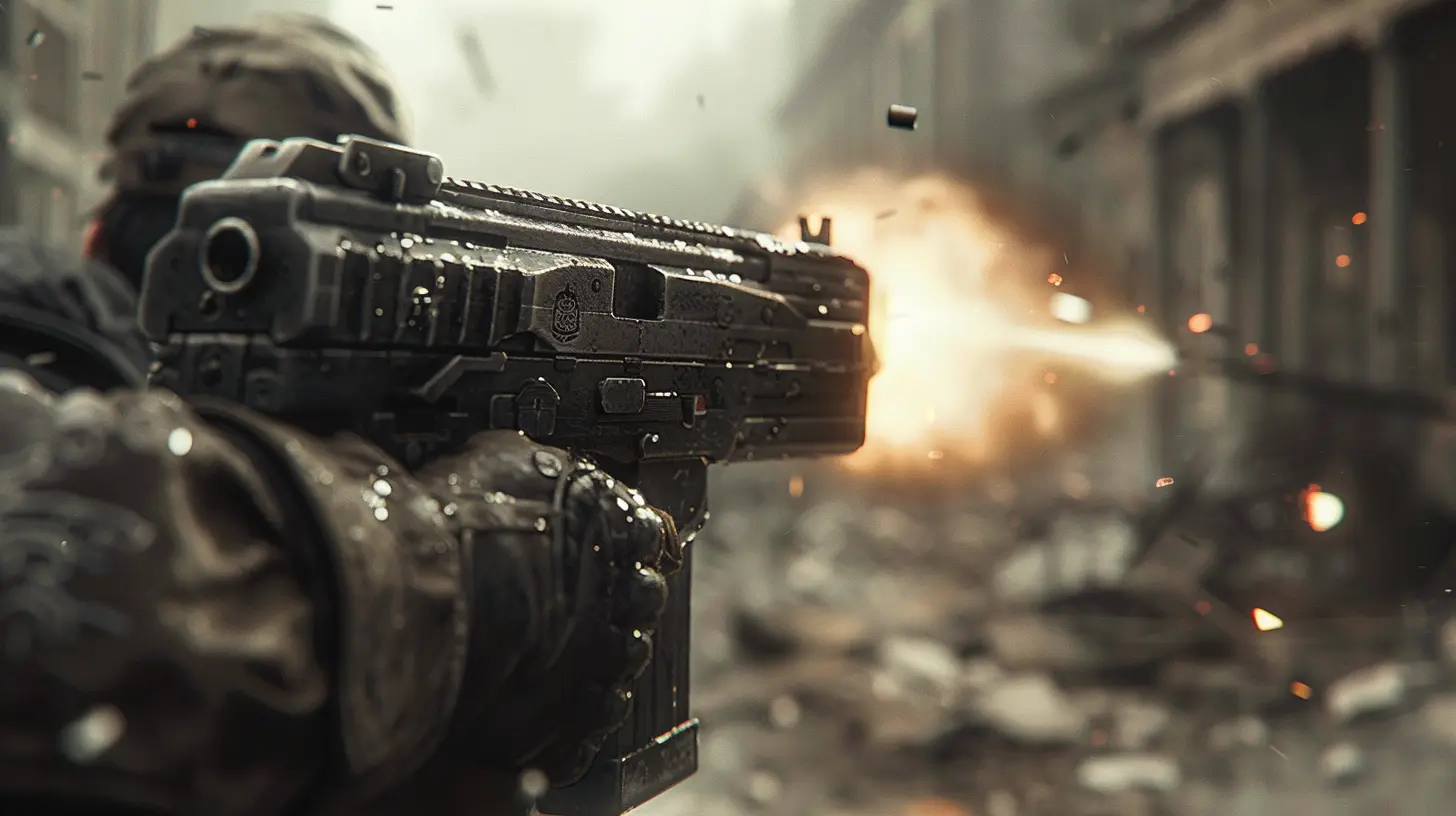
Why Are Realistic Weapon Mechanics So Satisfying?
Let’s face it – humans love details. We love peeling back the layers and seeing how things work. Games that offer realistic weapon mechanics tap into that desire. It’s not just about shooting stuff; it’s about the experience surrounding it. Think of it like cooking. Sure, you can toss frozen nuggets in the oven, but there’s a world of difference when you’re grilling steak with a marinade you spent hours perfecting. The more effort put into the experience, the more satisfying it is.When a game nails how a weapon feels, it’s like the difference between watching a CGI explosion in a movie and seeing a real one on MythBusters. One’s shiny and flashy, but the other? It hits you in your gut because it feels true. 
The Core Elements of Realistic Weapon Mechanics
Creating realistic weapon mechanics isn’t just slapping a fancy texture onto a model and calling it a day. Oh no, my friend—there’s an art to this madness. Developers have to consider multiple factors to make the guns feel genuine. Let’s break it down.1. Ballistics and Projectile Physics
In arcade-style shooters, bullets might as well be magic beams. They go where you point instantly, with no accounting for gravity, wind, or even air resistance. But in games like Escape from Tarkov or Sniper Elite, shooting is practically a science class.- Bullet Drop: Bullets, like anything else in the real world, are affected by gravity. If you're aiming at a target 500 meters away, you can't just point straight at it and fire. You’ll need to adjust for that satisfying arc.
- Travel Time: In many games, bullets travel at the speed of light—which, spoiler, they don’t in reality. Realistic games account for how long it takes a bullet to reach its destination, which means leading a moving target becomes part of the skillset.
- Penetration: Let’s say you’re firing at someone hiding behind a wooden barricade. Does your bullet smash right through? Depends on the caliber of the gun you're using, and realistic games make sure to account for that.
2. Recoil and Weapon Handling
Spraying and praying might work in arcade shooters, but good luck with that in games featuring realistic mechanics. Recoil is a beast, and taming it takes practice. For example, in Call of Duty: Modern Warfare II, every gun feels like it has a personality—some kick like an angry mule, while others are smooth as silk.Weapon sway, ADS (Aim Down Sights) speed, and even weight influence how guns behave. A sniper rifle should feel heavy and cumbersome compared to an SMG, and the best games make this distinction crystal clear.
3. Reload Animations and Mechanics
Have you ever noticed how satisfying a good reload animation is? It’s one of the most underrated parts of realistic weapon mechanics. Games like Insurgency: Sandstorm don’t just show your character popping in a new mag; they also vary the animation based on whether you’re doing a tactical reload (still some rounds in the mag) or a full-on empty reload. Details like this? Chef’s kiss.Some games even take it further, like Receiver, where reloading involves managing individual bullets rather than just slapping in a pre-loaded magazine. It makes you think about every shot you fire.
4. Sound Design
Let me tell you, sound design is everything when it comes to immersion. A well-designed gunshot shouldn’t just go “bang.” It should echo, reverberate, and shake you to your core. The difference between firing a suppressed pistol and an unsuppressed sniper rifle in a game like Battlefield 1 is night and day, and you can almost feel the weight of every shot.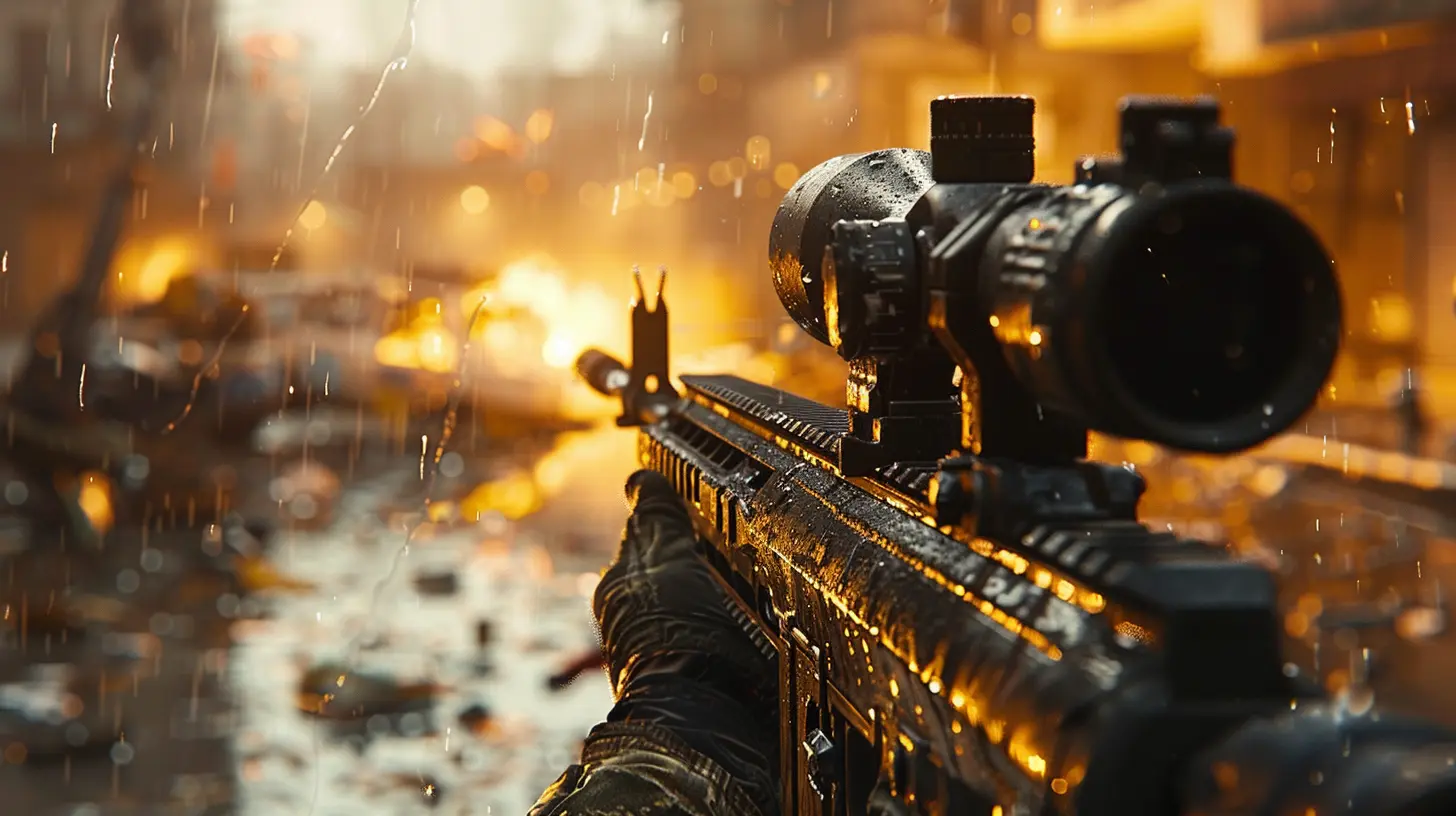
How Realism Enhances Gameplay
You might be thinking, “Okay, all this realism sounds cool, but does it actually make games more fun?” The short answer? Heck yes. While arcade shooters focus on instant gratification, realism introduces layers of strategy, skill, and tension that make every encounter more meaningful.- Increased Tension: When you know your gun isn’t a laser cannon with infinite ammo, you’re way more careful with every shot. Miss your shot in a game like Hunt: Showdown, and it could mean giving away your position—and then, well, let’s just say you’re about to have a bad day.
- Skill-Based Gameplay: Realistic mechanics reward precision and practice. Anyone can spray bullets in an arcade game, but nailing a headshot from 300 meters away with a bolt-action rifle? That’s the gaming equivalent of threading a needle while riding a roller coaster.
- Immersion: The more realistic the mechanics, the easier it is to lose yourself in the world. When every shot, reload, and sound effect feels authentic, you forget you’re holding a controller or mouse and feel like you’re actually there.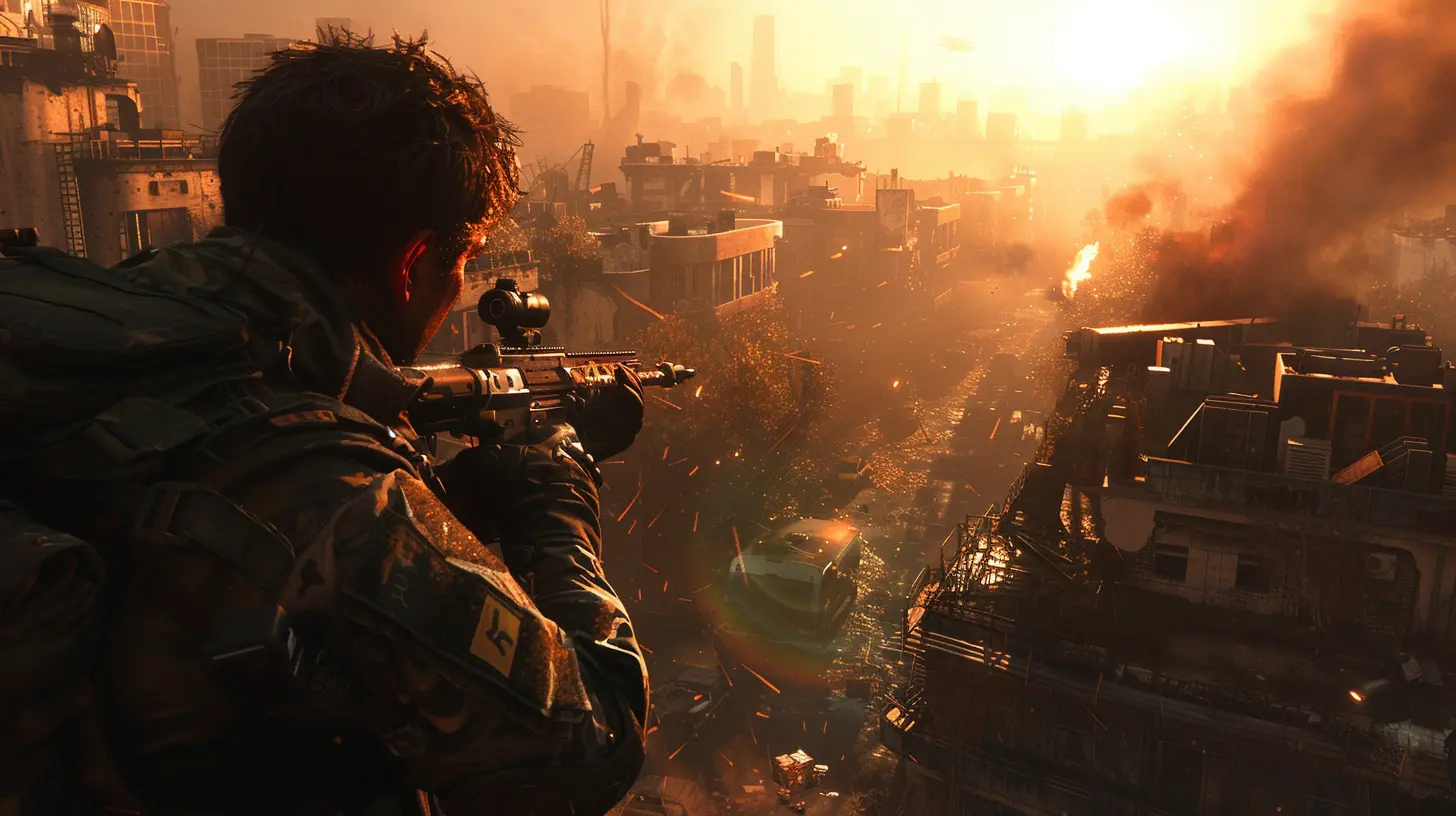
Examples of Games That Nail Realistic Weapon Mechanics
If this all sounds intriguing, you might be wondering where to start. Here are some standout games that take weapon realism to the next level:1. Escape from Tarkov
This hardcore survival shooter is not for the faint of heart. Tarkov doesn’t just simulate weapons—it simulates warfare. Guns jam, ammo types matter, and even basic survival hinges on mastering your arsenal.2. Red Dead Redemption 2
While not a full-on shooter, Rockstar’s masterpiece takes realism seriously. Every weapon has a unique feel, and you’ll notice details like gun oil affecting performance. Plus, reloading a revolver one bullet at a time? It’s almost therapeutic.3. Arma 3
The granddaddy of military simulators, Arma doesn’t just treat guns like tools—it treats them like a way of life. From bullet ballistics to weapon attachments, this game is as close as you’ll get to enlisting without signing up.The Balancing Act: Realism vs. Fun
Let’s be real for a second—while realistic weapon mechanics are awesome, they’re not for everyone. Some players just want to blow off steam without having to worry about bullet drop or mag types. And that’s okay! The trick for developers is striking the right balance.Games like Call of Duty bridge this gap by incorporating realistic weapon animations and sounds but keeping gameplay fast and accessible. It’s the best of both worlds for players who appreciate realism but don’t want to drown in it.
Final Thoughts: Why It Matters
Realistic weapon mechanics aren’t just a gimmick—they’re a love letter to detail and craftsmanship. They add depth, strategy, and immersion that goes beyond just shooting bad guys. Whether it’s the thrill of nailing a long-range shot or the tension of running out of ammo mid-fight, games that prioritize realism offer experiences that stick with you long after you’ve logged off.So next time you’re in a firefight, take a moment to appreciate the little things: the clink of a reload, the satisfying kick of a shot, and the echoes of your weapon in a deserted town. Who knew that gaming could be this poetic?
all images in this post were generated using AI tools
Category:
Realism In GamesAuthor:

Lana Johnson
Discussion
rate this article
2 comments
Delta Carey
Impressive insights on weapon realism, thanks!
March 8, 2026 at 4:05 AM
Lana Johnson
Thank you! I'm glad you found the insights valuable.
Cassandra Beck
Exciting insights! Love the depth of realism!
March 7, 2026 at 5:07 AM
Lana Johnson
Thanks for the feedback! I'm glad you enjoyed the article.