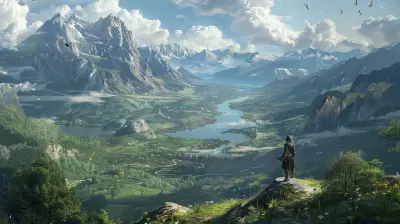
Real-Life Inspirations for Game Design: From Cities to Wilderness
9 January 2026
Creating a video game is more than just writing code and designing characters. At its core, game design is storytelling in an interactive medium. And where do the best stories come from? Real life. From bustling urban centers to serene natural landscapes, game developers often draw inspiration straight from the world around us. Cities, forests, mountains, and deserts—these environments don’t just serve as backdrops; they shape the gameplay, evoke emotions, and spark creativity.
Let’s dive into how real-life inspirations, from chaotic cities to tranquil wilderness settings, influence game design and make the gaming experience so much richer. 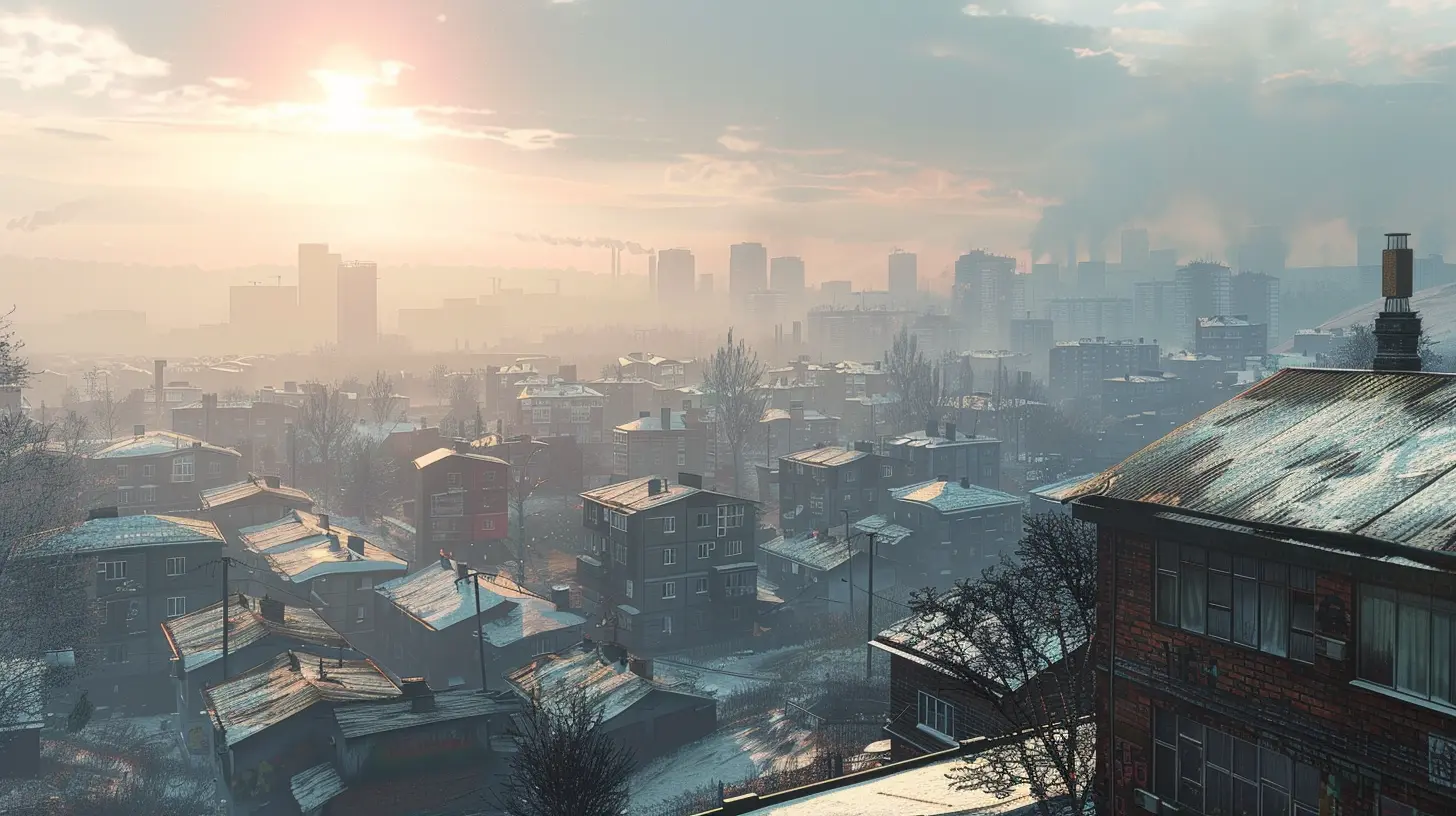
The Urban Jungle: Cities as Game Design Blueprints
There’s something magnetic about cities. They’re vibrant, chaotic, and endlessly unpredictable. Game developers frequently borrow from real-life metropolises to create their in-game urban landscapes. Why? Because cities are melting pots of architecture, culture, and human activity.Take GTA V for instance. Have you ever driven down the streets of Los Santos and thought, "Wait, this feels familiar?" That’s because Los Santos is heavily inspired by Los Angeles. From the Hollywood-esque "Vinewood" sign to the sprawling highways, every corner of the map feels alive. It's not just a setting—it's a character in itself.
But it’s not just about copying a city inch by inch. Developers take liberties and reimagine cities to enhance the gaming experience. They amplify the landmarks, scale down the mundane, and tweak the geography to serve the gameplay.
Think of Cyberpunk 2077's Night City, which feels like a nightmarish love letter to modern metropolises. Its towering skyscrapers, neon lights, and crowded streets scream Tokyo, Hong Kong, and New York, mashed together into a futuristic spectacle.
Why Cities Work So Well in Games
- Diversity of Environments: Cities pack everything from shiny skyscrapers to grungy alleyways. This diversity creates endless opportunities for missions, side quests, and exploration.- Unpredictability: Cities are alive. Crowds move, traffic flows, and unexpected encounters await around every corner—a perfect recipe for dynamic gameplay.
- Relatability: Players can connect with cities because they live in or visit them. There’s a sense of familiarity that makes the immersion even deeper.
Wilderness Wonders: Nature as a Game Designer’s Muse
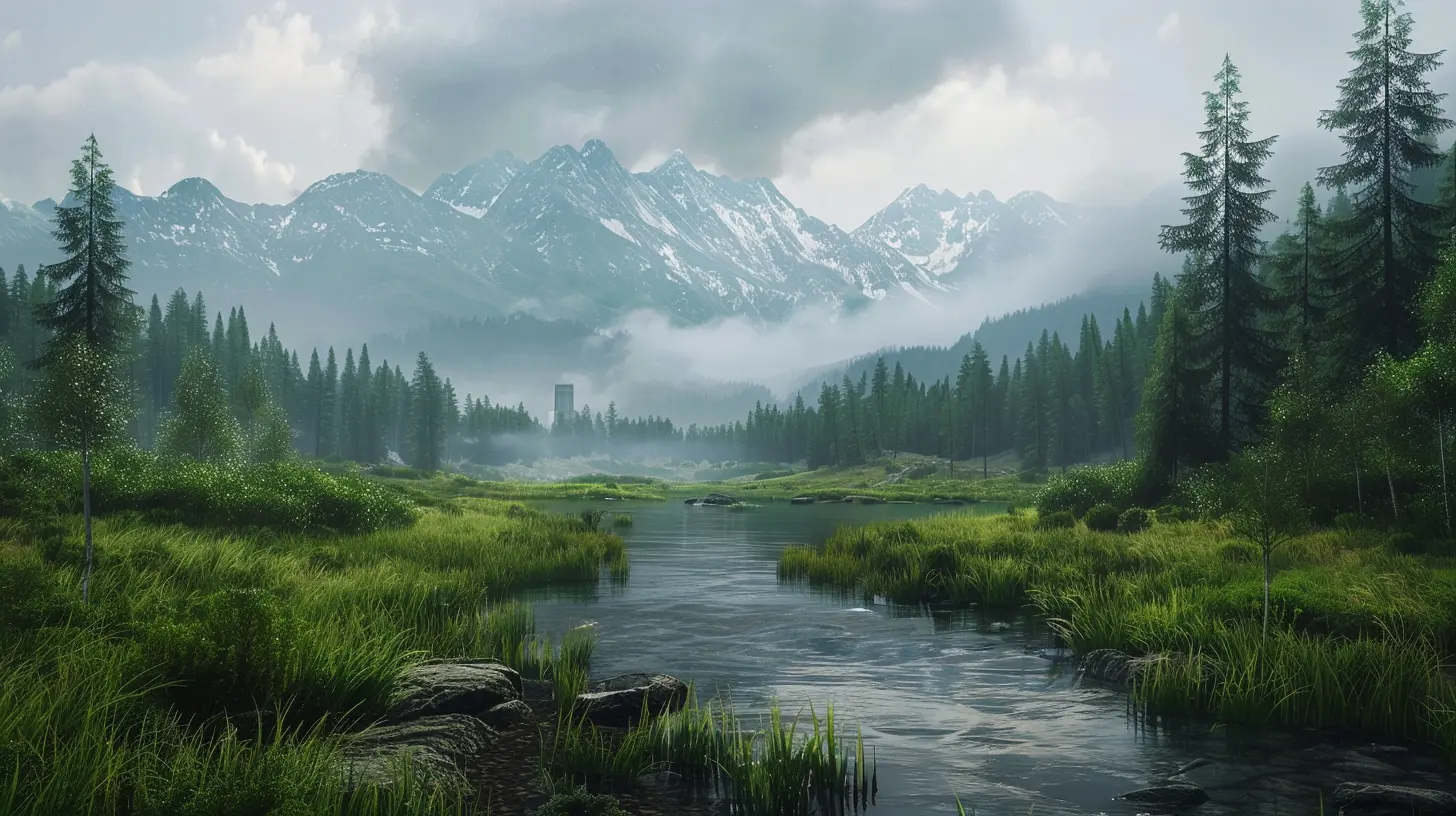
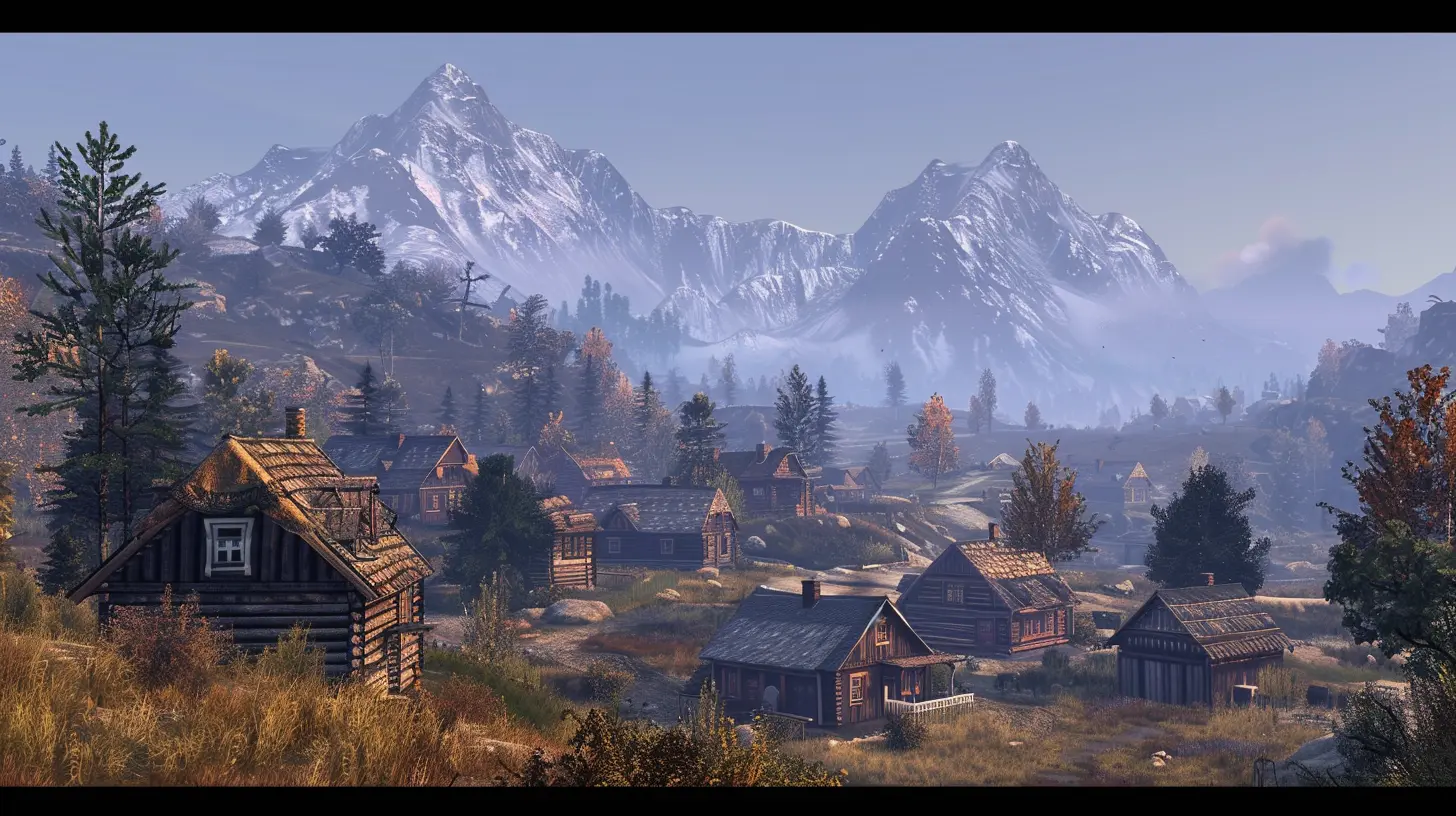
If cities are the heartbeats of games, then wilderness is its soul. Nature has an unmatched ability to evoke emotions—whether it's awe, fear, wonder, or serenity. Game developers know this, and they often turn to real-life wilderness for inspiration.Have you ever played The Legend of Zelda: Breath of the Wild? The rolling hills, vast deserts, and towering mountains weren’t pulled from thin air. They’re meticulously crafted to mimic real-world landscapes, blending elements from places like Iceland’s volcanic terrains and Japan’s lush forests. Walking through Hyrule feels like stepping into a dream version of Earth.
Or consider The Witcher 3: Wild Hunt. Its dense forests, murky swamps, and snowy peaks feel so authentic because they’re grounded in nature. The game’s designers traveled across Eastern Europe, drawing inspiration from its landscapes to create a setting rooted in folklore and history.
Nature's Role in Game Design
- Exploration and Discovery: Open-world games thrive on natural environments because they’re perfect for exploration. A path through a dense forest or a climb up a rugged mountain sparks curiosity.- Atmosphere and Mood: Nature sets the tone. A misty swamp can feel eerie, while a sunlit meadow can feel peaceful. Devs use this to manipulate the player’s emotions.
- Challenge: Natural environments come with their own set of challenges—treacherous cliffs, icy waters, or venomous creatures—adding depth to gameplay.
Historical Cities: The Past Brought to Life
What if you could walk through the streets of ancient Rome or Renaissance-era Florence? Games like Assassin’s Creed have turned this dream into reality. By meticulously recreating historical cities, they offer players the chance to experience the past.Florence in Assassin’s Creed II captures the grandeur of the Renaissance, from the architecture of the Duomo to the art-filled streets. Meanwhile, AC Origins pays homage to ancient Egypt with its sprawling deserts, bustling markets, and towering pyramids.
Developers often work with historians, architects, and archaeologists to ensure these cities feel authentic. It’s like playing an interactive history lesson, but way cooler.
The Appeal of Historical Settings
- Educational Value: Historical cities let players experience the culture, architecture, and people of a bygone era.- Immersion: Walking through a city frozen in time feels surreal. It's an experience you don’t forget.
- Storytelling Potential: The historical backdrop often complements the game’s narrative, enriching the player’s journey.
When the Wilderness Turns Dangerous
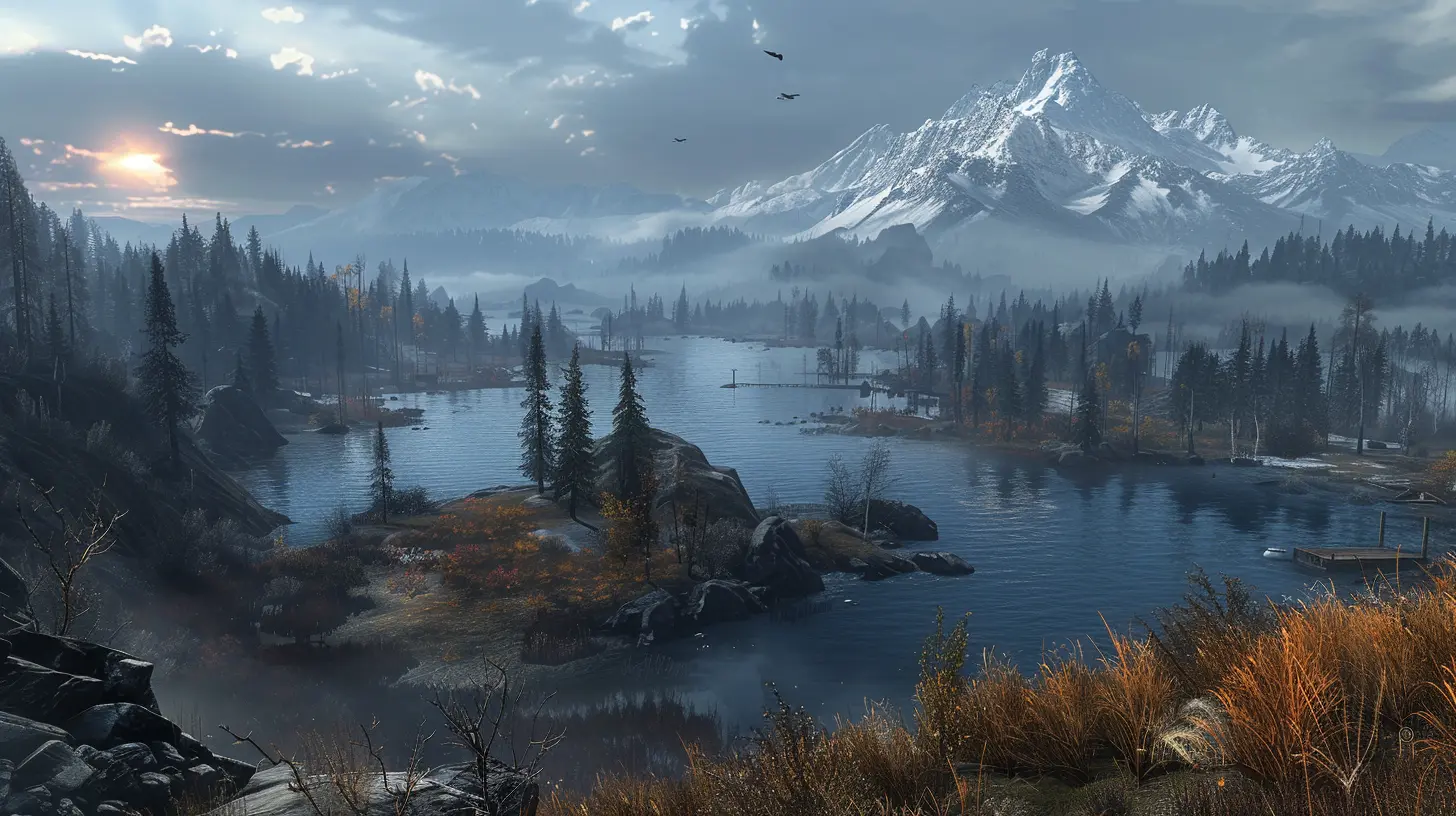
While nature can be tranquil, it can also be terrifying. Survival games like The Forest, Green Hell, and Don’t Starve show us just how hostile the wilderness can be. These games are inspired by the raw, untamed side of nature—the kind we rarely encounter in our daily lives.Trees become walls, animals become predators, and the land itself becomes a puzzle to solve. Survival games take cues from real wilderness environments to create hazards that feel organic. From hunting to crafting shelters, these games use nature to push players to their limits.
Why does this work so well in games? Because it taps into something primal. It forces players back to the basics, relying on instincts, wits, and resourcefulness to survive.
Natural Hazards That Shape Gameplay
- Harsh Weather: Snowstorms, heavy rain, or unbearable heat add layers of challenge.- Limited Resources: Whether it’s food, water, or shelter, scarcity drives tension.
- Wildlife: Realistic animal behavior (both friendly and hostile) keeps players on their toes.
Fantasy Meets Reality
Sometimes, game designers blend real-life inspirations with fantasy elements. They take what’s familiar and tweak it, creating worlds that feel fresh yet grounded. A prime example? Elder Scrolls V: Skyrim.Skyrim’s landscapes feel otherworldly yet believable. The developers pulled inspiration from Nordic countries, particularly Iceland and Norway, to create a rugged, chilly world filled with jagged peaks and ancient forests.
The beauty of this approach is that it keeps you anchored in reality while letting your imagination run wild. It’s like looking at Earth through a kaleidoscope—familiar but magical.
The Emotional Impact of Real-Life Inspirations
Why does borrowing from real life matter? Because it makes games feel real. When you recognize something—a city street, a mountain range, or even the behavior of wildlife—it creates a connection. That connection deepens the experience, making it immersive and memorable.Video games are about escapism, sure, but they’re also about connection. They remind us of places we’ve been, places we long to go, or places we’ve only dreamed of.
Final Thoughts
From the urban chaos of cities to the breathtaking stillness of wilderness, real-life inspirations breathe life into video games. These environments aren’t just settings—they’re characters, challenges, and stories in their own right. They make us laugh, cry, and gasp in awe.So, the next time you’re wandering through a game world, take a moment to appreciate the craftsmanship. Look closely at the streets, the hills, and the forests. Chances are, they’re rooted in the real world, lovingly recreated by developers to ignite your sense of wonder.
all images in this post were generated using AI tools
Category:
Realism In GamesAuthor:

Lana Johnson
Discussion
rate this article
2 comments
Lorna McVicker
Nature and culture shape games; both worlds inspire limitless creativity.
January 19, 2026 at 4:41 PM
Lana Johnson
Thank you! Indeed, the interplay between nature and culture is a rich wellspring for game design, fueling endless creativity and innovation.
Selkie Beck
Nature's canvas, pixels come alive.
January 15, 2026 at 4:26 AM
Lana Johnson
Thank you! Nature truly offers endless inspiration for vibrant game worlds.