Motion Capture Magic: Bringing Real Human Movement into Games
14 February 2026
Have you ever watched a video game character move so realistically that it felt like a real person was trapped inside your screen? That’s not sorcery – it’s something called motion capture. Or, as the cool kids (and developers) call it, “mocap.”
In today’s gaming world, mocap isn’t just some fancy technology reserved for big-budget titles. It's become a key part of how developers craft believable characters, immersive worlds, and jaw-dropping cinematic scenes. So, if you’ve ever wondered how games like The Last of Us, God of War, or Red Dead Redemption 2 make emotional moments hit hard — motion capture is probably behind it.
Let’s dive into the world of motion capture magic, where real human movements meet digital artistry, and where pixels learn to walk the walk.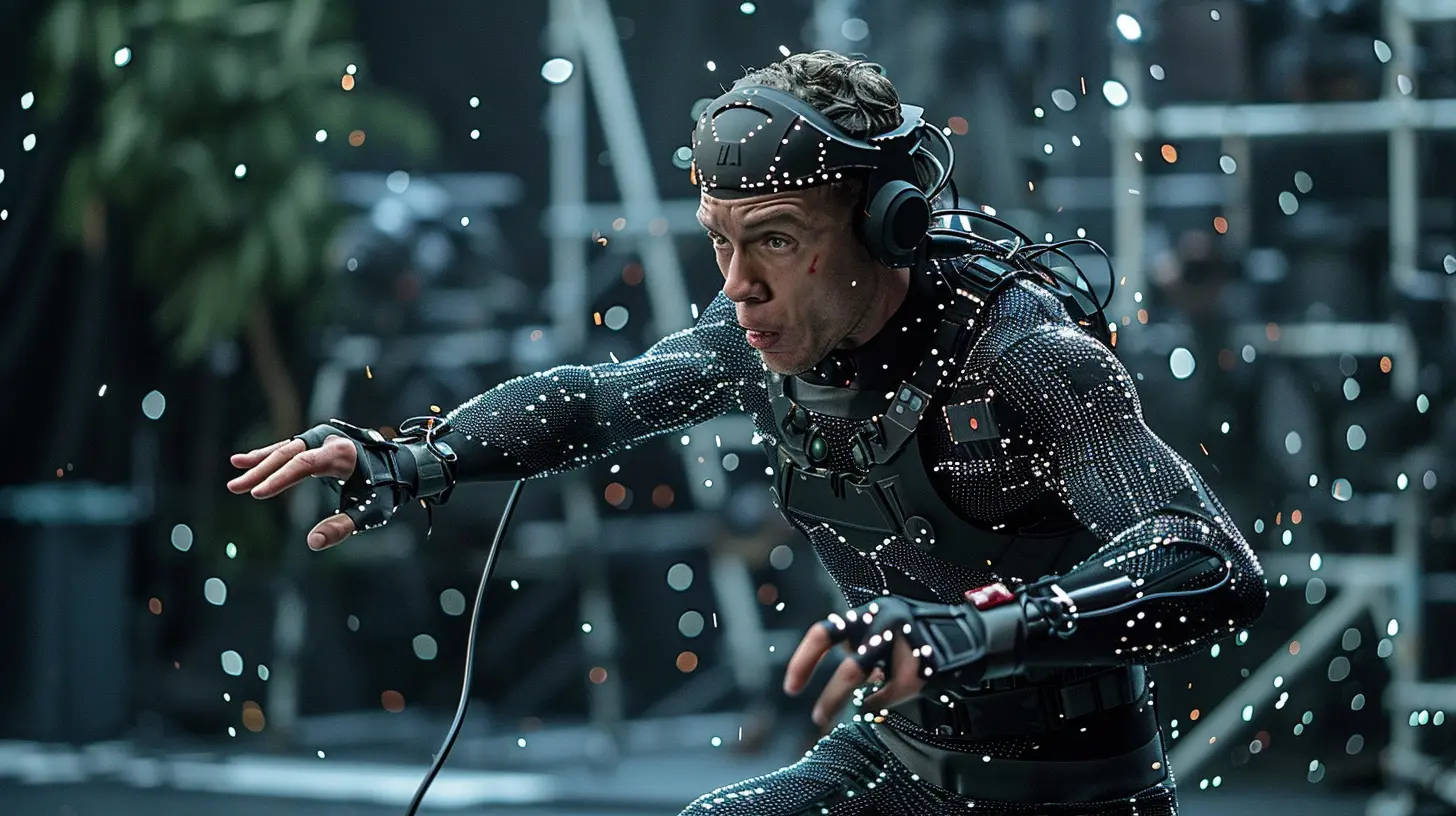
🎮 What Is Motion Capture, Anyway?
Okay, let’s break it down.Motion capture is a technique used by game developers, animators, and filmmakers to digitally record the movement of real people. These movements are then transferred to digital characters to make them move in a way that looks authentic.
Imagine a digital puppet. Now, imagine a real human wearing a suit dotted with tiny sensors or reflectors. When that person dances, punches, or just walks around, the suit sends data to a computer. That data becomes the puppet's movement.
Pretty magical, right?
And it’s not just limited to humans. Mocap can also record the motion of animals, robots – heck, even a sleeping cat if it wiggles enough. The bottom line? If it moves, it can be captured.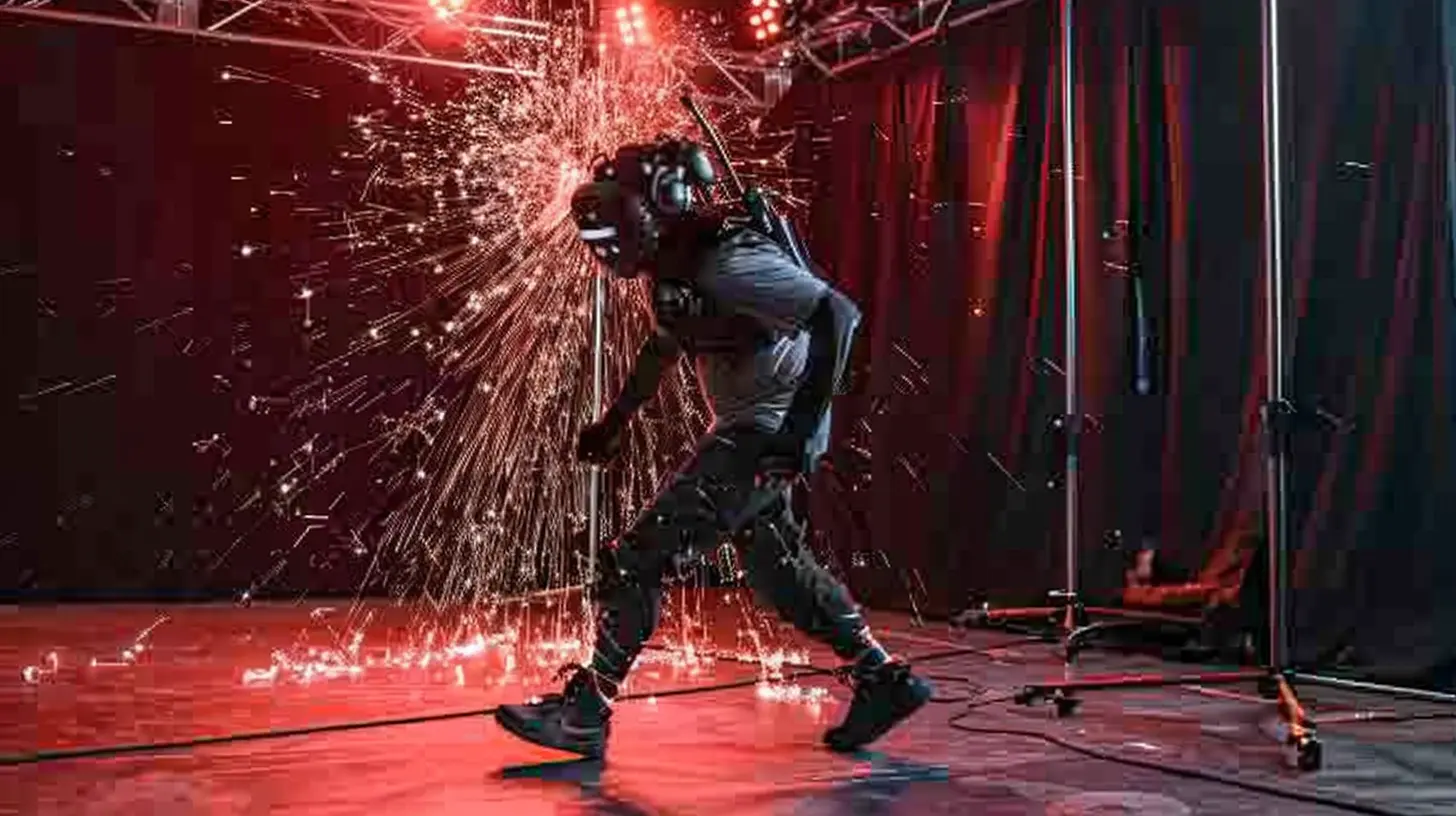
👣 Motion Capture in Gaming: A Leap Into Realism
Let’s be real — video games have come a long, long way from 8-bit blocky sprites. Thanks to advances in mocap, characters no longer just look real — they move real, too.When you see a character stumble over debris, cradle a wounded friend, or erupt into gut-wrenching sobs, mocap is the wizard behind the curtain. It's the bridge between human performance and digital storytelling.
From Pixels to People
Games like Death Stranding and Horizon Zero Dawn use full-performance capture — that’s mocap for both body and facial expressions. This means every eye twitch, lip quiver, and shoulder slump gets translated directly into the game. It blurs the line between video game acting and film acting.This level of depth can make players forget they’re playing a game. Suddenly, it feels like you’re in a living, breathing world. Not bad for a bunch of dots on a spandex suit, right?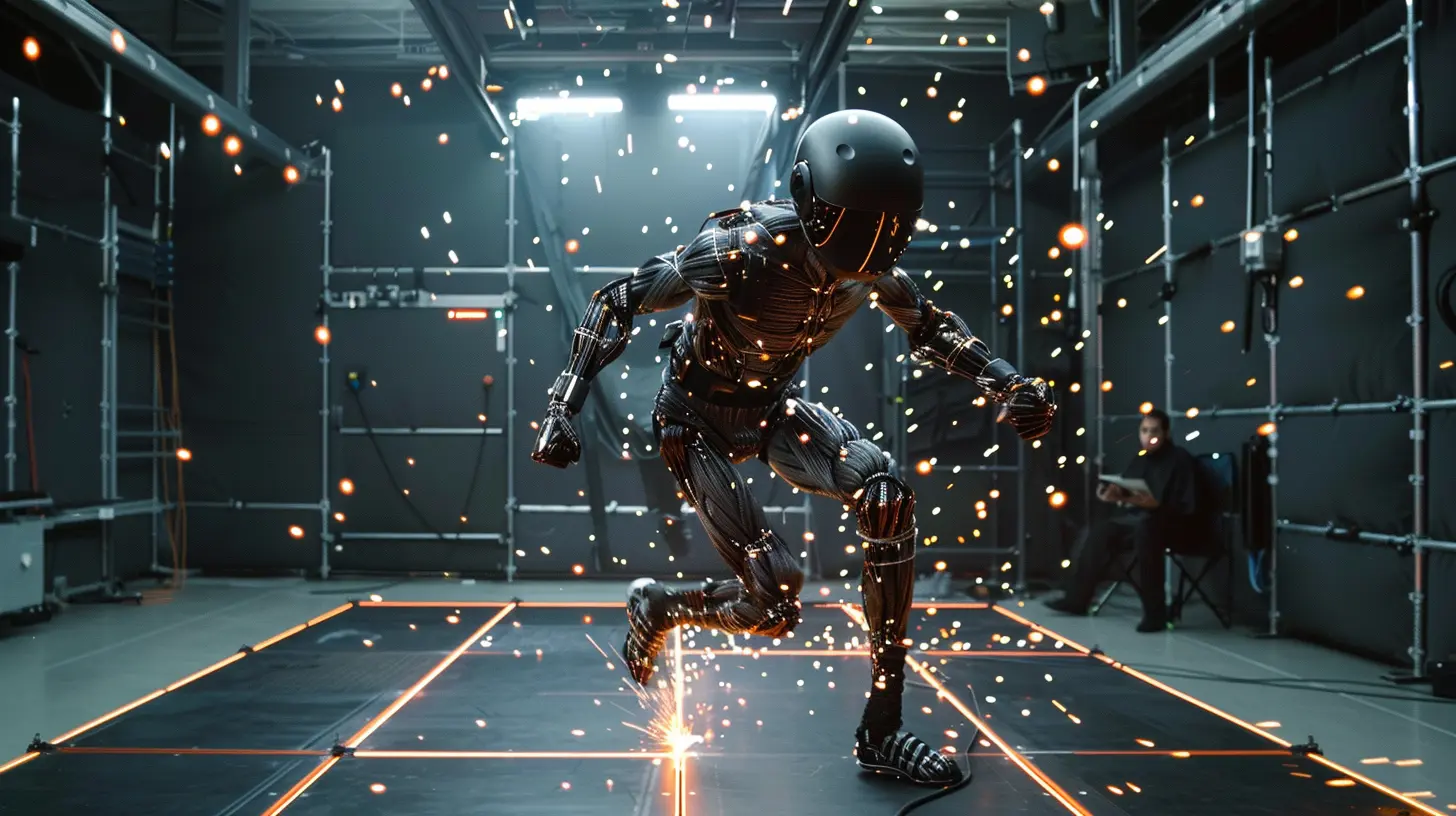
🛠️ How Mocap Actually Works (It's Not Sci-Fi... Mostly)
Curious about how all this actually works? It’s not as wild as it sounds — but it does look like something out of a sci-fi movie.Step 1: The Suit Up
The actor or performer wears a special mocap suit covered in reflective markers or motion sensors. Sometimes, they even wear a head rig to capture facial expressions and eye movements.Think of it like putting on a glow-in-the-dark skeleton costume… that’s wired to a bunch of cameras.
Step 2: The Motion Capture Stage (The Volume)
The performer acts out the scene inside a stage called “the volume.” Multiple cameras around the room track every marker on the suit in 3D space. As the performer moves, the system records the position, speed, and direction of each marker.It’s a bit like GPS, but for your limbs.
Step 3: The Data Dance
Once the data is captured, it’s translated onto a 3D model in the computer. This is where animators jump in, fine-tuning details like hand placement, foot contact, and facial nuances.Sometimes the raw data looks pretty weird at first — kind of like a mannequin doing tai chi. But with polish and love, it becomes lifelike.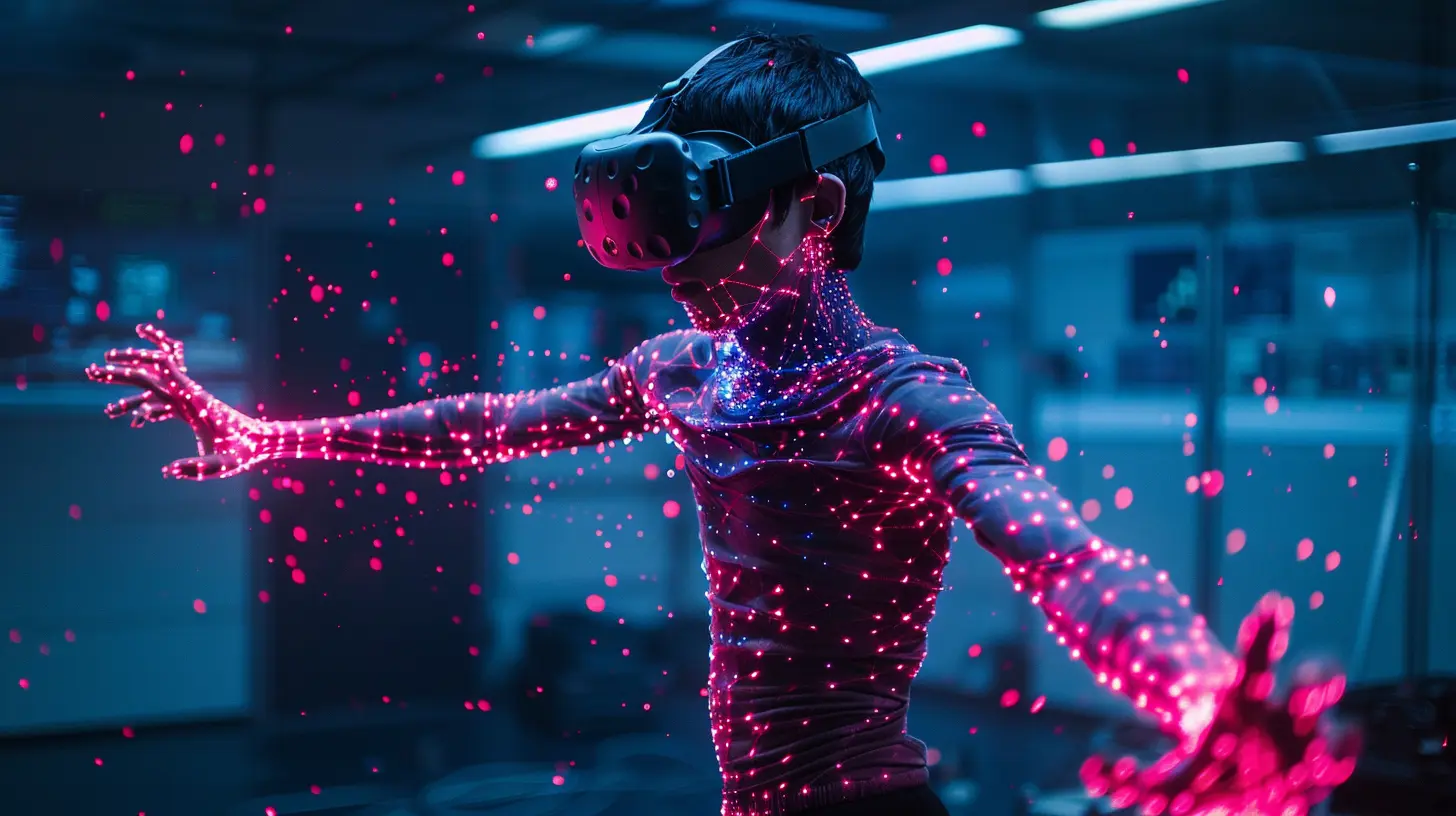
🎭 Real Performances = Real Emotions
Why not animate everything by hand, like the good ol’ days? Well, hand animation is amazing — but it takes a serious amount of time, and it’s tough to capture the spontaneous micro-movements that make a performance feel natural.The Power of Emotion
When a real actor gasps, winces, or leans into a hug, there's an authenticity that’s hard to fake. With mocap, those details aren’t guessed. They're recorded. That’s why games that use mocap often hit emotionally harder — because you're watching an actual performance.Ever cried during a cutscene? Blame mocap. Or thank it.
🎬 Famous Games Using Mocap Like Pros
Let’s give a standing ovation to the games that took mocap to the next level.The Last of Us Series
Naughty Dog is known for pushing the emotional envelope. The studio used full-performance capture to bring Joel and Ellie to life, allowing players to connect deeply with their journey.Red Dead Redemption 2
Rockstar Games used over 300,000 animations and a mind-blowing amount of mocap work, even capturing tiny actions like adjusting a hat or petting a horse. No wonder that world feels so alive.Hellblade: Senua’s Sacrifice
This game took an innovative approach by using a single performer and a portable mocap rig to capture complex emotional and psychological performances — on a budget.Death Stranding
With mocap superstars like Norman Reedus and Mads Mikkelsen, this title blurred the lines between Hollywood and gaming. And it looked dang good doing it.📺 Not Just for AAA Games Anymore
Here’s the cool part: motion capture isn’t just for massive studios with million-dollar budgets. Thanks to more affordable mocap suits (like Xsens, Rokoko, and Perception Neuron), even indie developers can bring lifelike performances into their games.Some tools even work with a smartphone camera and AI to capture facial motion. Seriously, we’re living in the future.
So whether you're making a blockbuster or a passion project, mocap magic is within reach.
🧙♀️ Challenges (Because Magic Isn't Always Easy)
Now, before we get too dreamy-eyed, let’s keep it real. Mocap has a few hurdles.Calibration and Cleanup
Raw mocap data often needs a lot of cleanup. Sometimes a marker falls off. Or data glitches make your character suddenly T-pose like a scarecrow. (Gamers know the T-pose terror.)Cost and Gear
While more accessible than ever, professional-grade mocap setups still aren’t exactly cheap. And they require space, lighting, and technical know-how.Limited Freedom
Actors in mocap suits have to stick to a controlled environment. Want to capture someone climbing a mountain? Good luck doing that in a mocap studio.Still — for every glitch, there’s a breakthrough. And developers are constantly finding ways to work around the limitations.
💡 The Future of Mocap: AI, VR, and Beyond
We’re just scratching the surface.AI-Powered Mocap
AI is changing the game (pun intended). Tools like RADiCAL and DeepMotion use machine learning to turn simple video footage into motion data. No suits. No sensors. Just magic.That means mocap could one day be as easy as filming yourself with your phone. No more studios. Just creativity.
Virtual Reality Integration
Combine mocap with VR, and you get real-time feedback on performance inside a virtual world. Actors can see how their movements affect the character in real time, which makes performances even more natural.Real-Time Mocap in Development
Some studios are already doing this. Real-time mocap lets developers test scenes, tweak angles, and direct actors just like on a film set — but in a digital space.Think of it as Hollywood meets the Holodeck.
🎉 Why It Matters to Gamers
You might be wondering, “This all sounds cool, but why should I care as a gamer?”Simple. Mocap makes games more human.
It turns characters into people you root for, cry with, or even fear. It pulls you deeper into stories. It makes gameplay feel better because movement has weight, timing, and rhythm.
Whether it’s Kratos swinging the Leviathan axe or Arthur Morgan adjusting his gun belt, you feel those movements not just visually, but emotionally.
💬 Final Thoughts: Motion Capture is a Game Changer
Motion capture isn’t just a fancy tool — it’s an art form. It combines tech, talent, passion, and practice into something truly magical. It brings authenticity to fantasy, emotion to pixels, and humanity into every frame.The next time you're deep into a cutscene or chasing a villain through a lifelike world, take a moment to appreciate the real people behind the digital magic. Because without them, those jaw-dropping moments in your favorite games just wouldn’t be the same.
And let’s be honest — where would gaming be without a little magic?
all images in this post were generated using AI tools
Category:
Realism In GamesAuthor:

Lana Johnson
Discussion
rate this article
2 comments
Harper Gill
Motion capture technology truly revolutionizes game design, enhancing realism and player immersion. By capturing authentic human movements, developers can create more believable characters and dynamic animations, elevating the overall gaming experience and connecting players with the virtual world.
February 28, 2026 at 3:26 AM
Lana Johnson
Thank you for your insightful comment! I completely agree—motion capture indeed elevates game design by bringing authenticity and immersion to characters and animations.
Yvonne McCaw
Who knew our awkward dance moves could make epic games?
February 16, 2026 at 5:28 PM
Lana Johnson
Absolutely! It's amazing how our unique movements can transform gaming experiences!