Minimalist Games with Surprisingly Deep Quests
7 August 2026
When you think of epic quests in video games, your mind likely jumps to sprawling open worlds, next-gen graphics, and hundreds of hours of gameplay. But let’s flip that idea on its head for a moment—what if I told you some of the most emotionally rewarding and thought-provoking gaming experiences came not from massive AAA titles, but from small, understated minimalist games?
Yeah, I’m talking about those pixel-perfect, low-poly, or even text-based games that, at first glance, seem simple—bare bones even—but once you dive in, they reveal layers of depth, intricate storytelling, and jaw-dropping emotional weight.
If you're someone who thinks "less is more", you’re in for a treat. In this article, we’re going to pull back the curtain on minimalist games with surprisingly deep quests. Whether you're a seasoned gamer or new to the scene, prepare to rethink what makes a game truly immersive.
What Makes a Game “Minimalist”?
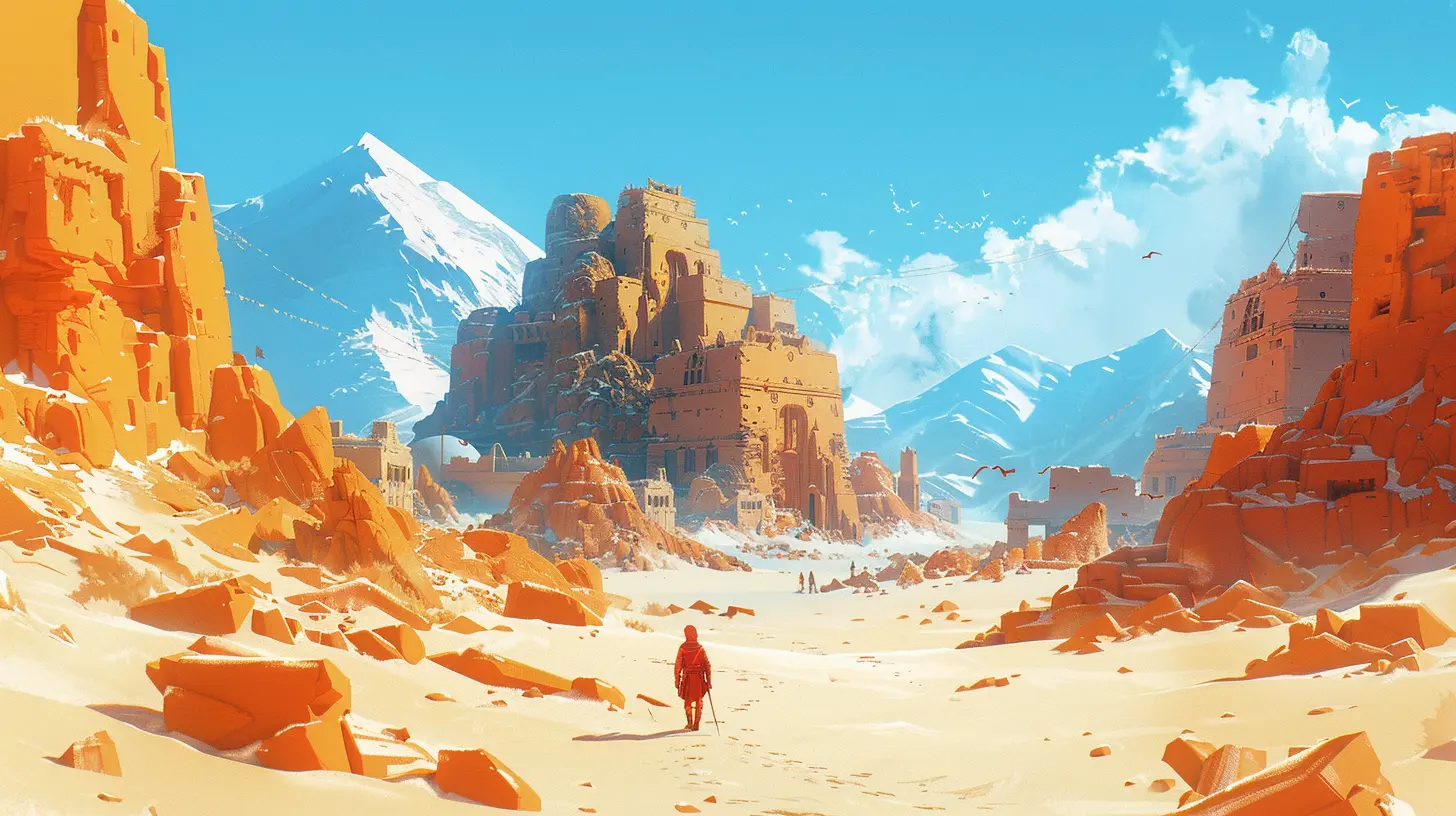
Before we jump into our top picks, let’s get our definitions straight.A minimalist game typically strips away flashy visuals, complex mechanics, and bloated content. Instead, it focuses on tight design, clean art, and core gameplay elements that carry emotional or narrative weight. Think of them like the indie films of the gaming world—small budget, maybe black & white, but man, they hit you right in the feels.
These games often:
- Use simple graphics or art styles (pixel art, stick figures, monochrome)
- Have minimal UI or HUD
- Focus on one or two mechanics
- Lean heavily on atmosphere, music, or storytelling
- Encourage player reflection or interpretation
Now, let's dive into the list.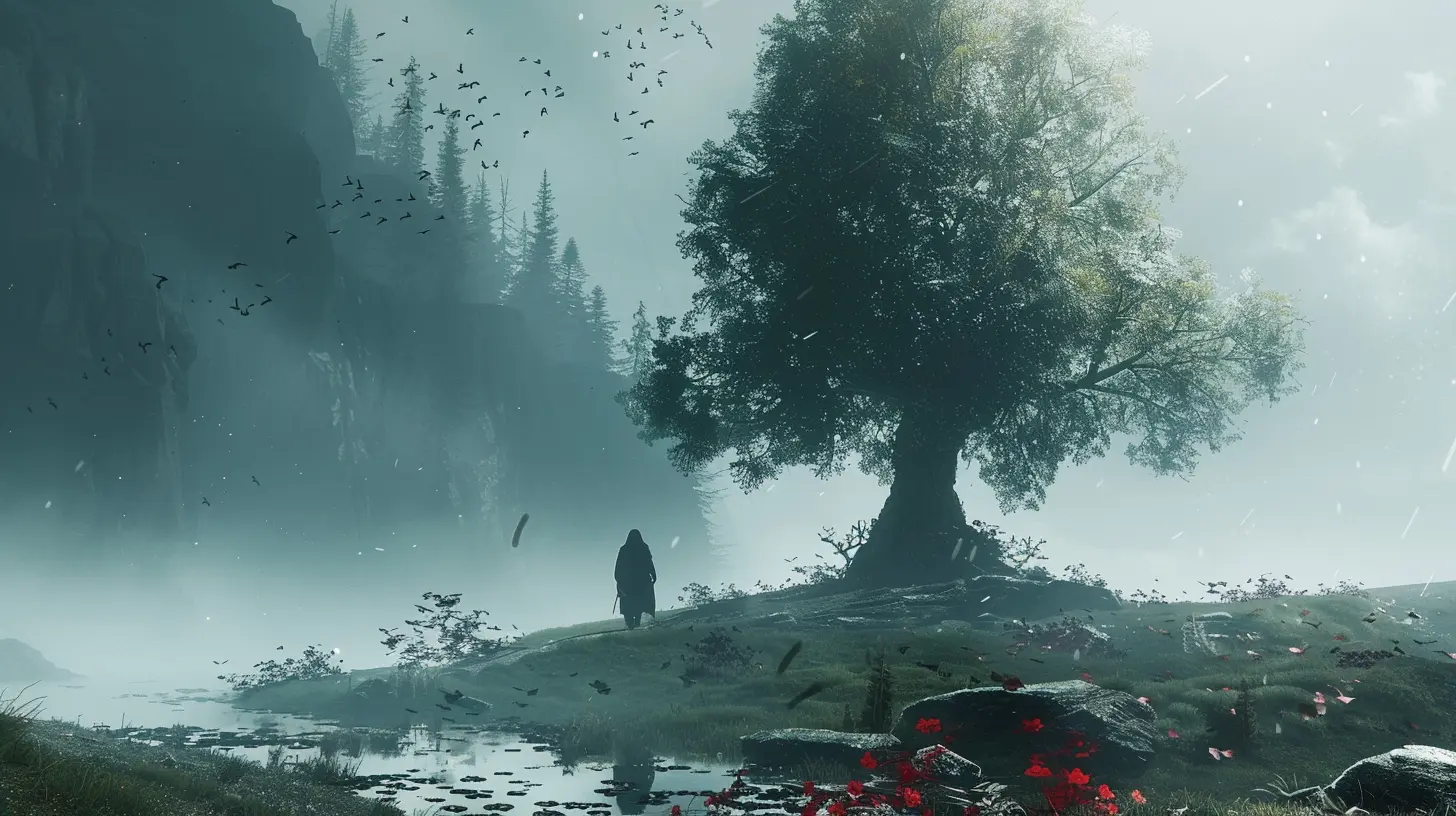
1. Journey – A Wordless Odyssey
Platform: PlayStation, PC
Developer: Thatgamecompany
If you’ve played Journey, you know exactly why it’s on this list. And if you haven’t, stop what you're doing and play it.Journey is a stunning example of storytelling without a single line of dialogue. You play as a robed figure trekking across vast deserts, ancient ruins, and snowy mountains—searching for the summit. There’s no map, no mission log, and no words.
But here’s the twist… you can encounter another player online, and though you can’t talk, you travel together, forming a quiet yet profound connection.
The quest? It’s personal. It’s metaphorical. It’s about life, death, companionship, and purpose. For a game that lasts about two hours, it leaves a lifelong imprint.
2. Undertale – Choices That Actually Matter
Platform: PC, Switch, PS4, Xbox
Developer: Toby Fox
You might be fooled by its 8-bit visuals and quirky humor, but Undertale is anything but shallow.This RPG lets you decide whether to fight or spare your enemies. That sounds basic—but your decisions have deep consequences. Like, emotional gut-punch-level consequences. Characters remember what you did. Stories shift. Endings change drastically.
What makes Undertale’s quest so deep isn’t just the story—it’s the way it reflects your morality. Are you kind? Curious? Ruthless? The game quietly watches, then shows you your reflection.
3. Hyper Light Drifter – A Wordless World, Full of Secrets
Platform: PC, Switch, PlayStation, Xbox
Developer: Heart Machine
Hyper Light Drifter throws you into a vibrant, pixel-art world teeming with mystery. There's no dialogue, no cutscenes explaining the lore—just visuals and sound doing all the storytelling.You’re a drifter exploring a fallen civilization, piecing together what happened while battling bizarre enemies and solving puzzles. The combat is slick and challenging, but what hooks you is the haunting feeling of a world once full of life… now cracked and silent.
Its quest isn’t handed to you. You find it as you explore, and every area holds echoes of something bigger.
4. Return of the Obra Dinn – Detective Work Meets Minimalism
Platform: PC, Switch, PlayStation, Xbox
Developer: Lucas Pope
Monochrome visuals. No voice acting. Minimalist UI. You’d think Return of the Obra Dinn is just another overly artsy game, right?Wrong. This is one of the most intricate puzzle games out there.
You’re an insurance investigator (yes, really) sent to figure out the fate of every crew member on a ghost ship. Using a magical pocket watch, you view the last moments of each person’s life. No quest markers. No handholding. You have to genuinely think—connect dots, deduce, and rewatch scenes until the truth bubbles up.
Every solved mystery is a mini-eureka that feels earned.
5. A Short Hike – Small Island, Huge Heart
Platform: PC, Switch
Developer: Adam Robinson-Yu
Don’t let the cozy graphics fool you—A Short Hike is more than just a pleasant trek through nature.You play as Claire, a bird waiting for an important phone call, but there’s no signal. So, you climb a mountain. Along the way, you meet quirky characters, complete sidequests, find treasures, and rediscover what really matters.
Sounds simple? It is. But the emotions it stirs up—patience, kindness, perseverance—run deep. It’s a heartfelt micro-adventure that speaks volumes without shouting.
6. Papers, Please – Moral Dilemmas in a Drab Office
Platform: PC, Switch
Developer: Lucas Pope
Lucas Pope strikes again.In Papers, Please, you’re a border agent for a fictional Eastern Bloc country. The gameplay? Stamp passports. That’s it… or so it seems.
But soon, you're deciding whether to obey the state or help someone desperate. Rejecting a husband because his wife’s papers aren’t valid? Accepting a bribe to feed your family? These tiny tasks spiral into ethical crises.
The quest isn’t about dragons or demons. It’s about integrity, survival, and the quiet battles we fight with ourselves.
7. Limbo and Inside – Wordless Horror with Depth
Platform: PC, PlayStation, Xbox, Switch
Developer: Playdead
Both Limbo and Inside are side-scrolling puzzle-platformers with minimalist black-and-white visuals. No tutorials. No explanations. Just oppressive atmosphere and clever level design.What are you doing in these worlds? Who are you running from? What’s that thing chasing you?
The deeper you go, the more questions you have—and the more disturbing it gets. These games don’t just entertain; they unsettle. Their passive storytelling keeps your brain working well after the credits roll.
8. Donut County – Absurd Premise, Smart Commentary
Platform: PC, Switch, PlayStation, Xbox, Mobile
Developer: Ben Esposito
Okay, hear me out: you play as a hole in the ground. You swallow things to grow bigger. That’s the whole gameplay loop.But Donut County takes this hilarious concept and layers in satire, lovable characters, and a narrative about gentrification, tech addiction, and consequences. All while being cute and silly.
It’s proof that even goofy games can say something big—without shouting.
Why Do These Minimalist Games Stick with Us?
It’s kind of wild how games with barely any dialogue, zero photorealistic graphics, and no sprawling maps can hit harder than those 100-hour RPGs. So what’s the secret sauce?Here’s why they work so well:
1. Focused Design
Minimalist games aren’t trying to do everything. Instead, they double (or triple) down on doing one thing insanely well. Whether it’s storytelling through mechanics, unique world-building, or emotional manipulation—everything serves a clear purpose.2. Player Imagination Fills the Gaps
Like a good book, minimalist games often leave space for you to step in. Without spoon-feeding every detail, your brain starts working overtime to fill the blanks. That creates a personal connection. You’re not just observing the story—you’re in it.3. Emotional Authenticity
When there’s less fluff, what’s left feels raw. Whether it’s a silent journey, a moral dilemma, or a quiet hike—these games whisper truths about life in ways that don’t feel forced.4. Accessibility
Because they don't rely on complex systems or high hardware demands, minimalist games can reach more people. That means indie devs can experiment and share deeply personal stories without needing millions in funding.Honorable Mentions Worth Checking Out
- Oxenfree – Teen drama meets supernatural horror with an amazing dialogue system.- To The Moon – A pixel-art RPG about love, memory, and dying wishes.
- Celeste – A tough-as-nails platformer with a surprisingly poignant story about mental health.
- Brothers: A Tale of Two Sons – Short game, massive emotional impact.
- Bastion – Minimalistic UI with a rich narrative delivered through dynamic narration.
Final Thoughts
Here’s the kicker—more isn’t always better. A minimalist game doesn’t need ten skill trees, three different currencies, or a photorealistic face to tell a story that moves you. It just needs heart, focus, and a little courage to be different.Whether you're curled up on the couch with a controller or tapping away on a laptop, these games show us that depth doesn’t demand size—it demands soul.
And in a world bursting with sensory overload, sometimes a quiet, thoughtful journey is exactly what we need.
all images in this post were generated using AI tools
Category:
Quests And MissionsAuthor:

Lana Johnson