How to Start Your Own Successful Gaming Podcast
4 January 2026
Ever sat around with your friends arguing over which console reigns supreme, or passionately debating whether open-world games are getting too bloated? What if you could take those conversations and turn them into something others would want to listen to—something real, entertaining, and even profitable? That’s where podcasting steps in.
Gaming podcasts are exploding. From industry news to game reviews to storytelling and nostalgia-packed chats about retro games, there’s room for everyone. And yes, that means you too. So, if you've been toying with the idea of launching your own gaming podcast, this guide is your ultimate walkthrough.
Let’s break it down step-by-step and turn your passion into a legit podcasting presence.
Why Start a Gaming Podcast?
First off, why even think about this? Simple: because people love talking—and listening—about games.Gaming is no longer a niche hobby. It’s a culture. Podcasts let you tap into communities, build your voice, and share your hot takes, deep dives, or hilarious fails with the world. Plus, with a relatively low start-up cost and the chance to monetize later, it’s one of the best creative outlets for gamers today.
Step 1: Define Your Niche
Before you even touch a mic, ask yourself: What kind of gaming podcast do you want to create?Here are a few popular niches to consider:
- News and updates: Cover the latest in gaming headlines, releases, and controversies.
- Game reviews and critiques: Dive deep into mechanics, storylines, and gameplay.
- Retro gaming: Appeal to nostalgia lovers with throwback titles and console history.
- Let’s Plays & storytelling: Share your playthroughs or craft a narrative experience.
- Esports & competitive gaming: Focus on professional gaming scenes and tournaments.
- Interviews: Talk to developers, streamers, other podcasters, or passionate fans.
Choose your niche wisely. If it's something you genuinely enjoy, consistency won’t be a struggle. And trust me, listeners can tell when you're faking it.
Step 2: Know Your Audience
Once you’ve picked your niche, zero in on your target audience. Are they die-hard PlayStation fans? Indie game enthusiasts? Lovers of obscure RPGs?Knowing your audience helps shape your content, tone, and even your episode length. It also helps when you start promoting your podcast—you’ll know exactly where to find your listeners.
Ask yourself questions like:
- What age range am I targeting?
- Do they prefer casual banter or deep-dive analysis?
- What platforms are they on? (Reddit? Discord? Twitter?)
Understanding these points can guide your branding and help keep listeners coming back.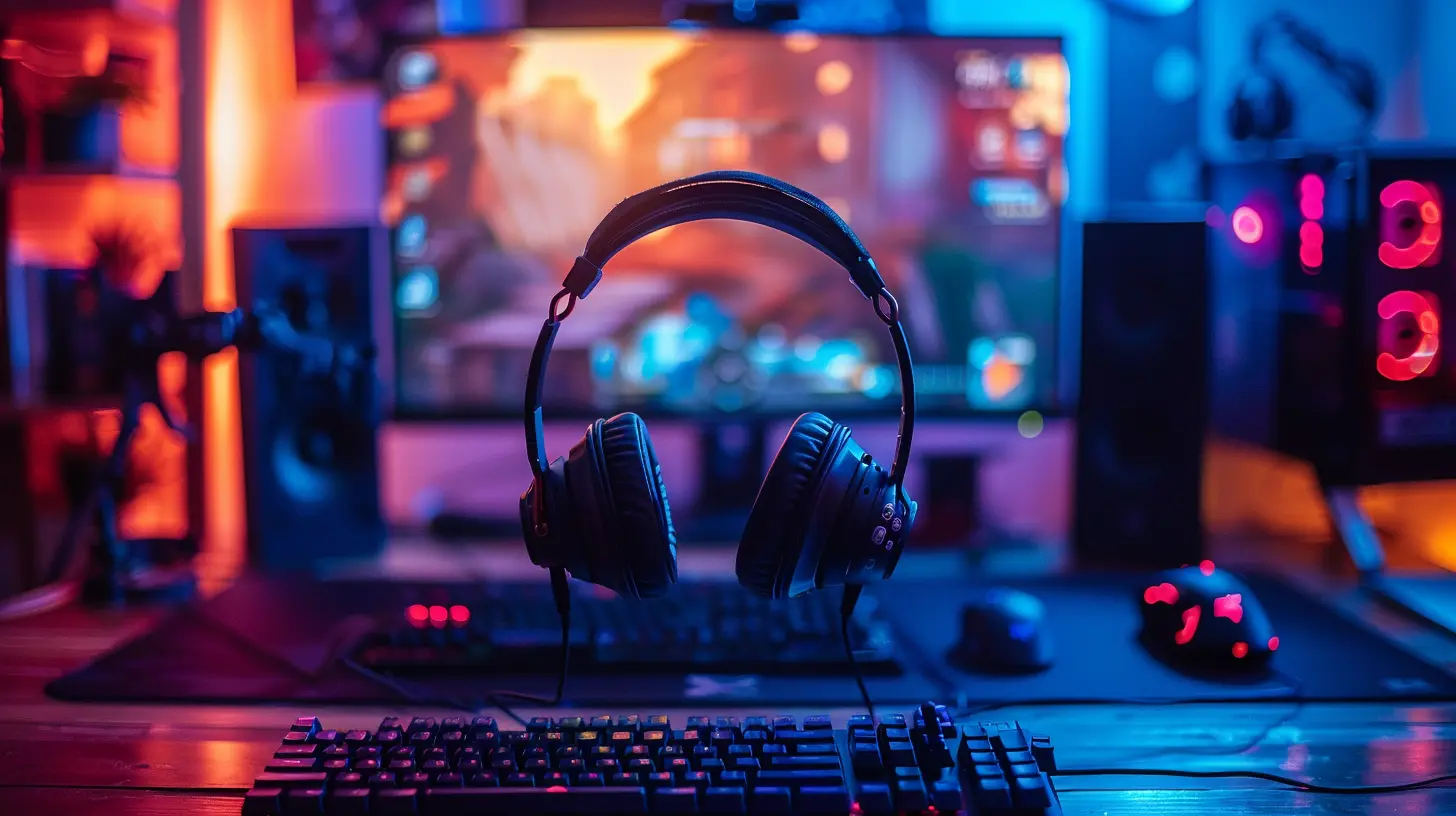
Step 3: Choose the Right Format
Now that you understand your niche and audience, it’s time to figure out how your show is actually going to sound.Here are some common podcast formats:
- Solo shows: Just you sharing your thoughts. Great if scheduling guests is tough.
- Co-hosted: Perfect for casual banter and different perspectives.
- Interview-based: Invite guests to add value and variety.
- Roundtables: Multiple guests discussing a hot topic can lead to great engagement.
Choose something that feels natural to you. If you’re better at bouncing ideas off someone, bring in a co-host. If you’re a storyteller, solo might be your jam.
Step 4: Get the Right Equipment
Don’t panic—you don’t need broadcast-studio gear. But you do need decent audio quality. Listeners will forgive a missed joke, but static and echo? Not so much.Here’s what you need to get started:
- Microphone: A good USB mic like the Blue Yeti or Samson Q2U works wonders.
- Headphones: To avoid audio bleed and hear your recordings clearly.
- Pop filter: Minimizes popping sounds from hard consonants.
- Audio interface (Optional): If you’re using an XLR mic, this is essential.
- Recording/Editing software: Audacity (free), GarageBand (Mac), or Adobe Audition.
Setup doesn’t need to be perfect, just clean and clear. You can always upgrade later.
Step 5: Craft a Killer Brand
Your gaming podcast needs to stand out, and branding is how you do that. Good branding makes you recognizable and memorable in a sea of gaming pods.Here’s what you’ll need:
- Podcast name: Keep it short, catchy, and related to your niche.
- Cover art: This is your first impression—make it eye-catching and professional.
- Intro/Outro music: Sets the tone and adds a polished feel.
- Tagline: A quick sentence that explains what your podcast is all about.
This branding has to reflect your vibe. Are you edgy and sarcastic, or informative and serious? Let that personality bleed through.
Step 6: Plan Your First Episodes
Planning beats winging it every time. Start by outlining your first 5–10 episodes. This helps build momentum and avoids that dreaded “episode one” paralysis.Each episode should have:
1. A catchy title: Keywords help with SEO, but also make it interesting.
2. Clear structure: Intro > Main topic(s) > Outro. Simple.
3. Segment ideas: Regular features like “Game of the Week” or “Hot Takes” can keep listeners engaged.
Writing bullet points (not full scripts) can keep your delivery natural while making sure you hit all the essential parts.
Step 7: Record Like a Pro
Time to hit record—but how do you make sure you sound good?Here’s a few tips:
- Record in a quiet, echo-free space (closets weirdly work great).
- Do a couple of test runs before recording an actual episode.
- Speak clearly, and smile—it actually makes your voice sound warmer.
- Don’t stress over mistakes. You can (and should) edit.
Consistency is key. Even if it’s awkward at first, you’ll improve with every episode.
Step 8: Edit and Polish
Editing is where the magic happens. You’ll trim dead air, remove "ums" and "uhs", level out loudness, and maybe add music or effects.Basic editing workflow:
- Import your audio file into your editing software.
- Cut out any awkward pauses or mistakes.
- Boost your levels and remove background noise.
- Add intro/outro music and any sound effects.
- Export in MP3 format (128kbps is standard).
Keep your editing tight but real. You want to sound professional, not robotic.
Step 9: Choose a Hosting Platform
You need a podcast hosting service to store your audio files and distribute your show to platforms like Apple Podcasts, Spotify, and Google Podcasts.Popular hosting services:
- Buzzsprout
- Podbean
- Anchor
- Libsyn
- Transistor
These services will generate your RSS feed and help track analytics like downloads and listener locations.
Step 10: Publish and Promote
You’ve got your podcast! Now what? You need ears. Lots of ears.Promotion is half the game—and here’s how to play it:
- Social media: Post clips, teasers, and opinions. Use trending hashtags.
- Gaming communities: Reddit, Discord, Facebook groups—they’re goldmines.
- Collaborate: Appear on other podcasts or host fellow gamers.
- YouTube: Repurpose content into videos or audiograms.
- Email newsletters: Build a list and keep your audience updated.
Also, ask for reviews and ratings. They help more than you think.
Step 11: Stay Consistent and Keep Evolving
Success doesn’t happen overnight. Podcasts are marathons, not sprints.Here’s how to keep growing:
- Stick to a schedule: Weekly, bi-weekly—whatever works, but be consistent.
- Listen to feedback: Adjust your format or topics based on listener input.
- Watch analytics: See what episodes perform best and double down.
- Keep learning: Pay attention to what top podcasters do. Invest in better gear over time.
Treat your podcast like a live service game—it gets better with every update.
Step 12: Monetize (When You’re Ready)
Don’t worry about the money at the beginning. Focus on building an audience. But when you're ready, here are some options:- Sponsorships: Partner with brands relevant to your niche.
- Listener donations: Platforms like Patreon or Buy Me A Coffee.
- Merch: T-shirts, mugs, and gaming gear with your branding.
- Affiliate marketing: Share links to products and earn commissions.
Monetization works best when your audience trusts you. Don’t rush it—earn it.
Final Thoughts
Starting your own successful gaming podcast isn’t rocket science, but it does take effort, consistency, and a real love for games. It’s about connecting with people who think and feel the way you do about the magical worlds games create.So, pick up that mic, speak your mind, and hit that record button. Your audience is out there—game on!
all images in this post were generated using AI tools
Category:
Gaming PodcastsAuthor:

Lana Johnson
Discussion
rate this article
2 comments
Sadie Nguyen
Engage your passion and audience; authenticity and consistency are key to creating a successful gaming podcast.
January 12, 2026 at 4:12 AM
Lana Johnson
Absolutely! Passion, authenticity, and consistency are essential for connecting with your audience and building a successful gaming podcast.
Jessica Black
Great tips! Starting a gaming podcast sounds like an exciting adventure. Can’t wait to dive in and share my passion with fellow gamers. Thanks for the inspiration!
January 7, 2026 at 3:44 AM
Lana Johnson
Thank you! I'm thrilled you found the tips helpful. Best of luck with your podcasting journey—it's going to be an exciting adventure!