How Social Media Has Shaped Modern Game Culture
23 April 2026
Let’s face it—gaming isn’t what it used to be. Gone are the days when playing video games meant huddling around a dusty PS2 or swapping cheat codes with your friends after school. Fast-forward to today, and thanks to social media, game culture has exploded into a vibrant, global experience.
But how exactly did social media become such a driving force behind this evolution? That’s what we’re diving into today. Grab your headset, because we’re about to take a deep dive into how platforms like Twitter, Twitch, TikTok, and Reddit are changing the way we game—and more importantly—how we connect over games.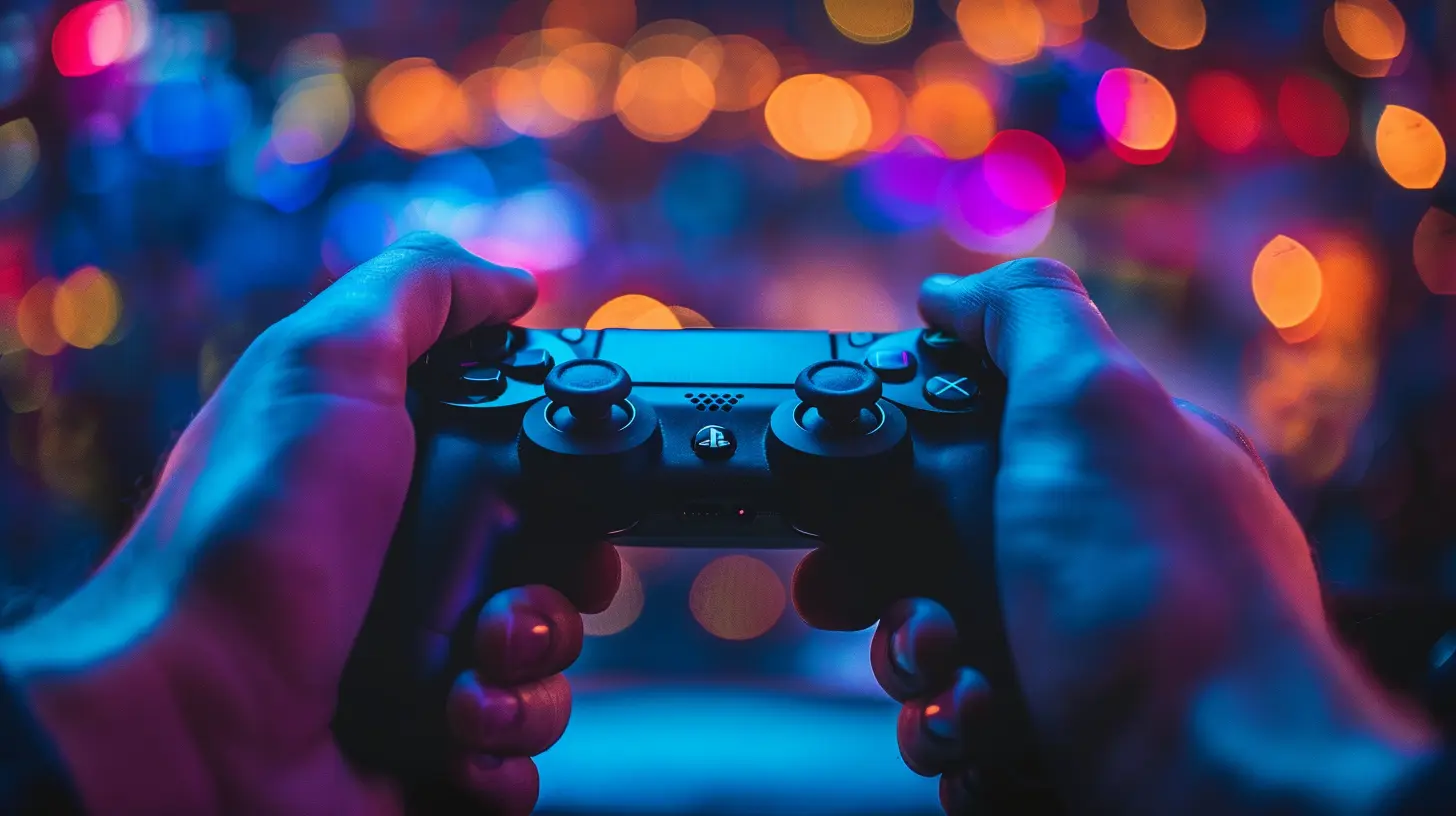
A Whole New Playing Field: From Couch Co-Op to Global Communities
Once upon a time, multiplayer gaming meant inviting someone over to your house. Now, all you need is a headset and a decent Wi-Fi connection to team up with players from halfway across the world. Social media has played a massive role in turning gaming into a worldwide community.Online Cliques and Gaming Tribes
Think of social media as a virtual cafeteria—you’ve got your Fortnite kids on TikTok, retro RPG lovers on Reddit, and competitive League players arguing on Twitter. Whatever your gaming style, there's a digital group waiting for you. These platforms allow gamers to find their people, whether they’re sharing memes or posting 360 no-scope clips.Hashtags and Gaming Trends
Remember when #AmongUs suddenly took over every timeline? Or the insane hype around #EldenRing before its release? That’s social media doing its thing. Gamers now rally around hashtags, sharing in the excitement, disappointment, or unexpected hilarity of game releases and updates.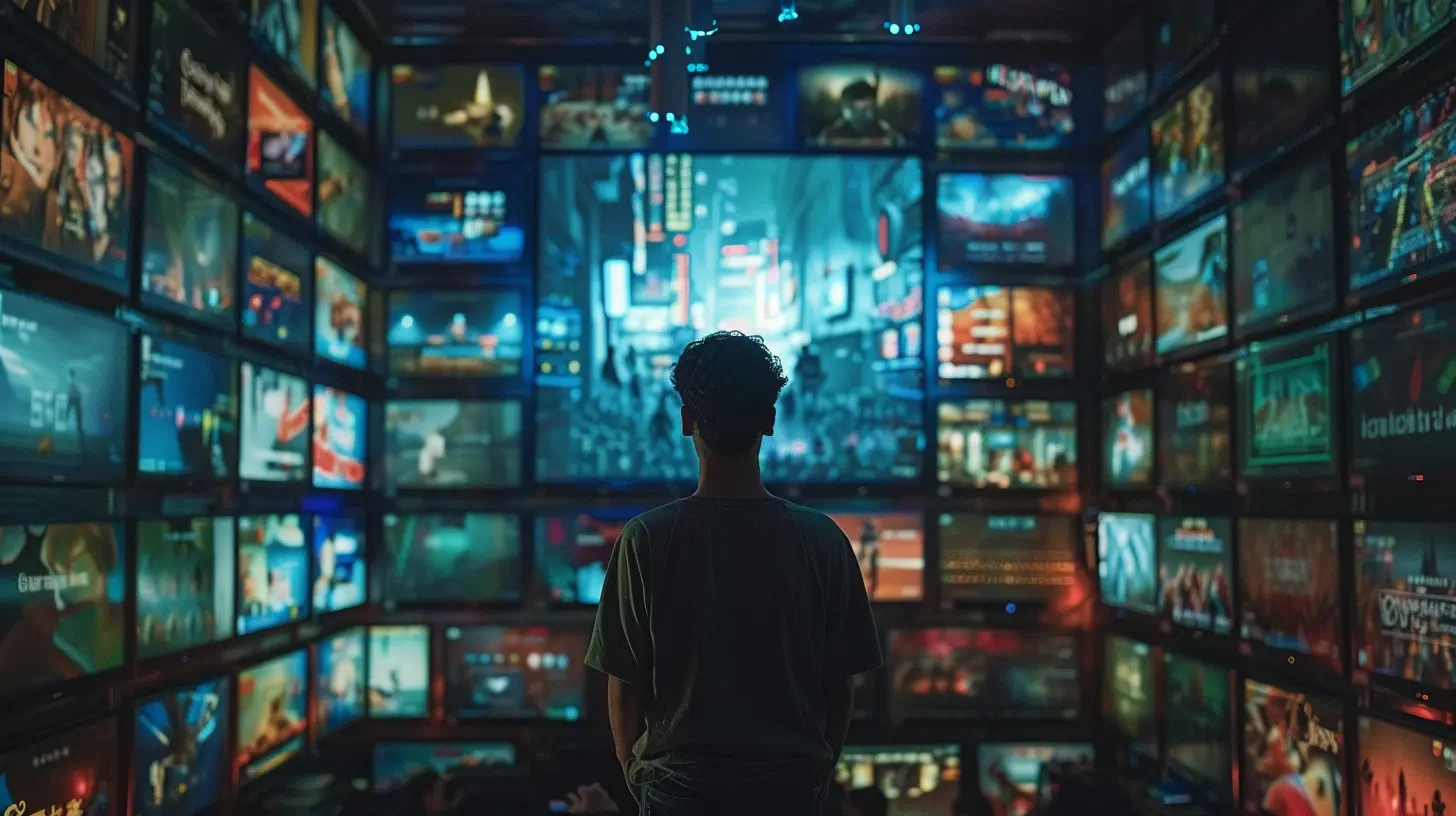
Twitch, YouTube, and the Streaming Revolution
What used to be a hobby is now a full-blown career path. Streaming has redefined what it means to be a “gamer” in modern culture. Platforms like Twitch and YouTube Gaming brought about a new breed of celebrity: the gaming influencer.Gamers Turned Entertainers
Ninja, Pokimane, Markiplier, and countless others have turned gameplay into entertainment gold. They’re not just playing—they’re storytelling, commentating, and building empires. Millions tune in not just to watch the game, but to experience the personality behind the controller.Sharing Wins, Fails & Everything In-Between
Streaming also opened the door to raw, unedited gaming moments. Whether it’s a clutch win in Warzone or a hilarious glitch in Cyberpunk 2077, players can now broadcast their real-time reactions. This kind of transparency has made gaming feel more authentic—and much more connected.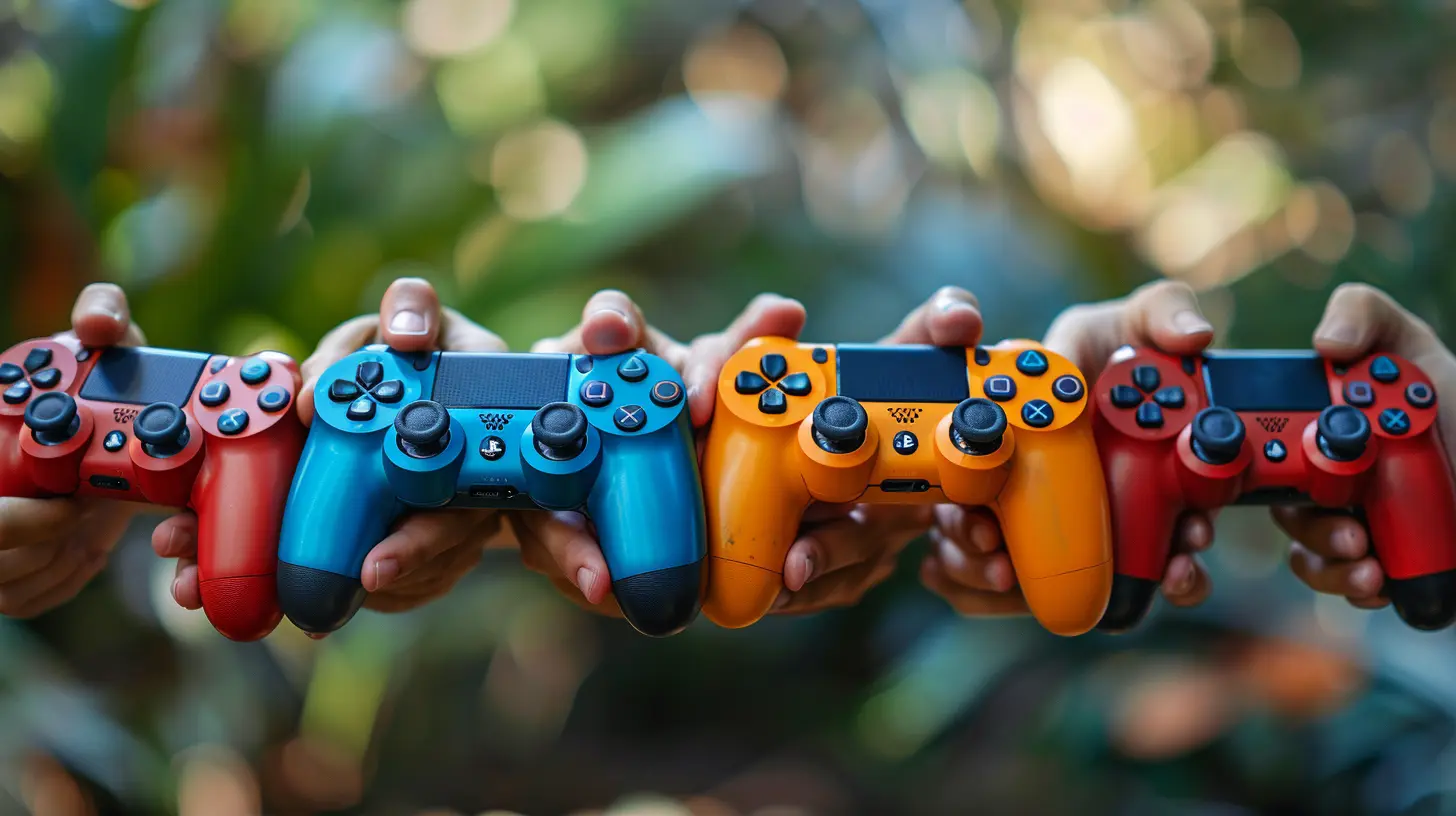
Game Development Goes Social
Developers aren’t hiding behind walls anymore. With social media, they’re actively talking with the community, teasing updates, and even taking feedback. This two-way communication means fans feel more involved in the games they love.The Rise of Dev Transparency
Think about how CD Projekt Red handled the backlash post-Cyberpunk 2077’s launch. They turned to Twitter and YouTube to address the issues head-on. Or take smaller studios like the Hollow Knight developers—Team Cherry keeps fans in the loop through every delay and update.Crowdsourcing Game Ideas
Some indie developers pull ideas directly from fan suggestions posted on Reddit or Discord. It’s like open-source meets creativity—gamers influencing the very worlds they’re set to explore.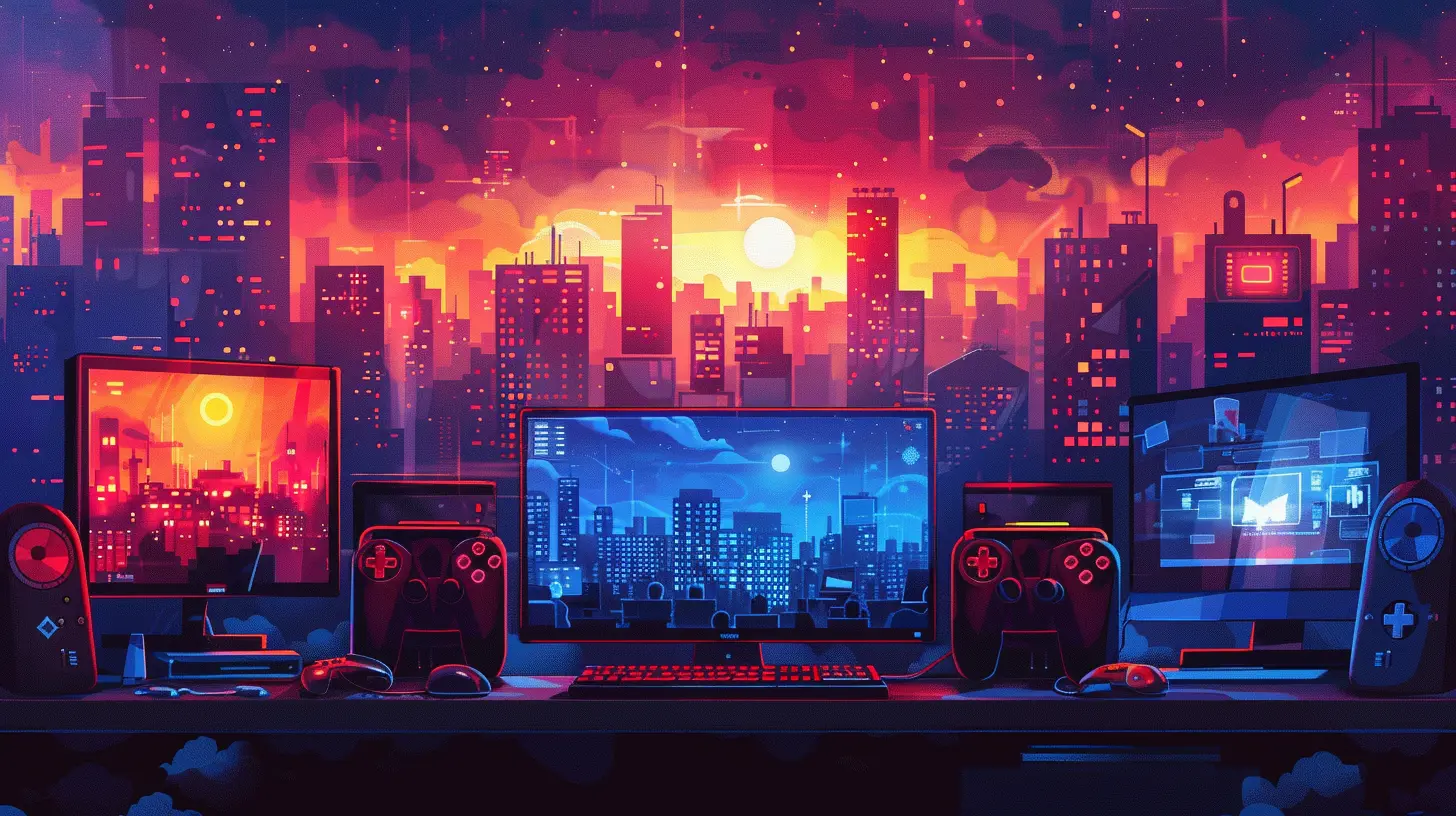
Memes, Mods, and User-Generated Madness
Nothing spreads faster than a meme—and the gaming world is full of 'em. Social media has become the battleground for meme lords, modders, and creative storytellers who push the limits of what games can be.Gaming Memes Fuel Virality
Skyrim guards and their arrow-in-the-knee lines? A meme classic. These moments become inside jokes that transcend the game itself. Social media keeps these cultural touchstones alive long after a game’s release.Mod Culture Takes Over
Thanks to platforms like YouTube and Reddit, mods can go viral overnight. Ever seen Thomas the Tank Engine as a dragon in Skyrim? Yeah, that’s mod culture at its finest. These user-generated tweaks often breathe new life into old titles.Game Reviews & Hype Cycles: It’s All Public Now
Remember when gaming reviews were only in magazines or websites? Now, a single viral tweet can make or break a game’s reputation.Instant Feedback Loops
Games don't exist in vacuums anymore. As soon as a title drops, Twitter threads, TikTok reactions, and livestreams flood the internet. Gamers are no longer waiting for official reviews—they’re watching their favorite streamer or checking Reddit for real-time impressions.Cancel Culture Hits Gaming
Let’s not sugarcoat it—social media isn’t always a friendly place. Controversies like loot boxes, overpriced DLCs, or game-breaking bugs can spark outrage, boycott calls, or worse. Developers have to be on their toes because the internet never forgets.The Rise of Cosplay and Fan Art
Social media turned gaming into a visual art form. Platforms like Instagram and Pinterest have given cosplayers and fan artists a huge stage to showcase their talent.Celebrating Character Culture
Characters like Geralt from The Witcher or Aloy from Horizon Zero Dawn are more than just playable heroes—they’re icons. Cosplayers bring these characters to life, and fan artists reinterpret them in stunning ways. Social media acts as both gallery and global stage.Events & Virtual Conventions
Even gaming conventions have moved online—events like BlizzCon or E3 now livestream everything. Fans participate from all over the world, sharing their cosplay, fan theories, and reactions in real time.The Power of Influencers & Fandoms
Let’s talk fandoms. They’re more than just fans—they’re online armies with memes as weapons and loyalty as their armor.Influencers Are the New Game Marketers
Influencers don’t just play games; they sell them. A single tweet from a popular streamer playing an indie game like Hades can cause sales to spike. It’s digital word-of-mouth on steroids.Dedicated Fandoms Write the Narrative
Ever checked out #ZeldaTheory or followed the lore detectives in the Dark Souls community? These fans aren’t just playing; they’re dissecting, theorizing, and storytelling. They help shape the community's interpretation and experience of games.Social Media Fuels Esports & Competitive Gaming
Esports isn’t just a niche anymore—it’s prime-time entertainment. Social media has helped esports grow from underground tournaments to sold-out stadiums and million-dollar prize pools.Hype, Highlight Reels & Hashtags
Every big play, every championship win—it all trends on socials. Fans clip moments, share breakdowns, and meme the losses. It turns every match into a shared experience, even if you're watching alone.Teams & Brands Go Digital First
Esports teams now have branding strategies, social media managers, and meme teams. Whether it's FaZe Clan or TSM, their online presence is just as important as in-game performance.TikTok, Reels, and the Rise of Short-Form Gaming Content
Short-form video is dominating social media, and gaming content is thriving on it. TikTok, Instagram Reels, and YouTube Shorts have become hotbeds for quick gaming clips, tutorials, and hilarious fails.Bite-Sized Brilliance
Why watch a 20-minute video when a 15-second clip gives you the dopamine hit? Whether it’s a god-tier Valorant ace or a perfectly timed Skyrim bug, short-form vids are becoming the new game trailers.Trends Start Here
TikTok challenges, sound bites, and filters turn niche games into viral sensations. Ever wonder why a 5-year-old game randomly trends? Chances are, someone made a killer TikTok about it.The Dark Side: Harassment, Toxicity & Overexposure
Okay, we can’t pretend it’s all sunshine and GG’s. With great power comes… well, trolls.Online Harassment & Burnout
Streamers and content creators often face intense pressure. Harassment, doxxing, or just toxic fanbases can be mentally exhausting. It's a double-edged sword: the fame brought by social media comes with constant scrutiny.Too Much of a Good Thing?
Sometimes, the endless stream of content can be overwhelming. The FOMO is real. Between daily Twitch streams, constant game updates, and viral trends, it’s easy to burn out.So, What’s Next?
Social media isn’t slowing down, and neither is gaming. With the rise of the metaverse, VR, and AI-enhanced content, the relationship between the two is only getting tighter.Maybe the next big gaming trend won’t come from a developer at all—but from a TikTok creator, a tweet that goes viral, or a Reddit post with 10k upvotes.
So keep scrolling, keep streaming, and keep sharing—because you're not just playing games anymore.
You're shaping the culture.
all images in this post were generated using AI tools
Category:
Game CultureAuthor:

Lana Johnson
Discussion
rate this article
2 comments
Murphy McLaury
This article effectively captures the transformative role of social media in shaping modern game culture. It highlights how platforms foster community, influence trends, and enhance player engagement. The insights on interactions between gamers and developers are particularly compelling. A must-read for anyone interested in the future of gaming!
April 25, 2026 at 3:27 AM
Lana Johnson
Thank you for your thoughtful comment! I'm glad you found the insights valuable. Social media truly has changed the gaming landscape in exciting ways.
Alice Benton
Great insights! Social media truly transformed gaming communities.
April 23, 2026 at 4:33 AM
Lana Johnson
Thanks! It's fascinating to see how social media connects gamers and fosters vibrant communities.