How Player Choice is Reshaping Narrative Design
10 March 2026
Let’s face it—once upon a time, video games held us hostage to the story they wanted to tell. You were the hero, whether you liked it or not. The princess was in another castle, and your dialogue choices were more like “Yes,” “Definitely,” or “Of course.” But oh, how the tides have turned!
Today, we’re living in a golden age where player choice is no longer just a gimmick—it's the beating heart of narrative design. From moral dilemmas to game-altering decisions, the stories we experience in games are no longer just scripted tales; they’re collaborative adventures, shaped with our fingerprint on every chapter.
So, grab your favorite controller or mouse, and let’s dive into how player choice is flipping the script—literally.
What Exactly Is Narrative Design in Games?
Okay, before we go full Skyrim on this topic, let’s ground ourselves for a sec. Narrative design is the art (and trust me, it is an art) of crafting the storytelling elements in a game. That means the plot, characters, dialogue, world-building—basically everything that makes you care about what’s going on beyond the bullets and boss fights.Now, throw in player choice, and you’re not just being told a story; you’re living and changing it. It amps up immersion, stakes, and replay value. But it's not just about branching paths and multiple endings—it’s about making the player feel like they actually matter.
From Linear to Living: The Evolution of In-Game Decisions
Remember those old-school games where the “choice” was to go left or right? Good times. But those days are long gone.1. The Rise of the Branching Narrative
Games like Mass Effect, Detroit: Become Human, and The Witcher 3 pushed the envelope on complex decision trees. Your choices could determine who lives, who dies, and whether your character walks the path of a saint or a total maniac. These aren’t just minor detours—they’re full-on narrative rewrites.Take Mass Effect, for example. Commander Shepard’s decisions can carry over across multiple games. What you did in Game One echoes in Game Three. That’s not just a butterfly effect—it’s a narrative hurricane.
2. The Emergence of Moral Ambiguity
Gone are the days of black-and-white morality meters. Today’s games thrive in the gray zone. Titles like Disco Elysium and Papers, Please thrive on letting you wrestle with complex human decisions. Should you lie to protect someone? Is justice more important than loyalty? These aren't just choices; they're gut punches wrapped in dialogue boxes.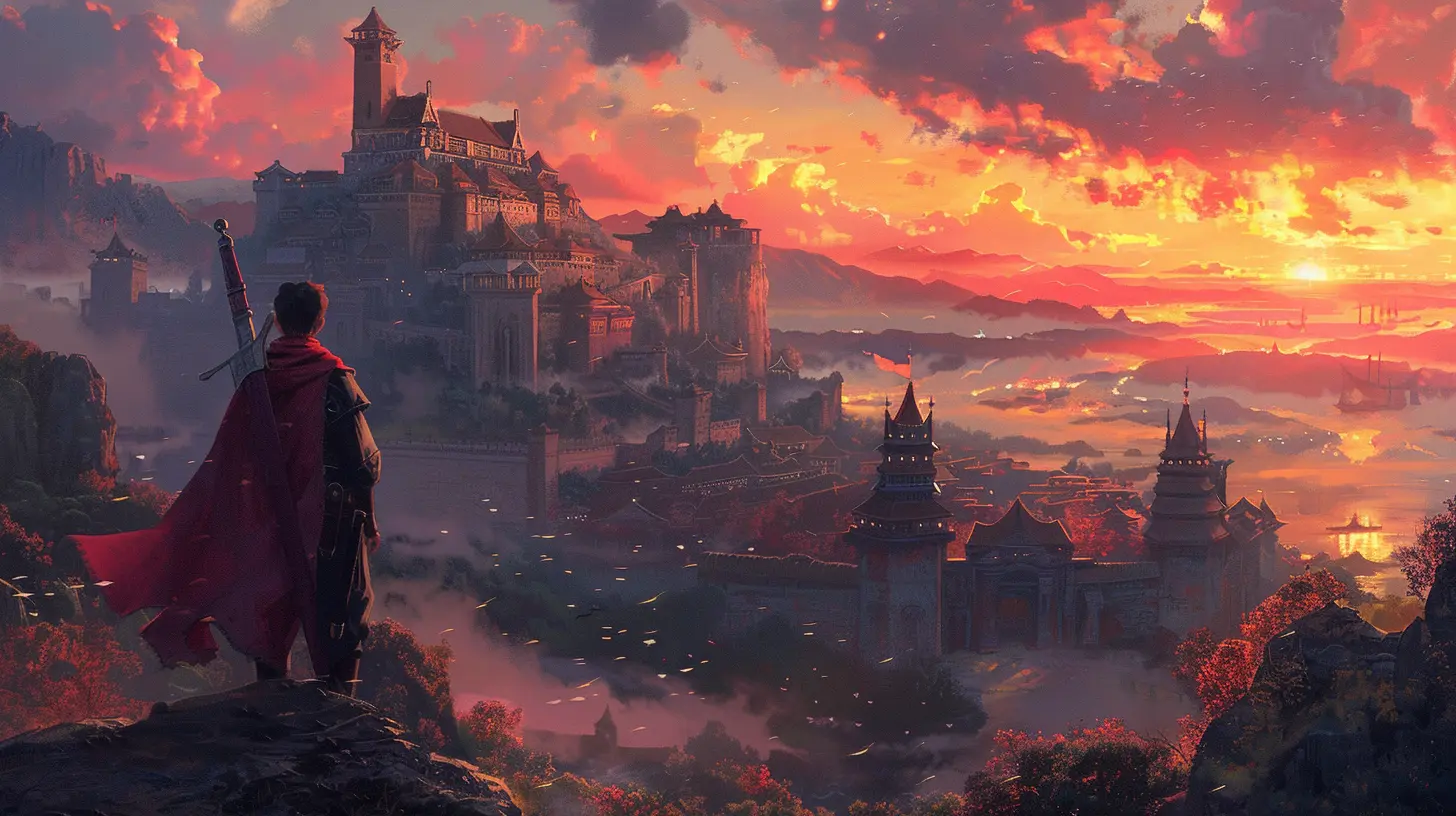
Why Player Choice Feels So Darn Good
Let’s call it what it is: being in control feels awesome. It’s like building your own pizza—you get to choose the toppings, and maybe you even go pineapple (you rebel, you).1. Ownership of the Story
When players are free to make decisions, they own the narrative. That victory? Yours. That tragic loss? Oof… also yours. But you felt it, right? That’s what sets interactive stories apart from passive ones like movies or books. You’re not sitting back—you’re steering the ship.2. Emotional Investment
It’s simple: when choices matter, stakes climb. Suddenly, that NPC you’ve been traveling with for 40 hours isn’t just another character—they’re your battle buddy. Losing them hits different when you were the one who decided to take that risky route.Look at Life is Strange. The ending doesn’t just depend on a few arbitrary player actions. It’s heavily influenced by the emotional connections you’ve nurtured throughout the game. That final choice? Yeah, it wrecked us all. And that emotional haymaker only lands because of the investment the game builds through meaningful choices.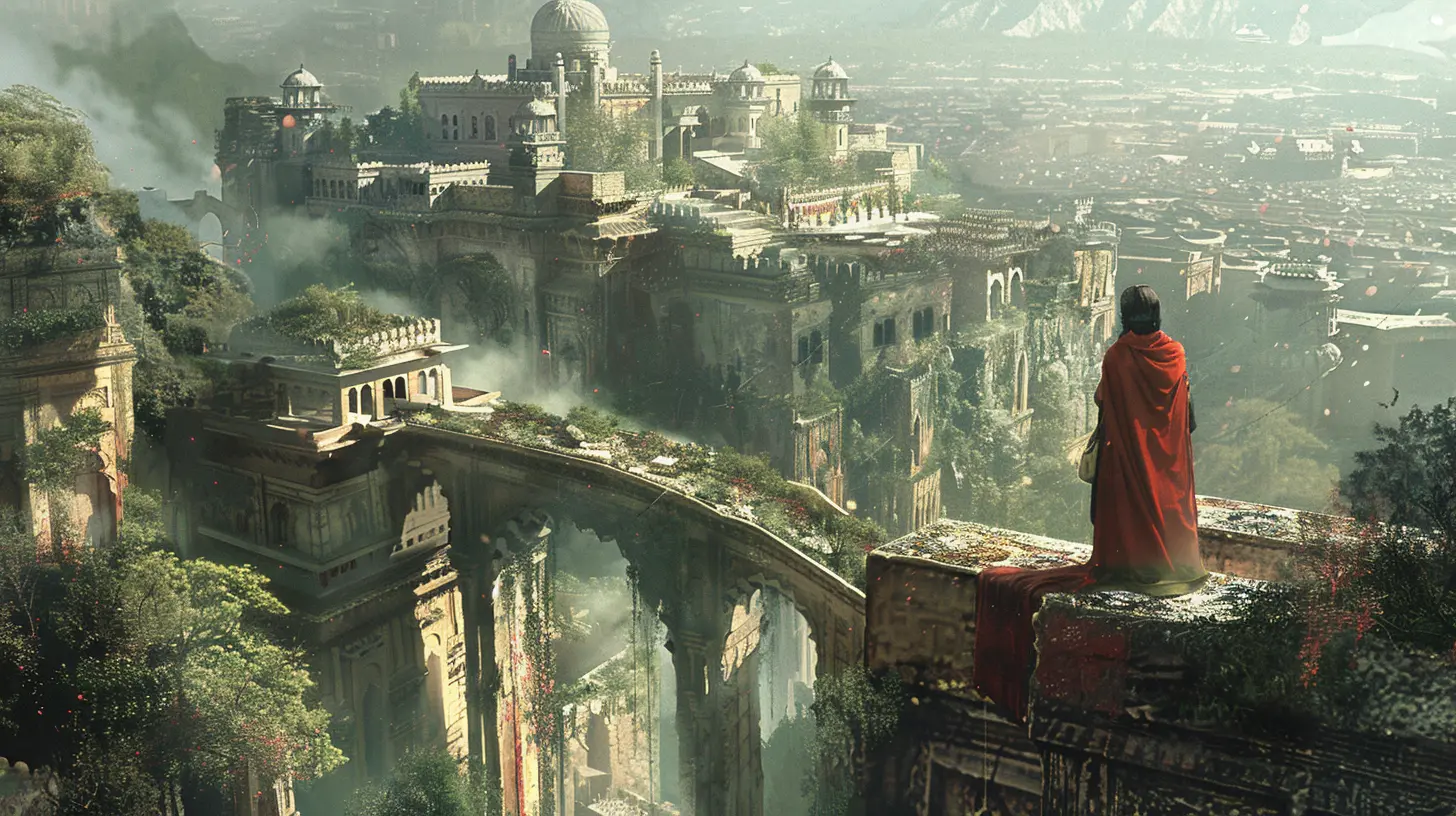
The Technical Wizardry Behind Player Choice
Alright, real talk—it’s no cakewalk designing these systems. Giving players freedom while maintaining narrative cohesion? That’s like juggling flaming swords while riding a unicycle. Blindfolded.1. Branching Dialogue and Script Management
Imagine writing a 1,000-page novel... now imagine rewriting that novel ten different times depending on what the reader decides. That’s basically what game writers and designers are dealing with.To keep it all straight, developers use scripting tools, flowcharts, and narrative engines to track player decisions and change outcomes dynamically. It’s part storytelling, part programming, and part mind-reading.
2. Reactive NPCs and World Design
Ever notice how in Red Dead Redemption 2, townsfolk react differently if you roll in after a bender of crimes versus a spree of good deeds? That’s reactive storytelling. The game observes your behavior and morphs the world around you. It’s like being in your own personal soap opera... with shotguns.Indirect Choices Matter Too
Not all meaningful choices come stamped with a “Choose A or B” label. Sometimes it’s subtle—like choosing to explore a certain area, or how you approach a mission.1. Environmental Storytelling
Games like Dark Souls and Breath of the Wild reward curiosity. The story isn’t spoon-fed; it’s scattered like breadcrumbs. You uncover the lore through exploration, observation, and deduction. Every discovered ruin or hidden note adds a new layer to the narrative—your narrative.2. Player Behavior as Narrative
Ever played Hitman like a ghost, never being seen? Or maybe you’re more of a chaos gremlin dropping chandeliers on guards. Either way, your playstyle becomes a storytelling tool. You’re writing your own spin on the narrative with every action.Tough Choices = Unforgettable Moments
The truth? We remember the tough calls. The moments when we had to sit at the screen for three full minutes wondering, “Do I really want to do this?” Those are the goosebump-inducing moments.Real Talk: The “Press X to...” Dilemma
Let’s talk about that infamous scene in Spec Ops: The Line. Without spoilers, the game forces you to confront the morality of your decisions in a brutal, unflinching way. It doesn’t just ask you to press X—it makes you question why you’re pressing it.These gut-wrenching choices leave a lasting impact because they challenge us. They push the boundaries of what we expect from games. And sometimes, they even make us a little uncomfortable—which, honestly, isn’t a bad thing.
The Future of Narrative Design: Where Are We Headed?
The horizon is looking mighty interesting. With AI, machine learning, and procedural storytelling on the rise, the possibilities for player-driven narratives are basically infinite.1. Personalized Storytelling Powered by AI
Imagine a game where the story adapts not just to your choices, but to your personality. Games could learn your habits, fears, and preferences, crafting a story that feels tailor-made. Kinda like Netflix, but way more intense (and yes, with more explosions).2. Multiplayer Choices That Matter
Right now, most impactful choices happen in single-player games. But studios are starting to experiment with player choice in multiplayer environments. Think Sea of Thieves or Baldur’s Gate 3. What if your party’s choices not only shaped your story but the world’s entire lore? That’s a whole new layer of chaos—and we love it.Why You Should Care (Even If You’re Just Here for the Explosions)
Maybe you’re not into story-driven games. Maybe you just want to shoot stuff and mash buttons. Totally fair! But even then, player choice is creeping into your world whether you notice it or not.Games today are becoming more personal, responsive, and immersive. They’re not just about what happens—they’re about what happens because of you. And that’s a pretty powerful thing.
So next time a game asks you to make a choice—big or small—pause for a second. There’s a good chance it’s more than just a button press. It’s a nudge to create your version of the story.
Final Thoughts: The Player as Co-Author
Here’s the deal: games used to be books we read. Now they’re books we write—one decision at a time. Every choice, from the noble to the chaotic, adds a little flavor to the tale. And that messy, unpredictable, player-written story? That’s where the magic happens.Gaming’s evolution into a storytelling medium has opened the doors for deeper, more personal experiences. And at the center of it all is one beautifully chaotic element: You.
So go ahead, make that questionable decision. Romance the villain. Save the dragon instead of slaying it. After all, it’s your story. Own it.
all images in this post were generated using AI tools
Category:
Game CultureAuthor:

Lana Johnson
Discussion
rate this article
2 comments
Sloane Vasquez
Player choice isn't just reshaping narratives; it's flipping the script entirely! Developers better keep up or risk writing themselves out of the story. We're not here for bland plots—we want twists, turns, and a chance to be the hero (or villain). Let the choices reign supreme!
March 22, 2026 at 4:31 AM
Lana Johnson
Absolutely! Player choice is revolutionizing storytelling. It encourages developers to innovate and create dynamic experiences, ensuring every decision shapes the narrative. We all crave that unpredictability and empowerment in our gameplay.
Elara Velez
This article insightfully explores the evolving dynamics of player choice in narrative design, highlighting how interactive storytelling fosters deeper engagement and emotional investment, ultimately redefining how we experience and understand game narratives.
March 15, 2026 at 3:52 PM
Lana Johnson
Thanks for your thoughts! I'm glad you found the exploration of player choice engaging. It's exciting to see how these dynamics continue to transform storytelling in games.