How Multiplayer Games Handle Quests Differently
17 August 2026
If you’ve ever jumped from a single-player RPG to a sprawling multiplayer game, you’ve probably felt that massive shift in how quests are structured. It’s like going from reading a novel alone in your room to trying to write a group story with a bunch of your buddies—who all want to be the main character.
Quests are the heart of gaming. They give us purpose, direct us through worlds teeming with danger and adventure, and reward us for sticking it out. But throw multiple players into the mix, and suddenly, it’s not just your story anymore. Multiplayer games have had to craft clever, flexible ways to make quests work for everyone.
So how do multiplayer games handle quests differently? Let’s take a deep dive.
Table of Contents
1. Single-Player vs. Multiplayer Questing2. The Challenges of Multiplayer Quest Design
3. Types of Multiplayer Quests
4. Quest Progression and Syncing
5. Narrative vs. Gameplay – The Big Trade-Off
6. Instancing: A Game-Changer
7. Dynamic and World Events
8. How Different Genres Handle It
9. The Role of Player Choice
10. The Future of Multiplayer Questing
Single-Player vs. Multiplayer Questing
Before we go full throttle into mechanics and systems, let’s first talk about the core difference between single-player and multiplayer quests.In single-player games, quests are tailored for you. The NPCs talk directly to your character. The choices you make ripple through the world. You’re the hero (or anti-hero), and the spotlight never shifts.
Now toss in 50 other players. Or 5,000.
Suddenly, that NPC who said, “You're the chosen one” is also saying the exact same thing to the person next to you. It kind of breaks the immersion, doesn’t it?
This is why multiplayer games have had to reinvent how quests are presented and progressed. It’s less about personal storytelling and more about shared experiences.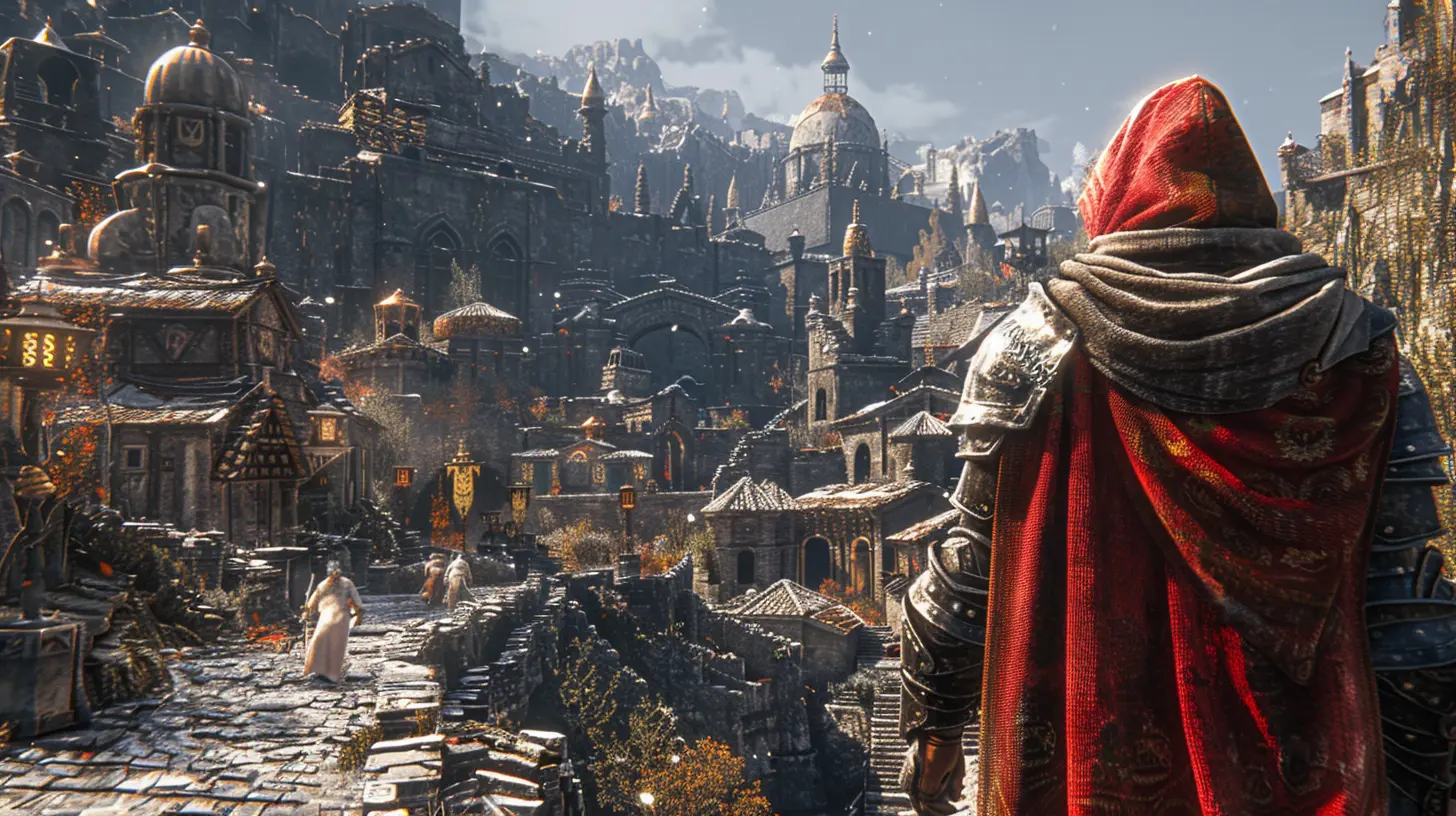
The Challenges of Multiplayer Quest Design
Designing quests for multiplayer games isn’t just tough—it’s a balancing act on a tightrope made of spaghetti.Think about it:
- What if players are at different stages of a quest?
- What happens if someone disconnects mid-quest?
- How do you create a meaningful narrative when everyone wants to be the protagonist?
Multiplayer developers have to account for synchronization, fairness, engagement for all types of players (aggressive, passive, speedrunners, completionists), and still try to build a believable world. It's like herding cats during a fireworks show.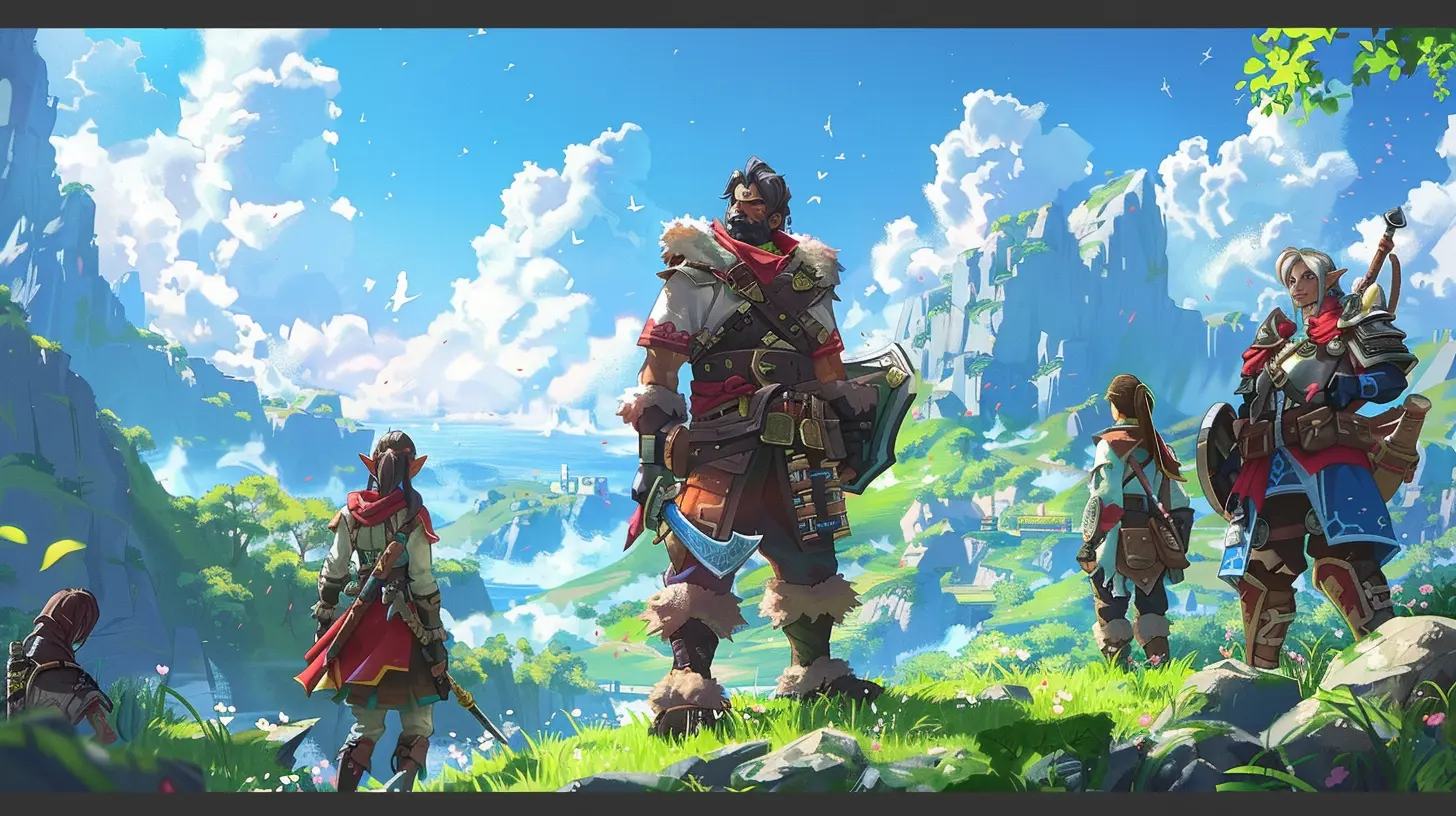
Types of Multiplayer Quests
Alright, now we’re getting into the juicy stuff. Multiplayer games usually break quests down into a few categories to keep things manageable.1. Personal Quests
Sometimes called character story quests. These are tailored to your own progress and are usually private. Think of games like Guild Wars 2, where your character has a personal storyline, separate from the open-world chaos.These quests may not be shared, but other players can still help you out—like friends jumping in your instance.
2. Shared Group Quests
These are the “all aboard” type quests where everyone in a group gets the same objectives. Games like World of Warcraft or Final Fantasy XIV excel here. The focus is on teamwork.The tricky bit is ensuring that progress is fair—if Player A kills an enemy, does Player B get credit too? That’s where mechanics like "shared kill credit" come in.
3. Public Events
You ever stumble into a random fight in Destiny 2 or see that huge dragon land in a zone in Elder Scrolls Online? That’s a public event.Anyone nearby can jump in, contribute, and earn rewards. These events are dynamic, often on a timer, and scale depending on how many players join.
It’s like a flash mob—completely unexpected, yet highly rewarding.
Quest Progression and Syncing
One of the biggest headaches in multiplayer quest design? Keeping everyone on the same page.Imagine joining a friend who’s halfway through a quest you haven’t started. Do you skip ahead? Drag them back and redo content? Or does the game somehow sync it all up?
Some solutions include:
- Phasing: The world changes based on each player’s progress. So one player may see a burned village while another sees it intact.- Level Syncing: Temporarily scaling a player’s level to match the challenge, like in Final Fantasy XIV.
- Group Leader Progression: The group follows the furthest progressed player, and others catch up by running it again.
None are perfect, but they’re clever workarounds for a complicated problem.
Narrative vs. Gameplay – The Big Trade-Off
Let’s face it: Multiplayer games usually sacrifice deep, personal storytelling for gameplay and world-building.Why? Because writing one compelling story for one person is hard—writing it for millions and having it make sense for all of them? Almost impossible.
Instead, multiplayer quests focus on:
- Fun mechanics
- Cooperative gameplay
- World-building through smaller stories
- Letting players create their own narratives
Games like Sea of Thieves take this to the extreme—there are quests, sure, but the real stories happen when things go unexpectedly wrong (or hilariously right) during player misadventures.
Instancing: A Game-Changer
Instancing is one of the greatest tools in the multiplayer quest toolbelt.Here’s how it works: When you enter a dungeon, story mission, or personal area, the game creates a “copy” of that location just for your group. No one else can interfere.
It’s like having a private movie theater just for you and your friends. You get the cinematic storytelling, the boss fights, the puzzles—all without the chaos of the open world.
Games like Destiny, Warframe, and even Diablo IV lean hard into instanced content, and it works beautifully.
Dynamic and World Events
Who said quests have to come from NPCs?Some multiplayer games shake things up with dynamic world events—surprise invasions, natural disasters, enemy raids, and more.
These events:
- Encourage spontaneous co-op
- Give the world a living, breathing feeling
- Provide valuable rewards
- Break up the questing grind
Guild Wars 2 pioneered this system, and other games have followed suit. It’s the difference between feeling like a chore and feeling like an adventure.
How Different Genres Handle It
Multiplayer isn’t a one-size-fits-all hat. Let’s take a look at how different genres approach questing.MMO (Massively Multiplayer Online)
- Tons of quests- Blend of personal and shared stories
- Heavy use of instancing and world events
Co-op Games (like Borderlands or Dying Light)
- Quests often sync to the host- Shared progression can be tricky
- Strong focus on fun mechanics and loot
Battle Royales / Survival
- Quests are often "challenges" or "objectives"- Minimal story, more reward-driven
- Completely player-driven narratives
MOBAs / Shooters
- Quests are usually daily/weekly tasks- Designed for quick completion
- Boost player engagement, not story depth
The Role of Player Choice
Choice is tricky in multiplayer.In single-player, your decisions matter and shape the world. But when you’re sharing a world with others? If you choose to burn the village and someone else saves it... what does the game do?
Some games avoid choices altogether. Others, like Divinity: Original Sin 2, embrace it in co-op—letting players argue, vote, and sometimes fight about what to do next.
Player choice + multiplayer = drama. And drama, let’s be real, makes for great gaming memories.
The Future of Multiplayer Questing
Multiplayer games are evolving, and so is quest design.With advancements in AI, cloud computing, and procedural storytelling, future games might:
- React dynamically to player actions
- Generate quests based on your behavior
- Allow branching narratives even in shared worlds
Imagine a game where no two players experience the same world, yet still play together seamlessly. We’re not far off.
And with games like Ashes of Creation promising worlds that change based on players’ decisions and actions, we’re about to see quests get a whole lot deeper—and more personal—even in multiplayer settings.
Wrapping it All Up
Multiplayer games handle quests differently because they have to. You’re not alone in the story anymore—you’re part of a cast. Sometimes that means more chaos, but it also means more possibilities.Whether it's private storylines, epic raids, or spontaneous world events, multiplayer games continue to push the envelope on how we experience quests. Sure, you may not always feel like the chosen one—but you’re part of something bigger.
And besides, isn’t it more fun to face dragons, aliens, or zombies with a few pals by your side?
all images in this post were generated using AI tools
Category:
Quests And MissionsAuthor:

Lana Johnson