How Games Are Becoming Tools for Education and Empathy
21 May 2026
Let’s be honest: when most people think of video games, they picture fast-paced action, colorful graphics, and maybe a few blown-up pixelated enemies. But here's the twist—games have been quietly evolving into something much more powerful. They’re no longer just a way to escape reality; they're becoming portals for learning, understanding, and even walking in someone else's shoes. That’s right! Video games are becoming some of the coolest tools for both education and empathy.
In this article, we’re diving into how and why this transformation is happening. So grab your controller, keyboard, or just a cup of coffee, because things are about to get seriously interesting.
? Not Just Play — The New Purpose of Games
Let’s rewind just a bit. Remember when games were considered a “waste of time”? Parents would groan, “These games are melting your brain!” But guess what? Now teachers, psychologists, and even policy makers are tapping into the unique magic of games. Why? Because games are perfect vehicles for delivering complex lessons—both academic and emotional—in a way that actually sticks.Games are interactive. They make you think, react, fail, and try again—all in real time. That persistence and problem-solving mindset? That’s golden in education.
? Games as Learning Machines
1. Learning Through Doing (a.k.a. Active Learning)
Think of it this way: would you rather read 30 pages about gravity or launch yourself into a physics-based game like Kerbal Space Program and feel the concept click instantly? Games like these let players become the scientist, the historian, or the mathematician. You’re not just reading about stuff—you’re living it.2. Making Boring Subjects Fun Again
Let’s be honest, not everyone jumps out of bed excited about math or history. But give them a game that turns algebra into dragon-slaying spells or World War II into a thrilling immersive strategy experience, and suddenly—bam!—they’re hooked. Games like Prodigy, Civilization, and Assassin’s Creed have cleverly embedded educational content into engaging gameplay.3. Personalized Learning Paths
Games are masters at adapting to the player. Whether you’re a quick learner or need a bit more time, educational games can scale accordingly. You’re not being judged. You’re being guided. It’s no surprise that more classrooms are adding learning platforms like Kahoot!, Minecraft: Education Edition, and Duolingo to their lesson plans.
? Empathy Mode: ON
Now here’s where things get really beautiful. Games aren't just teaching facts—they're helping us feel. Yep, feel. How wild is that?1. Walking in Someone Else’s Shoes
Have you ever played a game that made you cry, or at least sit back and think? Games like “Life is Strange,” “This War of Mine,” or “Hellblade: Senua’s Sacrifice” do exactly that. They don’t just show you a story—they wrap you in it. You’re not just watching a character experience trauma, poverty, or mental illness. You’re living through it too.That experience can lead to something powerful: empathy. It’s one thing to read about someone else’s struggles. It’s another thing entirely to feel them through every decision, every consequence, every heartbeat.
2. Safe Spaces to Explore Tough Topics
A game can act like a digital sandbox where people can explore heavy real-world issues without fear. Want to understand what life is like for refugees? Try “Bury Me, My Love.” Curious about chronic illness? “That Dragon, Cancer” will break your heart in the most profound way. These games don’t preach. They show.Games are now platforms for social justice, emotional education, and awareness—all in the form of play.
3. Building Compassion in Multiplayer Worlds
Online multiplayer games aren’t just about voice chat chaos and battle royales. Many of them build social and collaborative skills. Games like “Animal Crossing,” “Journey,” or even co-op modes in “Overcooked” encourage players to work together, communicate, and help one another. That’s empathy in action, folks!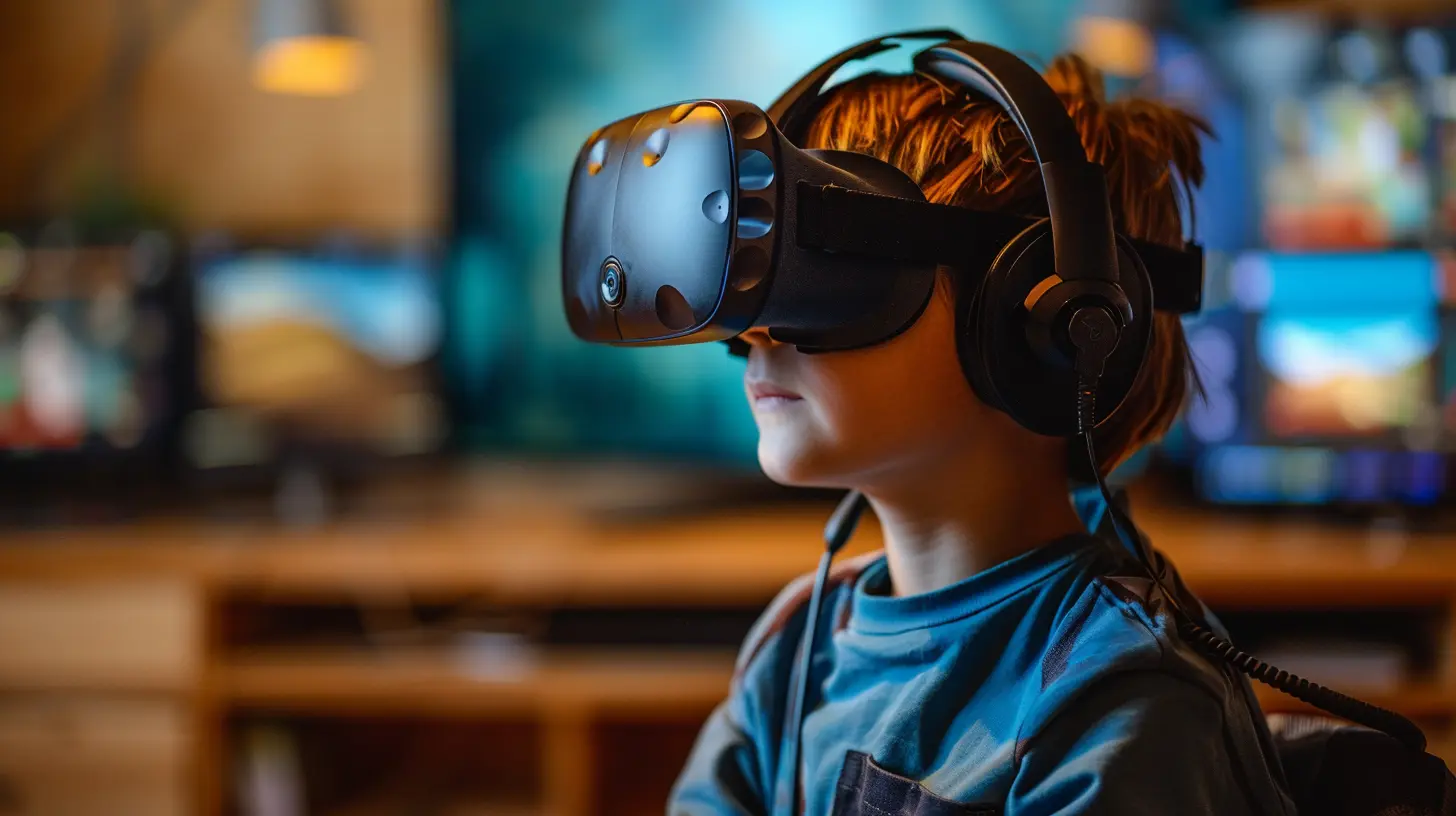
? Classroom Level: Upgraded!
Say goodbye to dusty chalkboards and hello to interactive digital experiences. Games are increasingly being welcomed into schools and learning institutions worldwide—and for good reason.1. Game-Based Learning is Thriving
Teachers have noticed something: kids focus better when they’re having fun. So they’re leaning into it. Platforms like:- Minecraft: Education Edition lets students build ancient civilizations or simulate environmental science.
- Kahoot! turns quizzes into game shows.
- Classcraft gamifies behavior and teamwork in classrooms.
Suddenly, students are competing to learn, and that’s a game-changer. Literally.
2. VR + AR = Mind-Blown Learning
Virtual Reality (VR) and Augmented Reality (AR) are pushing the boundaries even further. Imagine standing inside a cell to learn about biology, or walking through ancient Rome as part of a history lesson. That’s not future talk anymore—these tools are already being used in progressive schools around the world.? The Emotional Toolkit: Games as Soft Skills Trainers
A big part of growing up (and honestly, being human) is learning how to manage emotions, communicate, and understand others. That’s why soft skills are such a hot topic. And guess what? Games are low-key fantastic at teaching them.1. Cooperation & Teamwork
Multiplayer games build teamwork like a bootcamp. Think about games like “Fortnite,” “League of Legends,” or even “Among Us.” You’re constantly collaborating, strategizing, and making snap decisions with others.2. Problem Solving & Critical Thinking
From complex puzzles in “Portal” to survival decisions in “The Walking Dead,” games challenge your mind. They push you to think outside the box—and sometimes inside a creepy zombie apocalypse.3. Emotional Regulation & Resilience
Losing in a game sucks. But every loss also teaches patience, determination, and how to handle setbacks. Life lessons hidden in pixels!✨ Why This Matters More Than Ever
In a world filled with information overload, short attention spans, and constant connection, finding meaningful ways to engage, educate, and encourage empathy is more important than ever. Games, with their immersive worlds and interactive nature, are a perfect fit.They’re not just something we do for fun anymore—they're something we do to grow.
? The Future of Educational and Empathy-Based Games
We’re just scratching the surface. The future is crazy bright! With advancements in AI, VR/AR, and storytelling, tomorrow’s games will be more emotionally intelligent and educational than ever before.- Imagine AI-driven characters that truly react to your decisions with human-like emotions.
- Picture entire curricula built into MMORPGs, where students from different countries learn together while playing.
- Think about therapy-based games that doctors prescribe for mental health treatments.
We’re entering an era where gaming won't just be a hobby—it’ll be a legitimate learning and emotional development tool.
? Final Thoughts: Play with Purpose
Games are evolving, and so should our perception of them. They’re not just time-wasters or digital babysitters. They’re becoming bridges—between cultures, between people, and between hearts and minds.So the next time someone scoffs at gaming, just smile and say, “Actually, I’m learning algebra and becoming a better human while saving the galaxy. What did you do today?”
Let’s keep playing—but with purpose.
all images in this post were generated using AI tools
Category:
Game CultureAuthor:

Lana Johnson
Discussion
rate this article
2 comments
Isolde Huffman
Games are transforming learning and fostering empathy in innovative ways.
July 27, 2026 at 4:49 PM
Ford Bell
What unique games have you found that teach empathy in a fun way?
June 11, 2026 at 3:32 AM
Lana Johnson
Try "That Dragon, Cancer" for a deep emotional experience, or "Life is Strange" for choices that impact relationships. Both offer unique perspectives on empathy.