How Game Worlds Reflect Our Hopes and Fears
30 July 2026
Let’s be real here—video games are more than just flashy graphics, epic boss battles, and loot grinds. They’re like digital reflections of ourselves, showing us what we dream about and what we dread. Ever noticed how some game worlds feel like the perfect escape, while others hit a little too close to home? That’s not just coincidence. Whether it’s a hopeful utopia floating among the stars or a dark, crumbling city crawling with mutants, these game worlds say a lot about us.
So, buckle up, fellow gamer! We’re diving headfirst into the pixels and polygons to uncover how video game worlds mirror our deepest hopes and darkest fears. Ready? Let's press start.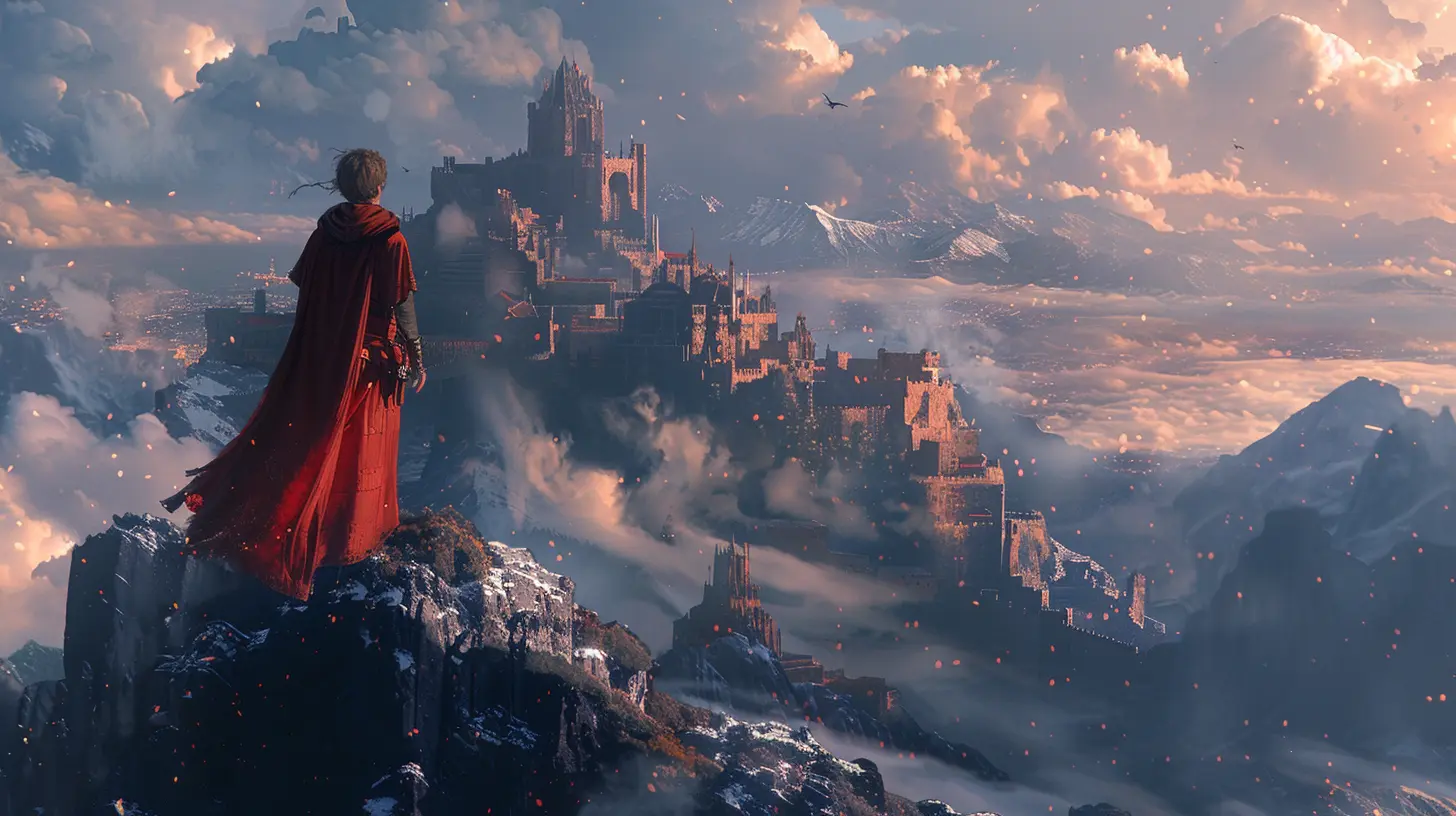
The Power of Imagination: Game Worlds as Emotional Mirrors
Video games let us do pretty much anything. Want to explore alien galaxies? There’s a game for that. Build your dream farm and fall in love with a pixelated sweetheart? Absolutely. Slay demons while listening to heavy metal? Heck yes.But beneath the gameplay mechanics and story arcs, there’s something more going on. Developers don’t build worlds in a vacuum—they pull inspiration from real-life emotions, societal trends, and the collective dreams and nightmares of the time. In short, game worlds are emotional mirrors. They reflect who we are, what we want, and what we’re terrified of.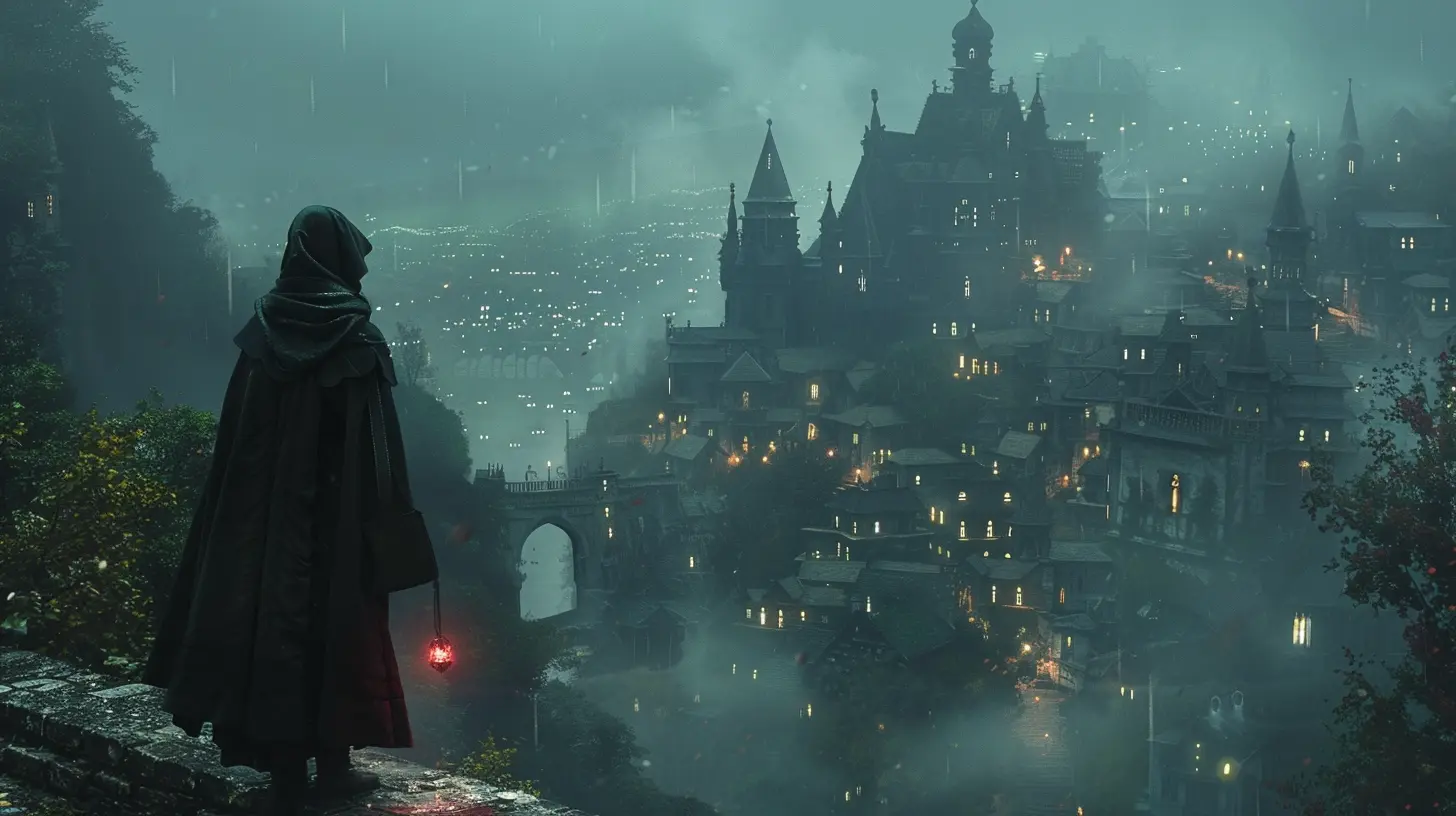
Hopes: A Glimpse Into the Worlds We Wish Existed
Let’s start on a positive note. Hope is a powerful fuel for world-building in games. It drives the creation of idyllic settings, inspiring narratives, and characters that fight for justice and peace. These virtual utopias reassure us. They show us the kind of world we want to live in—and deep down, believe we still can.? Peaceful Utopias and Perfect Societies
Think about games like Animal Crossing or Stardew Valley. In these worlds, life is calm, the community is kind, and you can spend your time fishing, farming, or decorating your house with zero real-life stress. No rent, no bosses yelling at you, no doomscrolling. Just pure, wholesome vibes.These games tap into our craving for peace and simplicity. They offer salvation from our fast-paced, over-complicated lives. It’s no wonder people spent hundreds of hours building their little paradise islands during the pandemic.
? The Allure of the Great Unknown
Now let’s talk about space—the final frontier! Games like No Man’s Sky and Mass Effect throw us into the vastness of the cosmos, and what do we find there? Hope. Hope that humanity can evolve, explore, and thrive in the stars.These games echo our collective curiosity. They embody the dream that, one day, we’ll overcome our earthbound problems and boldly go where no man (or gamer) has gone before.
? Power Fantasies and Heroic Journeys
Let’s be honest—sometimes we just want to be the hero. We want to slay dragons, lead rebellions, or save the galaxy with a witty one-liner. Games like The Legend of Zelda, Horizon Zero Dawn, and Spider-Man give us the power we often feel we lack in real life.These virtual adventures feed our desire for agency. They whisper, “You matter. You can make a difference.” And honestly? That’s a beautiful thing.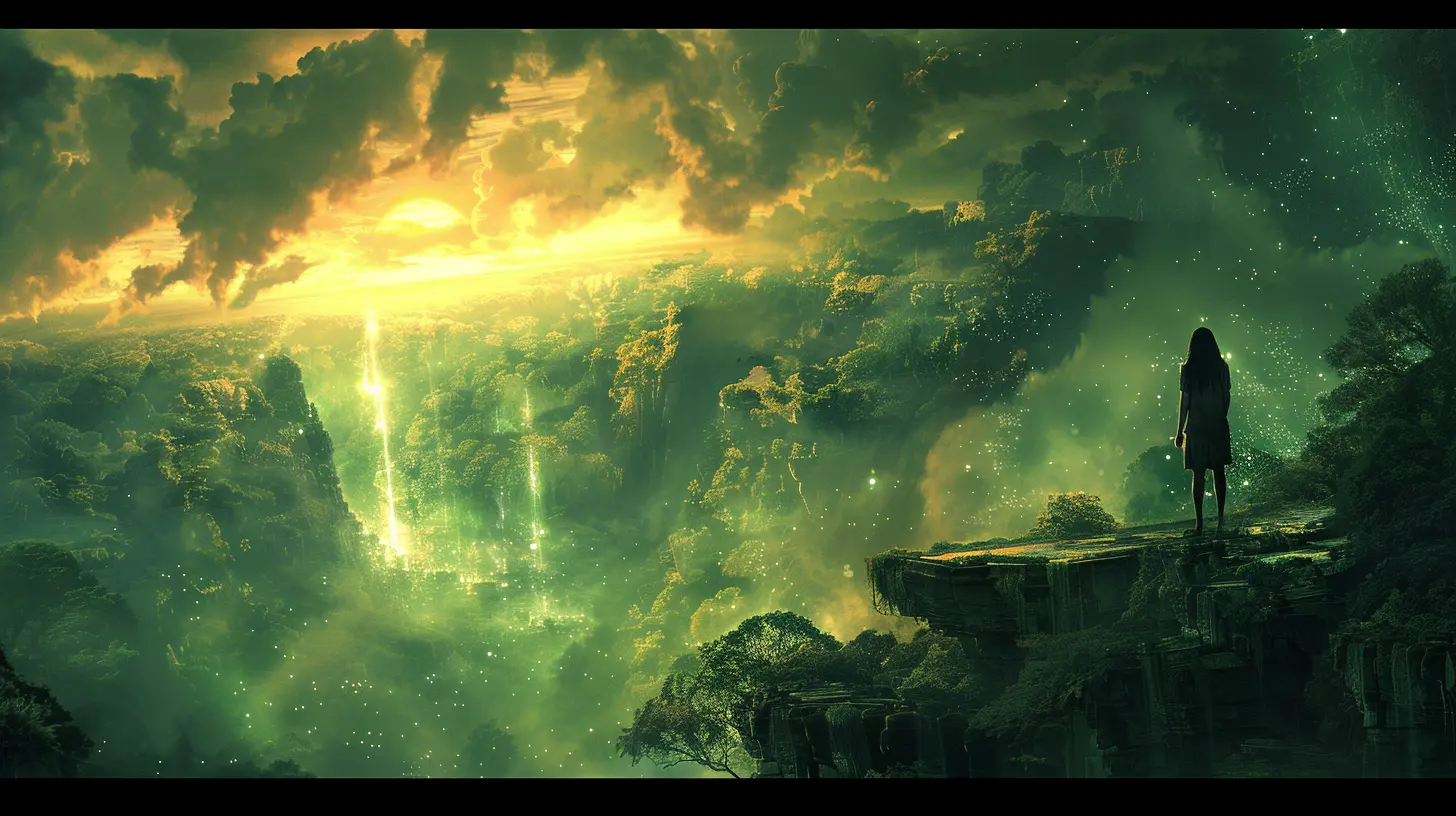
Fears: When Game Worlds Get a Little Too Real
Alright, let’s flip the coin. For all the sunny beaches and stellar voyages, plenty of game worlds are downright terrifying—and not just because of the jump scares. They tap into the real-world fears that keep us up at night. Yes, even grown-ups have nightmares.? Dystopias and Broken Societies
Welcome to the apocalypse, baby. Whether it’s the nuclear ruins of Fallout, the corporate hellscape of Cyberpunk 2077, or the plague-infested alleys of Dishonored, dystopian game worlds are everywhere.Why? Because they tap into our anxiety about the world falling apart. Climate change, political corruption, tech overreach—you name it. These games don’t just entertain; they warn. They take real fears and crank them up to 11.
It’s like virtual doomsday prepping. Instead of hoarding toilet paper, we hoard medkits and shotgun shells. Same vibe, different apocalypse.
?♂️ Fear of the Unknown
Ever get that feeling something’s lurking in the shadows? Games like Silent Hill, Resident Evil, and Dead Space take that primal fear and turn it into immersive horror. These aren’t just games—they're anxiety simulators.What makes these worlds so effective is how they turn unpredictability into gameplay. You don’t know what’s around the corner, and that keeps your heart racing. These games reflect our fear of what we can’t control or understand—which, let’s be honest, is a lot these days.
? Mental Health and Inner Demons
Some games tackle fear on a more personal level. Titles like Hellblade: Senua’s Sacrifice or Celeste explore struggles with mental health. They use their worlds to mirror the internal chaos that many of us keep hidden.These aren’t your typical scary games. They’re emotional rollercoasters. And they resonate because they reflect fears we don’t always admit to—even to ourselves.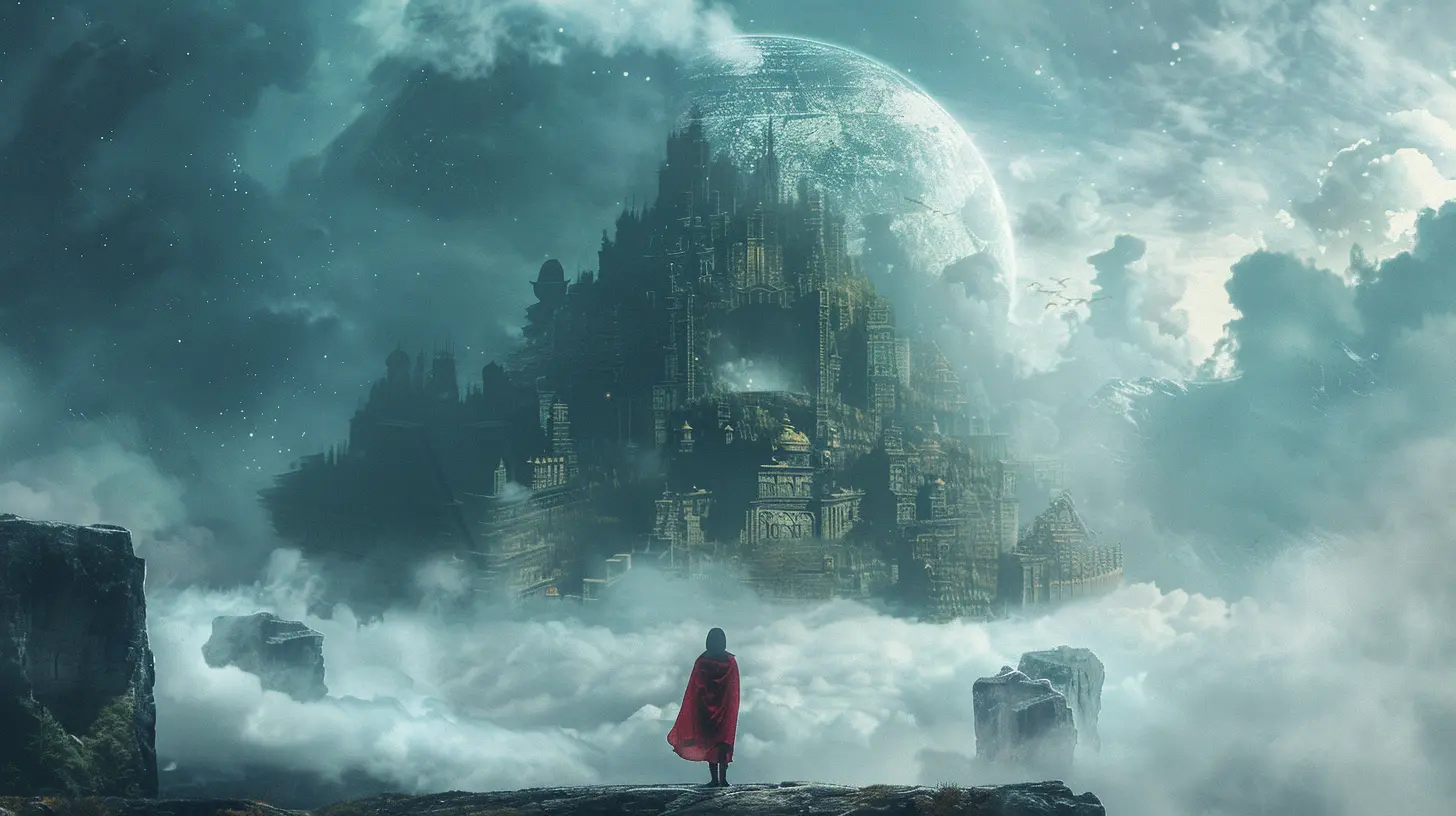
The Real World Seeps In (And That’s Not a Bad Thing)
Don’t think for a second that the themes in video games happen by accident. Game developers live in the same world we do. They read the news, scroll through social media, and experience the same hopes and fears we do. So naturally, those themes leak into their creations.Games like This War of Mine confront you with the brutal reality of civilian survival in warzones. Others, like Detroit: Become Human or BioShock, comment on civil rights, AI ethics, and the consequences of unchecked power. These aren’t escapist fantasies—they’re conversations, disguised as games.
And that’s the magic of it all. Games let us process the real world in a way that’s interactive. We’re not just watching a story unfold—we’re part of it. We make the choices. We face the consequences. And sometimes, we find answers we didn’t even know we were looking for.
Multiplayer Madness: Collective Hopes and Fears in Shared Worlds
Let’s not forget about multiplayer games. These shared spaces are like microcosms of society. In games like Fortnite, Minecraft, or World of Warcraft, players create, destroy, trade, fight, and form alliances.These digital worlds reflect how we interact in real life—cooperation, conflict, friendship, rivalry. They show our desire to connect and belong, but also our fear of being left out or betrayed.
Ever had a squadmate ghost you mid-match? Yeah, that stings more than it should.
The Evolution of Hopes and Fears in Gaming
The way games reflect our emotions has evolved over time. In the early days, it was all about simple stories: save the princess, defeat the enemy, beat the high score.But as technology improved and storytelling matured, so did the emotional depth of game worlds. Now, we’re getting nuanced, morally gray narratives. We’re exploring ambiguous endings, unreliable narrators, and complex dilemmas.
Games like The Last of Us Part II don’t shy away from asking hard questions. Like, what does revenge really cost? Is redemption possible? Are we the heroes... or just another villain in someone else's story?
These are the kinds of fears and hopes we wrestle with in real life. And that’s what makes modern games insanely powerful.
Why This Matters: Games Are Art, Period.
Let’s squash this old myth once and for all—games aren’t just mindless entertainment. They are art. Full stop.They tell stories that snag your heartstrings. They present ideas that linger in your mind long after you power down. And they create worlds that challenge, inspire, and move us.
By reflecting our hopes and fears, games help us understand ourselves better. They start conversations, ignite change, and sometimes, even heal old wounds.
Not bad for something that used to be labeled as “just for kids,” right?
Final Thoughts: So, What’s Your Game Saying About You?
Next time you boot up your favorite game, take a moment to look beyond the UI and loading screens. Ask yourself—why does this world feel so good? Or so terrifying? What is it tapping into inside you?Chances are, it’s reflecting something real—something very human.
Maybe it’s hope. Maybe it’s fear. Maybe it's a little bit of both.
And that, my friends, is the true power of video games.
all images in this post were generated using AI tools
Category:
Game CultureAuthor:

Lana Johnson