How Fan Communities Influence Game Canon
20 April 2026
Gaming isn’t just about smashing buttons or chasing high scores anymore—it’s about stories, characters, emotions, and belonging. But here’s the thing: the official version of a game—the “game canon”—isn’t always set in stone. In fact, more often than not, it's the fans who end up shaping the narratives we come to love.
Yep, fan communities are pulling the strings in subtle and not-so-subtle ways, and game developers are taking notice. So, let’s dive into how these passionate communities are rewriting the rules and reshaping the worlds we play in.
What Is Game Canon, Anyway?
Before we get too far, let’s break down what “game canon” means. Canon, in the world of storytelling, refers to the official storyline. It’s the version the creators say is “real” within the game universe.For example, in games like The Legend of Zelda, the events in Ocarina of Time are considered canon—actual events that happened in that universe. Everything else? Maybe fan theories, maybe alternate timelines, or maybe just cool “what if” scenarios.
Fan Communities: More Than Just Spectators
Fans aren’t just sitting on the sidelines anymore. They’re tweeting, modding, drawing, writing fan fiction, streaming, creating lore videos, and even developing their own theories. This isn’t passive entertainment—it’s participatory. It’s a conversation.Think of fan communities like a giant brainstorming session. They throw out wild ideas, patch plot holes, connect storylines, and sometimes, they even call out inconsistencies the devs overlooked. And when that kind of passion floods forums, social media, and fan conventions—you bet developers start to listen.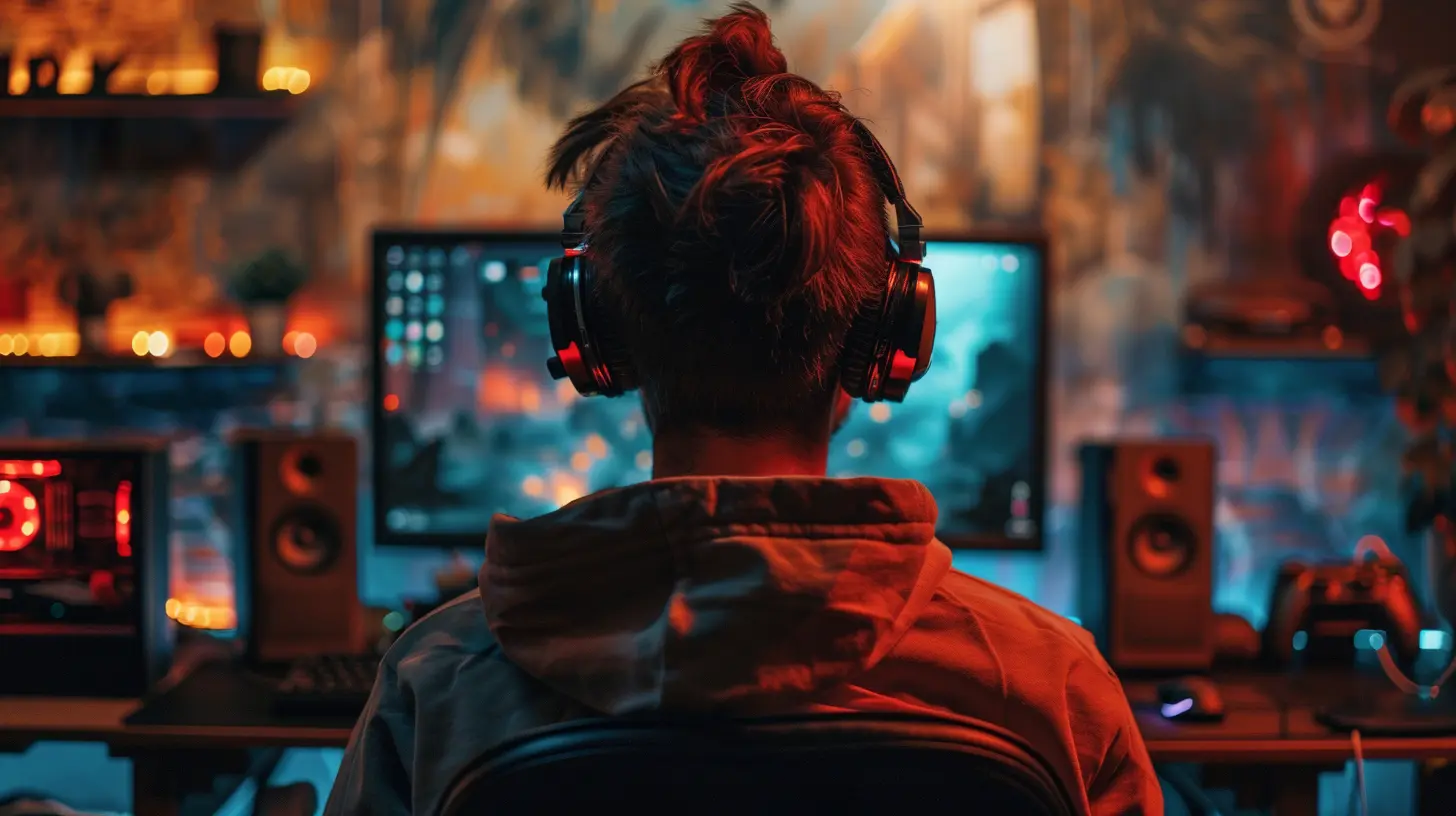
The Power of Collective Voice
Have you ever noticed how games seem to shift tone or direction after a big fan reaction? That’s not a coincidence.One classic example is Mass Effect 3. The original ending sparked outrage. Fans felt it didn't reflect their choices throughout the trilogy. The backlash was so loud, BioWare responded with an Extended Cut to address those concerns. That’s huge. Fans literally changed the canon ending of a triple-A game.
And it doesn’t stop there:
- No Man’s Sky had a shaky launch, but after fans voiced their disappointment, Hello Games doubled down and released update after update—actually fulfilling the game’s original promise.
- Undertale, though an indie project, has an enormous fan community that’s inspired theories and even led creator Toby Fox to acknowledge certain fan interpretations in later content.
The message is clear: when enough fans speak up, things change.
Fan Theories That Became Canon
Sometimes, communities get a little too good at piecing things together, and their theories start sounding... well, pretty official.Take Five Nights at Freddy’s. Its lore was a tangled web, with fans dissecting each game frame by frame. Scott Cawthon, the creator, leaned into those theories so much that in later installments, he actually confirmed—and often built upon—what the community had speculated.
Another great example is Pokémon. The fans’ theory that Cubone wears the skull of its dead mother? That started off as fan speculation, but guess what? The official games and anime later referenced it, cementing it into canon.
It’s like those fancy fan headcanons graduated into “real” lore.
Mods That Made It Into the Main Game
Fan mods are another way communities reshape canon. Sometimes, they go from being unofficial add-ons to full-blown parts of the game universe.Remember Counter-Strike? It started as a mod for Half-Life. Now it’s not just canon—it’s a flagship product for Valve.
Or how about Dota? That began as a Warcraft III mod. Today, Dota 2 is a standalone beast with its own sprawling lore, characters, and esports scene.
In these cases, fan creativity didn’t just influence canon—it became canon.
Developers Are Fans Too
Here’s a little secret: many game developers started out as fans themselves. They grew up playing the games we all love. That means they’re not just listening to the community—they’re part of it.Developers often drop Easter eggs, reference popular fan memes, or nod to long-standing community theories. They browse Reddit, follow fan art on Twitter (well, X now), and lurk in Discord servers. In many ways, they’re just as excited about the lore as the fans are.
Games like Stardew Valley and Hollow Knight have small teams or even solo developers who engage directly with their communities. That makes it easier for fan input to weave its way into future updates or sequels.
Fan-Driven Expansions and Spin-Offs
Sometimes, fans create entire expansions or spin-offs out of love—and occasionally, developers give them the green light.Take Black Mesa, a fan-made remake of Half-Life. Valve saw the passion behind it and decided to support the project officially. That’s a rare recognition of fan work becoming part of gaming history.
Then there’s AM2R (Another Metroid 2 Remake), a fan project remaking Metroid II that gained massive attention... until Nintendo shut it down. But here’s the twist: shortly after, Nintendo released its own remake, Metroid: Samus Returns. Coincidence? Maybe. Influence? Definitely.
When Fan Pressure Shapes the Future
Some fans go beyond theories and mods—they campaign.The most famous recent case? The Snyder Cut of Justice League, which isn't a game but speaks volumes about fan power. In the gaming world, we’ve seen similar situations:
- The Sonic the Hedgehog movie redesign happened because fans loudly hated the first version. The studio listened, changed it, and the result was a major box office success.
- Fans of Silent Hill long lobbied for a return to the franchise. Thanks to consistent interest and online petitions, Konami finally announced a revival. It’s fair to say that fan demand played a role.
It goes to show: fan voices are more powerful than ever.
The Dark Side of Fan Influence
Of course, it’s not all sunshine and memes. Sometimes fan intervention can derail a creator’s vision. Toxic portions of the community might demand changes that dilute the story or push developers into tight corners.There’s a fine line between collaborative storytelling and mob mentality.
Developers are trying to balance this. They want to honor their fans’ passion without compromising the integrity of their work. That’s a tricky dance, but an important one.
A Shared Universe, Built Together
In the end, games are no longer one-way conversations. They’re shared experiences. Developers create the playground, but fans fill it with meaning.When you write a headcanon on Tumblr, post lore theories on YouTube, or just chat with other players in a subreddit—you’re shaping the narrative in your way. And hey, sometimes the universe listens.
Gaming is evolving. It’s more interactive, more communal, and more influenced by real people behind the screens. The line between developer and player is thinner than ever, and that’s kind of beautiful, don’t you think?
So, What Does This All Mean?
It means we’re all part of the canon now. Whether you’re a lore junkie, a story theorist, a modder, or just someone who loves fan art—you’re helping write the story. And that’s something no patch note or update log can quantify.Next time you dive into your favorite game, remember: your voice matters. The community matters. And together, we’re not just playing games—we’re co-creating them.
Conclusion: Fans as Co-Creators
To say fan communities influence game canon is an understatement. They challenge, reshape, and co-author the games we love. Developers are no longer the only storytellers—players are, too.So let your imagination run wild. Write the fanfic, share the theory, build the mod. You never know which idea will become part of the official story next.
Because in the world of gaming, the lines between player and creator aren’t just blurred—they’re wide open.
all images in this post were generated using AI tools
Category:
Game CultureAuthor:

Lana Johnson
Discussion
rate this article
2 comments
Luna Edwards
Fan communities shape game canon by actively engaging with narratives, creating mods, and influencing developers, ultimately enriching the gaming experience and driving creative evolution.
April 23, 2026 at 3:08 PM
Lana Johnson
Absolutely, fan communities play a crucial role in shaping game narratives and pushing for innovation. Their creativity and passion can elevate the entire gaming experience.
Murphy Barnes
Fan communities shape game canon by actively interpreting narratives and characters, essentially co-authoring the lore. Their collective passion cultivates a dynamic dialogue, challenging creators to reflect on diverse perspectives and ultimately enriching the gaming experience with deeper, shared meanings and connections.
April 22, 2026 at 5:08 AM
Lana Johnson
Absolutely, fan communities bring valuable interpretations that enhance the narrative. Their engagement pushes creators to explore new ideas and enrich the overall experience for everyone involved.